Earthquake shaking can damage gas lines, electrical equipment and appliances, creating conditions for a fire. Broken water mains or blocked roads can also make firefighting harder. After shaking stops, prioritize escape from immediate danger and follow utility and emergency instructions.
How shaking can start a fire
Strong shaking can move appliances, damage gas piping or electrical equipment and spill flammable liquids. A damaged gas line and an ignition source can create a dangerous situation. Not every earthquake causes a fire, and shaking damage does not by itself prove a particular leak.
USGS identifies broken gas lines and electrical shorts as possible causes of post-earthquake fires. Damage can be hidden, so do not test an appliance or operate a switch merely to investigate an odor. Follow local emergency and utility guidance.
Why fires can spread or be harder to fight
An earthquake can damage water mains or tanks, reduce access to water and block roads with debris. Responders may face multiple incidents at once. These factors can make a small ignition more difficult to control and are a reason to prepare before a disaster.
Aftershocks and unstable buildings can create additional danger. Do not enter a visibly damaged building to retrieve belongings or inspect a utility. Listen to officials and keep routes open for emergency crews.
During shaking
Follow current earthquake guidance: if you are indoors, drop, cover and hold on where appropriate, staying away from windows and heavy objects. Do not run outside during shaking. Your exact action can depend on your location and mobility, so review USGS and local guidance in advance.
Once shaking stops, expect aftershocks and check for immediate injuries and hazards. Wear sturdy shoes where broken glass may be present. If there is fire or another immediate threat, move to safety and call 911 from a safe location.
If you suspect a gas leak
If you smell gas, hear a possible leak or see a damaged line, leave the area immediately. Do not use flames, operate switches or appliances, or use a phone inside the suspected leak area. From a safe location call 911 and the gas utility, and follow their instructions.
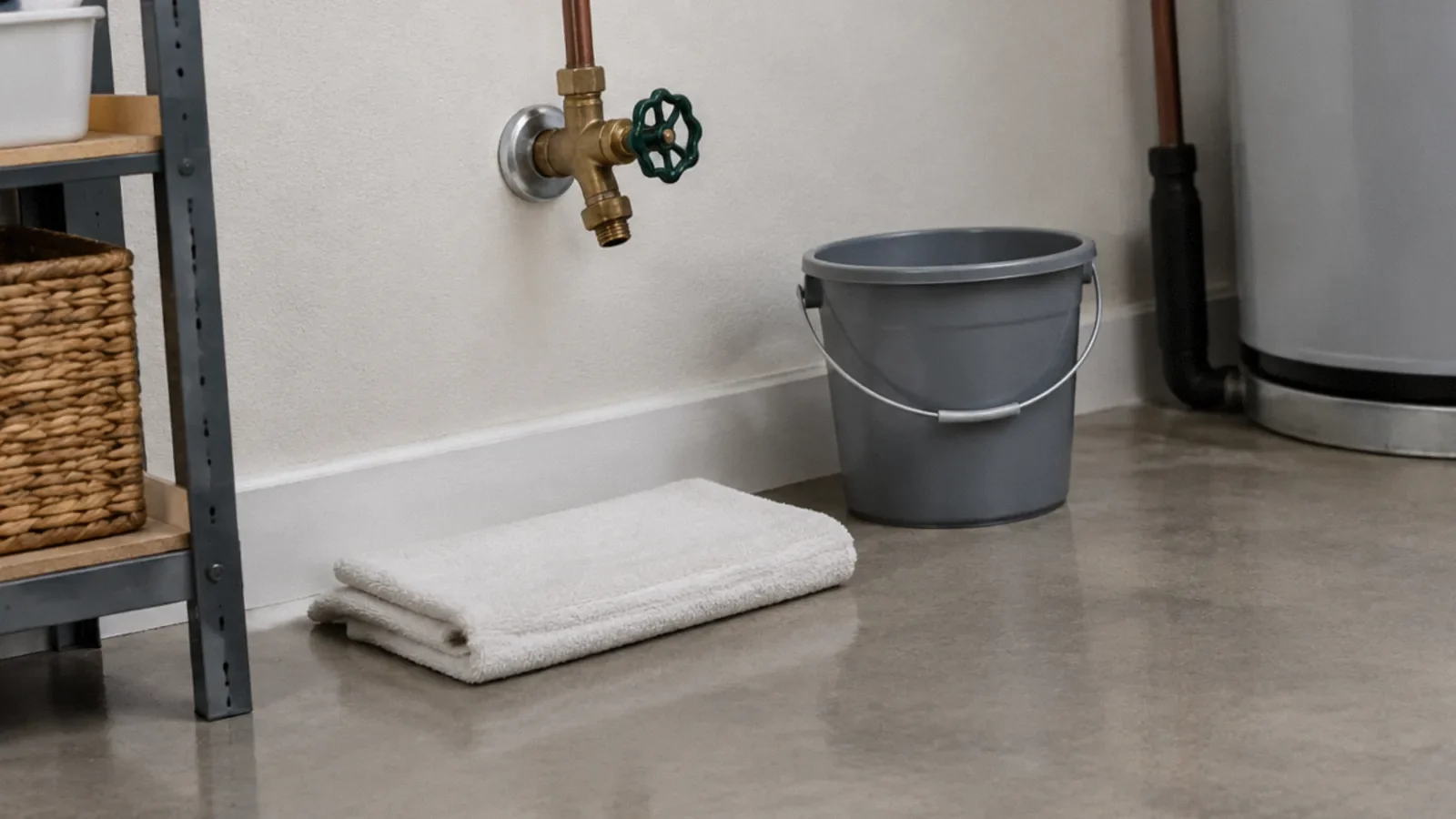
Know the location of the gas shutoff and the utility’s instructions before an emergency. Do not delay escape or approach a dangerous area to reach a valve. If gas has been shut off, do not turn it back on yourself; the utility or an authorized professional must restore service.
Electrical damage and downed lines
Stay away from downed power lines and anything touching them. A line can be energized even if it is silent. Report it to the utility or emergency services from a safe distance. Avoid water near electrical equipment.
If wiring or equipment is damaged, do not touch exposed conductors or operate a wet panel. A qualified electrician and the utility can assess the system. Do not switch electrical equipment on or off in an area where gas may be leaking because a spark could ignite it.
If a fire starts
If you cannot leave safely or someone is trapped, call 911 and tell the dispatcher your location. Otherwise get everyone out, close doors behind you when feasible and call from outside. Do not return for possessions or attempt to fight a growing fire.
A small fire may become dangerous quickly, particularly if the building is damaged or a gas leak is suspected. An extinguisher is appropriate only when the user is trained, the fire is small and contained, and a clear exit remains available. If unsure, leave.
Prepare your home before an earthquake
Secure water heaters and other heavy appliances according to local requirements and manufacturer guidance, and have qualified professionals address unsafe gas or electrical conditions. Store flammable products securely in their original containers and maintain smoke alarms.
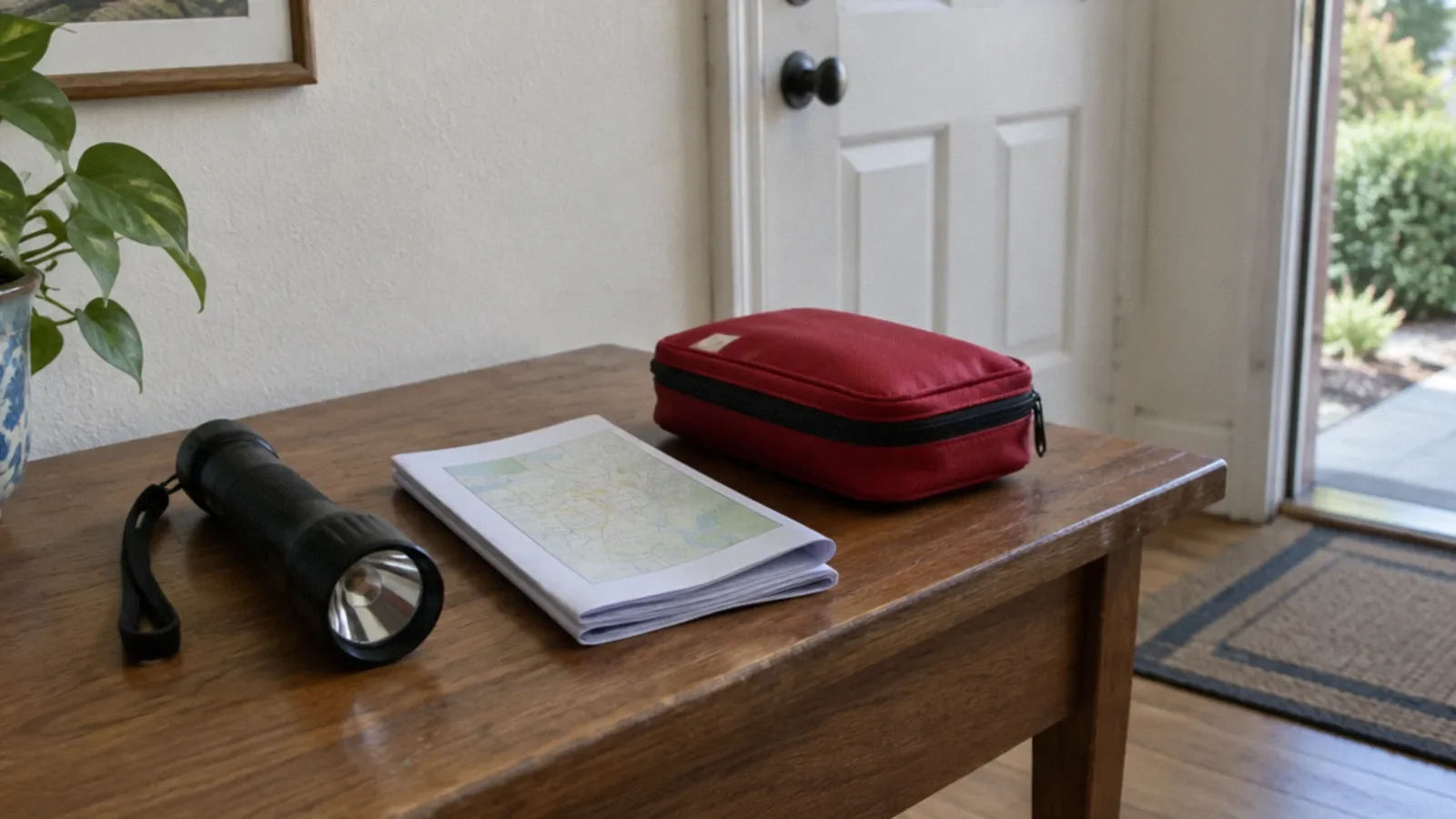
Create a household emergency plan, identify exits and a meeting place, and keep flashlights, water and other supplies accessible. Learn how to contact your utilities. Review the plan with household members who may need assistance.
After officials say it is safe
Do not reenter a damaged structure until officials say it is safe. Have qualified professionals inspect affected utilities and building components. Follow the utility’s instructions for restoring service and document damage only when safe.
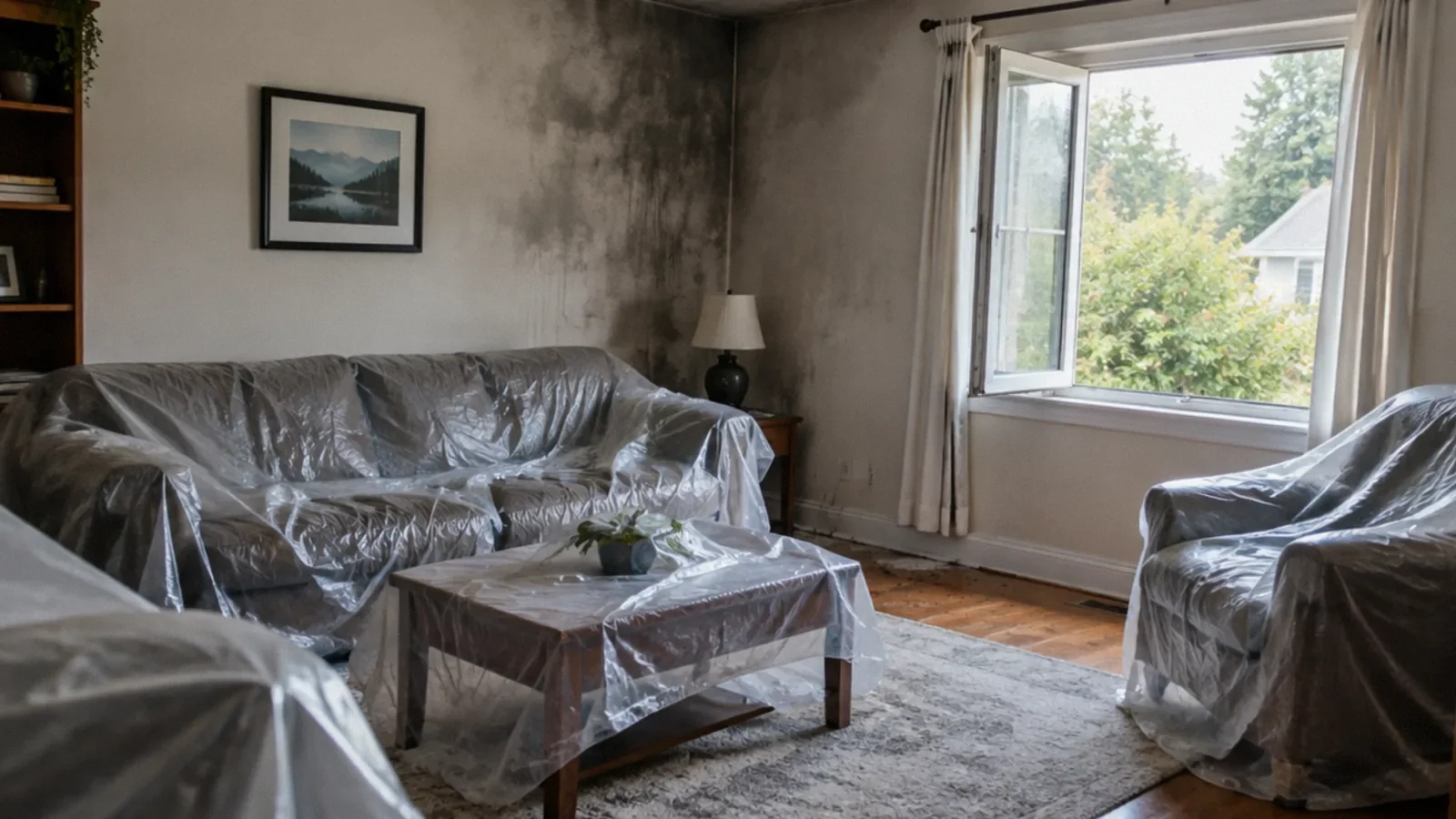
Fire, smoke and water used for firefighting can affect different materials. A restoration assessment should identify the extent and source of each type of damage. Keep records for the property manager or insurer and avoid disturbing unstable or suspect hazardous materials.
Your next-step checklist
- Drop, cover and hold on during shaking when appropriate.
- Leave immediately if you suspect a gas leak.
- Avoid switches, flames and phones in a suspected gas leak area.
- Stay away from downed lines and call for help from safety.
Related questions
Can earthquakes cause fires?
Yes. Shaking can damage gas lines, electrical equipment or appliances, creating conditions that can ignite a fire.
Why are earthquake fires difficult to put out?
Water-system damage, blocked roads, aftershocks and multiple incidents can complicate firefighting.
Should I turn on a light to check for a gas leak?
No. Leave the area without operating switches or appliances and call emergency services and the utility from a safe location.
Can I turn the gas back on after shutting it off?
Do not restore it yourself. Follow the utility’s instructions and have an authorized professional restore service.
Sources & context
Public guidance supports the principles in this article. The practical questions and examples are editorial interpretation, not a site assessment or a coverage decision. State-specific rules apply only where identified.
- USGS: Earthquake effectsfederal earthquake guidance
- USGS: What to do after an earthquakefederal earthquake guidance
- USGS: What to do during an earthquakefederal earthquake guidance