Cooking was the leading cause of reported U.S. residential building fires in U.S. Fire Administration estimates for 2015–2024. Reduce risk by attending cooking, maintaining heating and electrical equipment, keeping combustibles away from heat and using working smoke alarms. Make and practice an escape plan; if a fire occurs, get outside and call 911.
What the national numbers show
The U.S. Fire Administration estimates that cooking was the leading cause of residential building fires across its 2015–2024 data period. Its 2024 estimates include approximately 160,300 cooking fires, 34,400 other unintentional or careless fires, 27,200 heating fires and 26,400 electrical malfunction fires. These are national estimates, not a forecast for an individual home.
The agency notes that estimates and methods can change. A leading cause by number of fires is not necessarily the leading cause of deaths or the largest loss in every category. Use the data to prioritize prevention while addressing the actual conditions in your home.
How often do residential building fires occur?
The U.S. Fire Administration estimates 343,000 residential building fires nationally in 2024. Dividing that annual estimate by 366 days gives about 937 reported fires per day on average for that leap year; it does not mean the same number occurred every day. These are estimated incidents, not a count of homes destroyed.
A national incident total does not directly provide the probability that a particular home will burn. Building type, behavior, equipment and many other factors vary. Review the reporting period and definition when comparing sources, and use the numbers to inform prevention rather than predict an individual outcome.
Prevent cooking fires
Stay in the kitchen while frying, grilling or broiling, and turn off the burner if you need to leave. Keep towels, packaging and other combustible items away from the cooking area. Turn pan handles inward where they are less likely to be bumped or pulled.
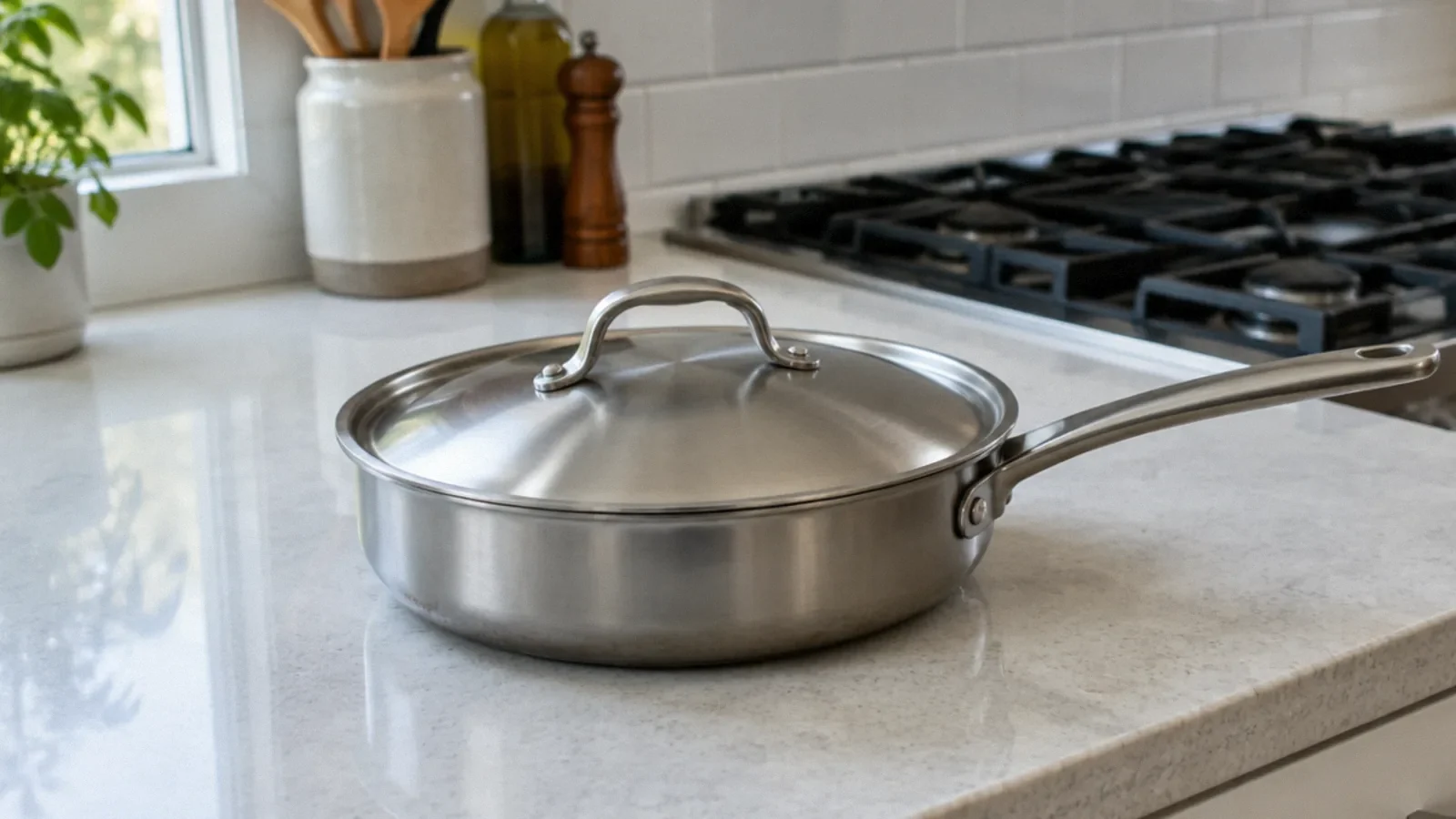
Keep a suitable lid nearby. If a small pan fire occurs and you can act safely, slide the lid over the pan and turn off the burner; leave the pan covered until cool. Never pour water on a grease fire or carry the pan outside. If you cannot act safely, leave and call 911.
Heating and portable equipment
Keep space heaters away from bedding, curtains, furniture and other things that can burn. Follow the heater manufacturer’s clearance and power instructions, place it on a stable surface and turn it off when leaving or sleeping. Do not use a cooking oven to heat a room.
Have fuel-burning heating equipment and chimneys maintained by qualified professionals. Install and maintain carbon monoxide alarms as required by local rules and manufacturer instructions. A smoke alarm and a carbon monoxide alarm detect different hazards; do not assume one replaces the other.
Electrical cords and appliances
Replace damaged cords and stop using an appliance that sparks, smells hot or behaves abnormally. Avoid running cords under rugs or pinching them under furniture. Extension cords are not a substitute for permanent wiring; use equipment according to its rating and instructions.
If an outlet is hot, repeatedly trips a breaker or shows scorching, stop using it and contact the property manager or a qualified electrician. Do not open electrical panels or touch wet equipment. If there is smoke or an active fire, leave and contact emergency services.
Candles, smoking and batteries
Place candles in stable holders away from curtains, children and pets, and extinguish them before leaving a room or sleeping. Store matches and lighters away from children. Follow local and household rules for smoking, and ensure smoking materials are fully extinguished.
A candle can start a fire when its flame ignites nearby curtains or paper, or when a candle tips over. USFA recommends keeping lit candles at least 12 inches from anything that can burn and blowing them out when leaving the room or going to sleep. Battery-operated flameless candles avoid an open flame.
Charge batteries and devices using equipment recommended by the manufacturer, on a stable surface away from exits and combustible materials. Stop using a battery that is swollen, damaged, unusually hot or emitting smoke, and follow manufacturer and local fire guidance. Do not block the only way out while charging.
Install and test smoke alarms
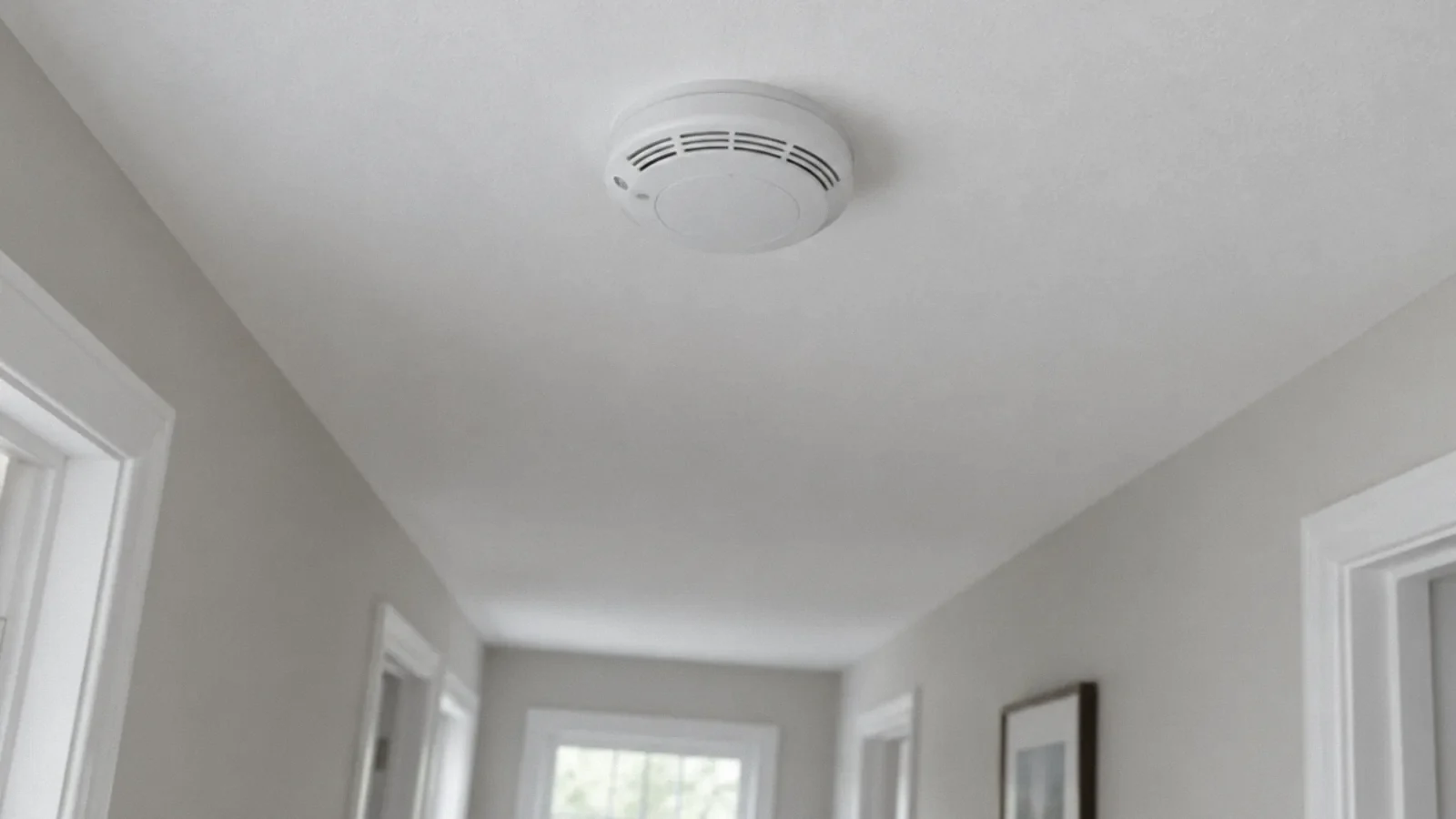
The U.S. Fire Administration recommends alarms inside bedrooms, outside each sleeping area and on every level, including the basement. Follow applicable local requirements and the manufacturer’s installation instructions. Interconnected alarms can alert the household when one sounds.
Test alarms monthly. Battery and replacement instructions vary by model: replace removable batteries as directed and replace the entire alarm at its stated end of life. Never disable an alarm because of nuisance activations; address placement and cooking practices according to the instructions.
Plan and practice escape
Draw a plan showing doors and windows and identify two ways out of each room where possible. Choose an outdoor meeting place and practice with everyone in the home at least twice a year, adjusting the plan for children, mobility needs and pets. Keep exits clear and make sure windows used for escape can open.
If the alarm sounds and a fire is suspected, get out, stay out and call 911 from outside. Close doors behind you if possible. If you cannot escape, close doors between yourself and the fire, call 911 and tell responders your location. Never return to retrieve belongings.
A routine prevention review
Walk through the home periodically: check that cooking areas are clear, alarms respond to their test buttons, exits are open and appliances and cords show no visible damage. Clean the dryer lint screen after each load and maintain the vent system according to the manufacturer.
Renters should report faulty alarms, damaged outlets and blocked exits to the property manager promptly. A checklist reduces missed maintenance but cannot guarantee that a fire will not occur. Review the plan after moving, changing the household or modifying the building.
Can a refrigerator or dishwasher catch fire?
Electrical or mechanical faults can involve appliances, including refrigerators and dishwashers. A burning odor, smoke or sparks is a warning to stop using the equipment. If there is immediate danger or a fire, leave, close the door behind you if possible and call 911 from outside.
Do not pull an appliance away from the wall or touch a cord if the area is hot, wet or unsafe. Once the danger has passed, have a qualified technician evaluate the equipment before further use. The U.S. Fire Administration advises plugging major appliances directly into a wall outlet rather than using an extension cord. Check manufacturer instructions and applicable recalls.
What time of day do residential fires occur?
A U.S. Fire Administration analysis of 2017–2019 data reported that residential building fires on days other than Thanksgiving peaked from 5 to 8 p.m. This is a historical national pattern, not a prediction for a particular home or a statement that fires cannot occur at other times.
Nighttime safety matters too. A separate USFA report found that multiple-fatality residential fires in 2021–2023 occurred most often from midnight to 6 a.m. Maintain working smoke alarms and practice an escape plan for every household member.
Where home fires begin and electrical hazards
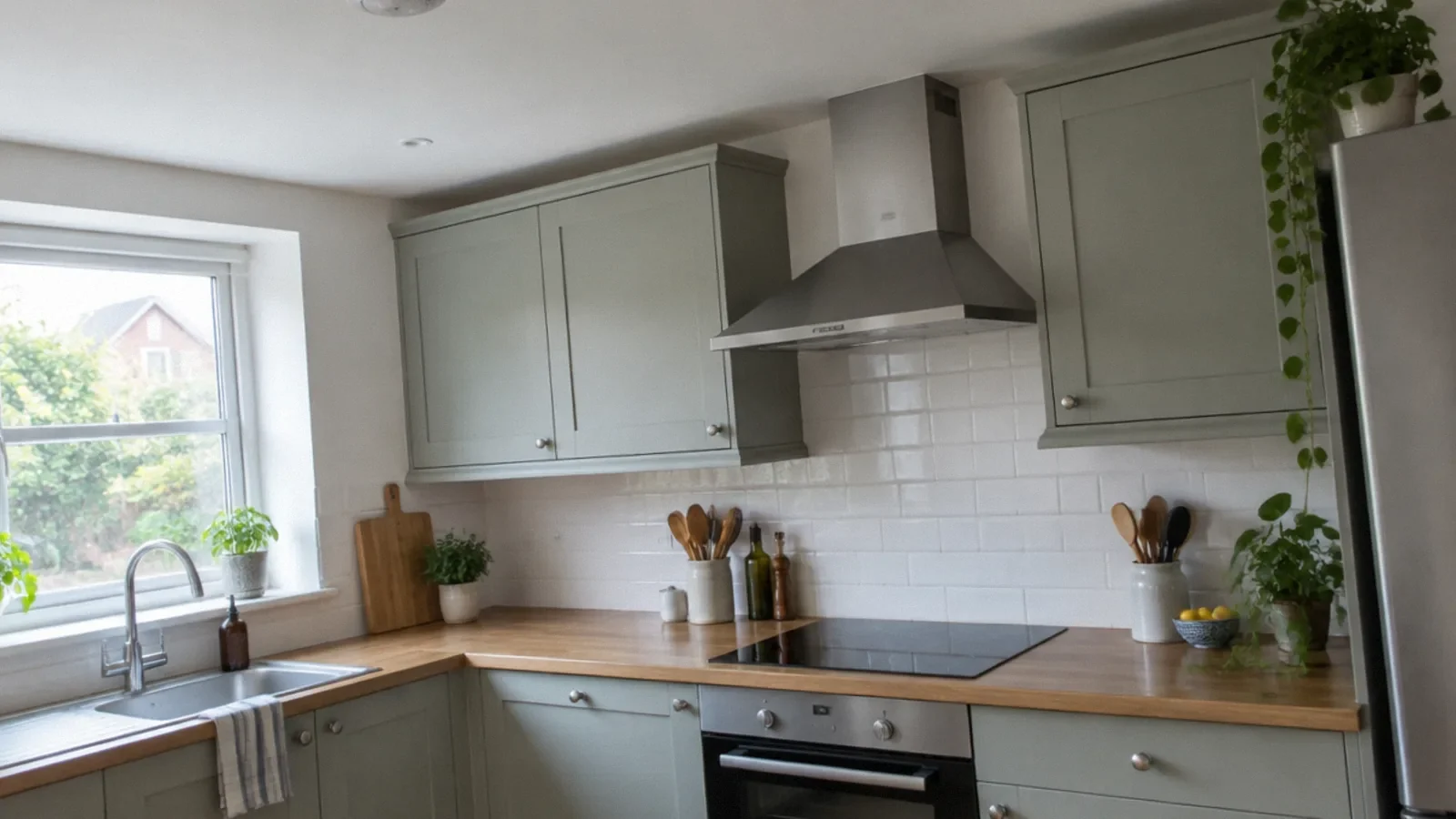
The U.S. Fire Administration reports that cooking was the leading cause of U.S. residential building fires in 2024. The kitchen is a location; cooking is a cause. These figures concern residential buildings, not all fire types. In USFA’s 2017–2019 report on nonconfined one- and two-family residential building fires, cooking areas and kitchens were the leading area of origin (17.9%); the reporting population and period matter.
An electrical fire hazard is a condition that can contribute to ignition. Overloaded circuits, damaged insulation and loose connections can overheat. Warning signs include recurring breaker trips, a burning smell, discoloration or heat at an outlet. Stop using affected equipment and call a qualified electrician; if there is smoke or fire, leave and call emergency services. Do not open an electrical panel or reset a repeatedly tripping breaker as a repair.
A fire hazard is a condition or source that can contribute to ignition, such as an unattended candle beside curtains, an overloaded outlet or a heater close to bedding. Fire risk describes the chance and potential consequences under particular circumstances; a hazard does not mean a fire is inevitable. These examples concern homes; workplace hazards require a separate assessment.
How many houses are destroyed by fires each year?
The USFA summary cited here does not report a separate nationwide count of houses completely destroyed. Its 343,000 estimate for 2024 counts residential building fire incidents, including fires with very different outcomes. Treating that figure as the number of destroyed houses would be incorrect.
A usable destruction estimate would need a stated year, geography and definition of total loss, and would have to distinguish buildings from dwelling units and fire incidents. The summary reports fires, deaths, injuries and dollar losses; it cannot answer the destroyed-house question by itself. These limits do not reduce the importance of prevention, alarms and a practiced escape plan.
Your next-step checklist
- Stay with active cooking and keep combustibles away.
- Keep heating equipment clear and maintain it as directed.
- Test smoke alarms monthly and replace them as required.
- Keep exits clear and practice two ways out when possible.
- Get outside and call 911 if fire occurs.
Related questions
What is the leading cause of home fires?
Cooking was the leading cause of U.S. residential building fires in USFA estimates for 2015–2024.
How often should smoke alarms be tested?
The U.S. Fire Administration recommends testing them monthly and maintaining them according to the manufacturer.
How often should a family practice its fire escape plan?
USFA recommends practicing at least twice a year.
Can I use water on a grease fire?
No. If a small pan fire can be covered safely, use a fitting lid and turn off the heat; otherwise leave and call 911.
How many residential building fires occur per year?
The U.S. Fire Administration estimates 343,000 nationally in 2024. That is an incident estimate for that year, not the number of homes destroyed.
How do I stop a kitchen fire?
The response depends on the fire and your safety. For a small pan fire, a lid and turning off the heat may help if you can do so safely; do not pour water on burning grease. If the fire is spreading or you are unsure, leave, close the door behind you and call 911.
Can a slow cooker catch fire?
Any electrical appliance can present a fire hazard if damaged or misused. Follow the manufacturer’s instructions, inspect cords, use a suitable outlet and keep combustible materials away. If smoke or fire appears, leave and call 911 when needed.
How can candles start fires?
An open flame can ignite nearby combustible material or be knocked over. Use a stable holder, keep candles away from things that can burn and extinguish them before leaving or sleeping; battery-operated candles avoid an open flame.
Sources & context
Public guidance supports the principles in this article. The practical questions and examples are editorial interpretation, not a site assessment or a coverage decision. State-specific rules apply only where identified.
- U.S. Fire Administration: Residential fire causes, 2015–2024federal statistics
- U.S. Fire Administration: Smoke alarmsfederal guidance
- U.S. Fire Administration: Home escape planfederal guidance
- U.S. Fire Administration: Residential fire estimates, 2015–2024federal statistics
- U.S. Fire Administration: Appliance and electrical fire safetyfederal safety guidance
- U.S. Fire Administration: Thanksgiving and other residential fires, 2017–2019federal fire statistics
- U.S. Fire Administration: Multiple-fatality residential fires, 2021–2023federal fire statistics
- USFA residential fire statisticsprimary guidance
- USFA residential fire reportsprimary guidance
- USFA one- and two-family fires 2017–2019federal report
- USFA candle fire safetyfederal guidance