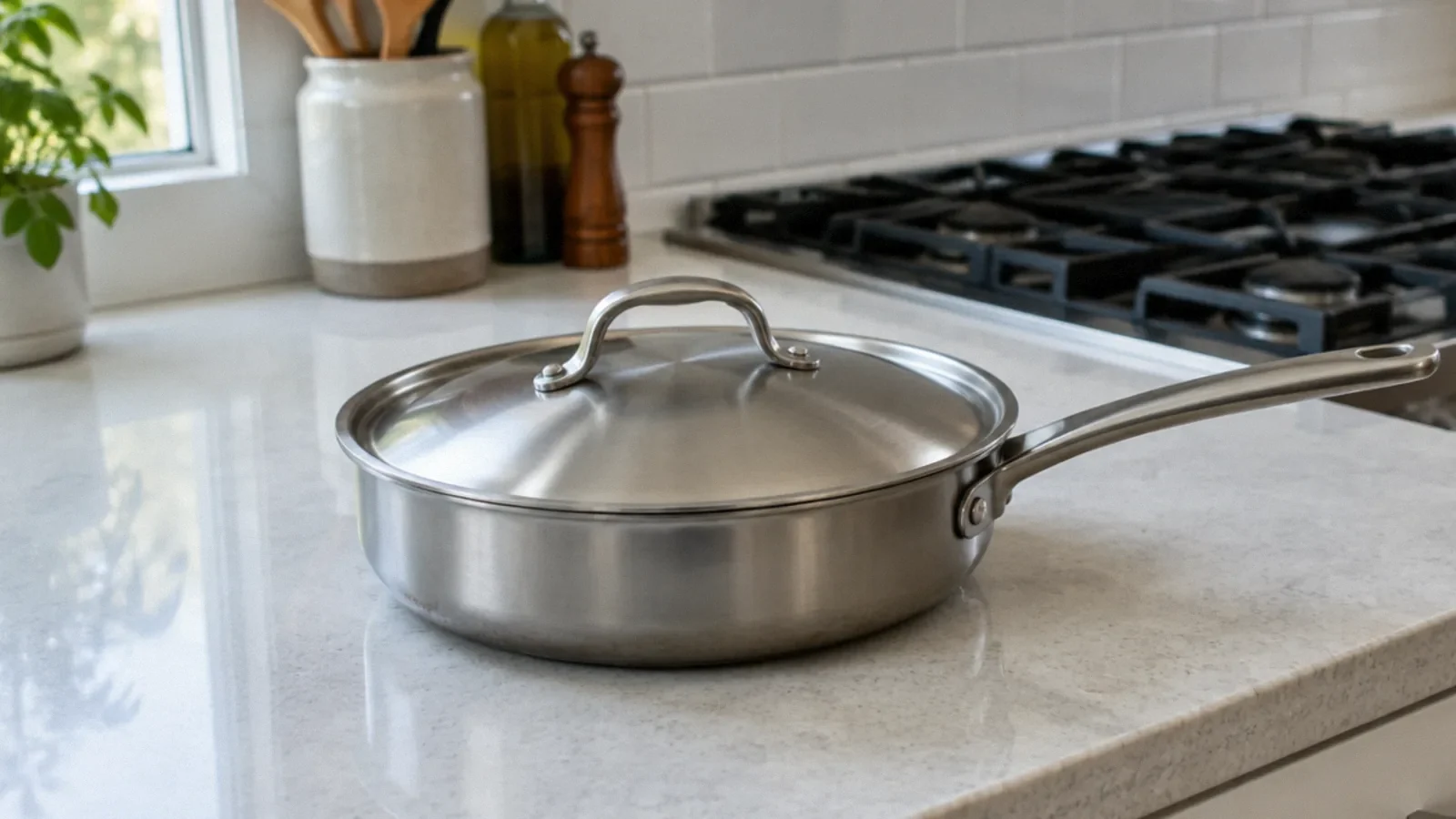
If a grease fire is small and you can act without putting yourself in danger, slide a fitting metal lid over the pan and turn off the burner if it is safe. Leave the pan covered until cool. Never use water or move the pan. If there is any doubt, leave, close the door behind you and call 911 from outside.
Get out if you cannot act safely
A cooking fire can spread quickly from a pan to cabinets, a range hood or clothing. If flames are growing, smoke makes it hard to see, your exit is threatened or you have any doubt about controlling the fire, leave immediately. Bring everyone outside, close the door behind you if possible and call 911 from a safe location. Do not return to retrieve belongings.
Your route out matters more than the pan. The U.S. Fire Administration advises people who are unsure about a cooking fire to get out, stay out and call the fire department from outside. Follow instructions from emergency responders and tell them if anyone may still be inside.
How to cover a small pan fire
Only attempt this if the fire is confined to the pan and a suitable lid is immediately available without reaching through flames. Carefully slide a metal lid or baking sheet over the pan from the side, shielding your hand as the fire administration advises. Turn off the burner if you can do so safely.
Keep the lid in place until the pan has cooled completely. Lifting it early can let oxygen reach hot grease and the fire may start again. Do not carry the pan outdoors or put it in the sink: hot oil can spill and cause serious burns or spread the fire.
Why water is dangerous
Never pour water onto burning grease or oil. Water can cause hot oil and flames to spread violently, putting anyone nearby at risk. Do not use a wet towel or try to move a burning pan under a faucet. A sink is not a safe destination for an oil fire.
Flour, sugar and baking powder are not substitutes for a proper lid or extinguisher. Searching for an ingredient while a fire grows wastes time and can expose you to heat or smoke. If the lid is not immediately accessible, get out and call for help.
Baking soda, salt and flour: do not confuse them
Some fire-safety sources say baking soda or salt can smother a very small contained grease fire, but a fitting metal lid is the clearest immediate option when it can be used safely. Do not waste time searching for ingredients or approach a spreading fire. Leave and call 911 if the fire is not immediately controllable or your exit is threatened. Heated sodium bicarbonate can release carbon dioxide, but its fire-suppression mechanism is more complex than that gas alone; household baking soda is not equivalent to a listed extinguisher.
Never use flour, baking powder or sugar on a fire. These materials can burn or spread flames and are not interchangeable with baking soda. Do not use water on burning oil. Household powders are not a universal extinguisher for electrical, chemical or other fires; a suitable listed extinguisher requires training and a clear escape route.
What if the fire is in the oven?
For a fire contained inside an oven, turn the heat off if you can do so safely and keep the oven door closed. Opening it can introduce oxygen and expose you to heat and smoke. If the fire does not go out, is spreading or you are uncertain, leave and call 911.
Do not remain inside a smoke-filled kitchen to watch the appliance. Once responders say it is safe to return, have the oven and surrounding area assessed before using them again. Hidden heat or damage to electrical and ventilation components may not be obvious.
Fire extinguishers and safe escape
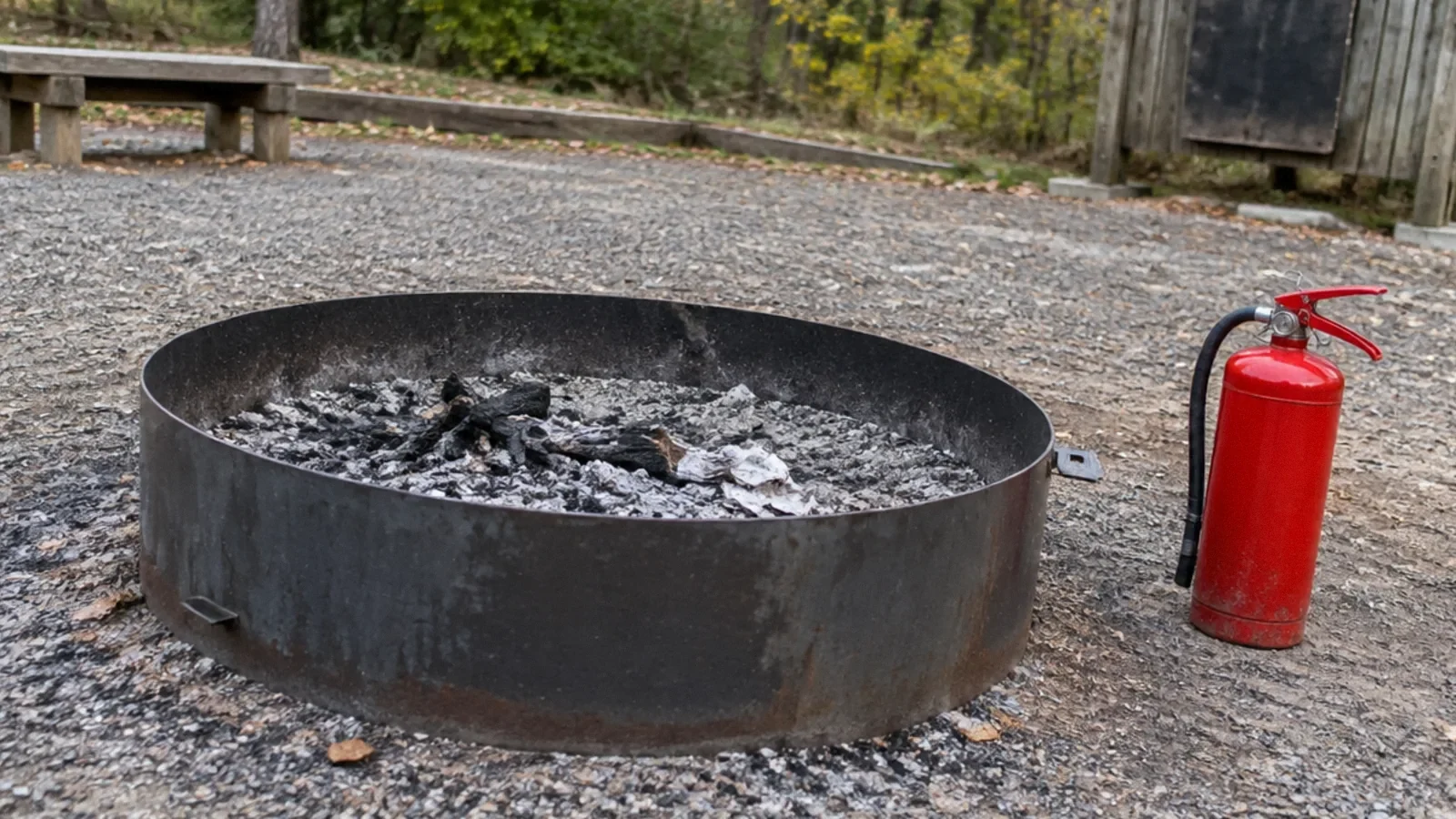
Use an extinguisher only if you are trained, the fire is small and contained, the extinguisher is appropriate for the fuel, and you have a clear escape route behind you. A label indicates the fire classes for which a unit is rated; commercial cooking equipment can require specialized protection. The U.S. Fire Administration identifies Class K for cooking oils and fats, especially commercial equipment, and describes multipurpose ABC units as suitable for many home fires. Read the actual device label and do not infer suitability from its color.
If the extinguisher is empty, ineffective or the fire spreads, leave immediately. Do not assume any extinguisher on hand is suitable for a large commercial fryer or that it makes staying in a dangerous kitchen safe. Local fire officials can explain equipment and training requirements.
If a person is burned or inhales smoke
Move away from the hazard and call emergency services for serious burns, breathing difficulty or any other urgent symptoms. Smoke exposure can be dangerous even when there are no obvious burns. Follow the dispatcher’s instructions while waiting in a safe place.
Do not apply ice, butter or household remedies to a burn. For a minor thermal burn, cool the area under cool running water and seek medical advice when the injury is significant or you are unsure. Do not delay an emergency call to search for supplies.
After the fire is out
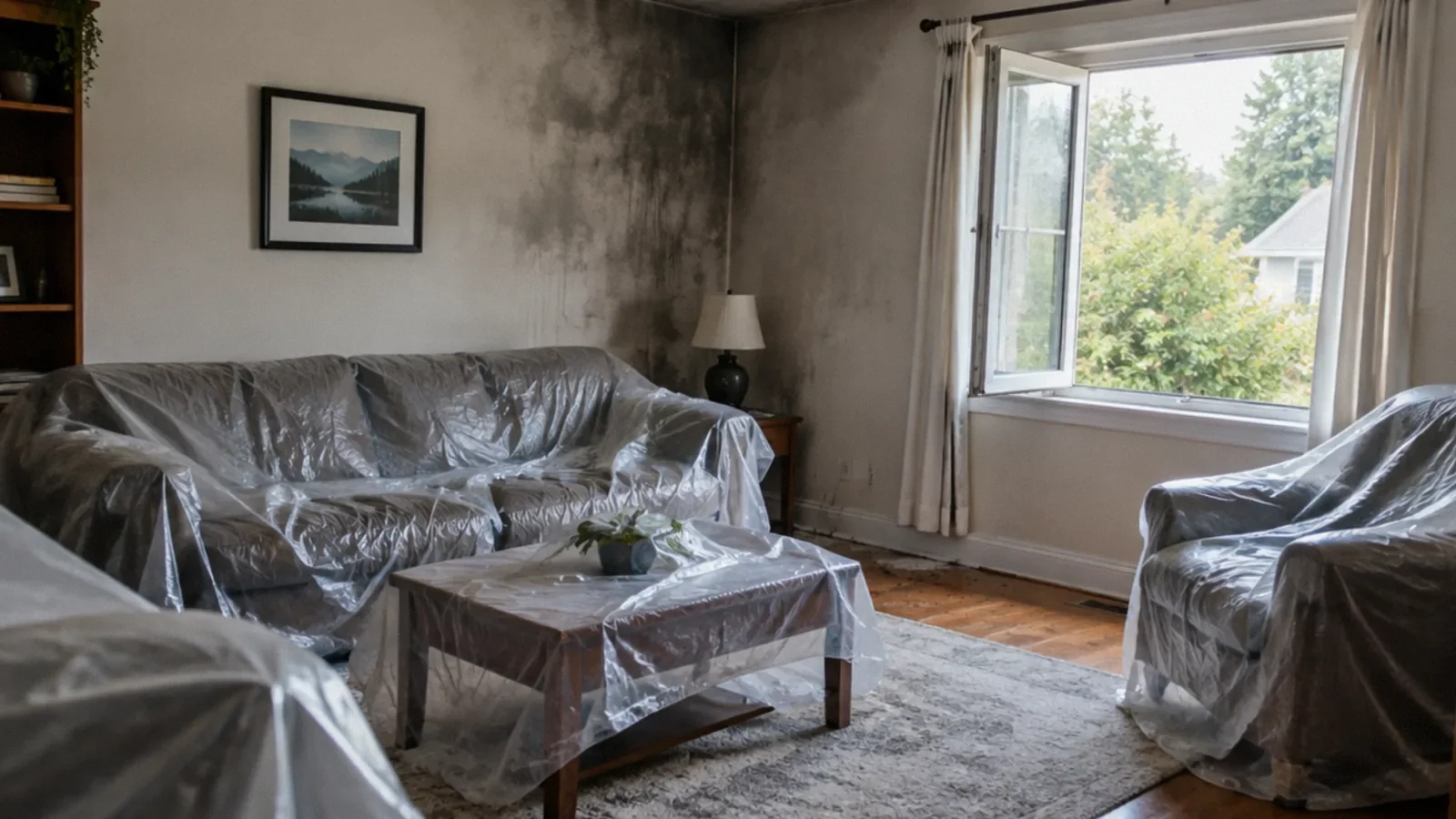
Do not assume an apparently extinguished fire has caused no damage. Heat, smoke and residue can affect cabinets, wiring, ventilation equipment and nearby materials. If emergency responders attended, follow their instructions about when and how to enter the property.
Photograph damage only when the area is safe. Contact your insurer as appropriate, keep receipts and ask qualified professionals to inspect affected appliances and wiring before reuse. Avoid disturbing heavy soot or damaged materials before the scope of cleanup is understood.
How to reduce the risk next time
Stay in the kitchen while frying and keep a fitted lid within reach before heating oil. Turn the burner off if you need to leave, and keep towels, packaging and loose sleeves away from the cooking area. Turn pan handles inward where they cannot easily be bumped. Oil can smoke before it ignites, and ignition conditions differ with the oil and circumstances. There is no single reliable fire temperature for every pan; turn off the heat if oil begins to smoke and never test it by overheating.
Maintain working smoke alarms and practice an escape plan with everyone in the household. These preparations do not make a fire harmless, but they help people notice a problem sooner and leave without spending time deciding where to go.
The limits of kitchen-fire advice
This advice is for a small, contained grease fire in a pan. Salt may cover a very small burning area and restrict oxygen, but it is not a universal fire suppressant; a readily available fitted metal lid is the preferred immediate action only when safe. Do not spend time searching for salt, approach a spreading fire or endanger your exit. If in doubt, leave and call 911 from outside.
A fire elsewhere in a kitchen can involve an oven, appliance, electrical wiring or another fuel. For an oven fire keep the door closed and turn off heat if safe; other fires require the appropriate response and extinguisher rating. If flames escape the appliance, smoke spreads or you are uncertain, evacuate, close the door behind you if possible and call 911. Never apply the grease-fire ingredient advice to every fire.
Your next-step checklist
- Keep an exit clear and leave if the fire is spreading.
- For a small confined pan fire, cover only if safe to do so.
- Turn off the burner if reachable without danger.
- Never add water or carry the pan.
- Call 911 from outside whenever you are unsure.
Related questions
Can I pour water on a grease fire?
No. Water can spread burning oil and cause severe injury. Leave and call 911 if a small pan fire cannot be safely covered.
Can I move the pan outside?
No. A moving pan can spill hot, burning grease. Leave it in place and cover it only if you can do so safely.
Should I open the oven to check the fire?
Keep the door closed, turn off the heat if safe, and leave and call 911 if there is doubt or the fire continues.
Can I use flour on burning oil?
Do not use flour. If an immediately available lid cannot be used safely, evacuate instead of searching for a household powder.
Can baking soda or salt put out a grease fire?
Some fire-safety sources describe them as possible smothering agents for a very small contained grease fire. A metal lid is the preferred immediate option when safe; never use flour, and leave and call 911 if the fire is spreading or you are unsure.
Can milk put out a grease fire?
Do not pour milk or other liquids onto burning grease; splashing can spread the fire. If a small pan fire can be addressed safely, follow established guidance to cover it with a lid and turn off the heat. Otherwise leave and call 911.
Sources & context
Public guidance supports the principles in this article. The practical questions and examples are editorial interpretation, not a site assessment or a coverage decision. State-specific rules apply only where identified.
- U.S. Fire Administration: Cook top fire safetyfederal safety guidance
- U.S. Fire Administration: Cooking fire safetyfederal safety guidance
- American Red Cross: Burnsfirst aid guidance
- University of Illinois Extension: Kitchen fire safetyuniversity safety guidance
- Primary guidance: www.usfa.fema.govprimary guidance
- US Fire Administration: Choosing and using fire extinguishersfederal guidance
- National Bureau of Standards: Fire extinguishment by dry powderfederal research