Water freezes at 32°F, but there is no single outdoor temperature or number of hours at which every pipe will freeze. Exposure, insulation, indoor heat and wind all matter. If you suspect a frozen water pipe, check for leaks, keep clear of electrical hazards and call a plumber if the pipe is inaccessible or damaged. Never use an open flame.
Why a pipe can freeze
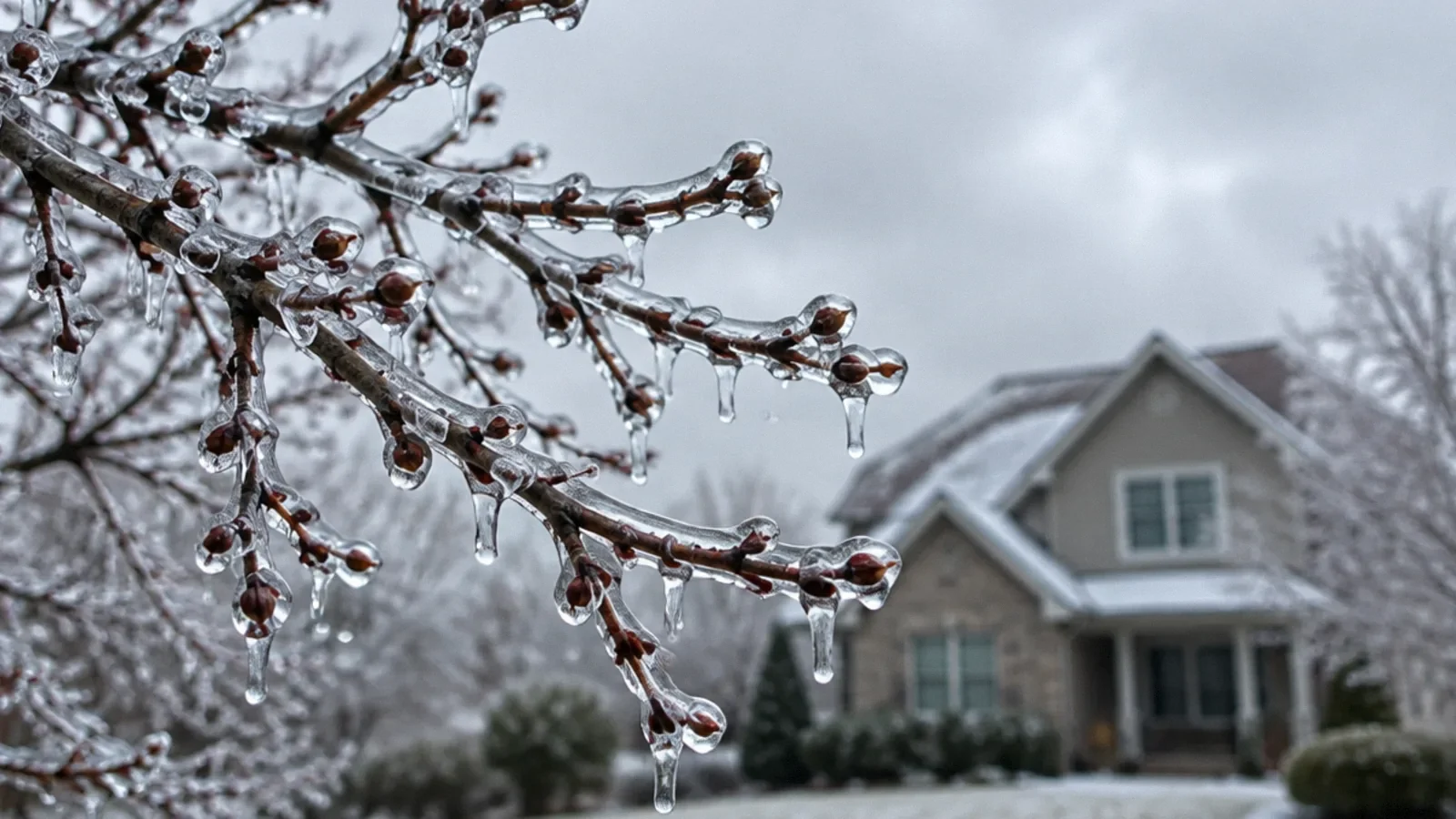
Water inside a pipe can freeze when the pipe and its contents lose enough heat. Pipes in exterior walls, unheated garages, attics or crawl spaces can be especially vulnerable. A cold outdoor reading is one factor; insulation, wind, the duration of cold weather and the temperature around the pipe affect the result.
Water’s freezing point is 32°F under ordinary conditions, but that does not mean every indoor pipe freezes as soon as outside air reaches 32°F. Conversely, a pipe in an exposed area can be at risk even if another part of the home remains warm. There is no dependable universal freezing time for all homes.
Signs of a possible frozen pipe
The American Red Cross notes that a faucet producing only a trickle can indicate a frozen pipe. A lack of water can also result from a shutoff, a utility interruption or another plumbing issue. Note which fixtures are affected and whether a known exposed pipe may be cold.
Look for visible leaking or damaged material from a safe location. Do not enter a flooded crawl space or touch wet electrical equipment to inspect a pipe. If the source is uncertain or a pipe is concealed, contact a licensed plumber rather than opening a wall or applying heat blindly.
A frozen pipe can already be damaged
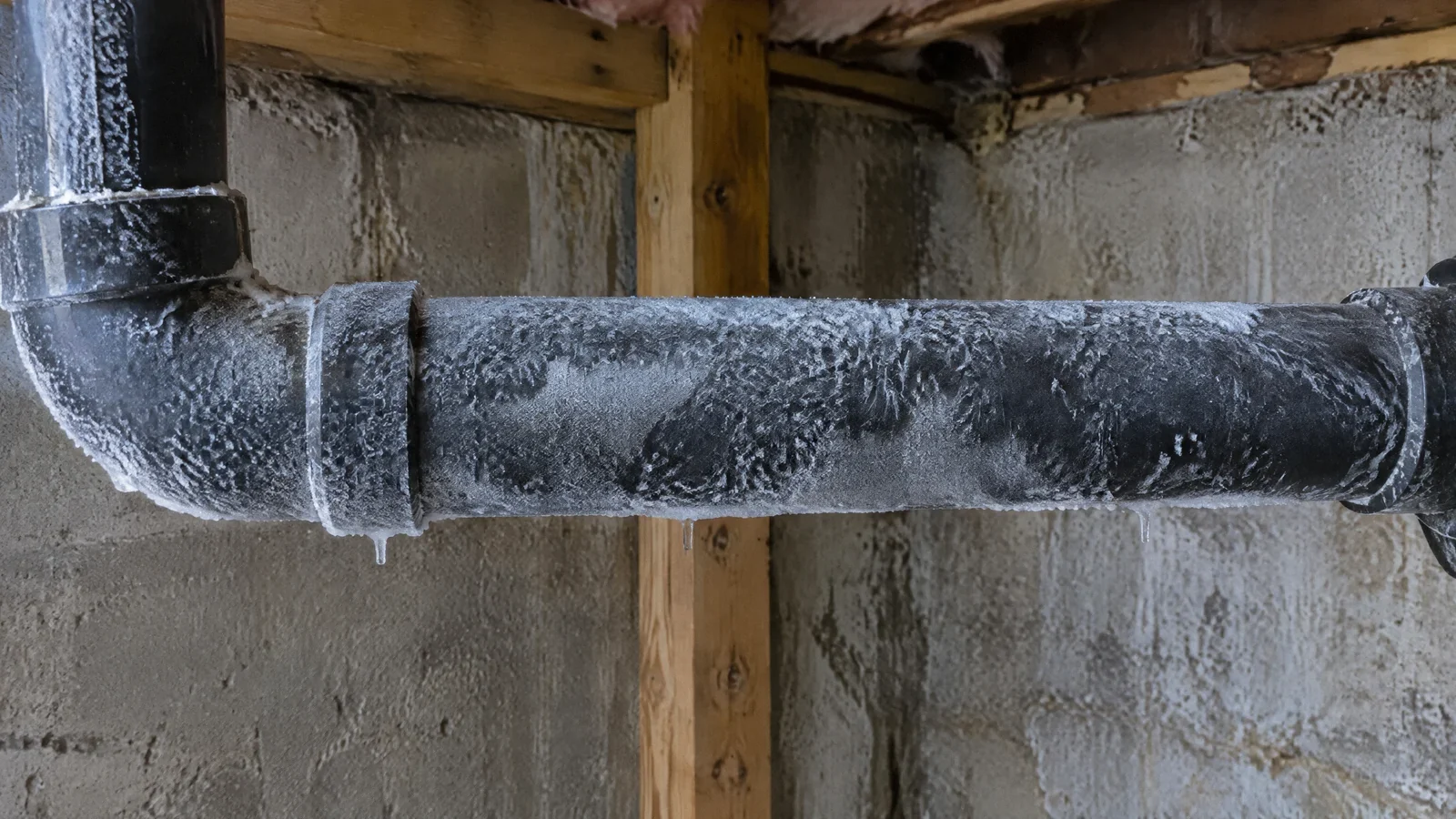
Ice and pressure in a blocked pipe can damage it, and leakage may become apparent as water thaws. Not every frozen pipe bursts. The absence of visible water while the pipe is frozen does not prove the pipe is intact.
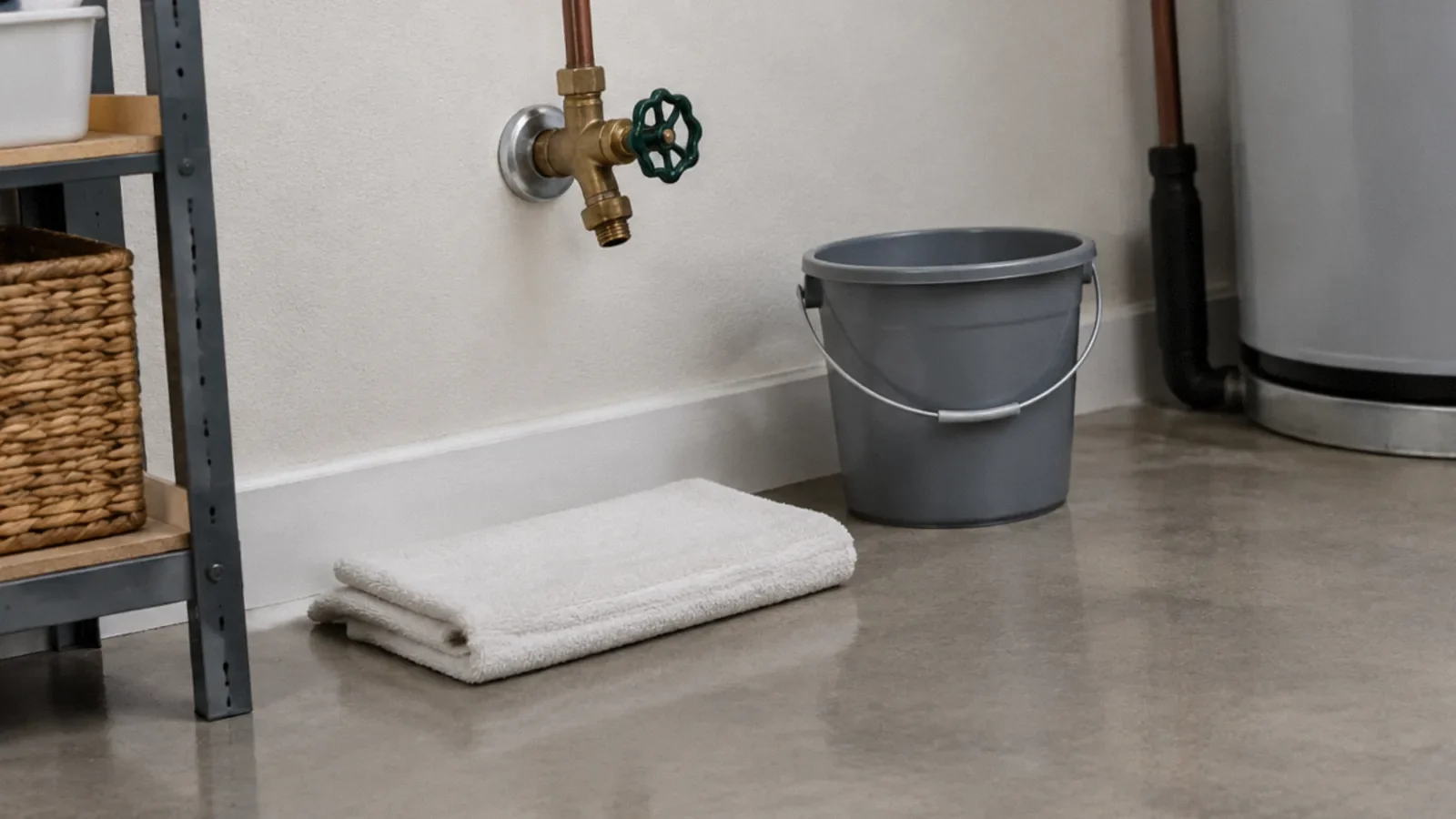
Know where the main water shutoff is before attempting any safe thawing. If a pipe is leaking, close a clearly identified shutoff only if it can be reached safely and contact a plumber. Keep people away from water near electrical equipment or an unstable ceiling.
Thawing an accessible pipe
The Red Cross advises keeping the served faucet open while treating a frozen pipe so water can flow as ice melts. For a safely accessible, intact pipe, its guidance includes wrapping the pipe with towels soaked in hot water. Follow manufacturer instructions for any equipment and avoid electrical devices near water.
Never use a blowtorch, propane or kerosene heater, charcoal stove or another open flame. Such devices can ignite nearby materials or create carbon monoxide hazards. If the frozen section cannot be located or reached safely, or thawing does not restore flow, call a licensed plumber.
If water begins to leak
Stop using affected fixtures and close a known water shutoff only if it is safely accessible. Keep away from water near outlets, appliances and electrical panels. If a ceiling is sagging or water is entering a dangerous area, keep people clear and request qualified assistance.
Document damage when safe and contact the property manager or insurer as appropriate. A plumbing repair may stop the water, but wet insulation, flooring or wall cavities still need assessment and drying. Retain the plumber’s findings and any photographs or receipts.
Preventing the next freeze
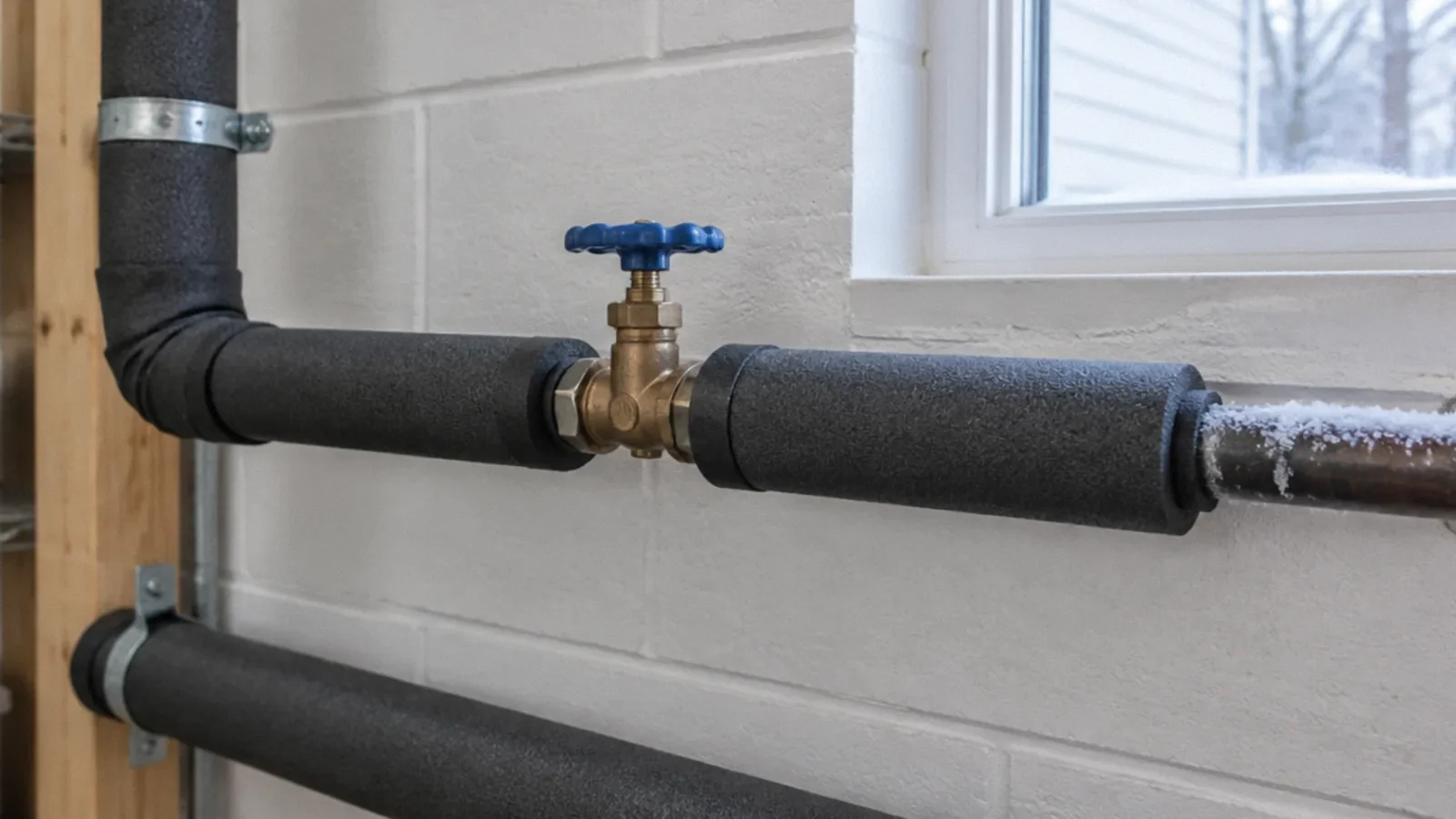
Insulate exposed water lines as appropriate, close garage doors where supply lines are present and maintain indoor heat. The Red Cross suggests allowing warmer room air to reach kitchen and bathroom plumbing by opening cabinet doors, while keeping household chemicals away from children.
During very cold weather, a small drip from a faucet served by exposed pipes may help prevent freezing; follow local water guidance. For an absence, the Red Cross recommends leaving heat on at no lower than 55°F. A professional can assess persistent cold spots, insulation and pipe routes.
How long will thawing take?
There is no reliable time that applies to every frozen line. Pipe material, access, how much water is frozen and surrounding temperatures vary. A quick result at one fixture does not prove that all pipes are flowing or that a damaged section is sound.
Monitor safely for leakage as service is restored and ask a plumber to inspect recurring problems. Do not speed the process with an open flame or leave makeshift heaters unattended. The practical objective is safe flow and a sound pipe, not the fastest possible thaw.
What if a drain pipe freezes?
Drain pipes carry wastewater and need a different assessment from supply pipes. Stop using the affected fixture if it may overflow; keep clear of sewage and ask a plumber for help. See the separate frozen drain guide for more detail.
Your next-step checklist
- Identify the main water shutoff before a freeze.
- Keep clear of water near electrical equipment.
- Never use an open flame to thaw a pipe.
- Call a plumber for concealed, inaccessible or leaking lines.
- Check safely for leaks as water returns.
Related questions
At what temperature do pipes freeze?
Water freezes at 32°F, but the outdoor temperature and time needed for a specific pipe to freeze depend on its conditions.
Do frozen pipes always burst?
No. However, a frozen pipe may already be damaged and leakage can appear as it thaws.
Can I use a blowtorch to thaw a pipe?
No. The Red Cross warns against open flames. They can ignite materials and create other hazards.
How long does it take to thaw frozen pipes?
There is no universal time. Call a plumber if the pipe is inaccessible, damaged or cannot be safely thawed.
Sources & context
Public guidance supports the principles in this article. The practical questions and examples are editorial interpretation, not a site assessment or a coverage decision. State-specific rules apply only where identified.
- American Red Cross: Preventing and thawing frozen pipesemergency safety guidance
- CDC: Avoiding carbon monoxide poisoningfederal health guidance
- U.S. EPA: Mold preventionfederal guidance