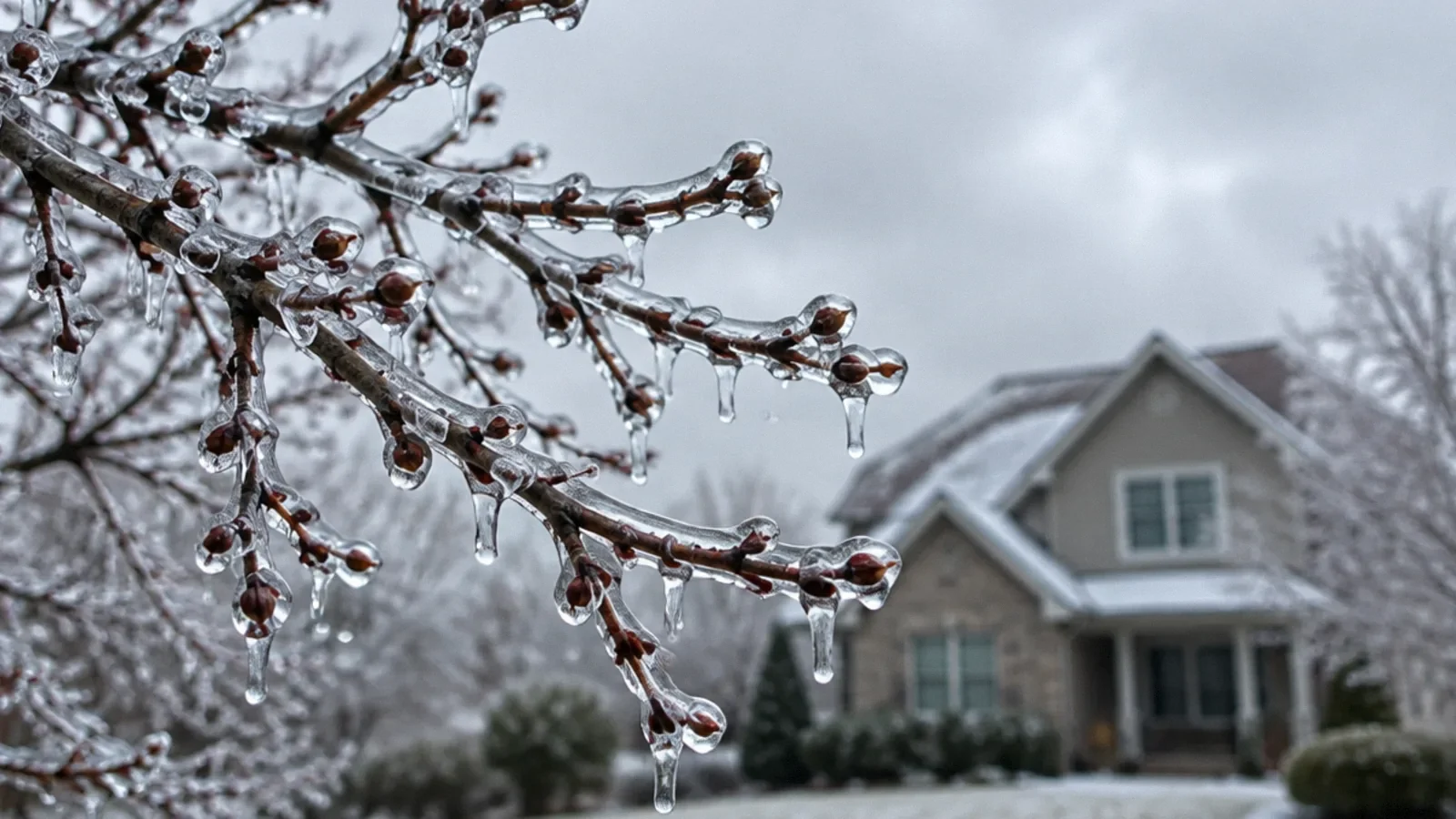
An ice storm is a period of significant freezing rain that deposits ice on exposed surfaces. Rain can remain liquid while falling through a shallow cold layer and freeze on contact with a surface at or below freezing. Ice can make travel dangerous and add weight to trees and power lines.
How freezing rain forms
The National Weather Service explains that precipitation can begin as snow high in a storm, melt while passing through a warm layer, then fall through a shallow layer of below-freezing air near the ground. The drops can remain liquid until they contact a sufficiently cold surface, where they freeze and create a glaze.
When freezing rain accumulates significantly over several hours or more, the event may be described as an ice storm. Exact warning criteria and forecasts are issued by the responsible weather office. The amount of ice on a road, branch or wire can differ because surface conditions are not identical.
Freezing rain, sleet and snow
Sleet consists of frozen pellets that form when melted precipitation refreezes before reaching the ground. Freezing rain reaches the surface as liquid and freezes on contact. Snow reaches the ground as ice crystals when the atmospheric temperature profile supports it remaining frozen.
A single winter storm can bring more than one type of precipitation. A location near the boundary between rain and ice may experience rapid changes as temperatures shift. Read the local forecast and warning details instead of assuming that all precipitation in a cold storm behaves alike.
Why a thin glaze can be dangerous
Even a small accumulation can make sidewalks, steps, bridges and roads slippery. Ice can be difficult to see, especially in darkness. Heavier accumulation adds weight to branches and power lines, potentially causing breakage and power outages. Wind can increase stress on already iced trees and lines.
Conditions vary from one surface to another. A road that looks wet may be icy, and a treated main road does not establish that a driveway or bridge is safe. Follow local travel restrictions, avoid unnecessary trips and allow emergency crews room to work.
Prepare before freezing rain
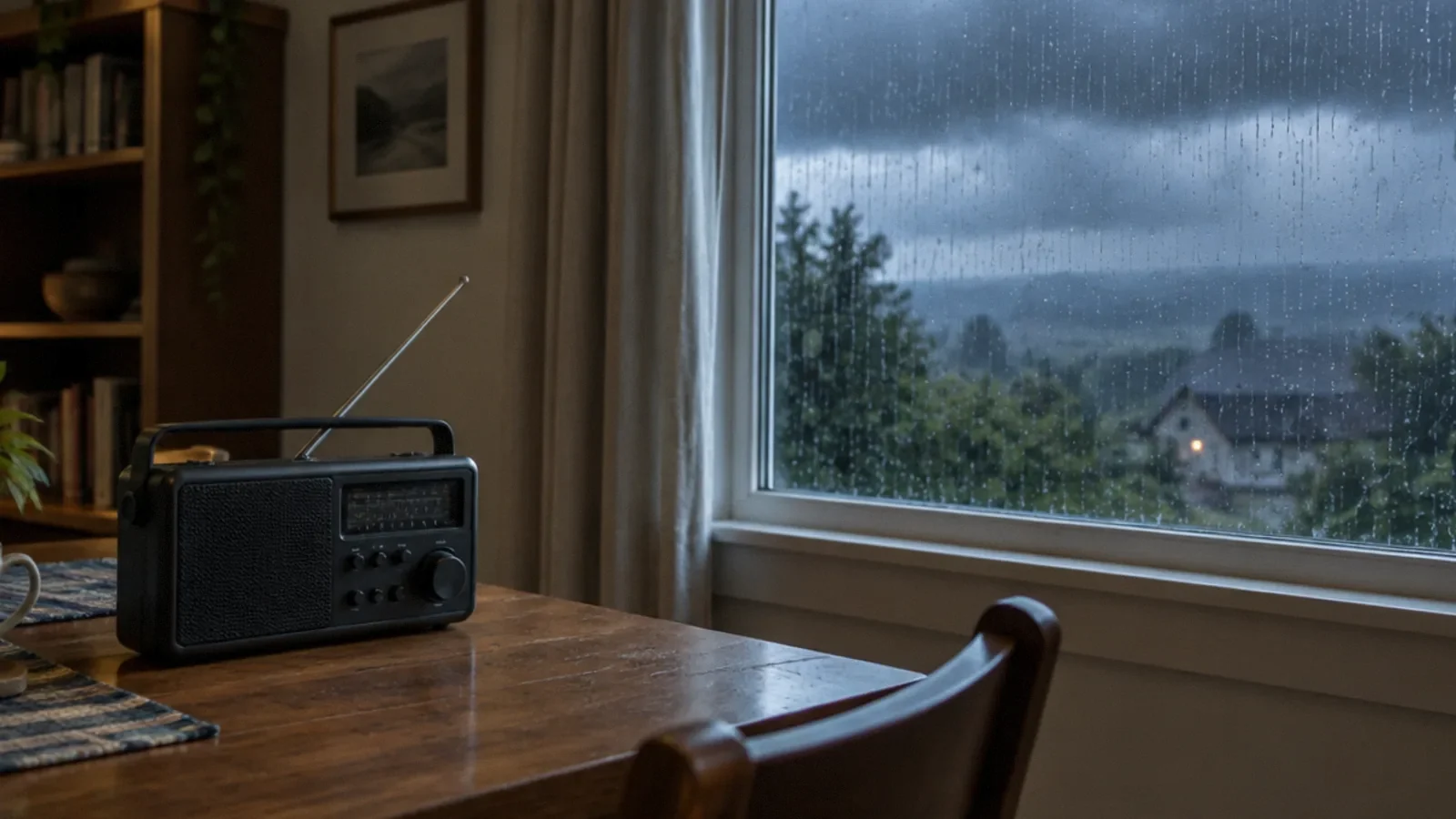
Monitor National Weather Service forecasts and local alerts. Assemble necessary medication, water, food that needs no cooking, flashlights and batteries. Charge essential devices and plan how household members will communicate if power or mobile service fails. Consider the needs of anyone who relies on electrically powered medical equipment.
Bring pets indoors and secure outdoor items before conditions deteriorate when it is safe to do so. Know where to find a local warming center if needed. Do not wait until trees and lines are already coated with ice to plan a route or emergency supplies.
Power outages and heating safety
Keep away from downed power lines and anything in contact with them; report them to the utility or emergency services. Never assume that a line is de-energized. Avoid touching damaged electrical equipment or entering standing water that may contact electricity.
Use generators outdoors at least 20 feet from doors, windows and vents, following the manufacturer’s instructions, and use a battery-operated or battery-backup carbon monoxide detector. Never operate one in a garage, basement or other enclosed space. Fuel-burning equipment can produce carbon monoxide; working carbon monoxide alarms and safe operating practices are essential.
During the storm
Stay indoors when possible and avoid travel on icy surfaces. If you must go out, follow local guidance and use appropriate footwear; do not stand under ice-laden branches. Keep pathways clear only when conditions allow it to be done safely, and avoid overexertion in cold weather.
Never use a stove or oven as a substitute for a safe heating system. If the home becomes unsafe due to cold, contact local authorities about shelter options. Follow instructions from the utility and emergency officials, especially if medical needs or a prolonged outage make remaining at home unsafe.
What happens after the ice melts?
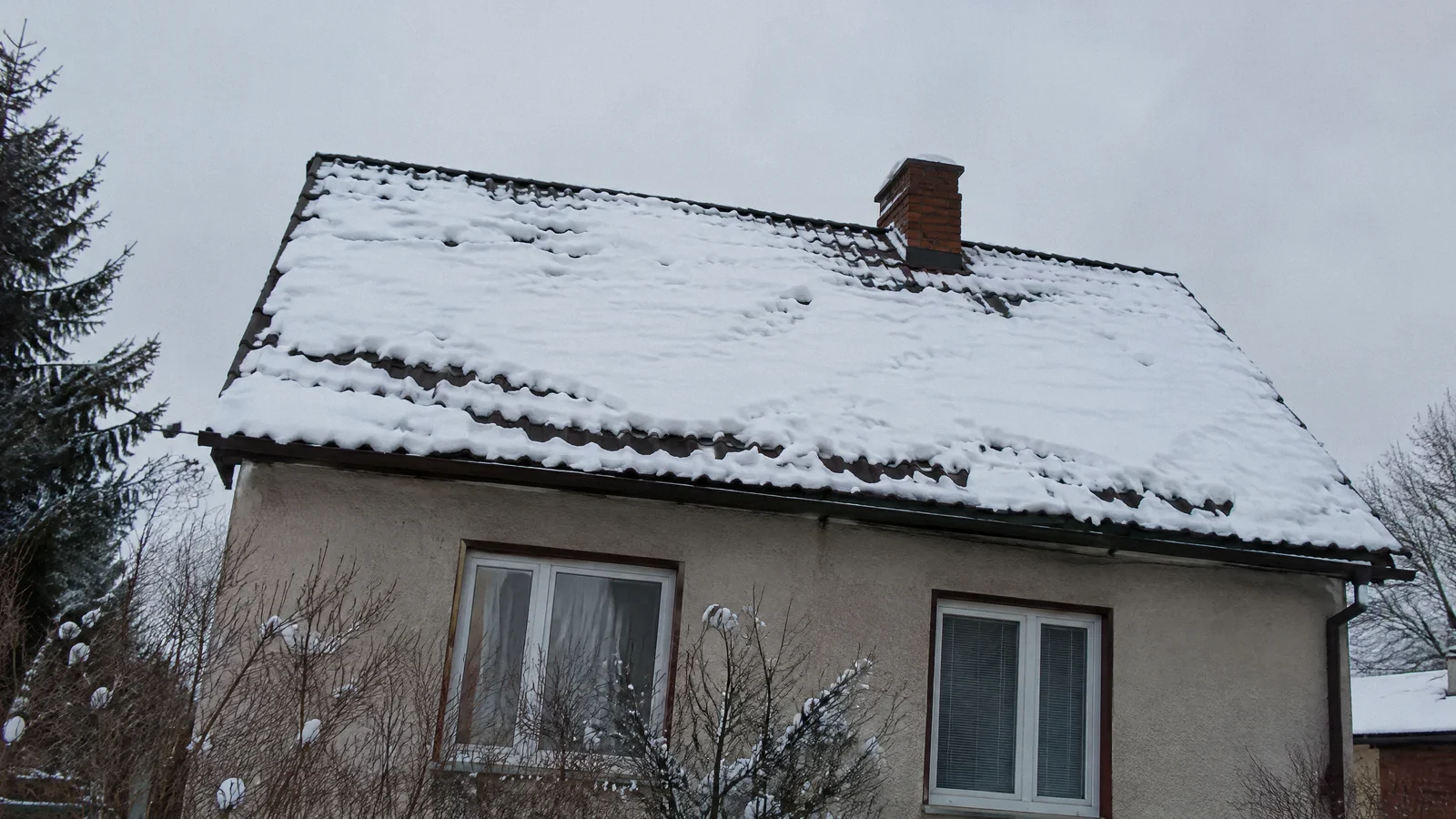
Branches, roofs and power lines can remain hazardous after precipitation stops. Wait for professionals to handle damaged lines or trees near them. Melting ice or snow can also reveal roof leaks, blocked drainage or water intrusion. Do not climb onto an icy or damaged roof to investigate.
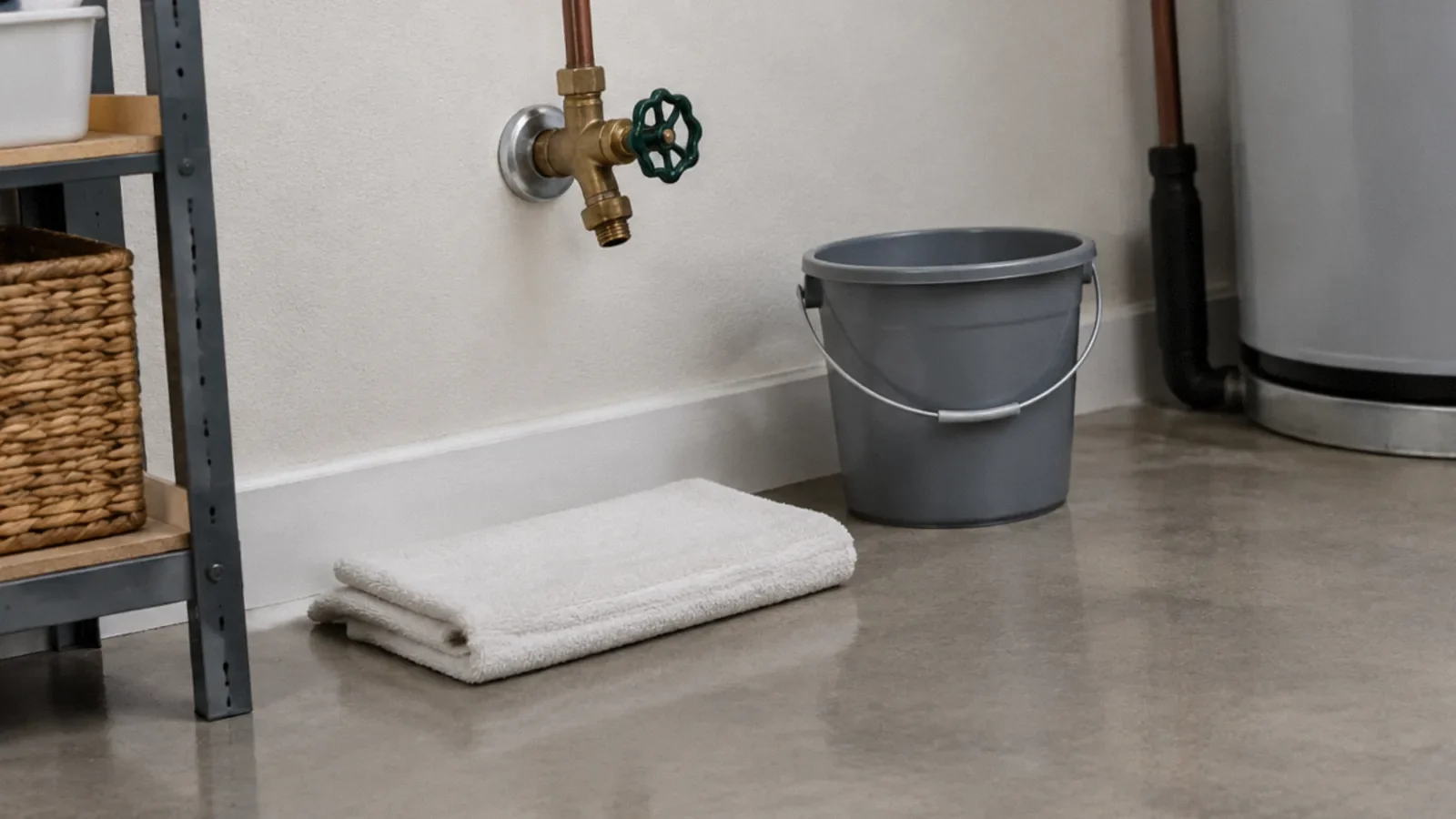
If water enters the building, stay clear of electrical hazards and document damage when safe. Arrange qualified help for damaged utilities or structural concerns. Drying and repairs should address the source of water, not only the visible stain.
Understand the alert
A winter storm watch signals the possibility of significant winter weather; a warning means a hazardous event is occurring or expected. An advisory can still describe conditions that make travel hazardous. Read the full message for the affected area, timing and recommended action.
A forecast ice total is an estimate and may describe a particular type of surface; actual accumulation can vary. Keep checking updates as conditions change. The separate guide to watches and warnings explains how those terms differ.
Your next-step checklist
- Monitor local forecasts and travel instructions.
- Prepare for outages and essential medical needs.
- Stay away from downed power lines and ice-laden branches.
- Run generators outdoors and away from building openings.
- Investigate water intrusion only when it is safe to enter.
Related questions
What causes an ice storm?
Significant freezing rain accumulates on surfaces when the atmospheric temperature layers allow liquid drops to freeze on contact.
Is freezing rain the same as sleet?
No. Sleet freezes into pellets before reaching the ground; freezing rain remains liquid until it contacts a cold surface.
Can a small amount of ice be dangerous?
Yes. A thin glaze can make roads, bridges and walkways very slippery.
Why do ice storms cause power outages?
Ice adds weight to branches and power lines, which can break or fall, especially when wind adds stress.
Sources & context
Public guidance supports the principles in this article. The practical questions and examples are editorial interpretation, not a site assessment or a coverage decision. State-specific rules apply only where identified.
- National Weather Service: Sleet versus freezing rainofficial weather science
- National Weather Service: Winter alertsofficial weather safety guidance
- National Weather Service: Ice stormsofficial weather safety guidance
- CDC: Carbon monoxide preventionpublic health guidance