Know your flood risk and evacuation routes in advance. Follow official alerts, move to higher ground or evacuate when directed, and never walk or drive through floodwater. Return only when authorities say it is safe and watch for structural, electrical and contamination hazards.
Before a flood: understand your risk
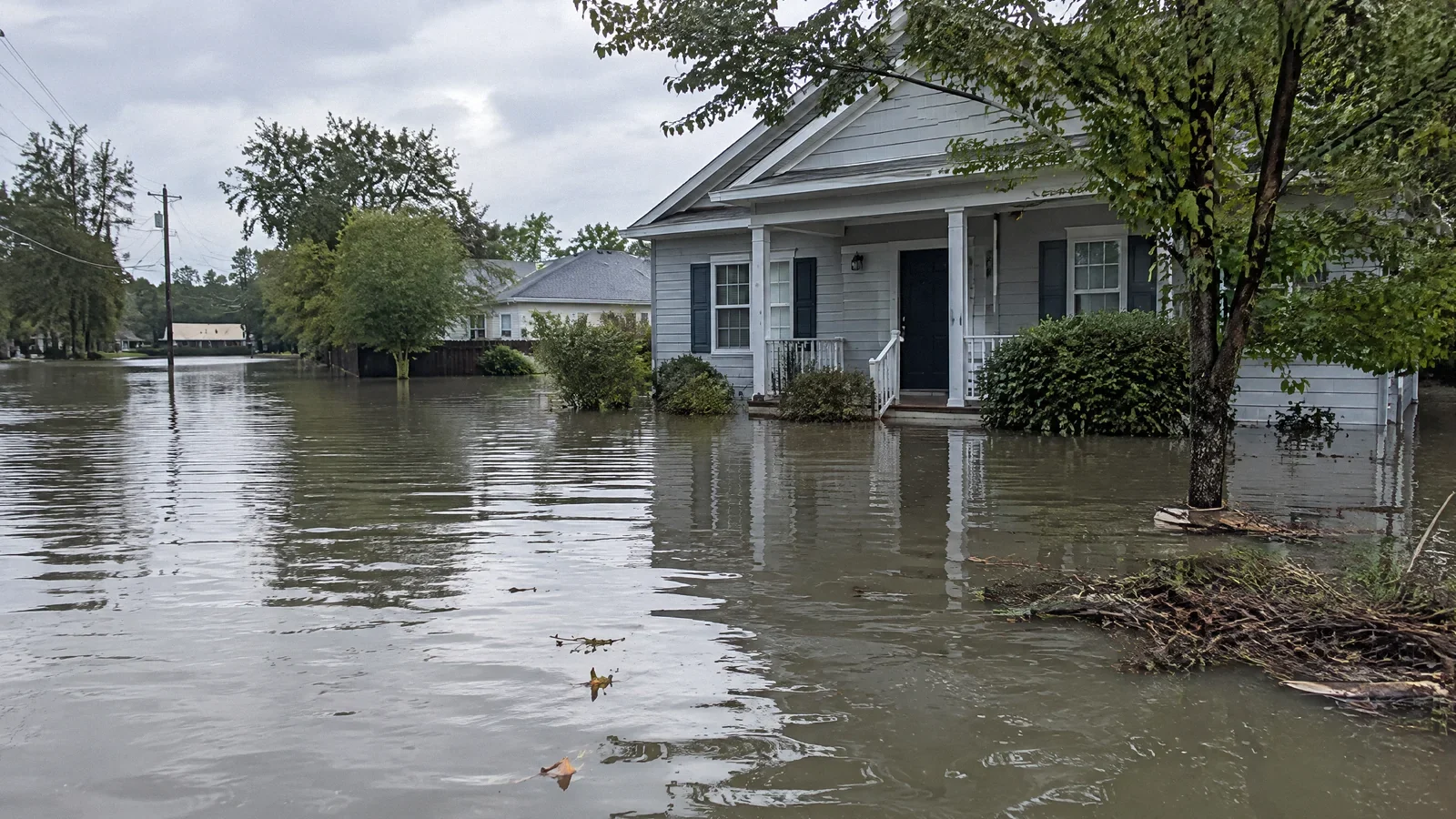
Flooding can follow heavy rain, overflowing waterways, coastal storms or other events. Flash floods can develop rapidly, including in places that have not recently flooded. Check official flood maps and local emergency information, but do not treat a location outside a mapped high-risk area as a guarantee of safety. Learn how your community sends warnings and sign up for local alerts. A NOAA Weather Radio and a charged phone provide additional ways to receive information.
Make a household plan for home, work and school. Identify routes to higher ground, a meeting place, an out-of-area contact and arrangements for children, older adults, people with disabilities and pets. Practice the plan. Consider how you will leave if your usual route becomes impassable, and follow local instructions instead of relying solely on navigation apps.
Prepare supplies and records
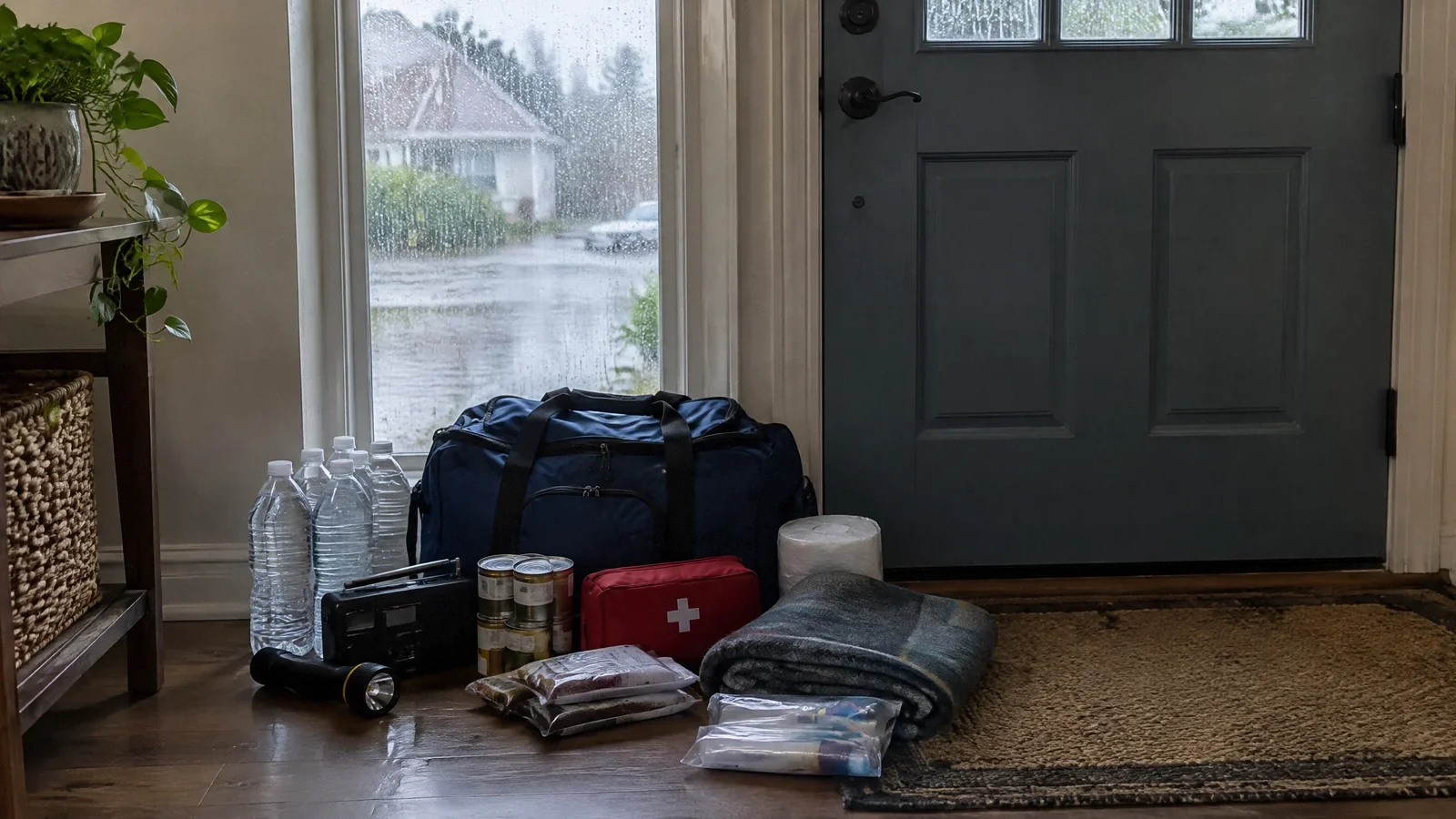
Pack an accessible emergency kit with drinking water, necessary medications, a flashlight, batteries or charging equipment, basic supplies and copies of important documents. Include items for pets and any medical equipment needs. Keep shoes and a phone nearby when severe weather is expected. Review the kit periodically and replace expired items.
Photograph belongings and keep an inventory and insurance information somewhere accessible outside the home. Review your policy before an emergency: flood coverage and other property coverage can differ, and eligibility, exclusions and waiting periods depend on the policy. Ask your insurer or agent about your situation. If time and conditions permit, move important items to a higher level, but never delay evacuation to protect property.
When a warning is issued
Pay attention to official alerts and local responders. If told to evacuate, leave immediately by the recommended route. If flash flooding threatens, move to higher ground promptly; do not wait for water to enter your home. Conditions can change faster than they appear from a window. Follow instructions about shelters and bring essential medication, identification and supplies if doing so does not delay departure.
Do not walk, swim or drive through floodwater. The water can conceal missing pavement, debris, open drains or electrical hazards, and moving water can sweep people and vehicles away. Never drive around a barricade. If a road is flooded, turn around and find a safe route. Do not attempt to retrieve a vehicle or belongings from rising water.
If you cannot evacuate
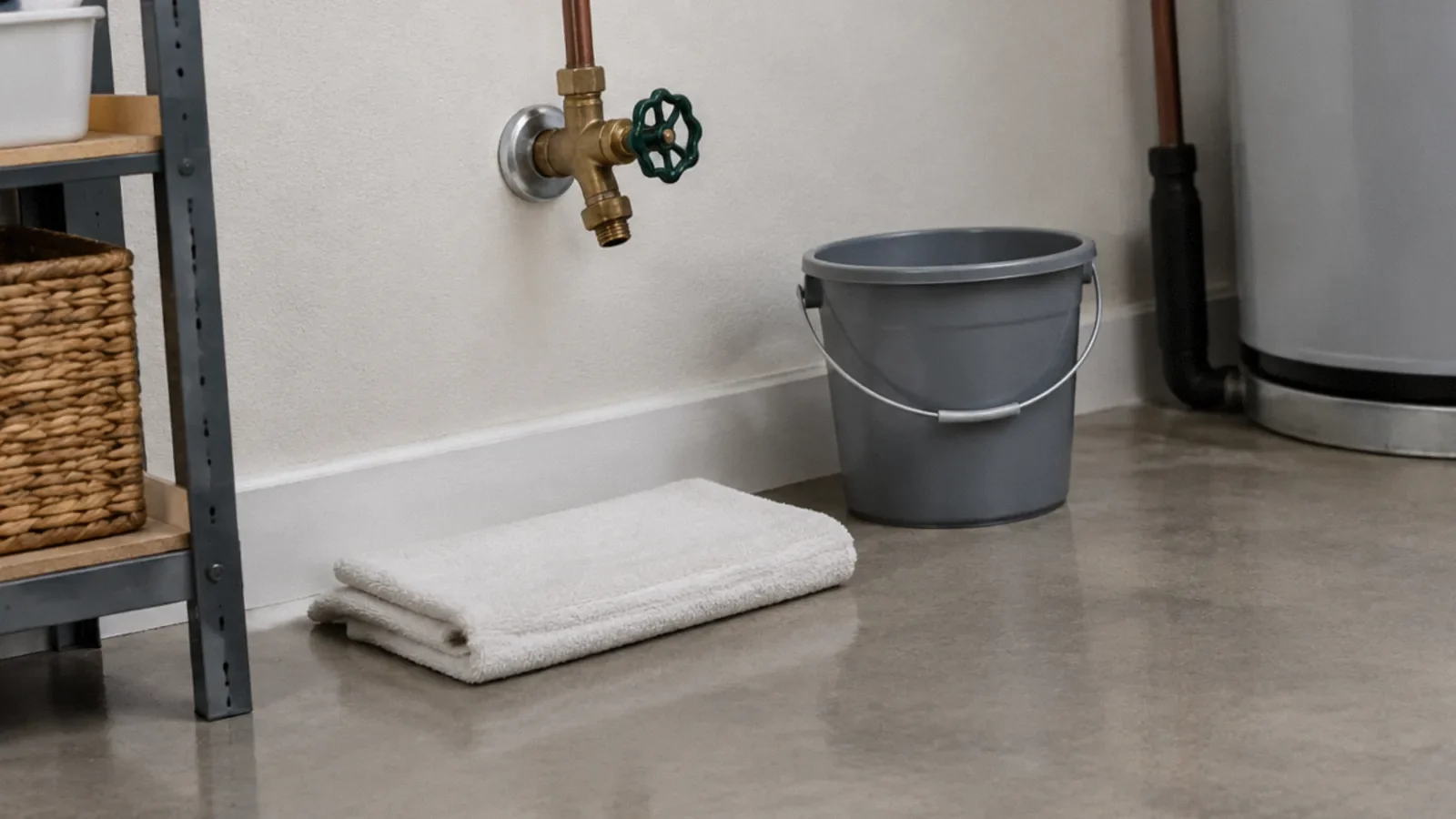
Move to the highest safe level of a sturdy building and call emergency services if you need rescue. Follow local instructions. Do not enter a closed attic where rising water could trap you. Go onto a roof only if necessary and signal for help, as advised by emergency authorities. Keep away from electrical equipment and do not enter a flooded basement to operate a switch.
If you encounter a trapped person, call emergency services rather than entering moving water yourself. Floodwater can contain sewage, chemicals and debris as well as hidden electrical hazards. Even shallow water can be dangerous, and the safest choice is to avoid contact entirely. Continue monitoring emergency information as long as you can do so safely.
After the water recedes: return carefully
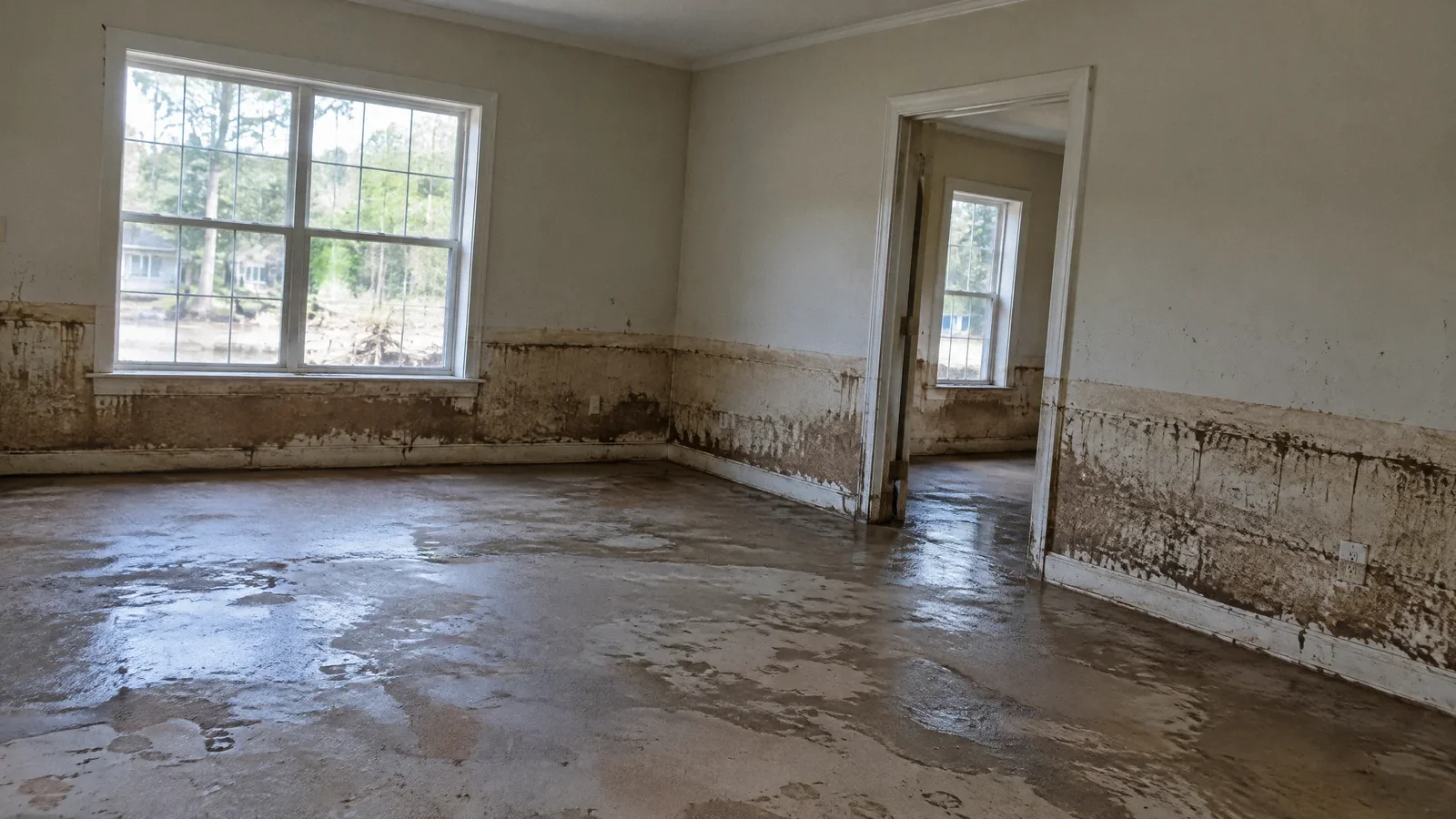
Return only when officials say it is safe. Floodwater can undermine foundations, damage roads and leave buildings structurally unstable. Stay away from downed lines and report them to the utility or authorities. If the building has shifted, walls are leaning or you suspect gas or electrical damage, remain outside and seek professional help. Do not use fuel-burning generators indoors or near doors, windows or vents; carbon monoxide can accumulate.
CDC warns that a flooded home may contain sewage and mold. Avoid contact with floodwater and damaged materials until hazards are assessed. If electricity is not confirmed safe, do not enter standing water or touch electrical equipment. Ask the utility or a qualified electrician for assistance. Use a safe water supply and follow local boil-water or well-water instructions.
Document, clean and plan repairs
Contact your insurer as soon as practical and ask how to document the damage. When safe, photograph water levels and affected belongings, list damaged items and keep receipts. Ask before discarding items where practical, while following health and safety instructions. Coverage and reimbursement depend on the policy and claim review.
Floodwater may carry sewage and chemicals. Porous materials that cannot be cleaned and dried may need to be discarded; extensive contamination or damage calls for qualified cleanup help. Do not mix cleaning chemicals. Arrange drying and repair of the water source and damaged building components, and check local permit requirements before rebuilding. Restoration can take time, so ask professionals what has been inspected, what remains wet and when the building can be occupied safely.
Keep contact information for your insurer, landlord and local emergency management office with your records.
Your next-step checklist
- Sign up for alerts and plan routes to higher ground.
- Prepare supplies, medications and copies of records.
- Evacuate promptly when directed.
- Never walk or drive through floodwater.
- Return only with official clearance and arrange qualified hazard assessment.
Related questions
Can I drive through shallow floodwater?
No. Depth, current and road damage can be difficult to judge. Turn around and follow a safe route.
Should I go into a flooded basement to turn off power?
No. Avoid water and electrical equipment; contact the utility or a qualified electrician.
When can I return home?
Follow local authorities and return only when they say it is safe. A separate structural and utility assessment may still be needed.
Sources & context
Public guidance supports the principles in this article. The practical questions and examples are editorial interpretation, not a site assessment or a coverage decision. State-specific rules apply only where identified.