During shaking, protect yourself where you are: California guidance recommends Drop, Cover and Hold On, or Lock, Cover and Hold On for a person using a wheelchair. Stay away from windows and falling objects. After shaking stops, watch for hazards, aftershocks and official instructions.
Prepare before an earthquake
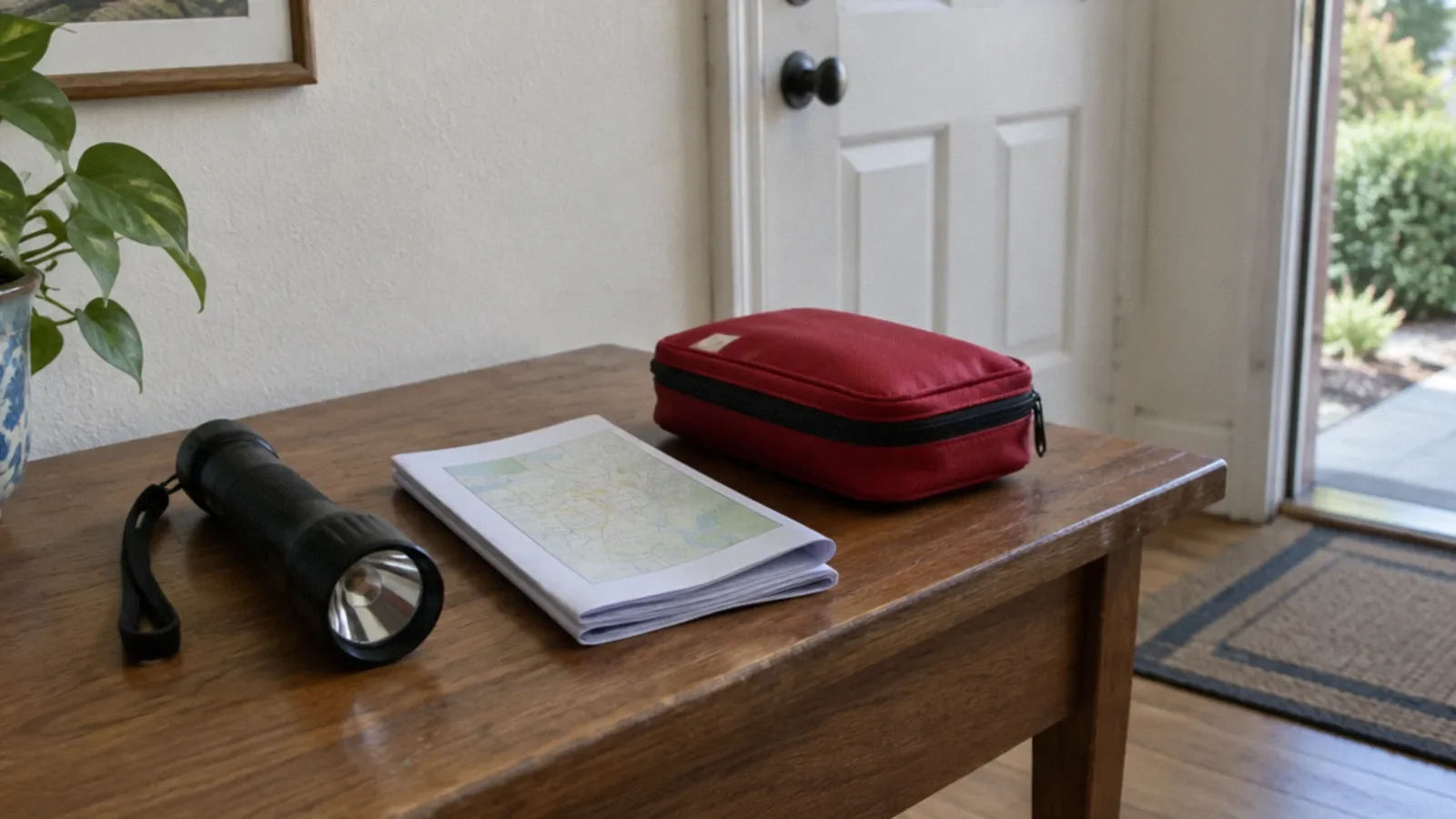
Secure tall furniture and heavy objects, identify safer places in each room and practice protective actions with everyone in the household. Store essential water, food, medications, a flashlight and other supplies appropriate to your needs. Plan how to contact family members if normal communications fail.
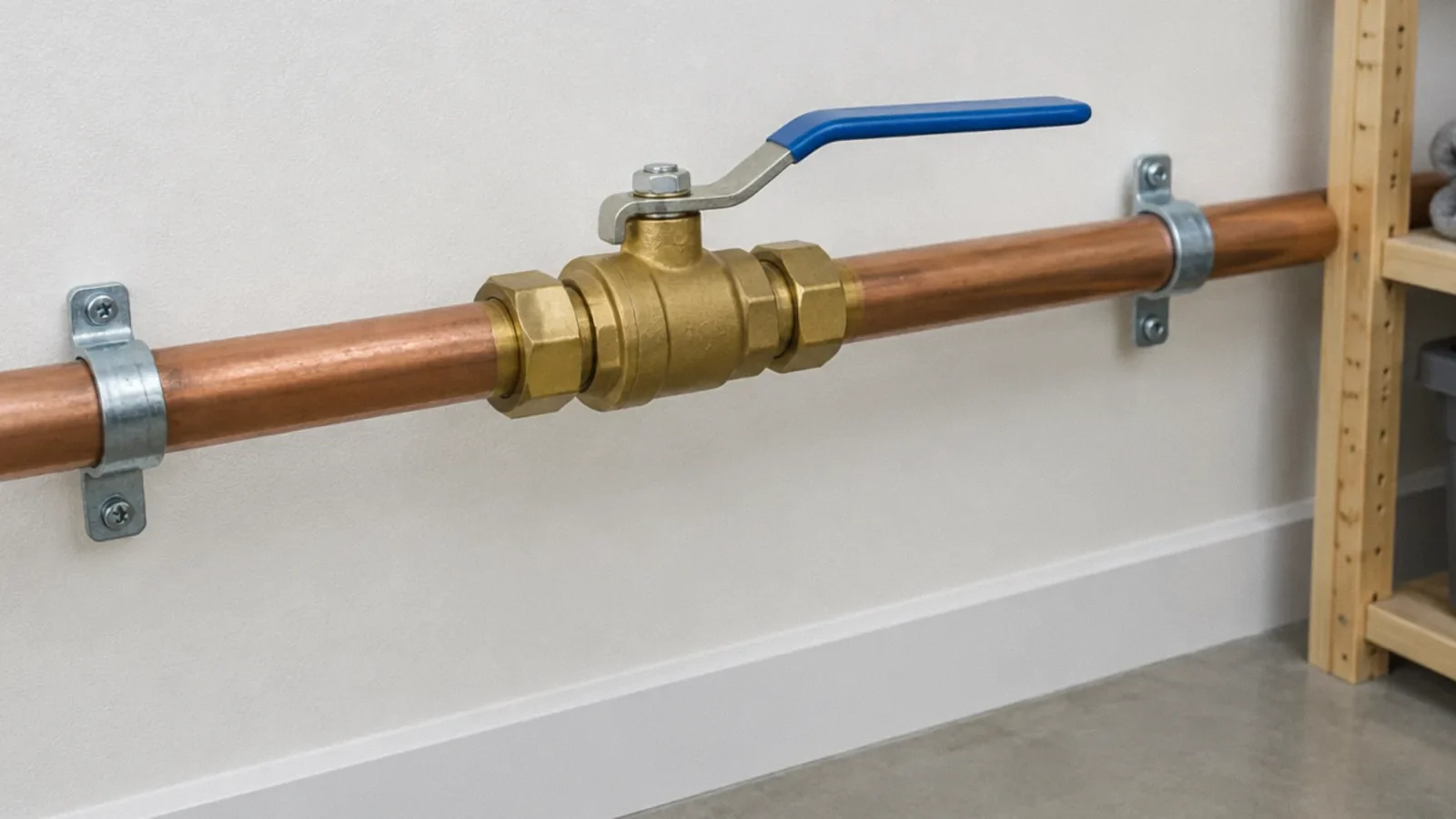
Review the building’s gas, electrical and water shutoff procedures in advance, but do not turn utilities off unnecessarily. Follow your utility’s safety instructions and seek qualified help for repairs. A preparedness plan should also account for children, pets, disability-related needs and mobility equipment.
If you are indoors
California’s earthquake readiness guidance says to Drop, Cover and Hold On. Get low, protect your head and neck and, if a sturdy table or desk is nearby, take cover under it and hold on. Stay away from windows, heavy furniture and objects that may fall.
Do not run outside or down stairs while the building is shaking; falling debris and loss of balance can cause injury. If there is no suitable shelter nearby, protect your head and neck and move only as needed to a safer position, following official guidance.
If you use a wheelchair or cannot drop
California guidance includes Lock, Cover and Hold On for people using a wheelchair. Lock the wheels, protect your head and neck as best you can and hold on until the shaking stops. Adapt the action to your equipment and abilities.
If seated and unable to get to the floor, FEMA guidance recommends bending forward, covering the head and holding the neck. Practice a plan with caregivers or household members before an emergency rather than waiting to decide during shaking.
If you are in bed or outdoors
If you are in bed, California guidance advises staying there, turning face down and protecting your head and neck with a pillow until the shaking stops. Move only if an immediate hazard makes the location unsafe.
Outdoors, protect yourself and move away from buildings, trees, signs, power lines and other falling hazards when you can do so safely. Do not stand near exterior walls or beneath damaged electrical lines after the shaking.
If you are driving
Pull over safely, stop and set the parking brake. Avoid stopping beneath bridges, power lines, trees or signs where possible. Remain in the vehicle until shaking stops and follow local emergency instructions.
When it is safe to continue, watch for damaged pavement, debris, downed lines and emergency vehicles. Do not drive through flooded roads or across a visibly damaged bridge. If a power line contacts the vehicle, follow emergency responders’ directions.
Expect aftershocks and check for injury
After the initial shaking, check yourself and others for injury and call 911 for a life-threatening emergency. Expect aftershocks and be ready to repeat the protective action. Wear sturdy shoes and avoid broken glass and unstable objects.
Leave a damaged building when it is safe to do so, using stairs rather than elevators. Do not reenter until officials or qualified professionals say it is safe. Follow local instructions for evacuation, shelter and possible tsunami hazards near the coast.
Gas, electricity and water hazards
If you smell gas or suspect a leak, leave without operating switches, appliances or phones inside and call 911 and the utility from a safe location. Do not use flames to inspect damage. Do not touch downed wires or wet electrical equipment.
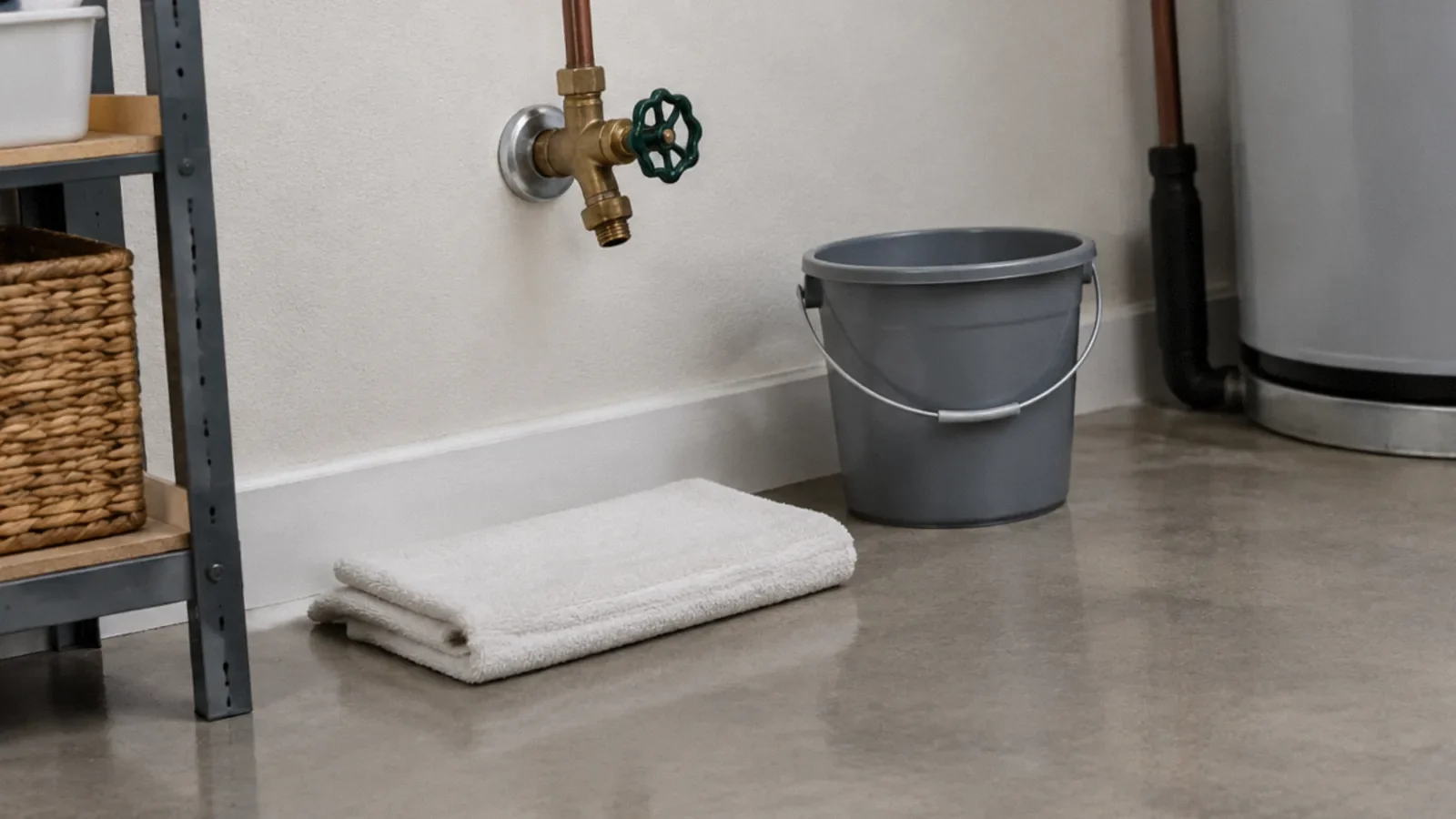
If water is leaking, isolate a known shutoff only when it can be reached safely. A professional should evaluate damaged pipes and electrical systems. Do not shut off gas solely on the assumption that every earthquake requires it; follow the utility’s instructions and have gas service restored by authorized personnel.
Use alerts and official updates
California’s earthquake early warning system is designed to provide seconds of warning in some situations, but an alert may arrive before, during or after shaking or may not arrive. Take protective action when you feel shaking even without a warning.
Use official local alerts, radio or agency websites for updates when safe. Keep important records and supplies accessible, and review your plan periodically. No article can predict the next earthquake or guarantee safety in every building.
A practical home and family preparation checklist
Secure tall furniture and televisions, place heavy breakable objects on low shelves and check that exits remain clear. Assemble water, food, medications, a flashlight, batteries and supplies for children, pets and accessibility needs; review and rotate them. Agree on a meeting place and an out-of-area contact, practice Drop, Cover, and Hold On, and learn official alert channels. After shaking, check for injuries, expect aftershocks, leave a damaged building when safe and stay out until officials say it is safe. If gas is suspected, leave and contact the utility or emergency services from a safe location; do not turn gas back on yourself.
Your next-step checklist
- Prepare supplies and secure heavy furniture.
- During shaking, Drop, Cover and Hold On or use the appropriate adapted action.
- Stay away from windows and falling objects.
- Afterward, expect aftershocks and check for injury.
- Leave for suspected gas or electrical hazards and follow officials.
Related questions
Should I run outside during an earthquake?
California guidance advises protecting yourself where you are rather than running outside during shaking.
What should I do in bed?
Stay in bed, turn face down and protect your head and neck with a pillow until shaking stops, unless an immediate hazard requires movement.
What if I use a wheelchair?
Lock the wheels, cover your head and neck as best you can and hold on until shaking stops.
Will an earthquake alert always arrive before shaking?
No. Warning time varies and an alert may not arrive before shaking; take protective action when you feel it.
Sources & context
Public guidance supports the principles in this article. The practical questions and examples are editorial interpretation, not a site assessment or a coverage decision. State-specific rules apply only where identified.
- California Earthquake Warning: Readiness guideCalifornia emergency guidance
- FEMA and California: Protective actions during earthquakesfederal and California emergency guidance
- California Earthquake Warning: Frequently asked questionsCalifornia emergency guidance
- FEMA: Earthquake preparednessfederal emergency guidance
- CDC: Preparing for earthquakesfederal public safety guidance
- CDC: After an earthquakefederal public safety guidance