The U.S. Fire Administration estimated 343,000 residential building fires in the United States in 2024; that figure is not the probability for an individual home. Attic fires can involve electrical equipment and other ignition sources. Working smoke alarms, an escape plan and qualified attention to electrical or heating problems can reduce risk.
If you suspect a fire now
If you see smoke, flames or signs of an active fire, get everyone out immediately, close doors behind you when possible and call 911 from outside. Do not enter an attic to look for the source or return for belongings. Follow the fire department’s instructions.
A burning electrical smell, arcing or a hot fixture also needs prompt attention. If there is smoke or immediate danger, leave and call emergency services. Do not touch a hot or damaged device, open electrical equipment or try to investigate through a ceiling.
What national statistics can tell you
The U.S. Fire Administration estimates that 343,000 residential building fires occurred in 2024, with 2,975 deaths and 9,225 injuries. These are national estimates for residential buildings, including different building types; they do not directly state the chance that a particular house will have a fire.
Risk varies with the building, equipment, occupants and behavior. A count of incidents is not an individual probability without an appropriate denominator, time period and methodology. Use statistics to understand the scale of the problem, not to declare a particular home safe.
Why an attic fire can be hard to notice
An attic is often unoccupied, and a fire in a concealed space may develop before occupants see it. A historical USFA report on residential attic fires for 2006–2008 found electrical malfunction was a major cause in that dataset; those older statistics should not be presented as a current percentage for every attic.
Electrical wiring, lighting, heating or ventilation equipment and other ignition sources may be present. The actual cause of a fire must be investigated by the appropriate authority. Do not disturb a damaged attic or infer the cause from a photograph.
Electrical and heat hazards
Damaged wiring, an overheating device or an improperly maintained appliance can create a hazard. Warning signs may include a recurring electrical burning smell, flickering lights or a breaker that repeatedly trips, but each can have more than one cause. Stop using suspect equipment and arrange qualified electrical assessment.
Do not cover a hot fixture or alter wiring yourself. Attic insulation and stored items should be kept clear of equipment as required by the equipment instructions and applicable code. A qualified professional can assess the specific installation and safe clearances.
Smoke alarms and escape
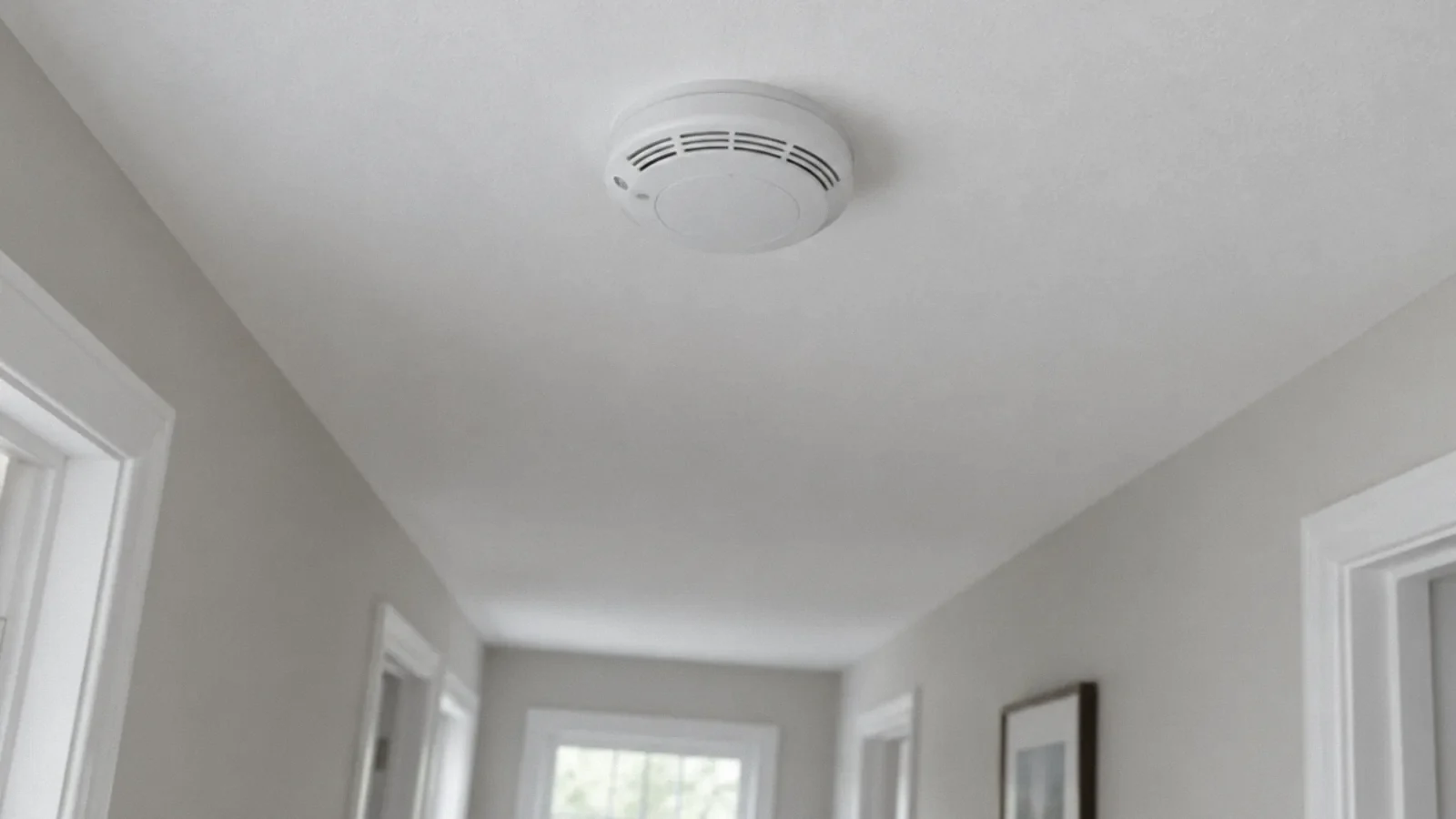
Install and maintain smoke alarms as required by applicable local rules and the manufacturer’s instructions. Test them and replace batteries or units according to their instructions. Ask the fire department or a qualified professional about appropriate locations for the actual home and whether interconnected alarms are required.
Plan two ways out where practical and choose an outside meeting place. Practice with everyone in the household, including children and people who need assistance. When an alarm sounds, leave and call 911 from outside rather than searching for an attic fire.
After a fire
Wait for the fire department to say the building is safe before reentry. Fire, smoke, water and damaged electrical equipment can affect hidden materials. Do not turn power or gas back on, operate wet equipment or enter a damaged attic until qualified personnel have assessed the hazards.
Document damage from a safe location and contact the insurer or property manager. Cleanup of soot, water and potentially contaminated materials may require different specialists. Preserve reports and receipts and ask what inspection is required before reconstruction.
A practical prevention routine
Keep exits accessible, maintain smoke alarms and follow the instructions for heating and electrical equipment. Report recurring faults rather than repeatedly resetting a breaker. Arrange a qualified inspection if an attic has damaged wiring, a burning smell, moisture near electrical equipment or another concern.
Avoid storing combustible materials against equipment or blocking access needed for service. A professional can assess the actual space without a homeowner climbing into a hazardous attic. Prevention reduces risk but cannot guarantee that a fire will never occur.
How often do fires happen in the United States?
NFPA estimated that local fire departments responded to 1,388,000 fires in the United States during 2024, based on its fire department experience survey. Dividing by 366 days gives roughly 3,792 reported fires per day on average. This includes structure, vehicle, outside and other fires; it is not a count of homes destroyed.
A separate U.S. Fire Administration estimate counts 343,000 residential building fires in 2024. Its category and estimation method differ from NFPA’s overall total. Neither figure predicts the risk for an individual home, and fires not reported to local fire departments are not included in NFPA’s estimate.
Focus on attic conditions
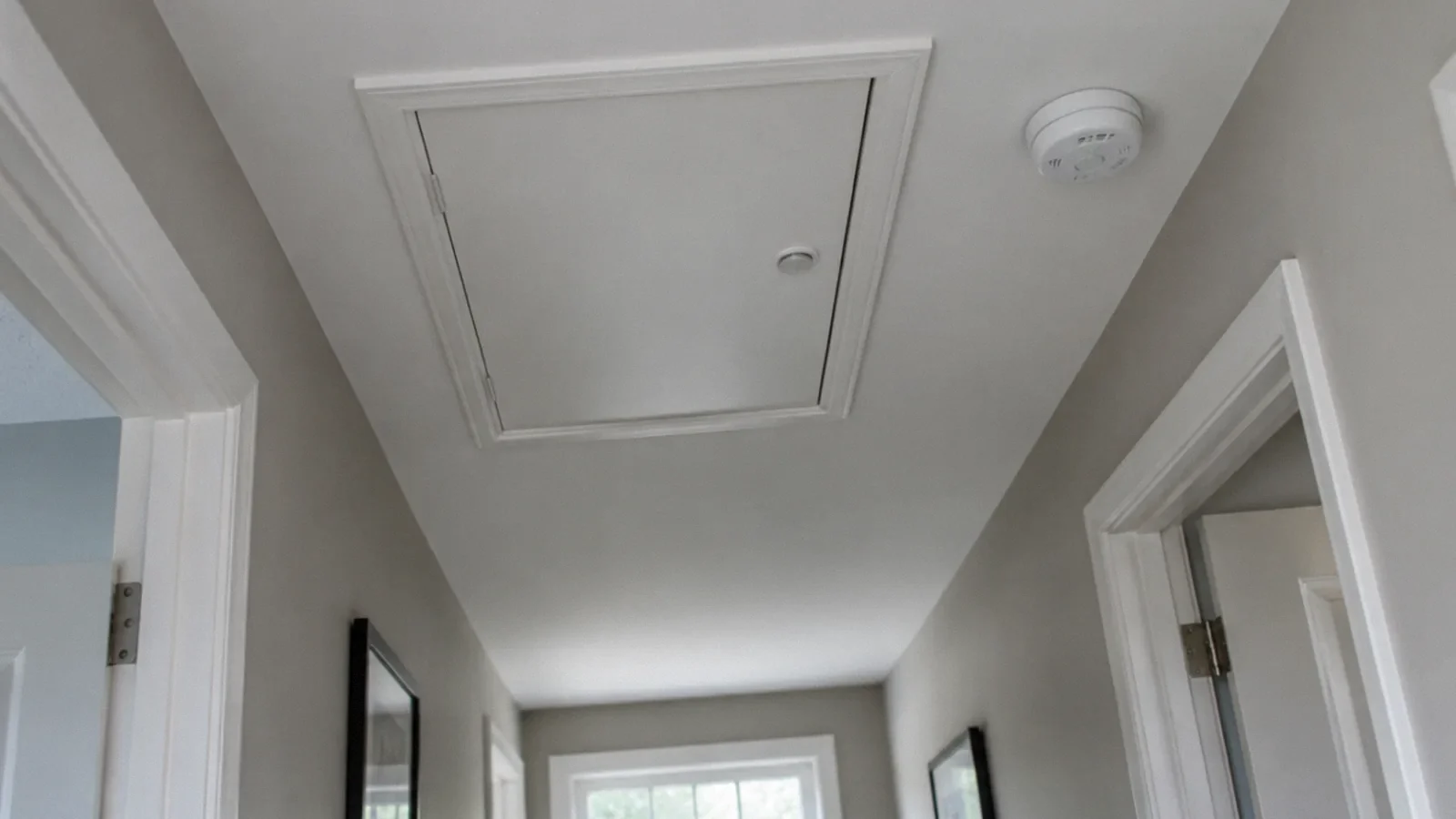
An attic fire can develop around compromised wiring, heat-producing equipment or other ignition sources, but a stain or odor alone cannot identify the cause. Do not enter a smoky attic or open its hatch to investigate: leave, close doors behind you if possible and call emergency services from outside.
After a safe assessment, have qualified trades inspect suspect wiring and equipment and maintain clearances specified by the equipment manufacturer. Keep stored combustibles away from heat sources and avoid disturbing insulation or electrical connections. Smoke alarms and a practiced escape plan remain essential because an attic can conceal a developing fire.
Your next-step checklist
- Leave and call 911 if a fire is suspected.
- Maintain smoke alarms and practice an escape plan.
- Address electrical and heating faults promptly.
- Do not enter a damaged or smoky attic.
- Wait for qualified clearance before restarting utilities.
Related questions
How common are residential building fires?
USFA estimated 343,000 U.S. residential building fires in 2024. This national count is not an individual home’s probability.
What can cause an attic fire?
Electrical equipment and other ignition sources can be involved, but the actual cause requires investigation. A historical USFA report identified electrical malfunction as a major category.
Should I enter the attic if I smell smoke?
No. Leave, close doors behind you when possible and call 911 from outside.
Can smoke alarms prevent every fire death?
No device guarantees safety. Properly maintained alarms and a practiced escape plan improve the opportunity to respond.
Sources & context
Public guidance supports the principles in this article. The practical questions and examples are editorial interpretation, not a site assessment or a coverage decision. State-specific rules apply only where identified.
- U.S. Fire Administration: Residential fire estimates 2015–2024federal fire statistics
- U.S. Fire Administration: Residential fire causesfederal fire statistics
- U.S. Fire Administration: Attic fires, 2006–2008historical federal fire report
- U.S. Fire Administration: Electrical fire safetyfederal fire safety guidance
- U.S. Fire Administration: Candle fire safetyfederal fire safety guidance
- NFPA: Fire loss in the United States during 2024national fire survey estimate
- Public safety and technical guidanceofficial guidance
- Public safety and technical guidanceofficial guidance
- US Fire Administration: smoke alarmsfederal guidance
- U.S. Fire Administration: Keep your home safefederal fire safety guidance