An electrical fault can produce a burning or rubbery odor, but smell cannot reliably identify the cause or show whether a fire has started. If you see smoke or flames, hear an emergency alarm or suspect an active fire, leave immediately and call 911 from outside. Do not touch hot, wet, sparking or damaged equipment.
Treat smoke or fire as an emergency
Leave the building by a safe route, alert others and close the door behind you if possible. Call 911 from outside and do not return to collect belongings. A hidden electrical fire can spread within a wall or ceiling before its extent is visible.
Do not pour water on energized electrical equipment. Do not delay leaving to locate a breaker, unplug a device or identify the smell. Follow the dispatcher’s and responders’ instructions, and return only when they say it is safe.
What an electrical burning smell may resemble
The U.S. Fire Administration lists a burning or rubbery odor from an appliance among signs that call for a qualified electrician. People may describe unusual odors differently, including as hot plastic or fish-like. None of those descriptions proves that the source is electrical or that the area is safe.
A smell can come from an appliance, wiring, cooking or another source, and a dangerous fault may not produce a noticeable odor. Do not sniff an outlet, open a cover or operate equipment to reproduce the symptom. If an active hazard is possible, leave and call emergency services.
Other electrical warning signs
Flickering lights, buzzing or crackling, sparks, a warm or discolored wall plate, recurring breaker trips and a shock or tingling sensation can indicate an electrical problem. The Electrical Safety Foundation International advises having a qualified electrician inspect warning signs.
Do not touch a plate to see how hot it is, and do not repeatedly reset a breaker to continue using the circuit. Stop using suspicious equipment when this can be done without approaching a hazard. If smoke, flames or an emergency alarm are present, evacuate instead of troubleshooting.
A smell near an outlet or appliance
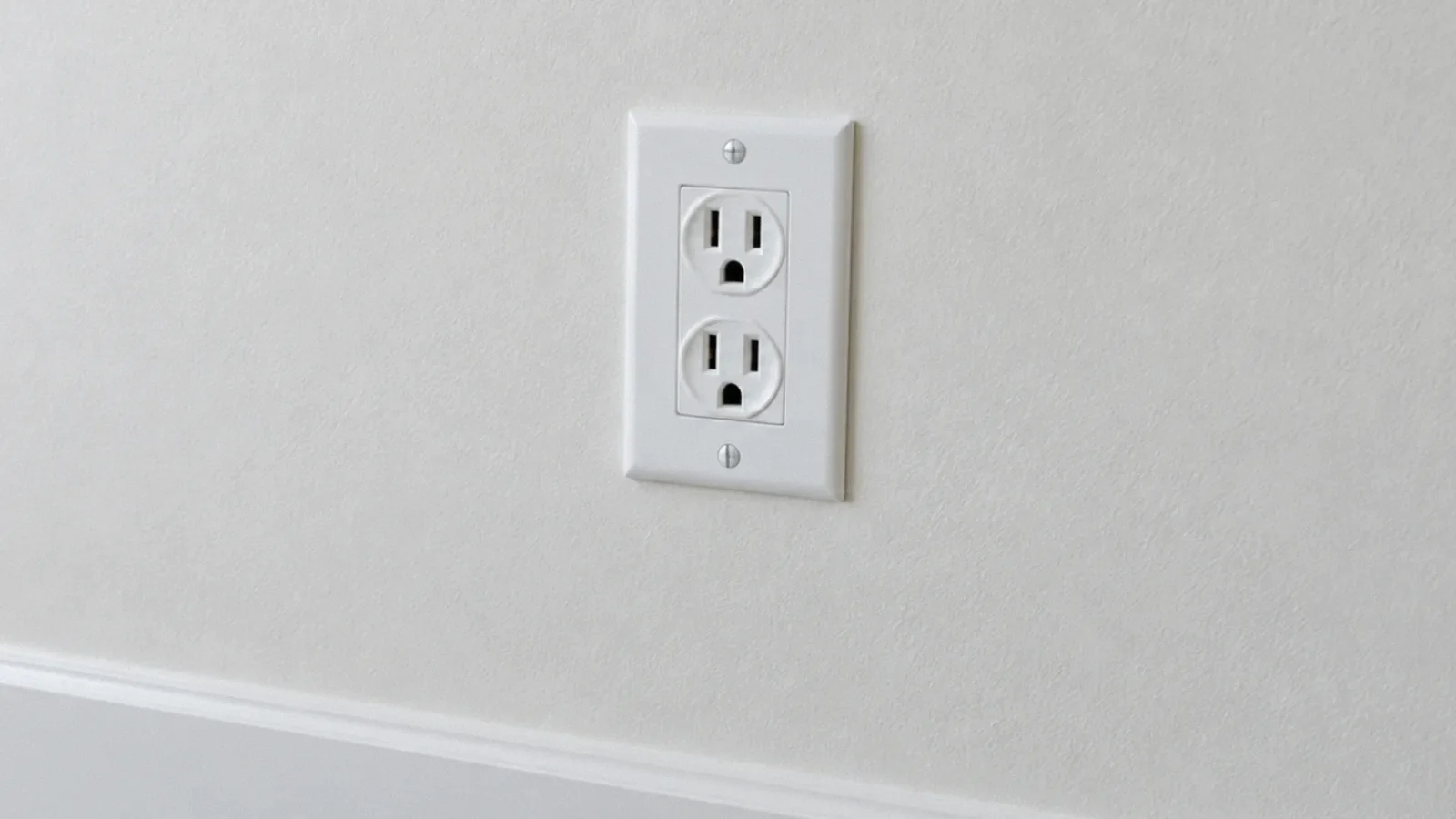
A damaged cord, overloaded connection, appliance defect or wiring problem may need investigation. The location of an odor is a clue, not a diagnosis; heat or smoke may travel inside an assembly. A qualified electrician or appliance technician should determine the cause and appropriate repair.
Do not remove an outlet cover or pull a plug from a hot, smoking, sparking or wet receptacle. Avoid touching appliances that have contacted water. If there is an immediate threat, move away and call 911 from a safe location.
Water makes electrical hazards more serious
A leak or flood can energize water when it contacts electrical equipment. Stay out of standing water near outlets, appliances, wiring or a panel. Do not operate wet switches or use a wet device to test whether power is on.
A qualified electrician or utility can determine how to isolate the supply safely. Once emergency hazards are controlled, the water source and affected materials also need assessment. A dry exterior does not establish that an electrical component is safe after water exposure.
What to tell an electrician
When there is no active emergency and the area is safe to approach, describe where the odor was noticed, when it began, any flickering or breaker trips, recent water exposure and equipment involved. Do not turn a device back on merely to demonstrate the symptom.
Ask for a written description of the finding, the proposed repair and any limitations. Electrical work should be performed by appropriately qualified professionals. A room deodorizer or a new bulb does not address a damaged connection.
Alarms and prevention
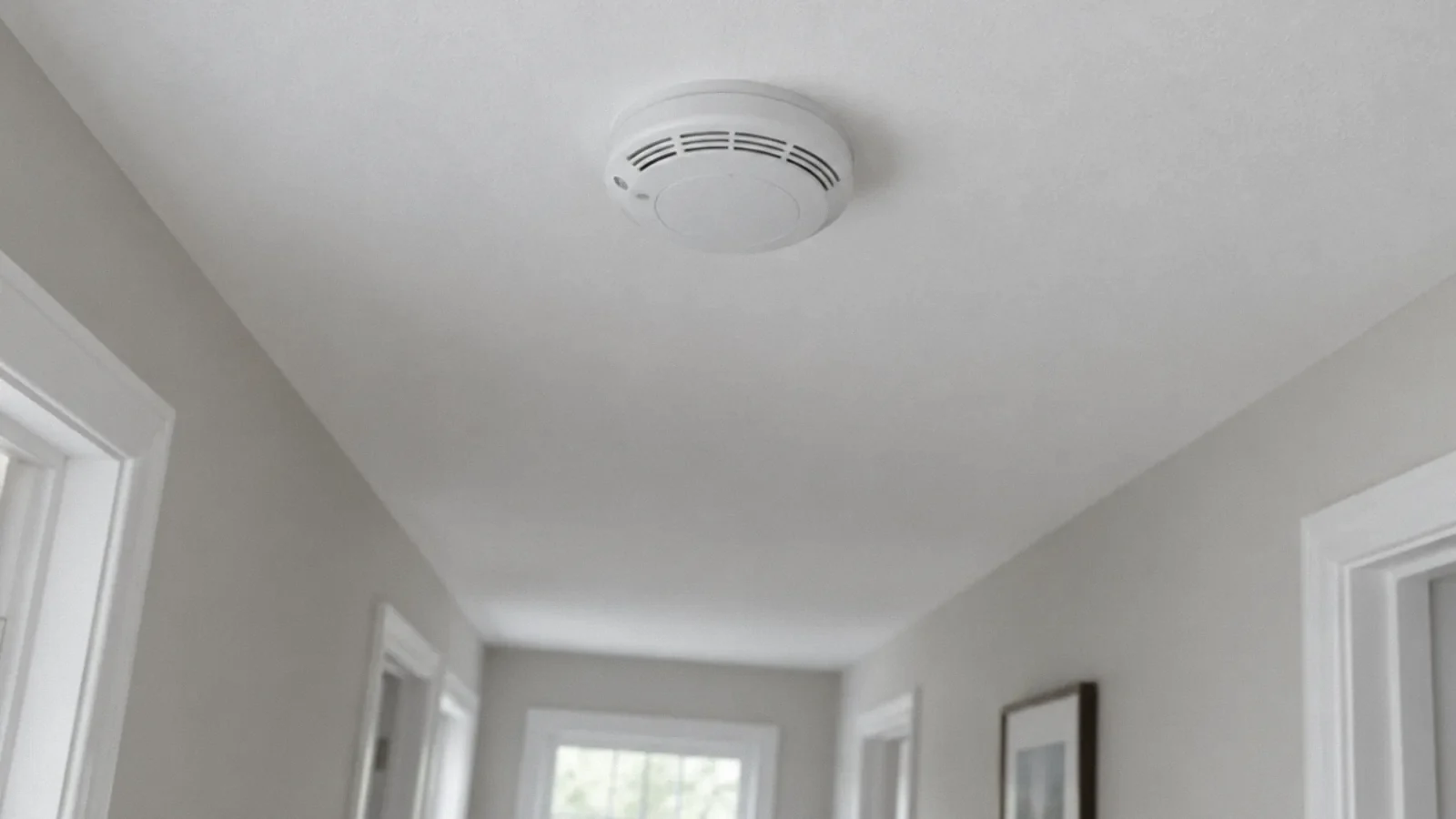
Install and maintain smoke alarms according to the manufacturer’s instructions and local requirements. The U.S. Fire Administration recommends interconnected alarms and a household escape plan; check the local fire authority’s requirements for the specific property.
Avoid damaged cords, overloaded connections and products not rated for the intended use. Have recurring electrical symptoms investigated. A smoke alarm provides warning but cannot prevent every electrical fault, and a carbon monoxide alarm serves a different purpose.
After a fire or repair
Follow responders’ instructions about reentry and utility service after a fire. Do not reconnect a damaged appliance or turn on equipment affected by heat or water until qualified professionals have assessed it. Document damage only when safe.
Keep inspection and repair records. If a burning smell returns or new smoke appears, leave when a fire is possible and call emergency services. A previous repair does not make a new warning sign safe to ignore.
Your next-step checklist
- Leave and call 911 if smoke, fire or an active danger is possible.
- Do not touch hot, wet, damaged or sparking equipment.
- Never pour water on energized electrical equipment.
- Have unexplained electrical warning signs inspected.
- Keep alarms and an escape plan in working order.
Related questions
What does an electrical fire smell like?
It may produce a burning or rubbery odor, but descriptions vary and smell cannot confirm the cause. Leave and call 911 if an active fire is possible.
Does a fish-like smell prove an electrical fire?
No. Odor alone is not a diagnosis. Treat unexplained burning odors seriously and seek emergency help if danger is possible.
Should I unplug a smoking outlet?
Do not approach or touch smoking equipment. Leave and call 911 from outside.
Can I use water on an electrical fire?
Do not pour water on energized electrical equipment. Evacuate and call emergency services.
Sources & context
Public guidance supports the principles in this article. The practical questions and examples are editorial interpretation, not a site assessment or a coverage decision. State-specific rules apply only where identified.
- U.S. Fire Administration: Electrical warning signsfederal fire safety guidance
- Electrical Safety Foundation International: Home wiring safetyelectrical safety guidance
- U.S. Fire Administration: Smoke alarmsfederal fire safety guidance