A flickering light can result from a bulb or dimmer issue, but it can also signal a loose connection or another electrical problem. If flickering is unexplained, recurring or affects multiple lights, have a qualified electrician investigate. For smoke, sparks or fire, leave the area and call emergency services from a safe place.
Notice what is happening
Record whether one lamp flickers or several lights change at the same time, when it happens and whether an appliance starts or stops at that moment. These observations help an electrician identify where to investigate, but they do not prove the cause. A brief flicker still deserves attention if it recurs or is accompanied by other warning signs.
Do not touch a warm switch or fixture to check it. Note any buzzing, burning smell, discoloration, shocks or unusual changes in brightness from a safe distance. The Electrical Safety Foundation International lists flickering lights among possible signs of a wiring hazard.
One bulb or lamp
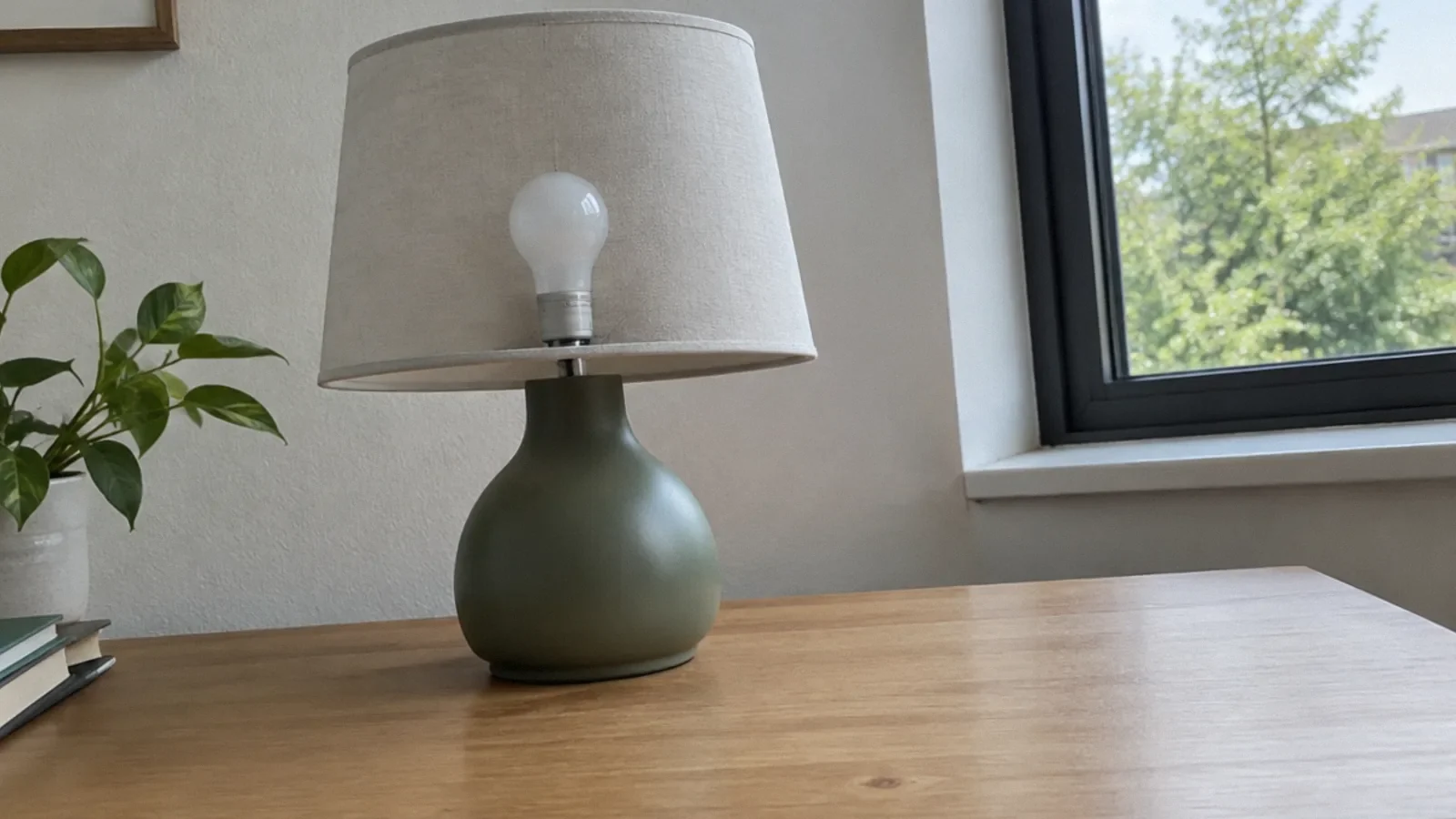
A failing lamp, an unsuitable bulb or a compatibility issue can sometimes cause one light to flicker. Follow the fixture and bulb manufacturer’s instructions about type and rating. Do not exceed the fixture’s permitted rating or use damaged equipment. A fluorescent lamp can have its own lamp or control equipment issue.
If a plug-in lamp shows damage, sparks, heat or an odor, stop using it and arrange qualified help. Do not dismantle the lamp, touch exposed conductors or assume a replacement bulb has resolved a problem in the socket or cord. If you cannot safely isolate the equipment, leave it alone.
Dimmers and compatibility
Some LED lamps and dimmers are not compatible, and a flicker may appear only at certain settings. Compatibility depends on the lamp, dimmer and installation, not simply on whether the bulb fits the socket. Manufacturers may provide a compatibility list or instructions for the specific products.
A dimmer issue should not be used to dismiss an unexplained burning smell, hot cover plate or flickering elsewhere. Have a qualified electrician evaluate the device and wiring. Replacing switches or opening electrical boxes is not a troubleshooting step for someone without the appropriate qualifications.
Several lights or changing brightness
When multiple lights flicker, dim or brighten together, the issue may involve a shared circuit, a connection, service equipment or the utility supply. It cannot be diagnosed reliably from the pattern alone. Record which areas are affected and ask a qualified electrician to investigate promptly.
If lights become unexpectedly very bright or dim, or sensitive equipment behaves unusually, tell the electrician and contact the utility as appropriate. Do not open the electrical panel, tighten service connections or repeatedly reset a breaker to keep the lights on.
Warning signs that need prompt action
A burning or overheated plastic smell, visible sparks, buzzing, discolored plates, shocks and frequently tripping breakers can indicate a serious problem. Stop using affected equipment and arrange prompt professional assessment. Keep clear of an electrical device that is wet, hot, smoking or visibly damaged.
If smoke or fire is present, leave the building, close the door behind you where possible and call 911 from outside. Do not use water on energized electrical equipment and do not delay evacuation to investigate. A qualified professional or emergency responder can determine when the area is safe.
After water exposure
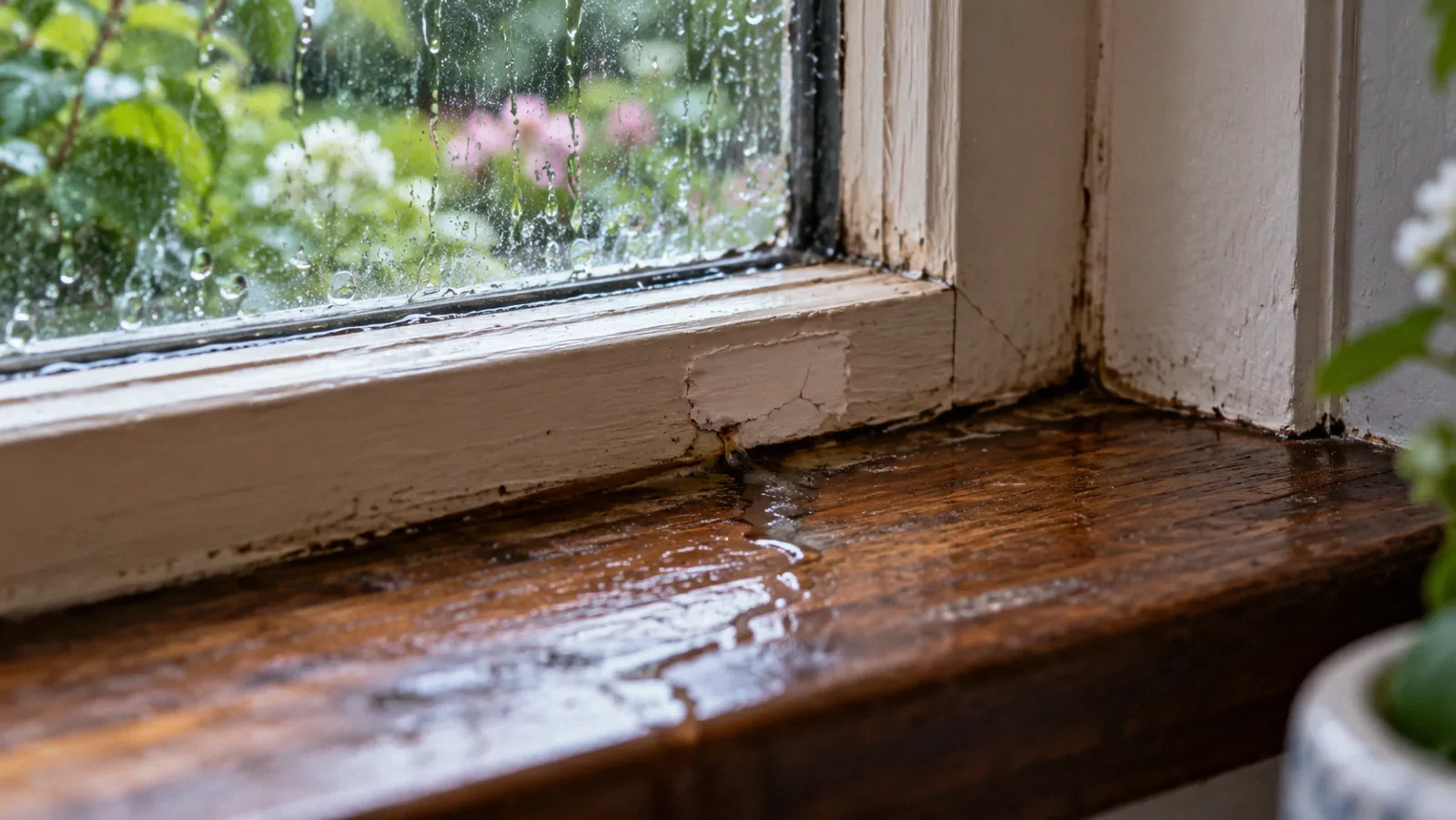
Water and electricity are a dangerous combination. If a ceiling leak or flood has reached a light, switch, outlet or panel, stay away from the wet area and do not operate the affected device. Arrange qualified electrical assessment and address the water source only when it is safe.
A fixture that appears dry on the outside may still contain moisture or damaged components. Do not turn it on as a test. Tell the electrician when the water exposure occurred and what parts of the room were affected.
What to tell the electrician
Share the location of the lights, when flickering began, whether the pattern involves appliances, and any recent water damage or electrical work. Mention a hot or discolored plate, unusual noise, smell, shock or breaker trip without attempting to reproduce the symptom.
Ask what was inspected, what issue was found and what repair is recommended. If the electrician suspects the utility supply, follow their advice about contacting the utility. Keep the service record and note whether the symptom returns after the work.
Preventing future problems
Use lighting products that match the fixture’s instructions and avoid damaged cords. Keep electrical equipment away from water and report recurring electrical symptoms instead of treating them as normal. Have qualified personnel perform wiring and switch repairs.
No checklist can determine the safety of an unseen connection. A single bulb can fail without a wiring fault, but an apparently minor flicker can also be an early warning. When the cause is uncertain, an inspection is a better basis for a decision than repeated trial and error.
Is switching a light on and off bad?
Ordinary use of a working switch is different from a light flickering by itself. The Department of Energy recommends turning off lights in unoccupied rooms to save energy. Bulb and control designs differ, so follow the manufacturer’s instructions instead of assuming all lamps respond identically to rapid repeated switching.
Do not repeatedly toggle a switch to investigate a light that flickers unexpectedly. A warm or discolored plate, buzzing, a shock or a burning smell can indicate an electrical problem. Stop using affected equipment when safe and contact a qualified electrician; leave and call emergency services for an immediate fire danger.
Switching frequency and lamp technology
DOE explains that switching fluorescent lamps can shorten their rated operating life, although turning them off when unused can extend calendar life and save energy. The effect depends on lamp and ballast design and switching frequency; avoid assigning a universal number of cycles or years.
LED products include drivers and electronics with their own reliability limits; incandescent, fluorescent and LED lamps should not be assumed to respond identically. Check the exact lamp and control manufacturer's specifications for frequent switching. Ordinary switching is not proof of a fire hazard, while unexplained flicker or heat needs investigation rather than repeated switching.
Your next-step checklist
- Note which lights flicker and when.
- Stop using damaged or suspicious equipment.
- Stay away from water near electrical devices.
- Contact a qualified electrician for unexplained or recurring symptoms.
- Leave and call 911 for smoke or fire.
Related questions
Can flickering lights indicate a fire hazard?
Yes. Flickering can be a warning of an electrical defect, although not every flicker means a fire is imminent. Have unexplained or recurring symptoms investigated.
Why do several lights flicker together?
A shared circuit, connection or utility issue may be involved, but the pattern alone cannot establish the cause. Contact a qualified electrician.
Can an LED dimmer cause flicker?
An incompatible bulb and dimmer can cause flicker. Other hazards still require attention, especially heat, odor, sparks or symptoms in multiple areas.
Should I reset a breaker repeatedly?
No. Repeated trips can signal an unresolved fault. Stop using the affected circuit and seek qualified help.
Sources & context
Public guidance supports the principles in this article. The practical questions and examples are editorial interpretation, not a site assessment or a coverage decision. State-specific rules apply only where identified.
- Electrical Safety Foundation International: Home wiring safetyelectrical safety guidance
- U.S. Consumer Product Safety Commission: Electrical safetyfederal safety guidance
- Electrical Safety Foundation International: Switch to safetyelectrical safety guidance
- U.S. Department of Energy: Home energy checklistfederal energy guidance
- DOE: lighting switching and energyprimary guidance
- DOE: LED reliabilityprimary guidance
- Philips Lighting: Fluorescent gear application guidemanufacturer technical guidance
- Philips Lighting: LED driver switchingmanufacturer technical guidance