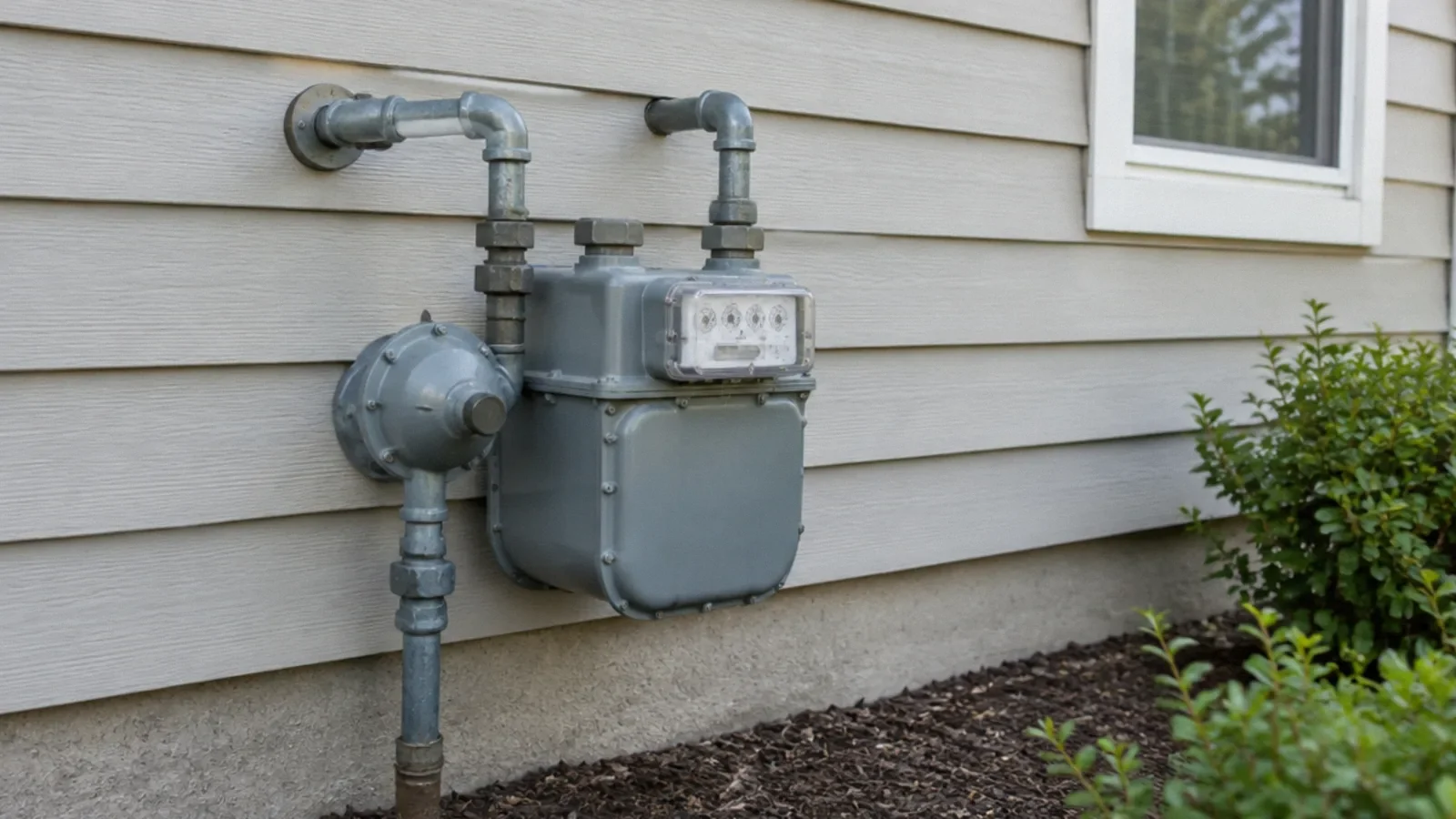
If a sulfur or skunk-like smell could be a natural gas leak, leave immediately without using switches or devices and call 911 and the gas utility from a safe location. Once an immediate hazard is ruled out, identify whether an animal, pet or affected material is the source. Do not approach a skunk or mix household cleaners.
Rule out a gas emergency first
Natural gas odorant can be described as sulfur-like or rotten eggs, and people describe odors differently. You cannot reliably distinguish a gas leak from a skunk or sewer problem by smell alone. If gas is possible, alert others and leave without operating switches, phones, appliances or vehicles near the suspected leak.
From a safe location, call 911 and the gas utility. Follow responders’ instructions and do not return until the area is cleared. Do not search a crawl space, basement or other confined area for the odor. A disappearing smell does not establish that a hazard is gone.
Skunk spray and where odor can travel
Skunks can spray defensively when frightened. The odor can be carried on an animal, clothing or other materials and may enter a home through an opening or ventilation pathway. The strength and duration vary with the amount, material, temperature and airflow.
A garlic-like or skunk-like description does not prove that a skunk caused the smell. Once emergency hazards are ruled out, note when and where the odor is strongest without approaching wildlife or unsafe areas. A wildlife professional can help determine whether an animal is present.
Keep people and pets away from wildlife
Do not approach, handle, trap or corner a skunk. Keep pets and children at a safe distance and contact local animal control or a qualified wildlife professional if an animal is in or under the building. Openings under porches, sheds or crawl spaces can be den sites.
Do not seal an opening until a qualified professional confirms that animals, including young, are not trapped inside and that local rules are followed. Unusual behavior or a bite requires prompt advice from animal control or public health authorities.
If spray reaches eyes or a pet
Skunk spray can cause significant discomfort if it contacts eyes. For a person with eye exposure, concerning symptoms or uncertainty, contact a healthcare professional or Poison Control for guidance. Seek emergency care for severe symptoms.
For a sprayed pet, contact a veterinarian, particularly if the eyes, mouth or breathing are affected. Do not use a household mixture on an animal without checking its suitability and avoiding the eyes. Follow the veterinarian’s directions and prevent the animal from spreading residue through occupied rooms.
Ventilation and affected materials
After gas, fire and other immediate hazards are ruled out, ventilation may help when outdoor air is clean and the odor source is no longer nearby. If the skunk or odor source remains outside, opening a window may bring more odor indoors. Follow local guidance and the actual conditions.
Clothing, washable hard surfaces, fabrics and porous furnishings require different care. Follow the material and product instructions, and test an appropriate cleaning method where recommended. A fragrance may cover an odor without removing material that is carrying it.
Avoid unsafe chemical mixtures
Do not mix bleach with ammonia, vinegar or other cleaners. Some homemade odor-removal formulas contain hydrogen peroxide and can build pressure; Humane World for Animals specifically warns not to store its skunk-odor mixture in a bottle. Unverified recipes can irritate skin or damage fabrics and finishes.
Tomato juice may mask or reduce the perception of odor but does not reliably neutralize its source, according to Humane World. For a person, pet or valuable material, use guidance appropriate to that situation and seek professional help when uncertain.
When to call a professional
A persistent odor in a crawl space, duct or inaccessible building cavity may require a qualified wildlife, HVAC or odor-remediation professional. Ask how the source will be identified, whether animals are present and what materials or equipment are included in the work.
Request a written scope and safety plan. Do not allow an odor treatment to substitute for resolving a suspected gas leak, animal access point or contaminated material. Ask about the proposed products, ventilation and when occupants and pets may return.
How long can the smell last?
There is no reliable duration for every event. Odor can persist if affected fabric, a pet, a building material or an outdoor source remains untreated. The material and the amount of exposure matter more than a fixed number of hours.
If a new or unexplained sulfur-like odor returns, reassess the possibility of a gas emergency and leave when appropriate. Once the cause is known and corrected, keep records of cleaning or wildlife work and monitor safely for recurrence.
Your next-step checklist
- Leave and call 911 and the utility if gas is possible.
- Keep people and pets away from skunks.
- Seek medical or veterinary guidance for exposure.
- Never mix cleaners or store reactive mixtures.
- Address the source and affected materials.
Related questions
Does a skunk smell always mean a skunk is nearby?
No. Odor descriptions overlap with other sources, including a possible gas leak. Treat an uncertain gas hazard as an emergency.
How long does skunk odor last in a house?
There is no universal duration. The source, amount, ventilation and affected materials all matter.
Does tomato juice reliably neutralize skunk spray?
Humane World says tomato juice may reduce perceived odor but does not neutralize the molecules responsible for it.
Should I approach a skunk under my house?
No. Keep away and contact local animal control or a qualified wildlife professional.
Sources & context
Public guidance supports the principles in this article. The practical questions and examples are editorial interpretation, not a site assessment or a coverage decision. State-specific rules apply only where identified.
- Humane World for Animals: What to do about skunkswildlife guidance
- PG&E: Natural gas safetyutility safety guidance
- U.S. EPA: Cleaning products and indoor airfederal guidance