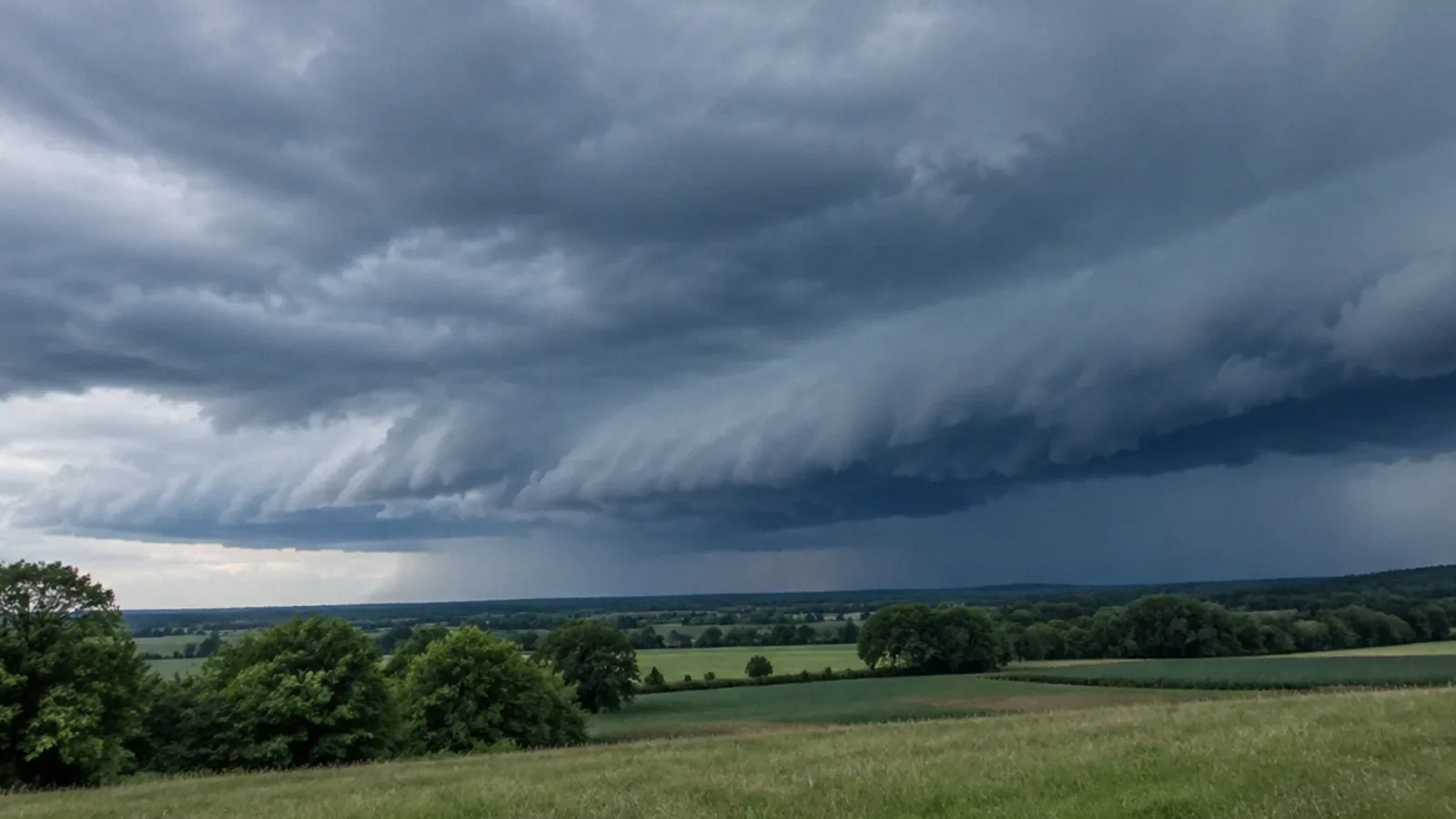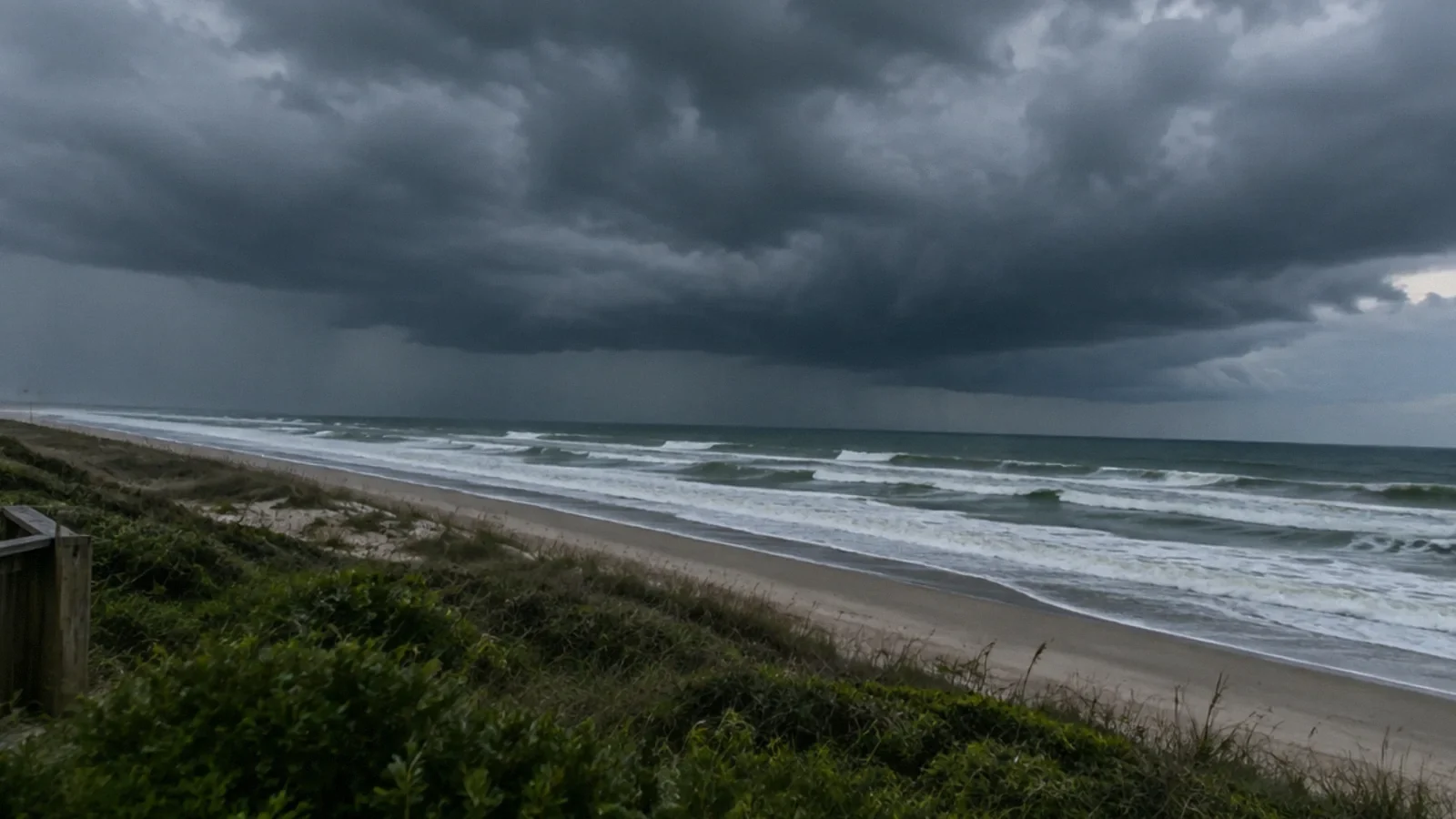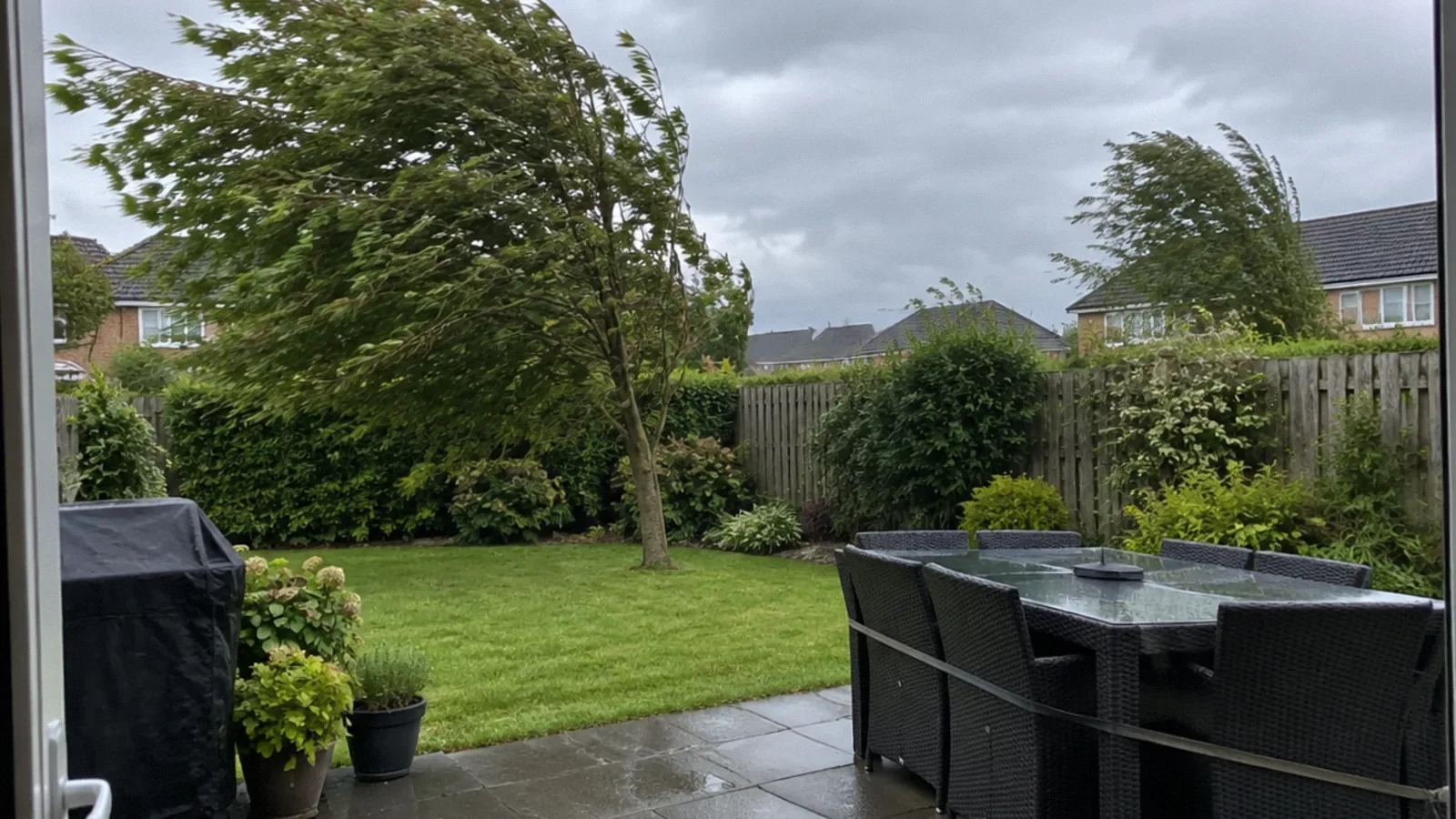
Wind becomes more hazardous as speed increases, but there is no single safe speed for every tree, vehicle or building. A 20 mph sustained wind can move unsecured objects; 40 mph winds can make walking difficult, and stronger gusts can break branches. Follow the local National Weather Service forecast and shelter when officials advise it.
Read sustained wind and gusts separately
A forecast may list a sustained wind and a higher gust. Sustained wind describes wind averaged over a period; a gust is a shorter increase. Both matter: a loose object can be moved by a brief gust even when the average seems modest. Forecast speeds also vary by location and height.
A reading in an open or elevated area may not match the wind in a protected backyard. Hills, bridges, coastlines and gaps between buildings can expose people to stronger gusts. Use an official local forecast rather than treating a single number as a guarantee.
What 10 to 25 mph can feel like
Around 15 to 20 mph, the National Weather Service field guide describes dust and loose paper being raised and small branches moving. At approximately 20 to 25 mph, small trees may sway and whitecaps may appear. These are rough observations, not a measurement method or promise of safety.
Unsecured furniture, umbrellas and lightweight materials can move before the wind feels extreme. Take down or store vulnerable items while conditions are still safe. Avoid working on a roof or ladder in wind; the safe limit depends on the equipment and conditions.
What 30 to 40 mph can do
At roughly 30 to 40 mph the weather service describes whole trees moving and walking against the wind becoming difficult. Twigs can break at higher speeds, and a weakened tree or already loose part of a building may fail earlier. Brief gusts can exceed the published sustained speed.
Before a wind event, secure objects from ground level and close windows and doors as appropriate. Once branches or debris are moving dangerously, go indoors. Do not go out to rescue an object in a gust or stand underneath trees and power lines.
What 45 to 70 mph can do
The National Weather Service field guide associates winds around 45 to 55 mph with possible small branch breakage and slight structural damage; at 55 to 65 mph larger branches and shallow-rooted trees can fail. Its broad descriptions are estimates, not a house-by-house damage prediction.
Around 60 or 70 mph, falling trees, flying debris and structural damage are serious concerns. Shelter in a sturdy building away from windows, follow local warnings and emergency instructions, and avoid travel if possible. Never approach a downed wire or touch anything in contact with it.
Can wind break windows or move a car?
Glass failure depends on the window, installation, condition, pressure, direction and flying debris. There is no reliable universal speed at which every window breaks. Stay away from glass during dangerous wind and do not tape windows as a substitute for appropriate protection or shelter.
A crosswind can make a vehicle difficult to control, particularly a truck, bus, trailer or other high-profile vehicle. Road conditions, bridges and gusts matter as much as the number in a forecast. Postpone travel when strong winds make control uncertain, and obey road closures.
Watch, warning and local conditions
A wind watch means dangerous wind is possible; a warning means it is expected or occurring. Local National Weather Service offices use criteria appropriate to the area, so a threshold from another region should not replace your own forecast. Read the location, timing and expected impacts in the alert.
Thunderstorms and other events can bring wind along with lightning, hail, falling trees or flooding. Move indoors before the storm arrives. An advisory can still describe conditions that are unsafe for a particular task, vehicle or vulnerable property.
Before and during a wind event
Before wind increases, bring in loose items, charge phones, review a household communication plan and identify an interior shelter away from windows. Trim hazardous trees only with suitable help, not during an alert. Know how to receive official updates if power is interrupted.
During damaging wind, stay inside and keep children and pets away from doors and windows. If already driving, slow down, hold the wheel and seek a safe place away from trees and power lines; follow official guidance. Do not stop beneath a bridge if doing so creates a traffic hazard.
After the wind passes
Wait for the all-clear and look for hazards from a safe place. Assume fallen wires are energized, stay well away and report them to the utility or emergency services. A line can energize fences, puddles or other objects nearby.
Photograph visible damage from a safe position and notify the insurer or property manager. A professional can inspect roofs, unstable trees and damaged utilities. If rain enters a damaged building, prevent further exposure only when it is safe and arrange prompt drying.
Is it safe to drive in 20, 30, 40 or 50 mph winds?
There is no single wind speed that makes driving safe for every vehicle or road. Gust strength and direction, vehicle height and load, visibility, exposed bridges and fallen debris can change the risk. A 40 mph gust across an exposed bridge can affect a tall vehicle differently from a sheltered route; a higher forecast is not a safe threshold to test. Check local road restrictions and postpone travel when officials recommend it.
If caught on the road, the National Weather Service advises slowing down, keeping both hands on the wheel and leaving space around trucks, buses and trailers. Avoid exposed bridges when a safer route is available. If you cannot maintain control, reach a safe place away from traffic, trees and power lines rather than stopping in a travel lane. In a high wind warning, seek a sturdy building when you safely can.
Find the forecast for your route
At weather.gov, enter the city or ZIP code, open the local forecast and choose Hourly Weather Graph under More Information. Check the wind speed and gust series for the relevant hours, then read any warning for your location. Conditions on an exposed bridge or pass can differ from a nearby town forecast.
At 70 mph, and at lower gusts when control is uncertain, postpone travel in a high-sided vehicle or trailer and obey restrictions. If already on the road, reduce speed and seek a safe place away from trees and power lines; no single speed guarantees safe control for every load, direction and road.
Your next-step checklist
- Check the local forecast for both sustained wind and gusts.
- Secure loose items before conditions become hazardous.
- Shelter away from windows during damaging wind.
- Avoid travel and high-profile vehicles when conditions are unsafe.
- Keep clear of fallen wires and unstable trees.
Related questions
Are 20 mph winds strong?
They can move loose objects and sway small trees. Conditions vary by exposure, gusts and the activity.
Are 40 mph gusts dangerous?
They can move unsecured objects and make some activities or travel hazardous. Follow the local forecast and avoid exposed work.
Can 60 mph winds knock down trees?
Yes. Tree condition, soil, exposure and gusts influence whether a tree falls; even weaker winds can bring down a compromised tree.
What wind speed breaks windows?
There is no universal threshold. Glass condition, installation, wind pressure and debris all matter.
What wind speed is dangerous for driving?
No universal cutoff applies to every driver. Gusts, crosswinds, the vehicle, road exposure and local advisories all matter; delay travel when conditions or officials make it unsafe.
What is a gust of wind?
A gust is a brief increase in wind speed. The National Weather Service distinguishes a peak gust from sustained wind; risks depend on exposure, objects nearby and local conditions.
Sources & context
Public guidance supports the principles in this article. The practical questions and examples are editorial interpretation, not a site assessment or a coverage decision. State-specific rules apply only where identified.
- National Weather Service: Field guide to observing weatherfederal guidance
- National Weather Service: Wind safetyfederal guidance
- National Weather Service: High wind definitionsfederal guidance
- National Weather Service: During a high wind eventfederal safety guidance
- National Weather Service: Hourly forecastprimary guidance