A tornado warning means a tornado has been sighted or indicated by radar and you should take shelter immediately. Go to a basement, safe room or small interior room on the lowest floor of a sturdy building, away from windows, and protect your head. Do not wait to see a funnel or hear a siren before acting.
Watch versus warning
The National Weather Service uses a tornado watch when tornadoes are possible in and near the watch area. During a watch, review your plan, monitor reliable alerts and be ready to move quickly. A watch does not mean a tornado has already been confirmed at your location.
A tornado warning means a tornado has been sighted or indicated by weather radar. It signals imminent danger to the area described in the alert. Move to the safest available shelter immediately and continue to follow official updates. A warning does not require you to personally see a tornado.
What a tornado emergency means
A tornado emergency is an unusually severe warning situation associated with a violent tornado and catastrophic threat. The National Weather Service uses it for a rare, life-threatening event. Seek the best available shelter immediately and follow the instructions in the alert.
Do not wait for the word emergency before sheltering. An ordinary tornado warning also demands immediate action. Warnings are issued for a defined area and period, so check whether your location is included and monitor for updates or extensions.
Possible signs in a storm
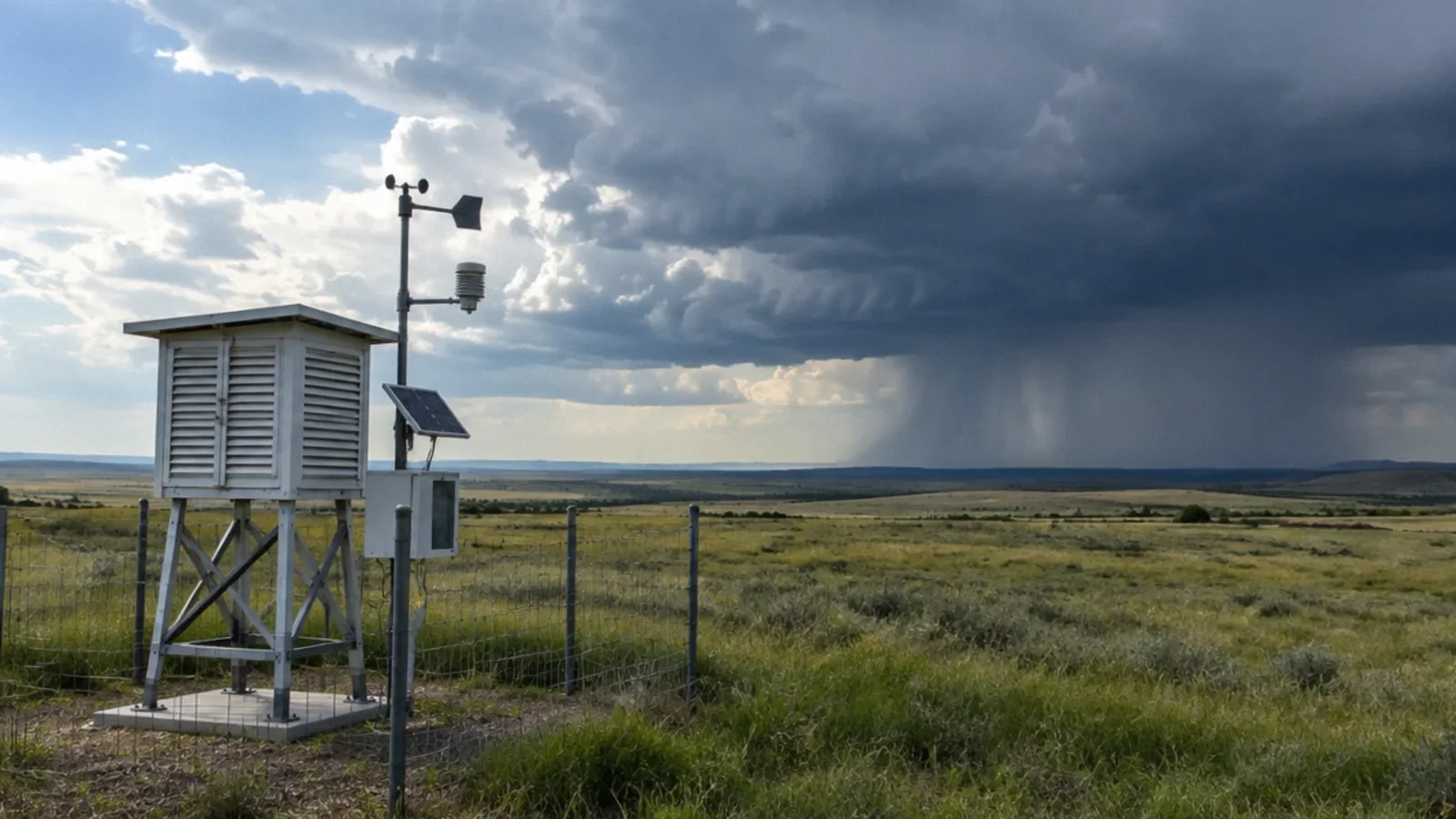
Weather Service guidance lists a dark or greenish sky, large hail, a low rotating cloud and a loud roar among possible danger signs. These signs are not a reliable checklist: a tornado can be obscured by rain, darkness or terrain, and a severe storm may show some signs without producing a tornado.
If you see a tornado approaching or perceive an immediate threat, seek shelter even if you have not received an alert. Do not go outside to inspect the clouds or delay action while trying to identify a particular sound. Lightning and hail can also be dangerous.
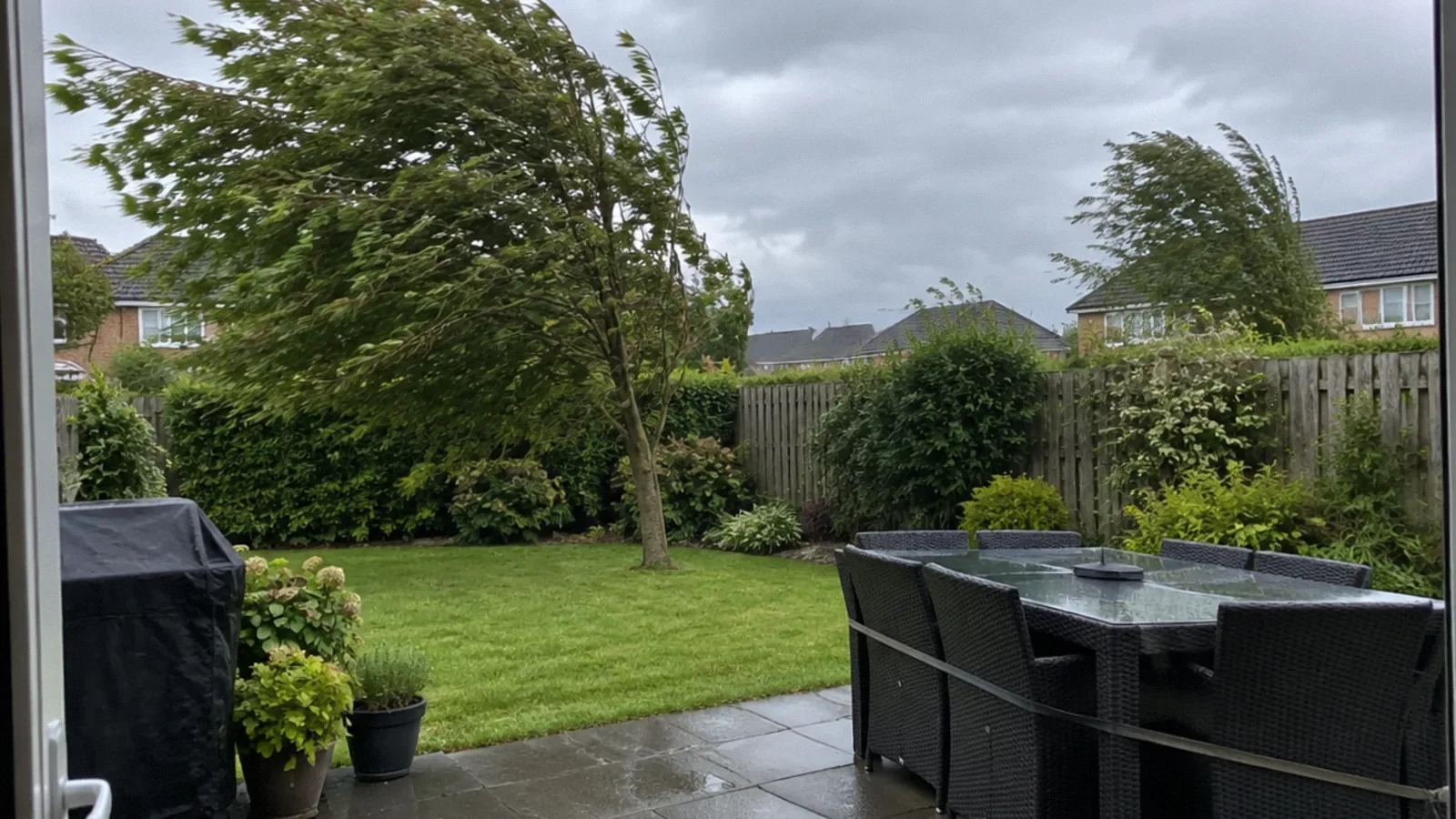
Hail or heavy rain followed by calm or a sudden wind shift can occur near a severe storm, according to the National Weather Service. Neither calm nor hail confirms that a tornado is coming, and tornadoes can occur without either sign. Do not go outside to check.
What a tornado can look like
A visible funnel may extend downward from a rotating cloud, but its shape, width and visibility vary. Rain or darkness can hide part or all of the circulation. A cloud feature in a photograph cannot establish whether a tornado is on the ground or whether it poses a current threat to your location.
Do not use the apparent top, color or size of a funnel as a safety test. Follow current National Weather Service warnings and move to shelter when advised. Official radar and trained observations inform warnings, but individual alerts can be issued before a person nearby sees anything.
Where to shelter in a building
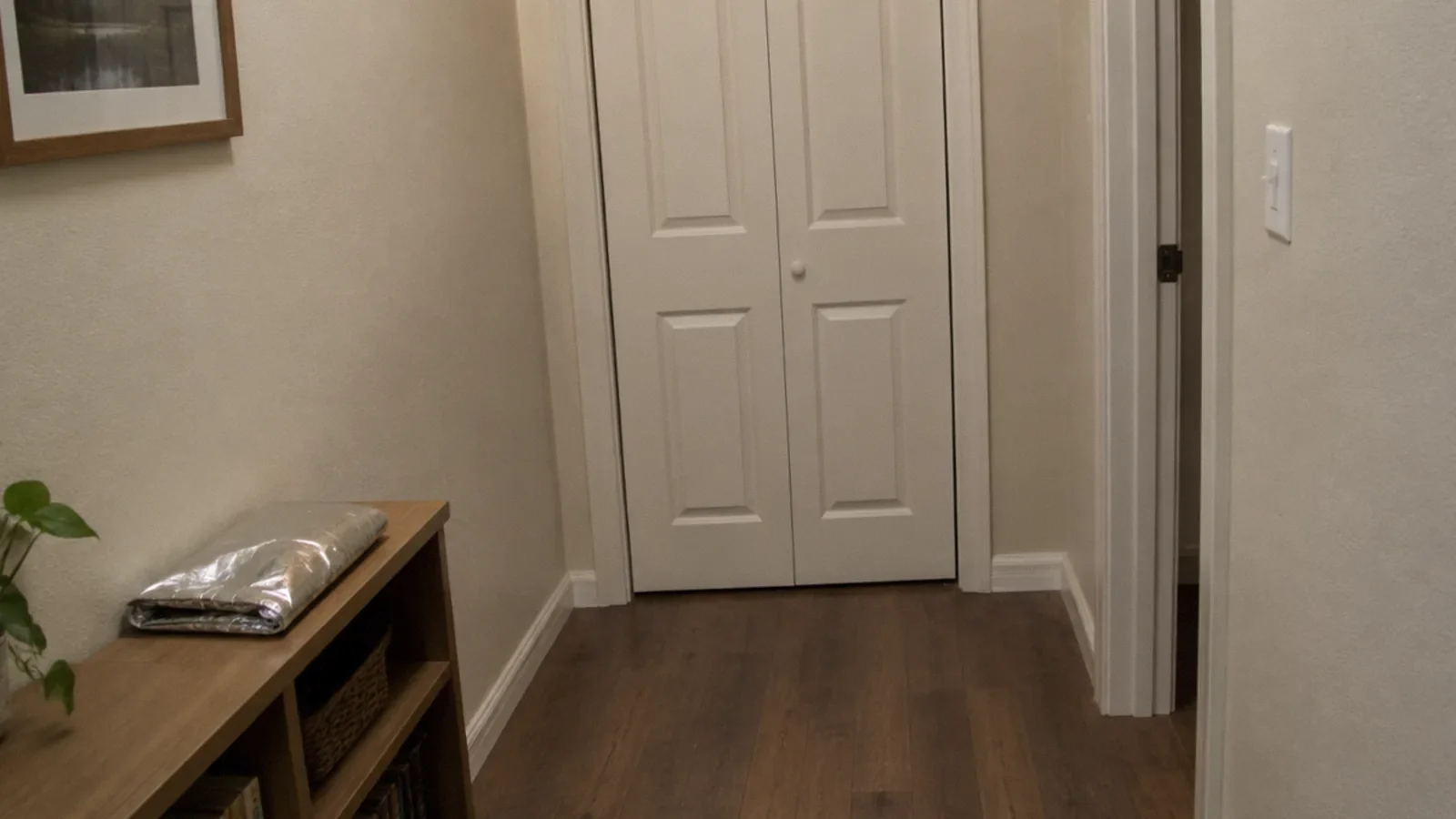
Go to a basement or a designated safe room. If neither is available, choose a small interior room, closet or hallway on the lowest floor of a sturdy building, away from windows and exterior walls. Put as many walls as practical between yourself and the outside.
Protect your head and neck from debris. Use a helmet, sturdy covering or cushions if immediately available without delaying shelter. In a school or workplace, follow the designated plan and avoid large open rooms and windows. Stay sheltered until local officials say the threat has passed.
Mobile homes and vehicles
Mobile homes and vehicles are not safe tornado shelters. Before severe weather arrives, identify a nearby sturdy building and a way to reach it. People who need additional travel time should plan to move early, potentially during a watch, rather than waiting until a tornado is near.
If caught on the road, seek the closest substantial shelter if it can be reached safely. Do not stop under a highway overpass as a shelter or try to outrun a visible tornado. If no building can be reached, follow National Weather Service guidance for the immediate situation and protect your head from debris.
How to receive warnings
Use more than one reliable alert method, such as local emergency notifications and NOAA Weather Radio, and make sure devices can alert you while sleeping. Learn your community’s siren policy; outdoor sirens may not be audible indoors and are not a substitute for a personal alert method.
Keep a charged phone or backup power source, know the name of your county and review location settings for alerts. A forecast, watch and warning are different products. An expired warning does not cancel another active warning or other hazard affecting the same area.
After the immediate threat
Continue monitoring official information for additional storms or instructions. Stay away from damaged buildings, broken glass and downed power lines; assume a fallen line is energized and report it to the utility or emergency services. Do not enter a damaged structure until authorities say it is safe.
Once safe, document damage from a distance and contact the insurer or property manager. If rain has entered the building, avoid wet electrical equipment and arrange an appropriate assessment. Safety and emergency response come before photographs or cleanup.
Planning before severe weather
Choose a safe shelter and a way to receive warnings before severe weather arrives. For evacuation planning and a detailed shelter supply checklist, see the separate guides. If a warning covers your location, move to shelter immediately rather than delaying to gather supplies.
Your next-step checklist
- Know the difference between a watch and a warning.
- Identify a sturdy shelter before severe weather arrives.
- Use more than one reliable alert method.
- Shelter immediately during a warning; do not wait to see a funnel.
- Stay away from damaged buildings and fallen power lines afterward.
Related questions
What does a tornado warning mean?
A tornado has been sighted or indicated by radar. Take shelter immediately in the area covered by the warning.
Does a warning mean a tornado has touched down?
Not necessarily. A warning can be based on radar indication or a sighting; it still requires immediate action.
Is a green sky always a tornado?
No. It is one possible severe-weather sign, not proof that a tornado is present or absent.
Should I shelter under an overpass?
No. The National Weather Service says an overpass is not a safe tornado shelter.
What does a tornado watch mean?
A watch means conditions are favorable for tornadoes in the watch area; remain alert and be ready to take shelter. A warning means a tornado has been indicated by radar or reported and calls for immediate protective action.
Sources & context
Public guidance supports the principles in this article. The practical questions and examples are editorial interpretation, not a site assessment or a coverage decision. State-specific rules apply only where identified.
- National Weather Service: Tornado alertsfederal weather guidance
- National Weather Service: During a tornadofederal weather guidance
- National Weather Service: Severe weather signsfederal weather guidance
- Ready.gov: Emergency supply checklistfederal preparedness guidance
- National Weather Service: tornado danger signsofficial guidance