A separate storm cellar is not the only shelter option. An appropriately designed underground shelter or above-ground safe room offers strong protection; a basement or small interior room in a sturdy building is an alternative. Choose a place everyone can reach in time.
Start with the best available protection
A storm cellar can offer valuable protection from tornado wind and debris, but every household does not need a separate underground room to have a shelter plan. The National Weather Service identifies an underground shelter or engineered above-ground safe room as among the safest options. If neither is available, a basement or a small interior room on the lowest floor of a sturdy building is the next practical choice.
No shelter guarantees safety in every event. The important decision is what protection is available at the places where you spend time, and whether everyone can reach it before conditions become dangerous. Make a plan before the storm rather than searching for a new location after a warning.
Underground storm cellar
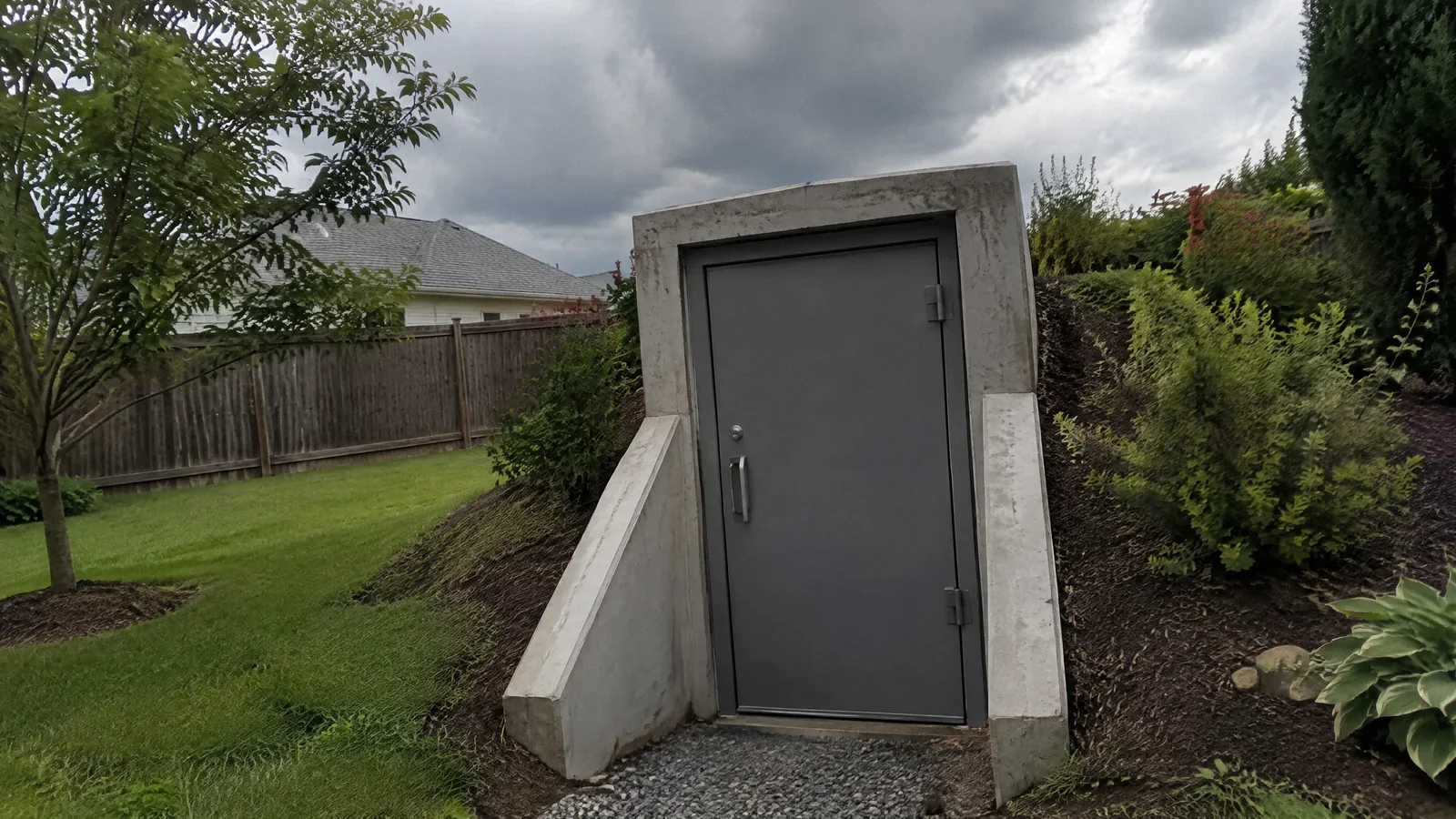
An underground shelter places occupants below grade and can shield them from wind and flying debris. Its effectiveness depends on the design, installation, door and anchorage, as well as the surrounding site. A hole in the ground or an ordinary storage cellar is not automatically an engineered storm shelter. Ask a qualified designer or installer what standard the specific shelter meets and how compliance is documented.
Consider access in darkness or rain, stairs, handrails, door operation and space for every intended occupant. A shelter that cannot be entered quickly by someone using a wheelchair or who needs assistance may not be the best practical option for that household. Practice the route and keep the entrance accessible.
Above-ground engineered safe room
An above-ground safe room designed for tornado loads is another option, including where excavation is impractical. The National Weather Service recognizes engineered above-ground safe rooms along with underground shelters as strong choices. FEMA guidance addresses design and construction requirements for safe rooms; ask the designer which edition and local requirements apply to the proposed installation.
Do not assume a bathroom, closet or concrete room qualifies as an engineered safe room merely because its walls feel solid. A purpose-designed room involves its entire system, including connections and door. A building official or qualified design professional can help evaluate an existing structure and determine whether the proposed work requires a permit.
Basement or interior room
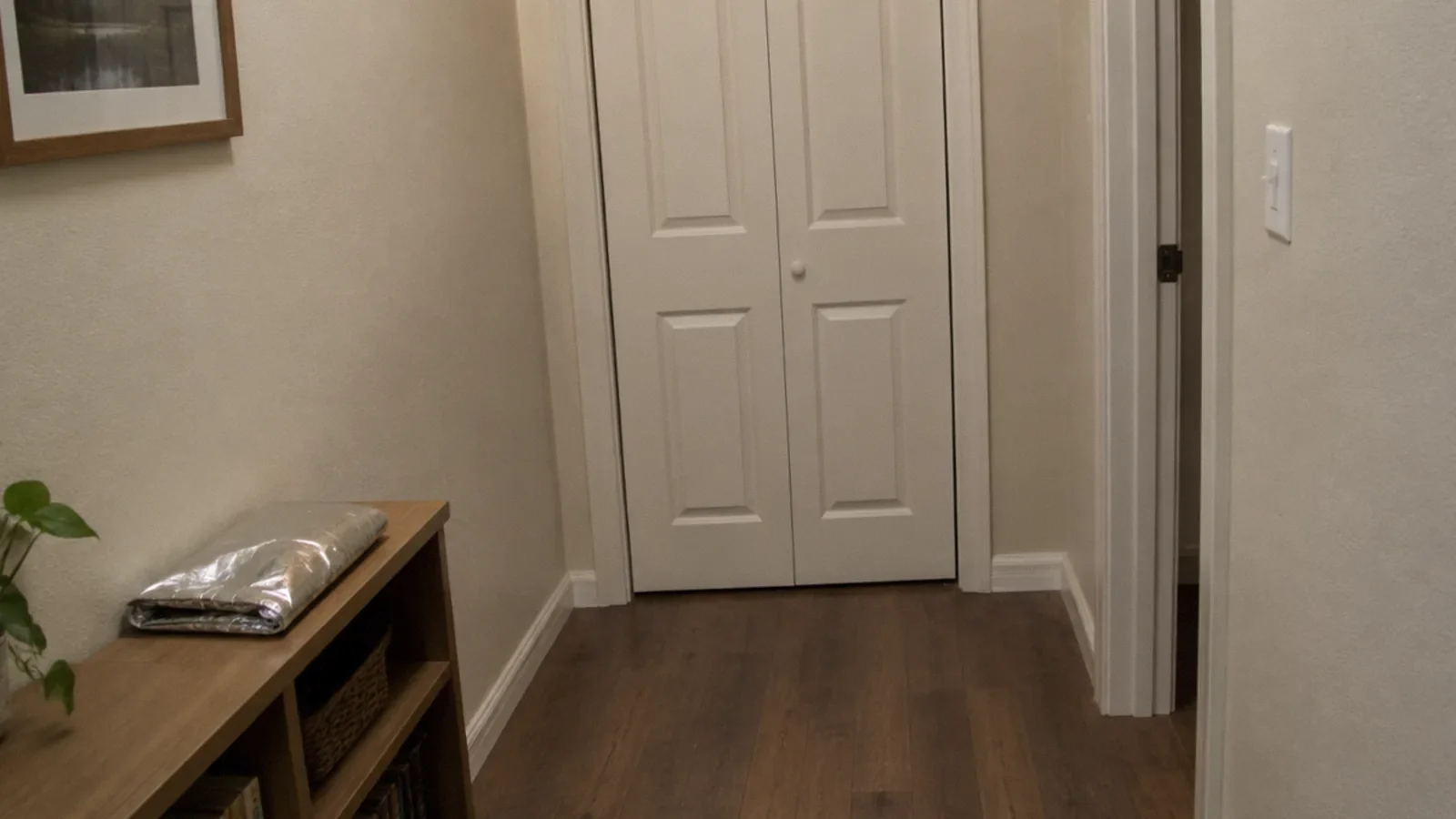
When an engineered shelter is unavailable, use a basement if accessible and move away from windows and areas beneath heavy objects on the floor above. If there is no basement, the National Weather Service advises a small interior room, closet, bathroom or hallway on the lowest floor of a sturdy building. Put as many walls as practical between yourself and the outside.
Protect your head and neck with a helmet, cushions or blankets if immediately available. An ordinary interior room is a refuge of last available choice within the building, not equivalent to a purpose-designed safe room. Do not delay shelter while gathering supplies, opening windows or trying to watch the storm.
Flooding can change the decision
An underground shelter can be hazardous in a flood-prone location. FEMA’s safe-room guidance cautions against in-ground safe rooms in flood-prone areas except under specified local circumstances, and discusses groundwater, buoyancy and water entering the entrance. A local building official and qualified designer must evaluate the actual site and applicable requirements.
If flooding or storm surge threatens, follow evacuation instructions rather than entering a below-grade space that could fill with water. Tropical systems can produce both wind and flooding, so the safest response depends on the local warning and timing. Do not assume an underground location is appropriate for every hazard.
Choose a shelter everyone can reach
Walk through the route with each household member, including children, older adults and anyone who needs mobility assistance. Consider lighting, steps, door width, pets, medical equipment and how to receive warnings at night. Identify an alternative if the primary entrance is blocked. Practice moving promptly without creating a trip hazard.
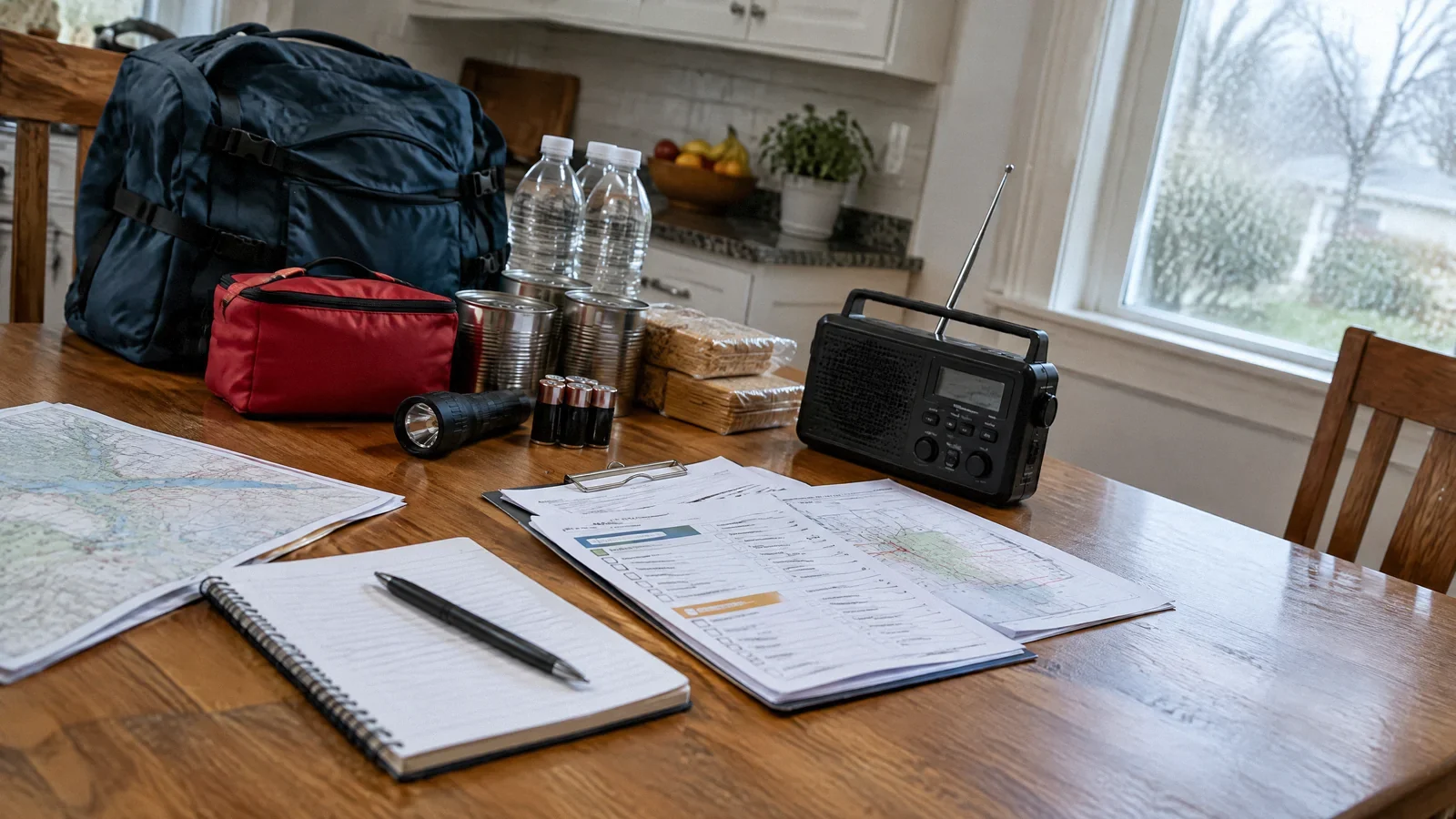
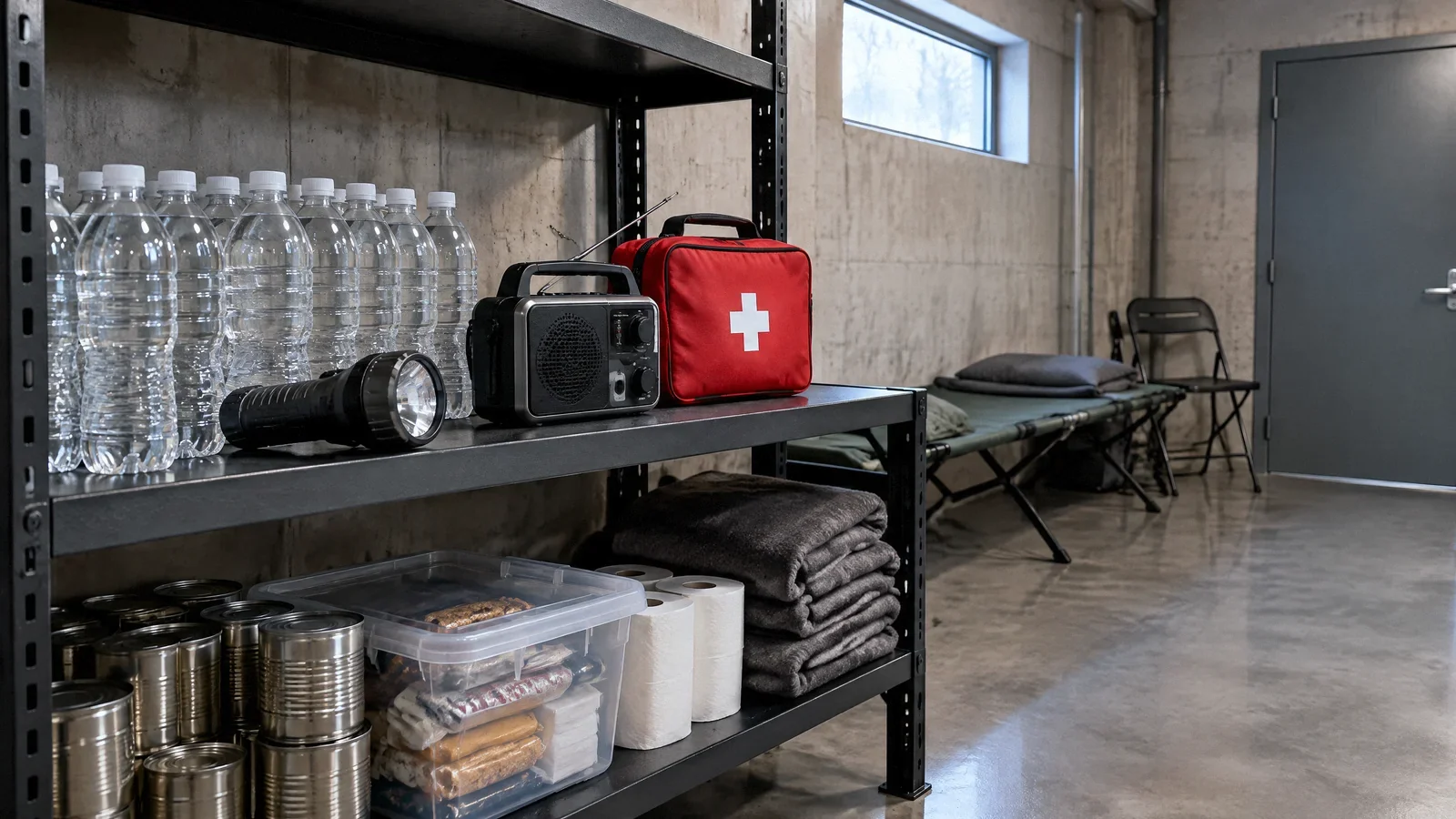
Keep a small set of supplies in or near the shelter if practical: a flashlight, communication device, essential medication information and head protection. Maintain the space and check batteries regularly. The separate tornado shelter supplies checklist provides a more detailed inventory; the tornado evacuation plan addresses routes and household coordination.
When a warning is issued
If a tornado warning covers your location, take shelter immediately in the best available place. Do not wait to see a funnel or hear a siren. Monitor official information from a protected location and remain sheltered until the threat has passed according to local guidance. A watch means conditions are favorable and is the time to review the plan and be ready.
Afterward, watch for additional storms, downed power lines and damaged structures. Do not enter a building that may be unstable. The right investment in a cellar or safe room is a site-specific decision, but a clear and accessible shelter plan is useful even before construction is possible.
Your next-step checklist
- Identify the best available shelter at home, work and school.
- Make sure everyone can reach it quickly.
- Plan early relocation from a mobile home.
- Consider flooding and access before choosing an underground shelter.
- Take shelter immediately when a warning covers your location.
Related questions
Is a storm cellar required for tornado safety?
A separate cellar is not the only option. An engineered above-ground safe room can provide strong protection; where neither exists, use a basement or a small interior room in a sturdy building.
Is an above-ground safe room useful?
Yes. A properly engineered and installed above-ground safe room can provide strong tornado protection. Verify the design and installation with qualified professionals.
Is every basement a storm shelter?
No. A basement can be a useful refuge, but it is not automatically an engineered shelter and may be unsafe during flooding.
Can I stay in a mobile home during a tornado warning?
Mobile homes are not safe tornado shelters. Plan to reach a designated shelter or sturdy building before severe weather arrives.
Sources & context
Public guidance supports the principles in this article. The practical questions and examples are editorial interpretation, not a site assessment or a coverage decision. State-specific rules apply only where identified.
- National Weather Service: Storm Anxiety and Shelterfederal weather safety guidance
- FEMA: Safe Rooms for Tornadoes and Hurricanesfederal safe-room guidance
- National Weather Service: Tornado Preparednessfederal weather safety guidance