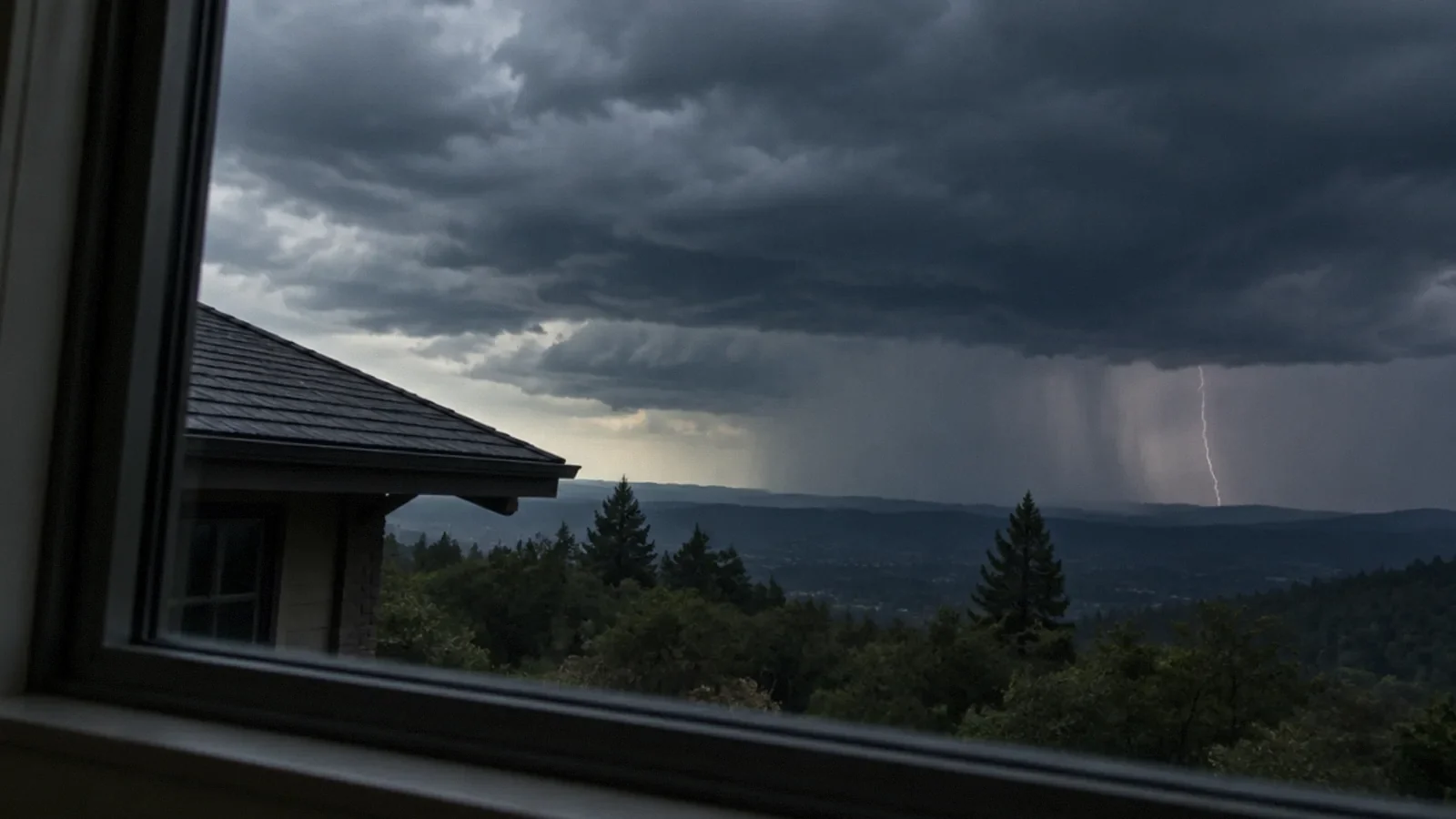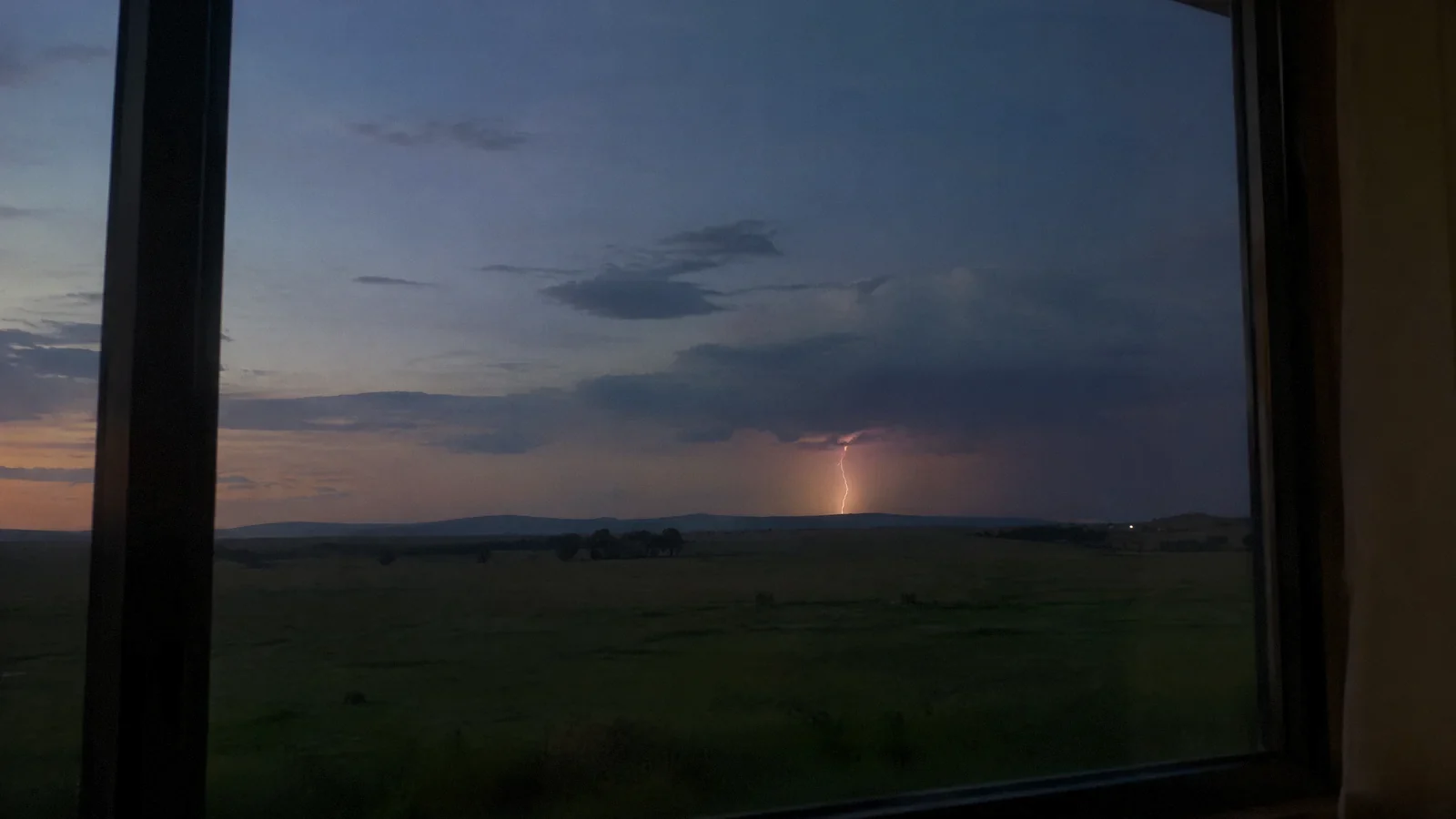
Lightning strikes the ground millions of times each year in the United States, but national estimates vary by definition and source. CDC’s July 2026 page estimates about 37 million ground strikes annually and says an individual’s annual chance of being struck is less than one in a million.
An annual estimate is not a count for this year
The Centers for Disease Control and Prevention’s lightning data page, dated July 10, 2026, states that about 37 million lightning strikes hit the ground in the United States each year. This is a rounded national estimate, not a live count or a claim that exactly that many occurred in a particular calendar year. The page does not specify the observation years or a detailed counting method for that figure.
The number at your location varies greatly with season and weather. A national annual figure cannot tell you how many strikes will occur near your house next week. Consult current National Weather Service forecasts and warnings for immediate decisions, and treat lightning as dangerous whenever a thunderstorm is nearby.
Why published figures differ
The National Weather Service describes roughly 25 million lightning flashes annually in a general lightning overview, while CDC’s 2026 page gives a higher estimate for ground strikes. These are separately published rounded estimates. Their pages do not provide enough matching details to treat the difference as proof of an increase or to reconcile the figures as identical measurements.
A meaningful comparison needs the same geography, observation years, detection network and unit. Some datasets count cloud-to-ground flashes, while others may describe strokes or include lightning within clouds. Coverage and detection methods can change. Look for the source’s definitions and study period before comparing numbers or claiming a record.
Flash, stroke and cloud-to-ground lightning
Lightning is an electrical discharge associated with a thunderstorm. Some lightning remains within or between clouds; cloud-to-ground lightning connects with the ground. The National Weather Service explains that a cloud-to-ground flash contains one or more leaders and return strokes. Several strokes may be associated with one flash, so those terms should not automatically be used interchangeably in a dataset.
A visible flicker is not a dependable way for an observer to count strokes or assess danger. Detection networks use sensors and analysis to identify electrical activity, with limits that depend on the system. An estimate is useful context, but it is not an exact inventory of every discharge or a measure of danger for one person.
A person’s risk is a different measure
CDC says the annual odds of an individual being struck by lightning are less than one in a million. That national statement is a broad average, not a guarantee for every activity or place. People who spend more time outdoors in thunderstorms can face greater exposure. Work, recreation, location and the ability to reach shelter all affect an individual situation.
The number of strikes on the ground is not the number of people struck. Lightning can injure a person through several pathways, including current traveling through the ground or through a building’s plumbing or wiring. A person does not need to be directly under a visible bolt to be in danger.
Where and when is lightning common?
CDC reports that lightning affects all U.S. regions and that strike frequency generally decreases from the Southeast toward the Northwest, with exceptions such as the Rocky Mountains. These are broad regional patterns, not guarantees for a particular county. Thunderstorms can occur outside their most familiar local season.
Outdoor plans should take both the forecast and changing conditions into account. Have a substantial enclosed building or hard-topped vehicle with windows closed available before storms develop. A tent, open shelter or isolated tree does not provide reliable lightning protection. Do not wait for rain to begin before moving to shelter.
What to do when thunder is nearby
CDC advises going inside if you hear thunder or see lightning. A substantial enclosed building or hard-topped vehicle with its windows up is safer than an open shelter. Remain in safe shelter for at least 30 minutes after you last hear thunder before resuming outdoor activities; follow local warnings and the more specific guidance for your situation.
Inside, avoid contact with running water, corded phones and devices connected to electrical outlets during the storm. Stay away from windows, doors and porches. The separate lightning safety guide explains practical precautions at home and outdoors in more detail.
Lightning injuries require an emergency response
Call emergency services if someone is struck. CDC states that a person struck by lightning does not retain an electrical charge and is safe to touch. Assess the scene for continuing danger, follow the dispatcher’s instructions and begin resuscitation if needed and you are able. Do not put yourself in an exposed location unnecessarily.
Lightning can affect the heart, nervous system and other organs, and injuries are not limited to visible burns. A person who appears to recover should receive emergency medical evaluation. Prevention is more effective than attempting to judge a storm’s distance from a photograph or a single flash.
How to read a lightning statistic
Identify the publisher, publication date, geographic coverage and years observed. Check whether the statistic counts flashes, strokes, ground contacts or people, and whether it is an estimate or a measured total. If the source does not explain its method, say so rather than inventing a period or implying unwarranted precision.
For planning, use historical patterns to understand exposure and current forecasts to decide what to do today. An annual national average is not a safe threshold. Every thunderstorm can produce lightning, including a storm outside the time or location you associate with peak activity.
Your next-step checklist
- Check the source, date, geography and unit of any estimate.
- Do not equate national ground strikes with individual injuries.
- Identify enclosed shelter before outdoor activities.
- Go inside when you hear thunder or see lightning.
- Wait at least 30 minutes after the last thunder before resuming outdoor activity.
Related questions
How many lightning strikes hit the United States each year?
CDC’s July 2026 page estimates about 37 million ground strikes annually in the United States. It does not state the observation period or detailed counting method for that estimate.
Is a flash the same as a stroke?
No. A cloud-to-ground flash can contain one or more return strokes, so statistics using those units may not be directly comparable.
How likely is a person to be struck?
CDC says an individual’s annual chance is less than one in a million, but exposure varies with location and activity.
Can lightning strike before it rains?
Yes. Seek a substantial enclosed shelter when you hear thunder or see lightning rather than waiting for rain.
Sources & context
Public guidance supports the principles in this article. The practical questions and examples are editorial interpretation, not a site assessment or a coverage decision. State-specific rules apply only where identified.
- CDC: Lightning Strike Victim Data, July 10, 2026federal public health data
- National Weather Service: Lightning Science Overviewfederal weather science
- National Weather Service: Types of Lightning Flashesfederal weather science
- CDC: Lightning Safetyfederal public health guidance
- National Weather Service: Lightning Tipsfederal safety guidance