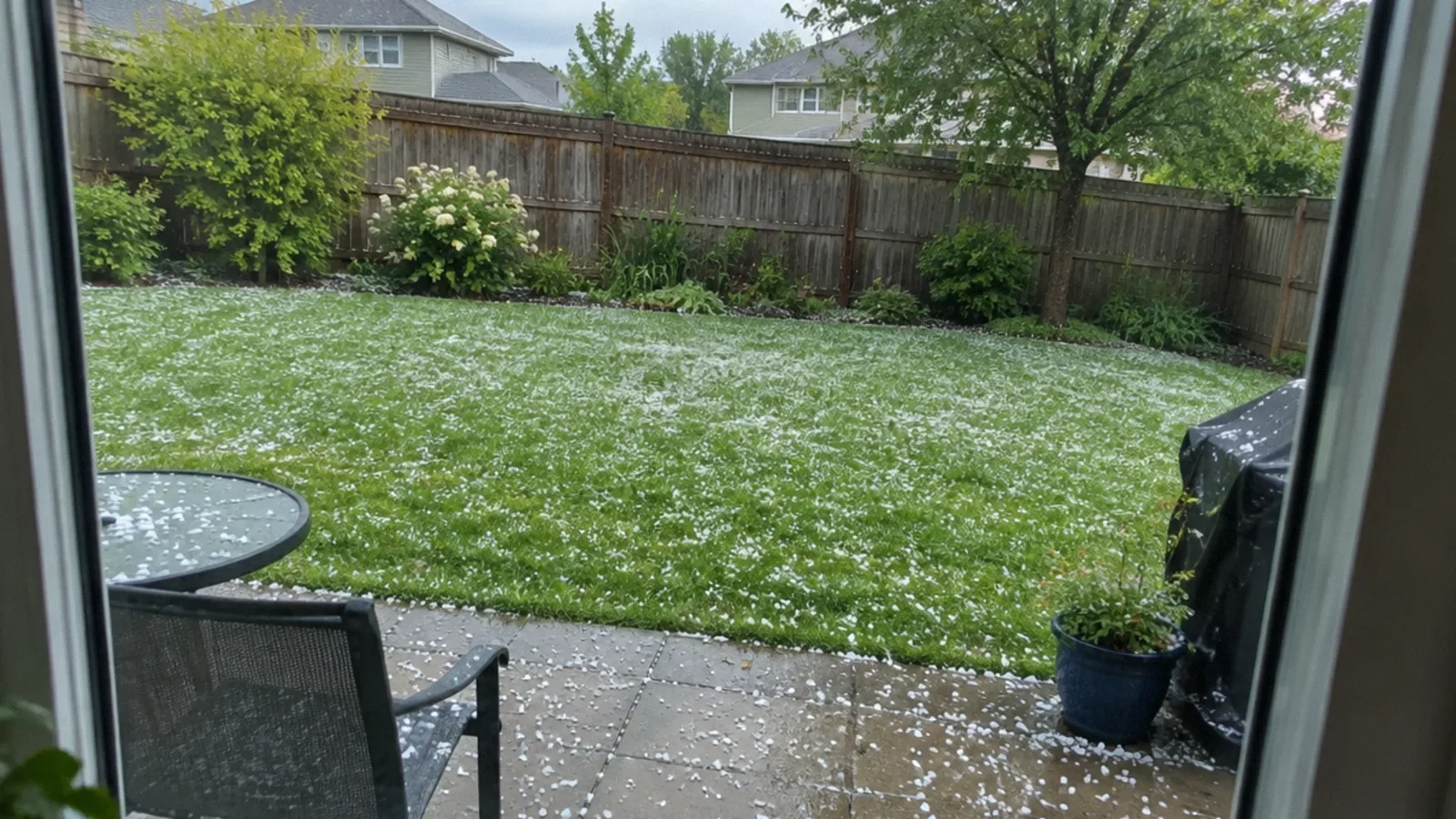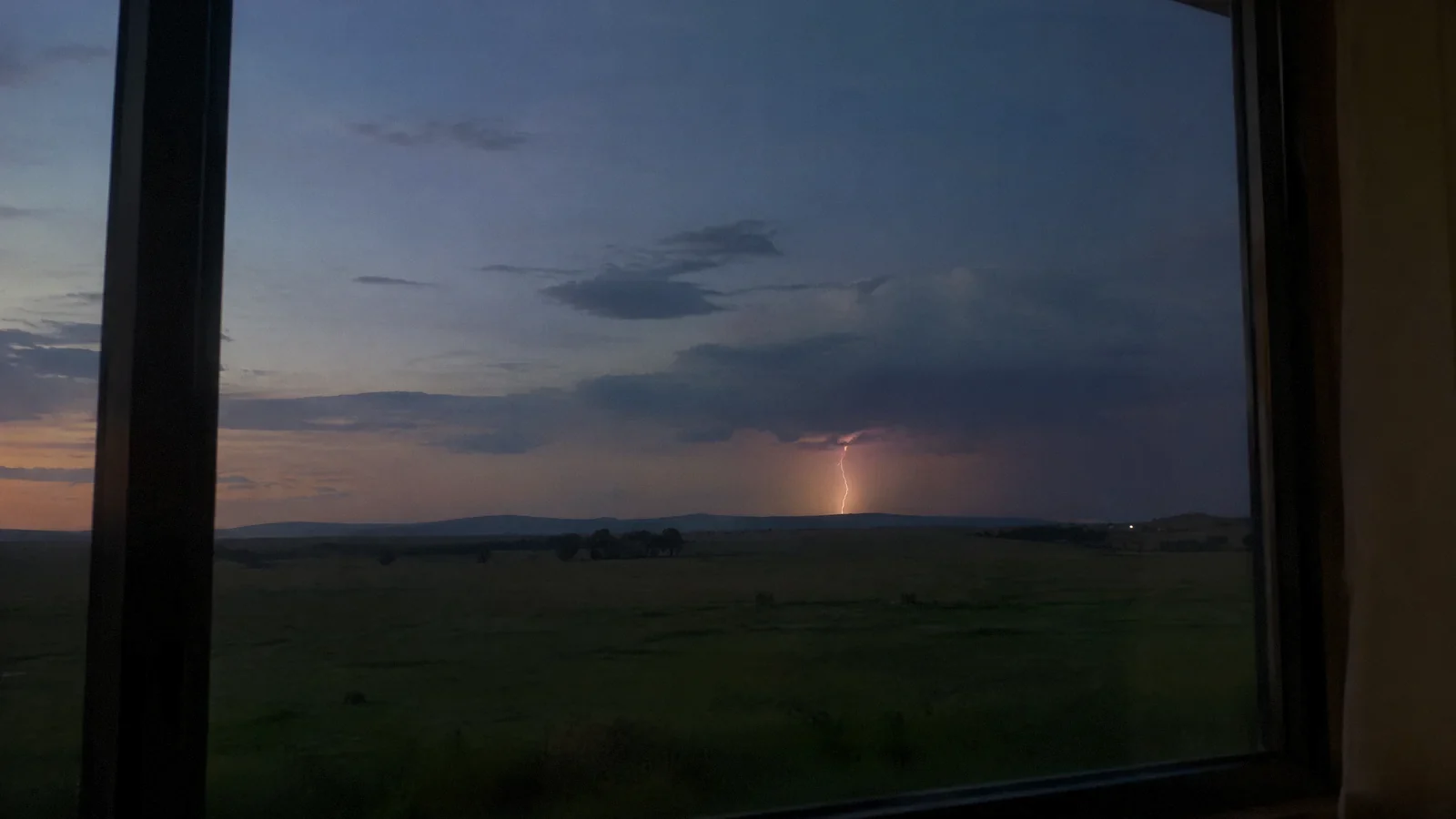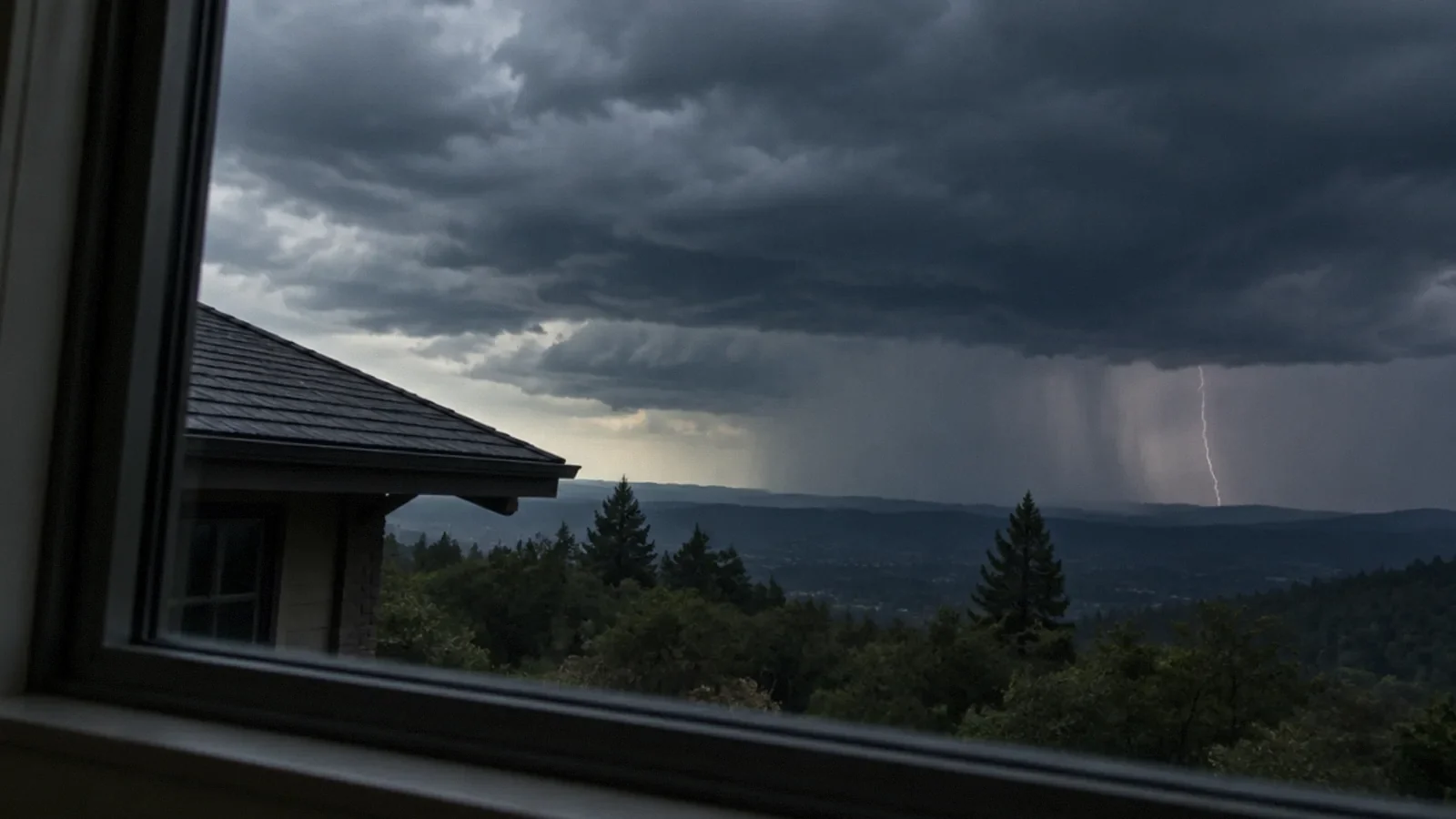
When thunder is audible, immediately enter a substantial building or an enclosed metal-topped vehicle with the windows up. Stay sheltered for at least 30 minutes after the last thunder. No outdoor location is safe during a thunderstorm.
Recognize the warning
Lightning can strike outside the area of heavy rain. The National Weather Service advises treating thunder as a warning that lightning is close enough to strike. Do not wait for rain, a visible flash nearby or an official warning before seeking appropriate shelter.
Check the forecast before outdoor activities and identify shelter you can reach quickly. A shelter plan matters for work sites, sports, hikes and gatherings. If a storm is developing, postpone activity early enough for everyone to move inside safely.
Choose substantial shelter
A substantial building with plumbing or electrical wiring is an appropriate first choice. A small open shelter, picnic pavilion, porch, carport or isolated tree does not offer the same protection. Close doors and windows and move away from exterior openings.
If a suitable building is not available, an enclosed, metal-topped vehicle with its windows raised is a safer alternative. Remain inside and avoid contact with conducting paths to the outside. A convertible, motorcycle or bicycle does not offer equivalent protection.
What to avoid inside
Lightning can enter a building directly, travel through outside wires or pipes, or enter through the ground. Stay away from sinks, faucets, showers and baths during a thunderstorm. Avoid corded phones and electrical equipment connected to an outlet.
Keep away from windows, exterior doors, porches and open garages. Do not lie on concrete floors or lean against concrete walls. A mobile phone that is not connected to a charger is different from a corded device; follow current National Weather Service guidance for the situation.
If you are outdoors
There is no safe place outdoors during a thunderstorm. Move immediately toward a substantial building or enclosed metal-topped vehicle; the best protection is to avoid being caught outside in the first place. Leave water and exposed high ground as you seek shelter.
If no appropriate shelter is reachable, the Weather Service lists actions that may reduce risk but do not make you safe: move away from isolated trees, water and conducting objects, avoid elevated terrain and do not lie flat. Continue toward appropriate shelter as conditions permit.
Lightning and vehicles
The metal shell of an enclosed hard-topped vehicle provides protection to people inside; rubber tires are not the reason. Raise the windows and avoid touching metal paths connected to the outside. Do not shelter against the outside of a vehicle.
A strike can damage the vehicle, including electrical components or tires. Once the storm has passed, have visible damage assessed and do not assume a vehicle is safe to operate merely because it starts. Follow emergency instructions if smoke, fire or an immediate hazard is present.
Can lightning strike a roof or the ground?
Yes. A house can be struck directly, and a ground strike can create hazardous current that travels through soil or connected systems. A roof does not guarantee protection from every consequence; indoor precautions remain relevant even inside a substantial building.
When lightning strikes the ground or an object on it, current spreads along and through the ground surface. It can injure someone nearby even without a direct strike. Do not lie flat; continue toward a substantial building or enclosed metal-topped vehicle. No outdoor position makes a thunderstorm safe.
If a strike is suspected and there is smoke, a fire alarm or another sign of fire, leave and call 911 from a safe location. Do not climb onto the roof or touch damaged wiring to investigate. Responders and qualified professionals can determine when the property is safe to enter.
After a strike or injury
A person struck by lightning does not retain an electrical charge. Call 911 immediately and follow dispatcher instructions; if the scene is safe and you are trained, begin the first aid or CPR directed by the dispatcher. Move people away from continuing hazards without endangering yourself.
After officials allow access, document visible building damage from a safe position and contact the appropriate insurer or property manager. Have qualified professionals evaluate damaged electrical systems, appliances and roof components. Do not use equipment that appears damaged or wet.
When is it safe to go back outside?
The National Weather Service advises staying in suitable shelter for at least 30 minutes after the last sound of thunder. Restart the wait if you hear thunder again. Local warnings and instructions from authorities may require additional precautions.
Your next-step checklist
- Seek a substantial building when thunder is heard.
- Use an enclosed metal-topped vehicle if necessary.
- Avoid plumbing, corded equipment, windows and porches.
- Wait at least 30 minutes after the last thunder.
- Call 911 for injury, smoke or fire.
Related questions
Can lightning enter through a roof?
A building can be struck directly; lightning can also enter through wires, pipes or the ground. Follow indoor safety guidance.
Are rubber tires what protect a car occupant?
No. The enclosed metal shell provides protection; keep windows raised and avoid conducting paths to the exterior.
How long should I wait after thunder?
The National Weather Service recommends at least 30 minutes after the last sound of thunder.
Can a lightning victim be touched?
A lightning victim carries no residual electrical charge. Call 911 and provide assistance when the scene is safe.
Sources & context
Public guidance supports the principles in this article. The practical questions and examples are editorial interpretation, not a site assessment or a coverage decision. State-specific rules apply only where identified.
- National Weather Service: Lightning tipsfederal weather safety guidance
- National Weather Service: Lightning indoorsfederal weather safety guidance
- National Weather Service: Lightning and carsfederal weather safety guidance
- National Weather Service: Ground currentfederal weather safety guidance