There is no single end date for every storm. The Atlantic and eastern Pacific hurricane seasons officially end November 30, but tropical cyclones can form outside those dates. Thunderstorms, tornadoes and winter storms have different regional patterns.
First identify the storm and location
Storm season is an informal phrase that may refer to hurricanes along the coast, thunderstorms in the Plains or ice storms farther north. Each type forms under different conditions. Even places exposed to the same kind of storm can experience different periods of higher activity. There is no national date after which all damaging storms stop.
If you are checking a travel or property plan, identify the city, the hazard and the agency issuing the forecast. A calendar describes typical conditions across a broad area; the local forecast describes what is expected at a particular time and place. Keep alerts active when an event is possible, even outside a familiar seasonal window.
Atlantic hurricane season
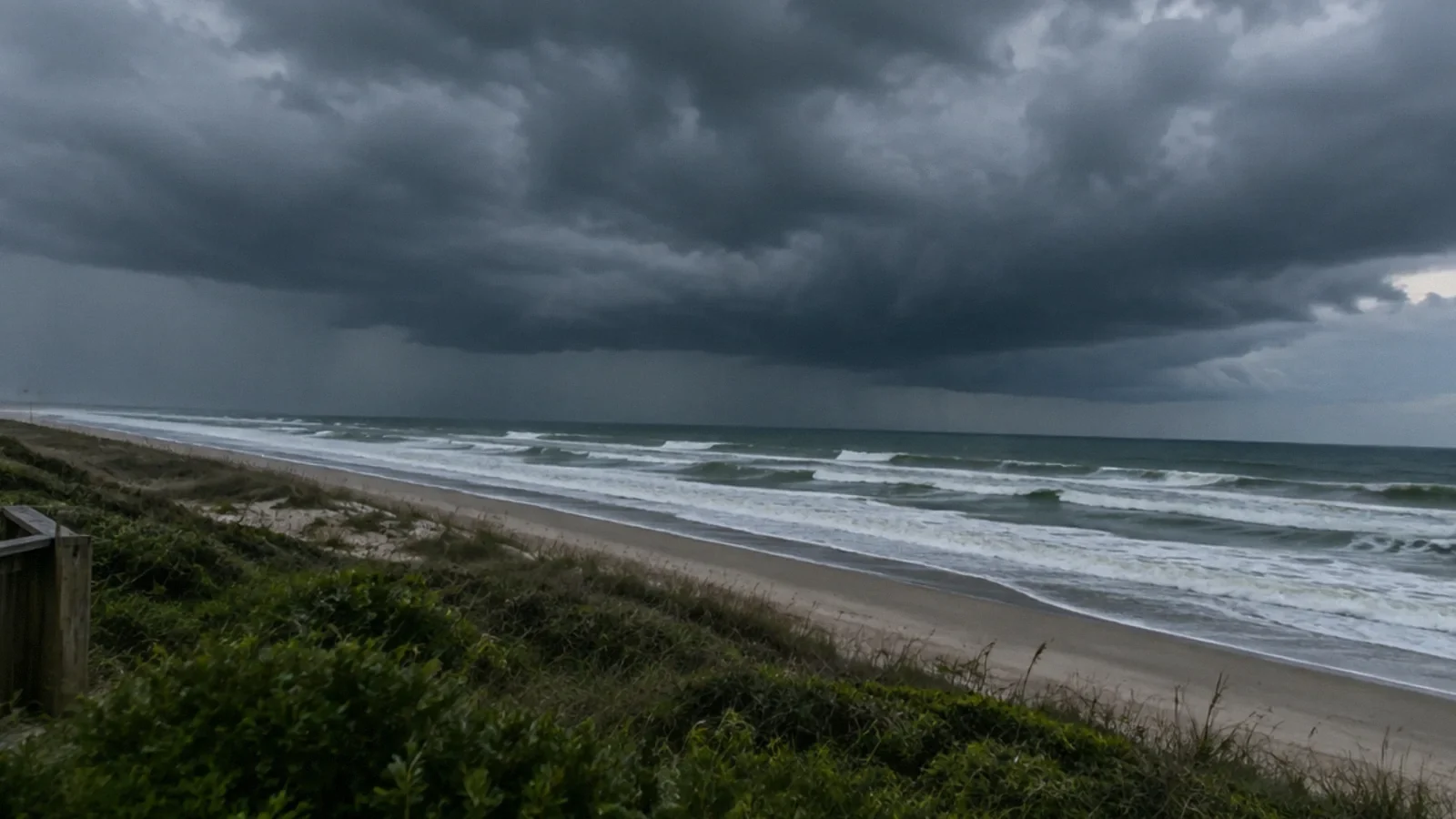
The National Hurricane Center defines the Atlantic hurricane season as June 1 through November 30. Its Atlantic basin includes the Atlantic Ocean, Caribbean Sea and Gulf of Mexico. These dates describe the portion of the year with relatively high hurricane incidence, not a physical boundary that prevents a storm from developing in December or May.
For context, the National Hurricane Center identifies September 10 as the Atlantic activity peak in its climatology and says most activity occurs from mid-August through mid-October. This is a historical pattern, not a prediction that a particular location will be struck then or be safe on either side of that period. A storm can cause wind, rain, surge or flooding far from the center.
Pacific hurricane season dates
The eastern Pacific hurricane season officially runs from May 15 through November 30. The eastern Pacific basin extends west from Mexico and Central America to 140 degrees west longitude. The central Pacific season runs from June 1 through November 30; the Central Pacific Hurricane Center monitors the area between 140 degrees west and the International Date Line.
These basin boundaries are useful for interpreting official outlooks, but they do not replace a local forecast. A system may move between areas, weaken or change direction, and its impacts need not remain inside a forecast track line. Consult the responsible hurricane center and local emergency officials for current advisories.
Can hurricanes happen outside the official dates?
Yes. The National Hurricane Center notes that tropical cyclone activity sometimes occurs before or after the official Atlantic season and occasionally outside the eastern Pacific season. Such events are less typical, but the end of November does not guarantee that an individual storm cannot form or affect land.
The dates also do not tell you whether a system will produce dangerous flooding, wind or surf at your address. If an advisory is issued outside the season, respond to its actual hazards. Before a trip, check the forecast for both departure and destination rather than relying solely on a calendar.
Thunderstorms and tornadoes have different patterns
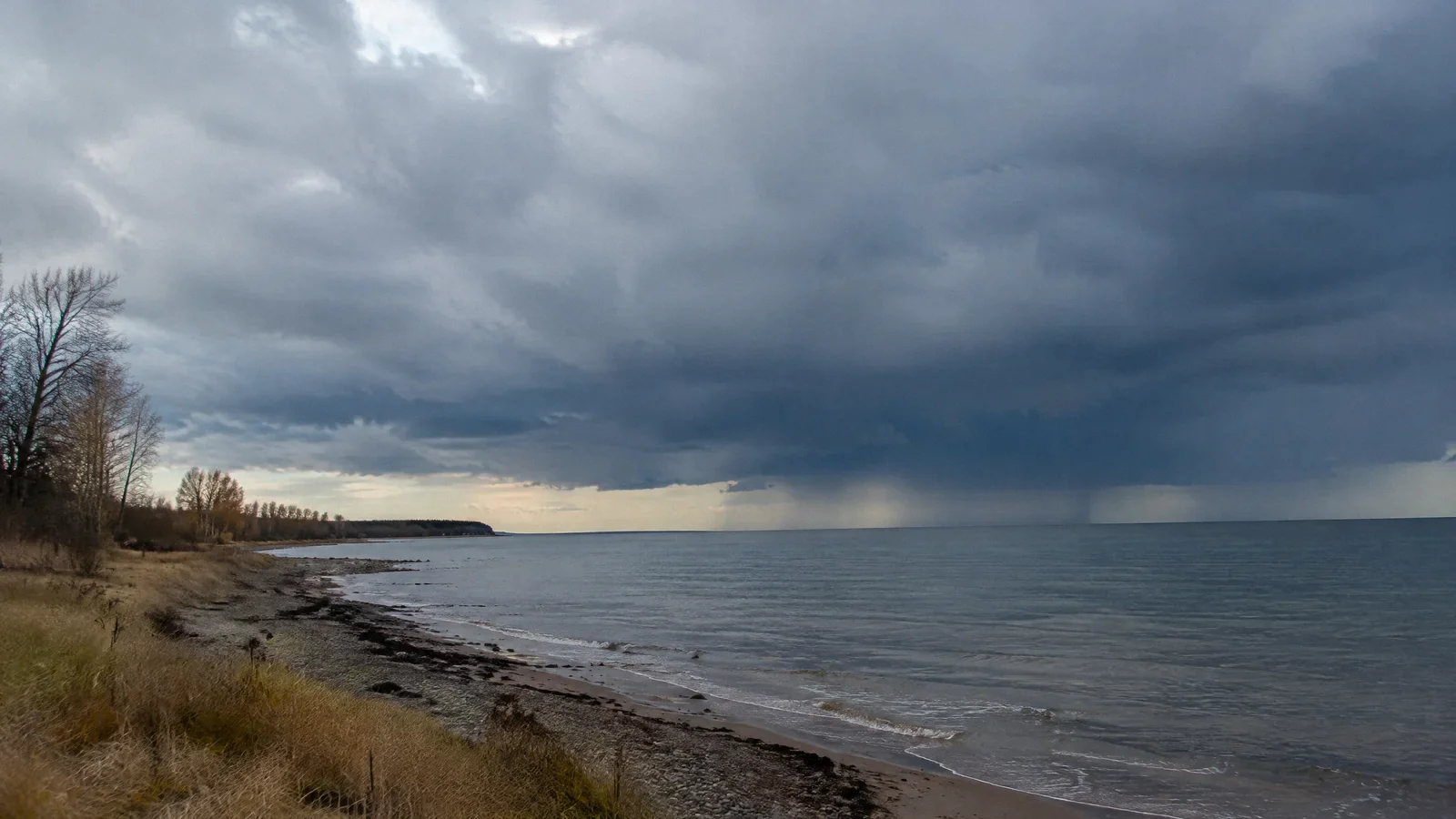
Severe thunderstorms can occur in any month where the necessary atmospheric conditions develop. Their higher-activity periods differ by region, and a tornado can occur outside a commonly described spring peak. A single date such as November 30 therefore should not be used as an end to all severe-weather preparations.
A watch means conditions favor a hazardous event in the covered area; a warning calls attention to an event occurring or expected imminently in the specified area. Read the full local message and know your shelter location before weather deteriorates. A tornado warning needs an immediate response even if the month seems unusual.
Winter storms and overlapping risks
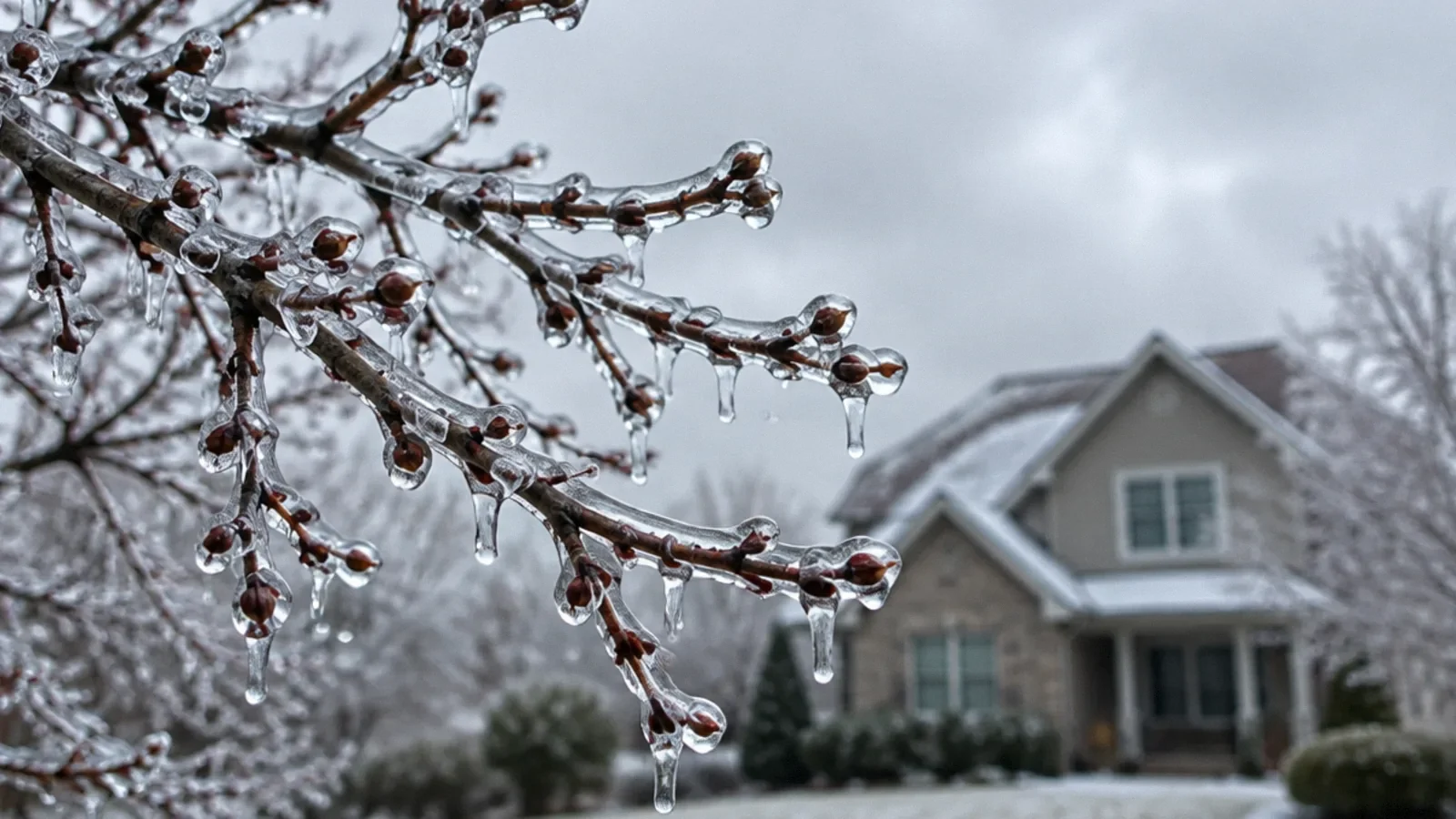
Snow, freezing rain and strong winter winds follow a different seasonal pattern from tropical cyclones. Cold-season weather varies with latitude, elevation and the individual year. An autumn hurricane-season end date is not a reliable marker for ending outage preparation where ice or heavy snow can follow.
Some hazards overlap: both tropical and winter storms can interrupt electricity, block roads or damage roofs. However, the protective actions differ. Local emergency management and National Weather Service forecasts explain whether a particular event calls for evacuation, shelter or avoiding travel. Never assume an ordinary rainy season has a universal nationwide end.
How to use the calendar in a practical plan
Before the local period of higher risk, review your alert settings, evacuation route if applicable, medications, water and a way to communicate during an outage. Check whether a household member needs assistance or electrically powered equipment. Find the local emergency management office and save its instructions before service is disrupted.
After the official season, review supplies and address any storm damage when it is safe. Keep enough preparedness in place for the hazards your area can experience in the next season. Insurance and building preparations depend on your location and circumstances; seasonal dates themselves do not determine whether a policy covers a loss.
Follow the forecast, not just the date
A historical season summarizes many years. Weather does not follow its average in every year, and a region can see little activity during a typical peak or an unusual event outside it. Check updates as a storm approaches because track, timing and local impacts can change.
The National Hurricane Center publishes basin-wide outlooks and advisories, while local National Weather Service offices provide location-specific warnings and forecasts. Local authorities give evacuation and return instructions. Use those current products together and avoid crossing flooded roads or entering areas officials have closed.
Your next-step checklist
- Identify the storm type and location.
- Check the relevant basin season and current local forecast.
- Keep alerts available outside the official hurricane season.
- Review shelter, evacuation and outage plans for local hazards.
- Follow local warnings and evacuation instructions.
Related questions
When does Atlantic hurricane season end?
The official Atlantic hurricane season ends November 30. Tropical cyclones can still develop outside the official dates.
Does storm season end on the same date everywhere?
No. Hurricane dates differ by basin, while thunderstorms, tornadoes and winter storms follow different regional patterns.
When does eastern Pacific hurricane season end?
Its official season runs from May 15 through November 30, although activity can occasionally occur outside those dates.
Can a tornado happen after hurricane season?
Yes. Tornadoes and hurricanes are different hazards, and tornadoes can occur in any month when conditions are favorable.
Sources & context
Public guidance supports the principles in this article. The practical questions and examples are editorial interpretation, not a site assessment or a coverage decision. State-specific rules apply only where identified.
- National Hurricane Center: Tropical Cyclone Climatologyfederal weather climatology
- National Hurricane Center: Glossaryfederal weather definitions
- Central Pacific Hurricane Center: Aboutfederal weather guidance
- NOAA National Severe Storms Laboratory: Tornado Basicsfederal weather science
- National Weather Service: Thunderstorm Developmentfederal weather science