Hurricanes can damage buildings through high winds, storm surge, heavy rainfall, inland flooding and tornadoes. A wind category does not describe every flood hazard. Follow official forecasts and evacuation orders, prepare before conditions deteriorate and never enter floodwater or a damaged building until authorities say it is safe.
Hurricane hazards are not only wind
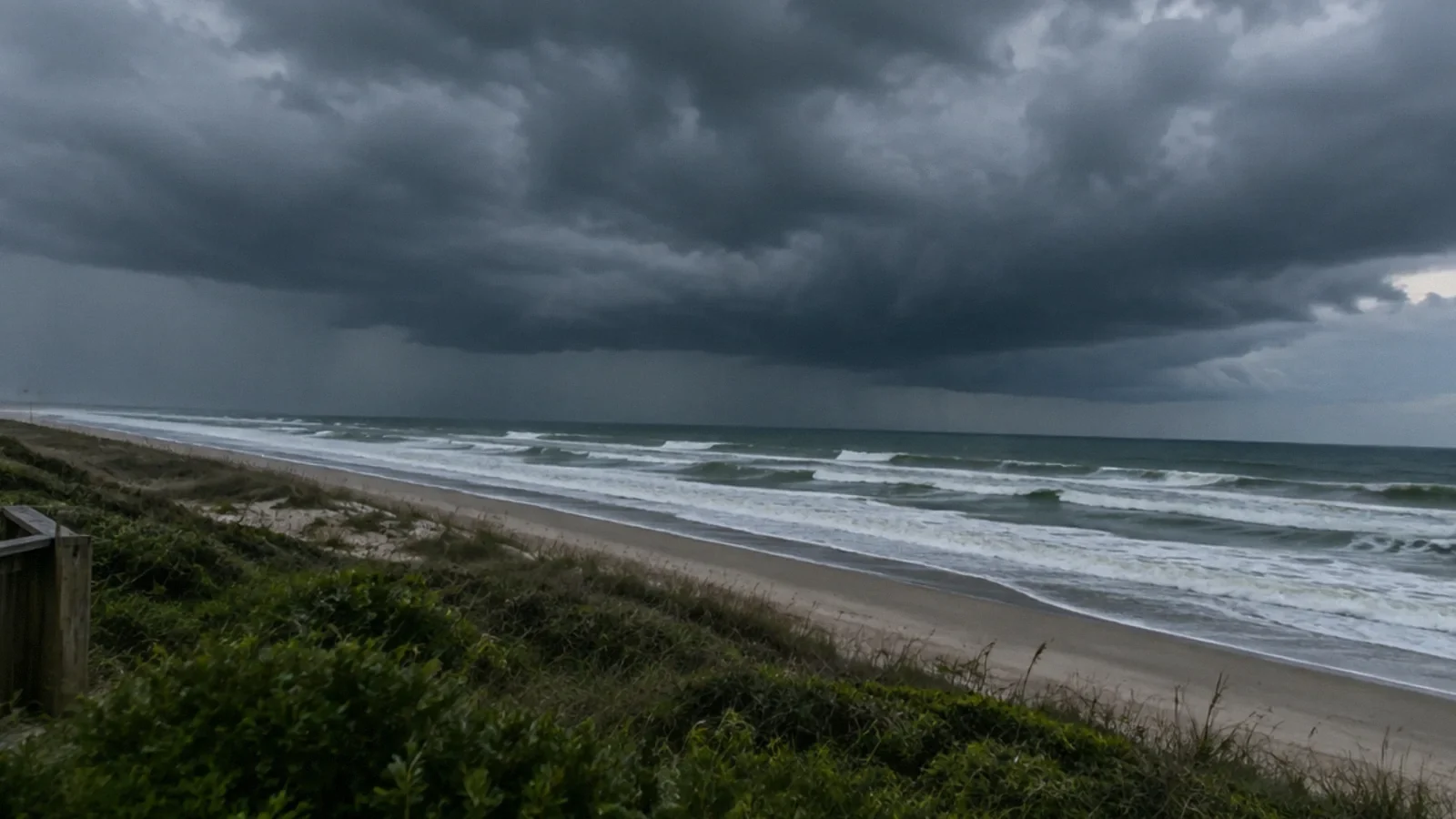
The National Hurricane Center identifies storm surge, heavy rain and inland flooding, high winds, dangerous surf and tornadoes as major tropical-cyclone hazards. These impacts can extend well beyond the storm’s center and may affect different places at different times.
A hurricane’s category describes sustained wind intensity, not total rainfall or surge at a particular address. A lower-category storm can still produce life-threatening flooding. Read the full local forecast and evacuation information rather than relying on the category alone.
Wind and flying debris
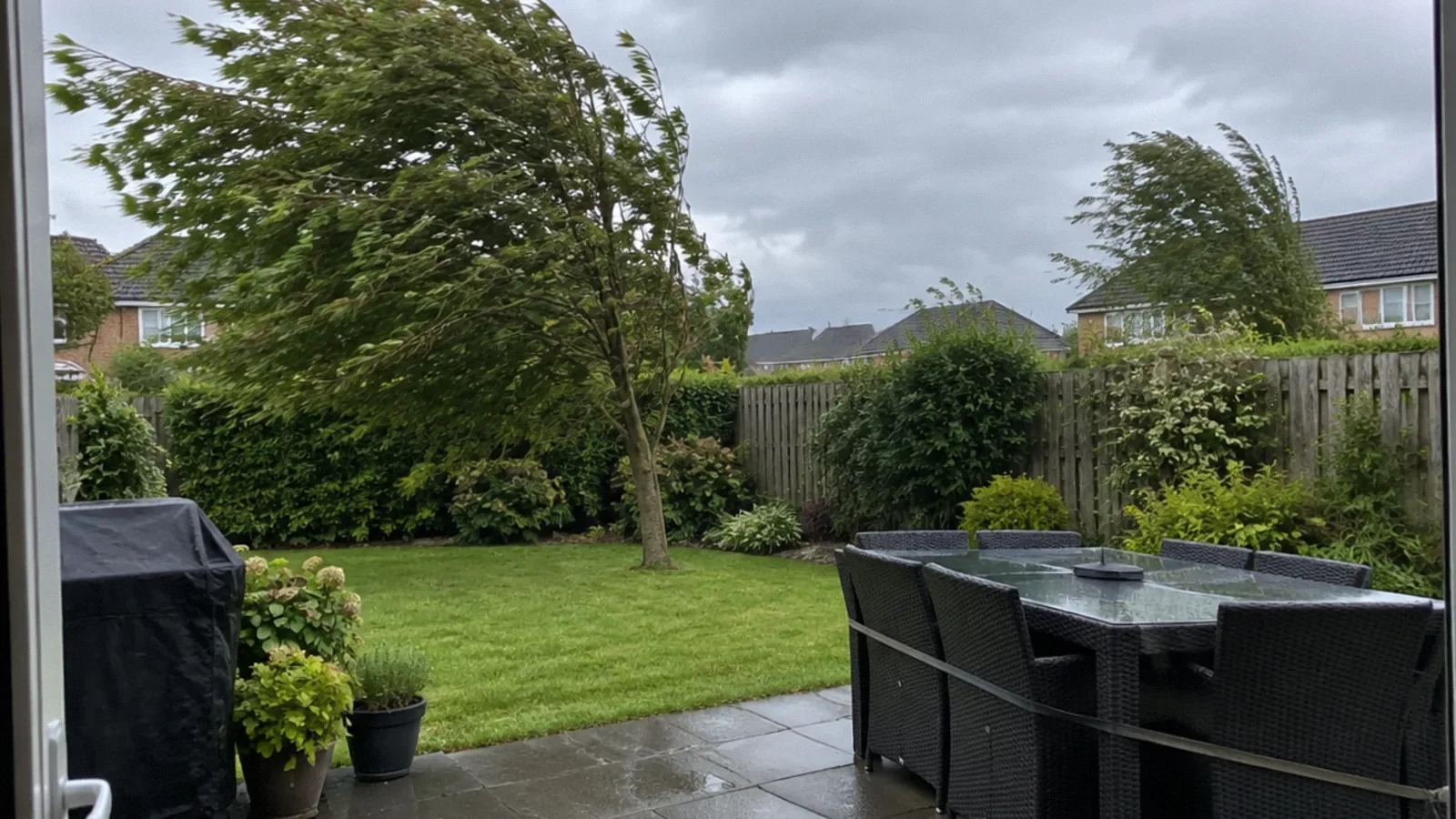
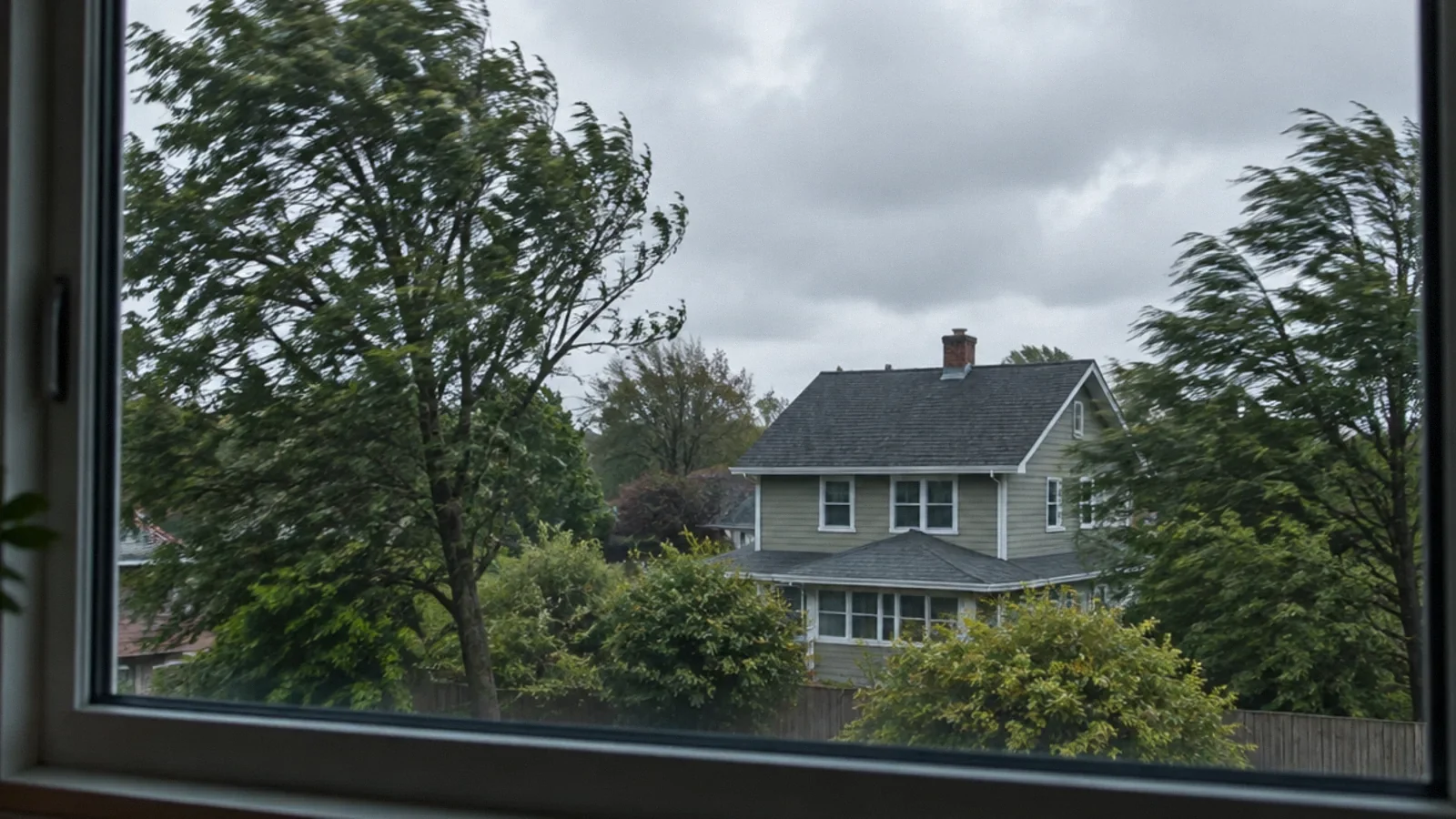
Strong wind can damage roofs, siding, windows, doors and power lines. Loose outdoor objects can become dangerous debris, and a damaged roof or opening can allow rain to enter. The effect on a particular building depends on its construction, condition, exposure and the storm.
Before a storm, secure or bring in movable items when it is safe, and use window protection appropriate for the building and local guidance. Do not climb onto a roof as winds increase. Follow evacuation orders rather than remaining to protect belongings.
Storm surge and coastal flooding
Storm surge is an abnormal rise in water driven by a storm’s winds. Along the coast, surge and waves can inundate buildings and damage roads, utilities and foundations. Water can also travel inland along bays, rivers and other connected waterways.
Know whether your address is in an evacuation or surge-risk area and follow local officials’ instructions. A building that appears above normal high tide is not automatically safe from surge. Leave early when ordered and use the route specified by local authorities.
Heavy rain and inland flooding
Tropical systems can produce prolonged or intense rain far from the coast. Flooding can develop quickly or continue after the storm center has moved away. The National Hurricane Center notes that rainfall is not determined solely by wind category.
Never drive, walk or swim through floodwater; its depth, current and hazards can be difficult to judge. Move to safer ground as directed and monitor flood alerts. Water entering a home can damage drywall, insulation, electrical equipment and belongings even where winds are less severe.
Tornadoes, surf and power outages
Tornadoes can form in hurricane rainbands, including well away from the center. If a tornado warning is issued for your location, take shelter immediately in the safest available interior location of a sturdy building. Follow local guidance for the combined flood and wind hazards.
Power outages can interrupt medical equipment, refrigeration and communications. Plan for essential needs before the storm and use generators outdoors according to official safety guidance, well away from doors, windows and vents. Never run a generator inside a home, garage or other enclosed space.
What the hurricane category tells you
The Saffir–Simpson Hurricane Wind Scale has five categories based on maximum sustained wind. Category 5 is the highest on that scale; there is no official Category 6 in the current scale. Wind categories describe potential wind impacts, not an individual building’s guaranteed outcome.
A category also does not measure storm surge, rainfall, tornado potential or the full size of the storm. Check separate warnings for each hazard. A changing forecast may require a different action even when the category remains the same.
Prepare before conditions worsen
Make an evacuation and communication plan, identify a safe destination, prepare supplies and account for children, pets, accessibility needs and medications. Secure important records in an accessible form and review insurance documents before an event. Keep devices charged and use multiple reliable alert sources.
Inspect and maintain drainage and roof components during safe weather, not during a warning. Ask a qualified professional about building-specific wind and flood improvements. No measure guarantees that a property will avoid damage, and preparation does not replace an evacuation order.
After the storm
Return only when local officials say it is safe. Stay away from fallen wires, unstable trees, damaged structures and standing water near electrical equipment. Floodwater may contain sewage or chemicals. Do not operate wet appliances or enter a flooded area to reach an electrical panel.
Once safe, document visible damage and contact the insurer or property manager. Stop a continuing source only when it can be done safely, and arrange an experienced assessment for contaminated water or structural damage. Keep receipts and distinguish emergency protective work from permanent repairs.
Before, during and after a tropical storm or hurricane
Before a tropical storm or hurricane, follow local forecasts and warnings, identify an evacuation route and destination, assemble medications, water, food and essential documents, and leave promptly if authorities order evacuation. Prepare for both wind and heavy rain, including flooding well inland. Do not wait until travel becomes dangerous.
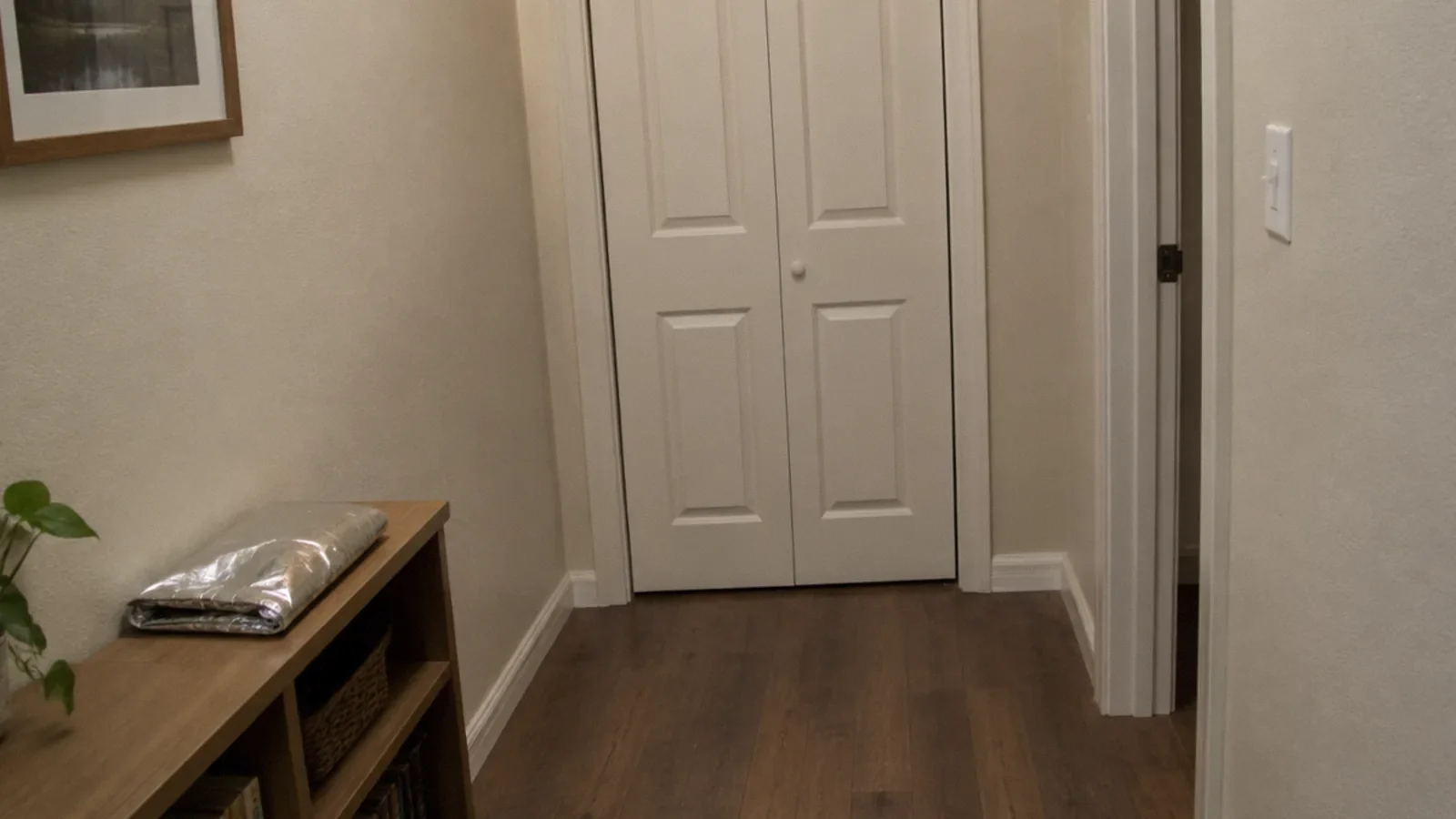
During the storm, follow official instructions and shelter in a small interior room away from windows if remaining is safe. If flooding threatens, move to higher levels; do not enter a closed attic where rising water could trap you. Afterward, wait for official clearance, avoid floodwater and downed lines, and document damage from a safe location. Storm category describes wind and does not rule out dangerous rainfall or surge.
Your next-step checklist
- Know local surge, flood and wind risks.
- Follow evacuation orders and shelter instructions.
- Secure loose objects before dangerous weather.
- Never enter floodwater or approach fallen wires.
- Document damage only after authorities allow safe access.
Related questions
What kinds of damage do hurricanes cause?
High winds, storm surge, heavy rainfall, inland flooding and tornadoes can damage buildings, utilities and roads.
Can a lower-category hurricane cause severe flooding?
Yes. Wind category does not measure rainfall or storm surge at a specific location.
Is there a Category 6 hurricane?
The current Saffir–Simpson Hurricane Wind Scale has five categories; Category 5 is the highest.
When can I return to a damaged house?
Follow local authorities’ instructions and return only when they say it is safe. Avoid floodwater, damaged structures and fallen wires.
Can people prevent hurricanes from forming?
No established method can prevent hurricanes. See the hurricane myths and facts guide and follow local alerts.
What is storm surge?
Storm surge is an abnormal rise of coastal water associated with a storm, influenced by winds, pressure, shoreline and other factors. It can flood areas away from the storm center; follow evacuation instructions and current warnings.
Sources & context
Public guidance supports the principles in this article. The practical questions and examples are editorial interpretation, not a site assessment or a coverage decision. State-specific rules apply only where identified.
- National Hurricane Center: Hurricane hazardsfederal weather guidance
- National Weather Service: Hurricane safetyfederal weather guidance
- National Weather Service: Actions during a hurricanefederal weather guidance
- National Weather Service: Tropical cyclone research and affected statesfederal weather guidance
- Official guidanceofficial
- National Weather Service: Hurricane actionsofficial