Stay away from the outlet and water, do not touch plugs, switches or the receptacle, and keep others clear. If power cannot be isolated from a dry, safe location, contact the utility or a qualified electrician. A water-damaged outlet needs professional evaluation before power is restored or it is used.
Keep clear of the wet outlet
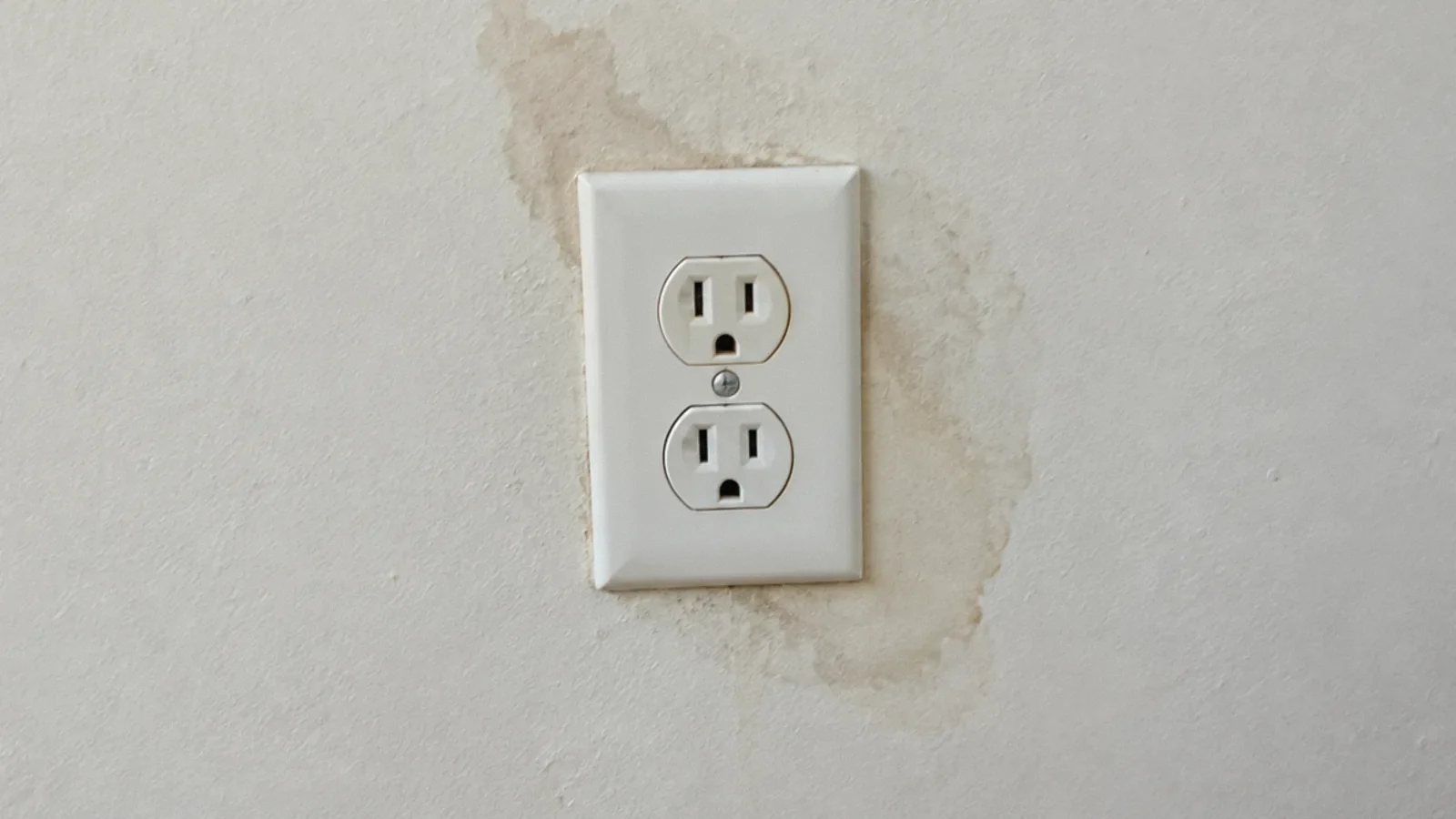
Water and electrical equipment can create a shock or fire hazard. Do not touch the receptacle, a connected plug, a switch, a wet wall or standing water near it. Keep children and pets away. If you see smoke, sparks or fire, leave and call 911 from a safe location.
A small spill can enter the box or wall even when little water remains visible. Do not insert a cloth or tool into the outlet, cover it with a towel or use a hair dryer. Treat the equipment as potentially energized until qualified personnel establish otherwise.
Do not approach a wet electrical panel
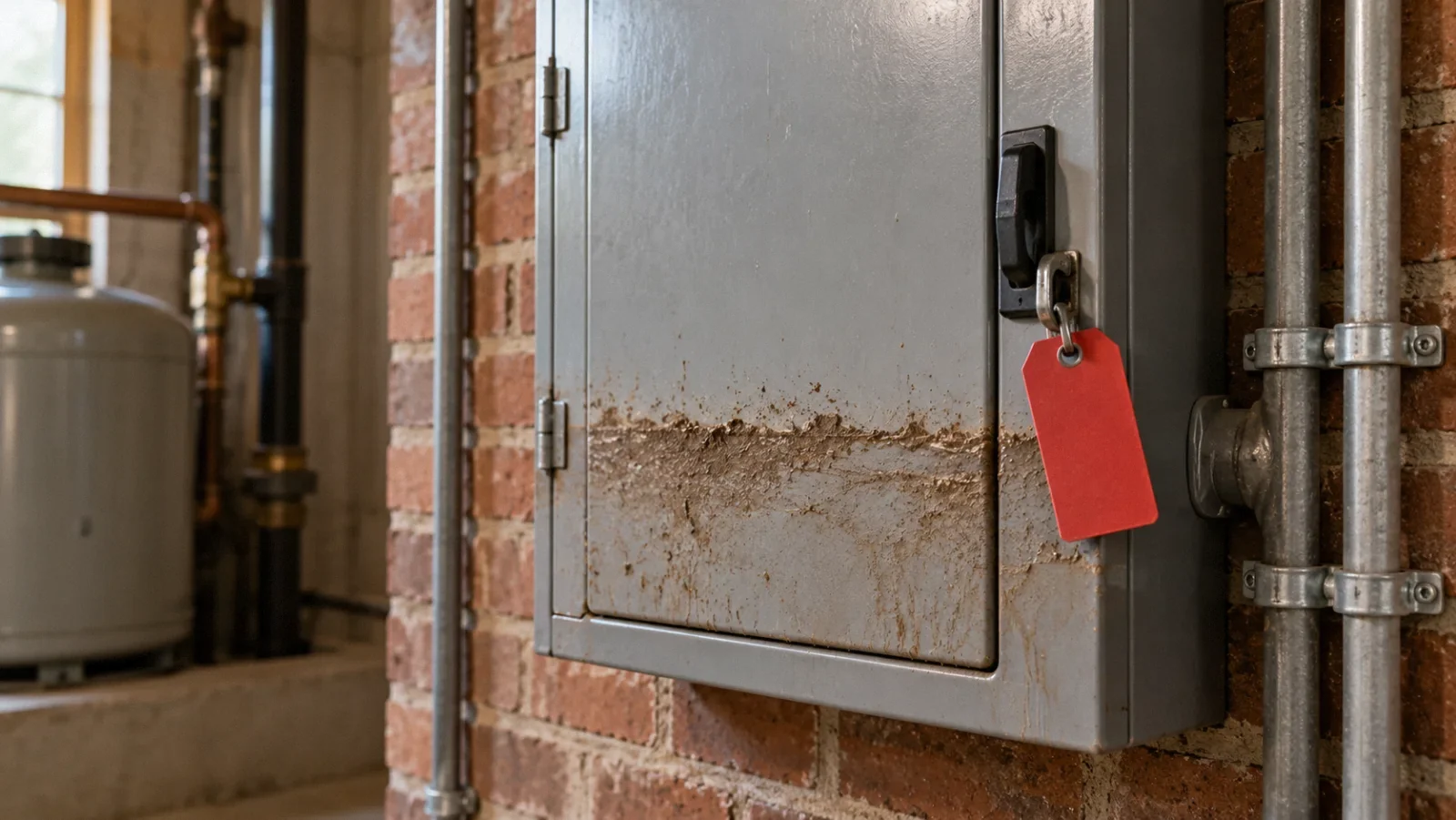
Power isolation should occur only from a known dry and safe location. Never step through water, touch a wet panel or operate a breaker with wet hands. If the panel, access route or surrounding floor may be wet, stay clear and ask the utility or a qualified electrician to isolate power.
A tripped breaker or ground-fault circuit interrupter is not permission to touch wet equipment. Do not repeatedly reset a protective device. A professional must identify the affected circuit and evaluate the outlet, box, wiring and source of water before restoration.
Stop the water source when it is safe
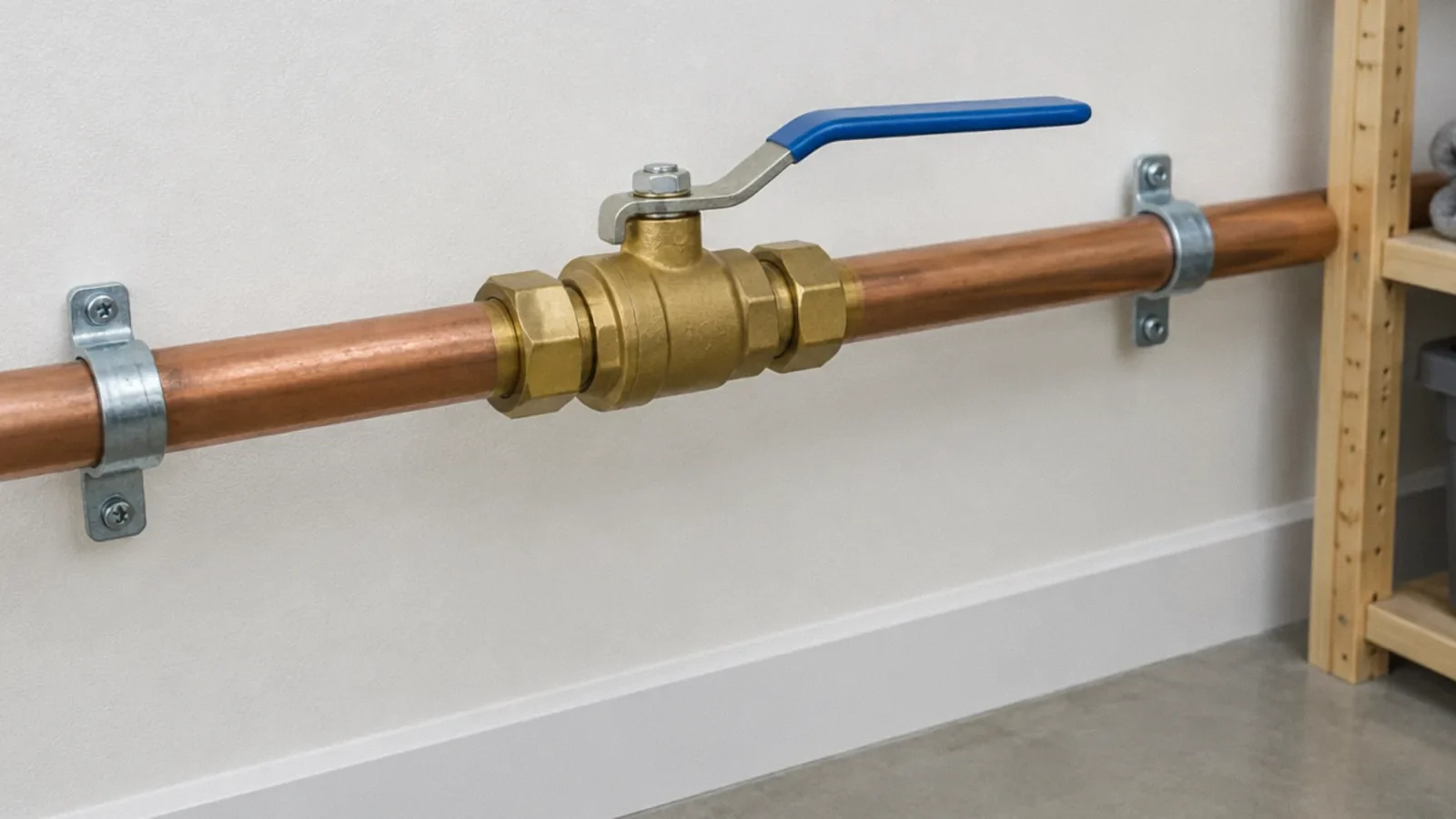
A roof leak, plumbing failure, overflowing fixture or spilled liquid may send water toward an outlet. If a known water shutoff is safely accessible without approaching the electrical hazard, closing it may limit further damage. Do not enter a wet electrical area to reach a valve.
Call a plumber, building manager or other appropriate professional to correct the leak. A water-damaged wall can contain concealed wiring and moisture beyond the visible stain. Photograph from a safe distance and report when the water appeared and whether the outlet was in use.
What water can do inside a receptacle
Water can affect contacts, wiring connections and the electrical box, and contaminants can leave deposits or cause corrosion. A device may look dry while hidden components remain damaged. Returning power without proper evaluation can create shock, fire or equipment risks.
The Electrical Safety Foundation recommends qualified evaluation of water-damaged electrical equipment and identifies receptacles and outlet boxes among items that must be replaced when water-damaged. The electrician should assess the actual equipment and extent, including whether wiring or adjacent components were affected.
Outdoor outlets and rain
An outdoor outlet may be designed with a suitable cover and ground-fault protection, but neither makes it safe to handle a wet or damaged receptacle. If water entered the outlet or a connected plug is wet, stay clear and contact a qualified electrician. Do not disconnect a wet cord while standing in water.
After the hazard is controlled, ask the electrician to inspect the cover, box, receptacle, wiring and protection for the actual installation. A weather-resistant cover or a reset button is not proof that water-damaged components remain safe. Follow equipment instructions and applicable local requirements.
Why waiting or drying is not enough
Evaporation may remove visible moisture but does not establish that electrical contacts, insulation or a box are undamaged. Salt, sewage and other contaminants can leave residues. Do not spray cleaner, blow hot air into the device or attempt to test it by plugging something in.
CDC advises against using a wet electrical device until an electrician has checked it, and recommends an electrician check a flooded home’s electrical system before power is restored. Follow the electrician’s assessment and repair plan. Any wet building material behind the outlet may also require a separate drying and repair plan.
What to tell the electrician
Describe whether the water came from a spill, rain, a pipe, flooding or another source; whether an appliance was plugged in; and whether a breaker or protective device tripped. Do not return to a hazardous area to collect a model number or photograph.
Ask which components were affected, what must be replaced, how power will be safely restored and whether a permit or inspection applies. If the wall must be opened, coordinate electrical work with leak repair and drying. Keep the affected circuit out of use until the professional clears it.
Prevent a repeat
Repair the source of recurring water, maintain appropriate outlet covers and keep portable appliances and cords away from wet areas. A qualified electrician can assess ground-fault protection and outlet placement under applicable requirements. Do not improvise electrical repairs or rely on an extension cord as a permanent substitute.
After the immediate hazard is resolved, retain service records and monitor for renewed leaks. Water damage repair, electrical safety and insurance coverage are separate decisions. A visible dry wall or a functioning lamp does not prove that the concealed installation is sound.
Wet plug or electrical box
A receptacle box is the enclosure behind an outlet, while the service panel contains circuit breakers or fuses. Water in either can affect energized parts, but do not open either to inspect it. A wet panel or wet access route calls for utility or electrician isolation; do not operate a wet breaker. Water in a box may cause corrosion, arcing or a fire, although a fire is not inevitable.
If a plug falls into water, stay away from the plug, cord and water; do not retrieve it or pull its cord. Arrange isolation from a dry safe location by a qualified person, then ask about the device and cord before reuse. Air drying alone does not prove electrical safety.
Your next-step checklist
- Stay away from the outlet, plugs and water.
- Keep children and pets clear.
- Do not touch a wet panel or reset a tripped device.
- Contact the utility or a qualified electrician for safe isolation.
- Repair the water source and evaluate electrical equipment before use.
Related questions
What happens if water gets into an outlet?
It can create shock and fire hazards and damage hidden components. Stay away and arrange qualified electrical evaluation before the outlet is used.
Can I dry a wet outlet with a hair dryer?
No. Do not touch or apply heat to a wet outlet. A professional should isolate and evaluate the equipment.
Can I reset the GFCI after an outlet gets wet?
Do not reset or use water-damaged equipment until a qualified electrician has evaluated it and confirmed it is safe.
What if an outdoor outlet gets wet?
Stay clear of the wet outlet and connected cords. A qualified electrician should assess water entry, the cover, receptacle and wiring before use.
Is any electrical outlet safe when wet?
Do not touch or use a wet outlet. A GFCI provides important shock protection but does not make wet equipment safe to handle. Keep away and have a qualified electrician evaluate it before reuse.
Sources & context
Public guidance supports the principles in this article. The practical questions and examples are editorial interpretation, not a site assessment or a coverage decision. State-specific rules apply only where identified.
- Electrical Safety Foundation: Water-damaged electrical equipmentelectrical safety guidance
- CDC: Safety after a hurricane or tropical stormfederal consumer safety guidance
- Electrical Safety Foundation: Flooding and disaster safetyelectrical safety guidance
- Public safety and technical guidanceofficial guidance
- Public safety and technical guidanceofficial guidance