Keep people away from water near electrical equipment or unstable materials. If the main water shutoff is clearly identified and safely accessible, close it to limit water flow; otherwise request help. Contact a plumber, document the damage when safe and arrange assessment and drying of affected materials.
Keep people away from immediate hazards
Water can reach electrical panels, outlets, appliances and light fixtures. Do not walk into standing water to operate electrical switches or touch wet equipment. A ceiling that bulges or sags can fail; keep people out from underneath and do not puncture it.
If there is an immediate threat to life or a serious electrical, gas or structural hazard, leave the area and call emergency services. If water is hot, avoid contact because it can cause burns. A safe route and the location of people and pets take priority over saving belongings.
Stop the water if you can do it safely
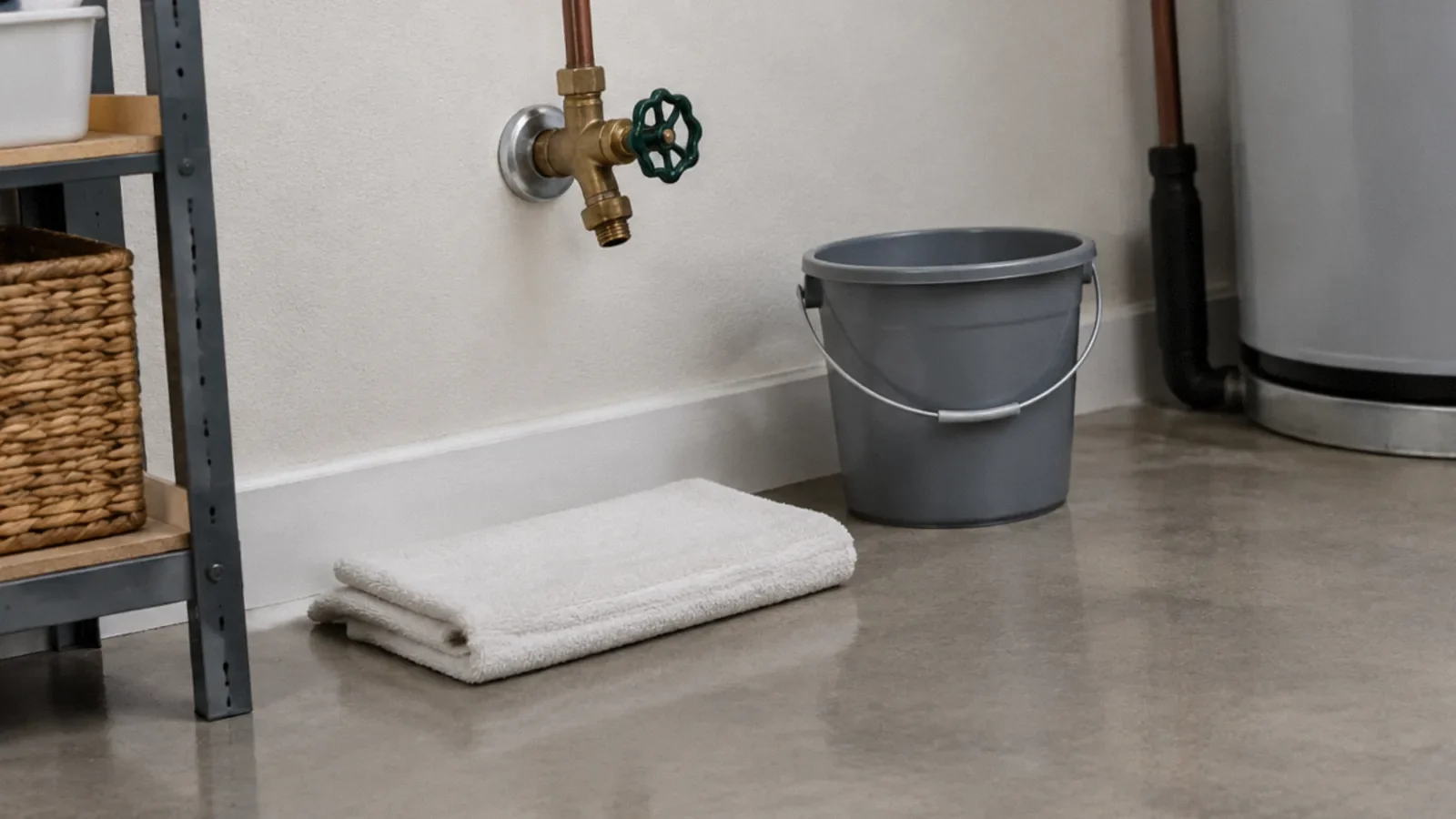
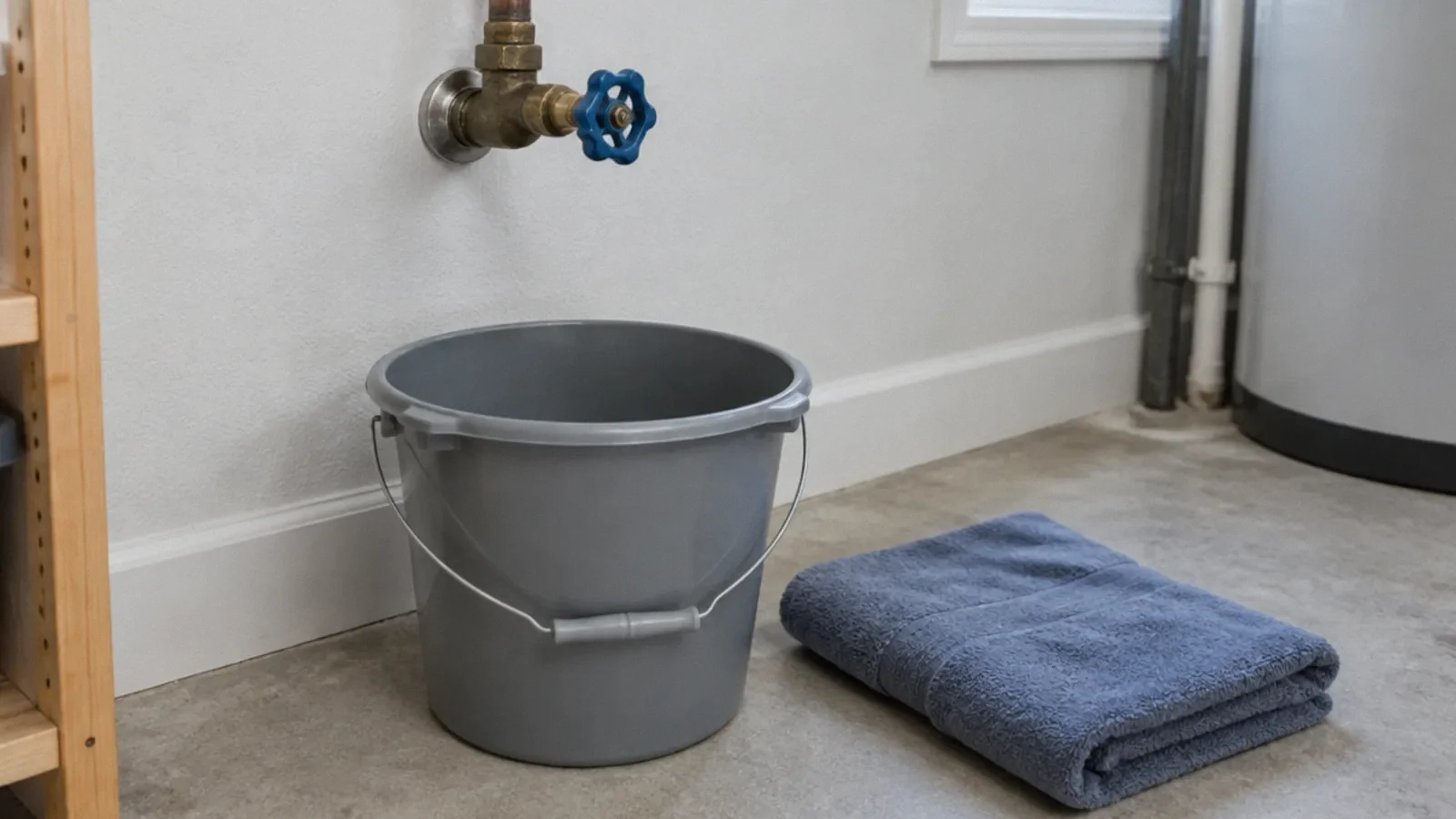
A clearly identified main shutoff or an accessible fixture valve may limit further water flow. Turn it only if you can reach and operate it without entering a hazardous area. Do not force an old or corroded valve, and do not confuse a water valve with a gas control.
If you cannot locate or safely reach the shutoff, contact the water utility, property manager or an emergency plumber. In a shared building, notify management because a shutoff can affect other units. Closing the supply does not remove water already trapped in the building.
Call the right help
A licensed plumber can locate the failure and explain the repair. If water has affected electrical equipment, a qualified electrician or emergency responder should determine when it is safe. A restoration professional may be needed to assess and dry the affected building materials.
Tell the professional where the water appeared, whether it is hot, whether the supply was shut off and which rooms or units are affected. A wastewater line has different contamination concerns from a drinking-water supply; identify the source without contacting the water.
A supply line under pressure brings potable water into and through the house; a sewer line carries wastewater away. For a suspected exterior service-line leak, water surfacing near the meter or an unsafe shutoff, contact the water utility as well as a plumber. Utility and owner responsibilities depend on location and the service arrangement. For sewage backup, stop using fixtures and contact the sewer authority or plumber; avoid contaminated water.
Why water pipes burst
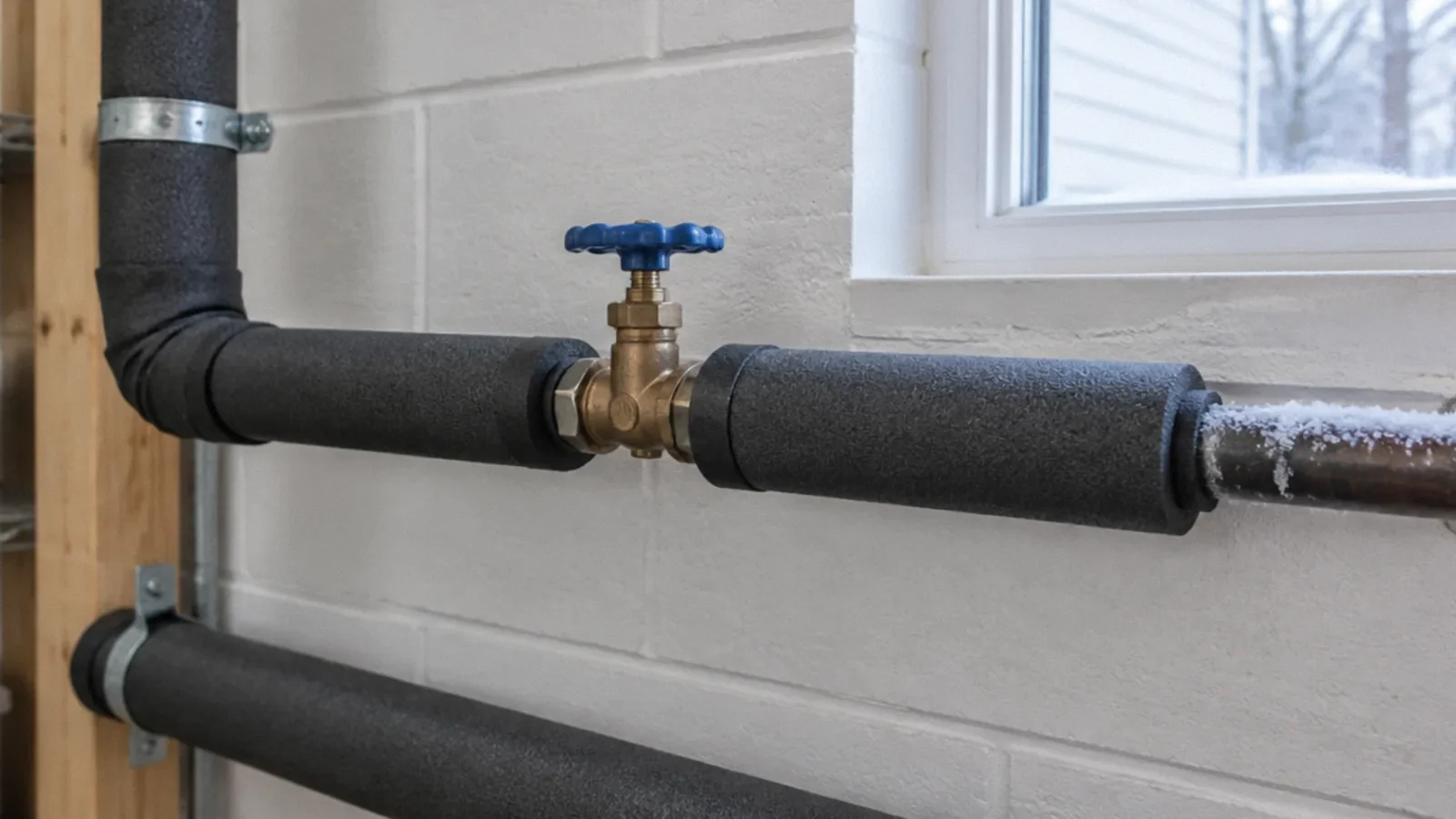
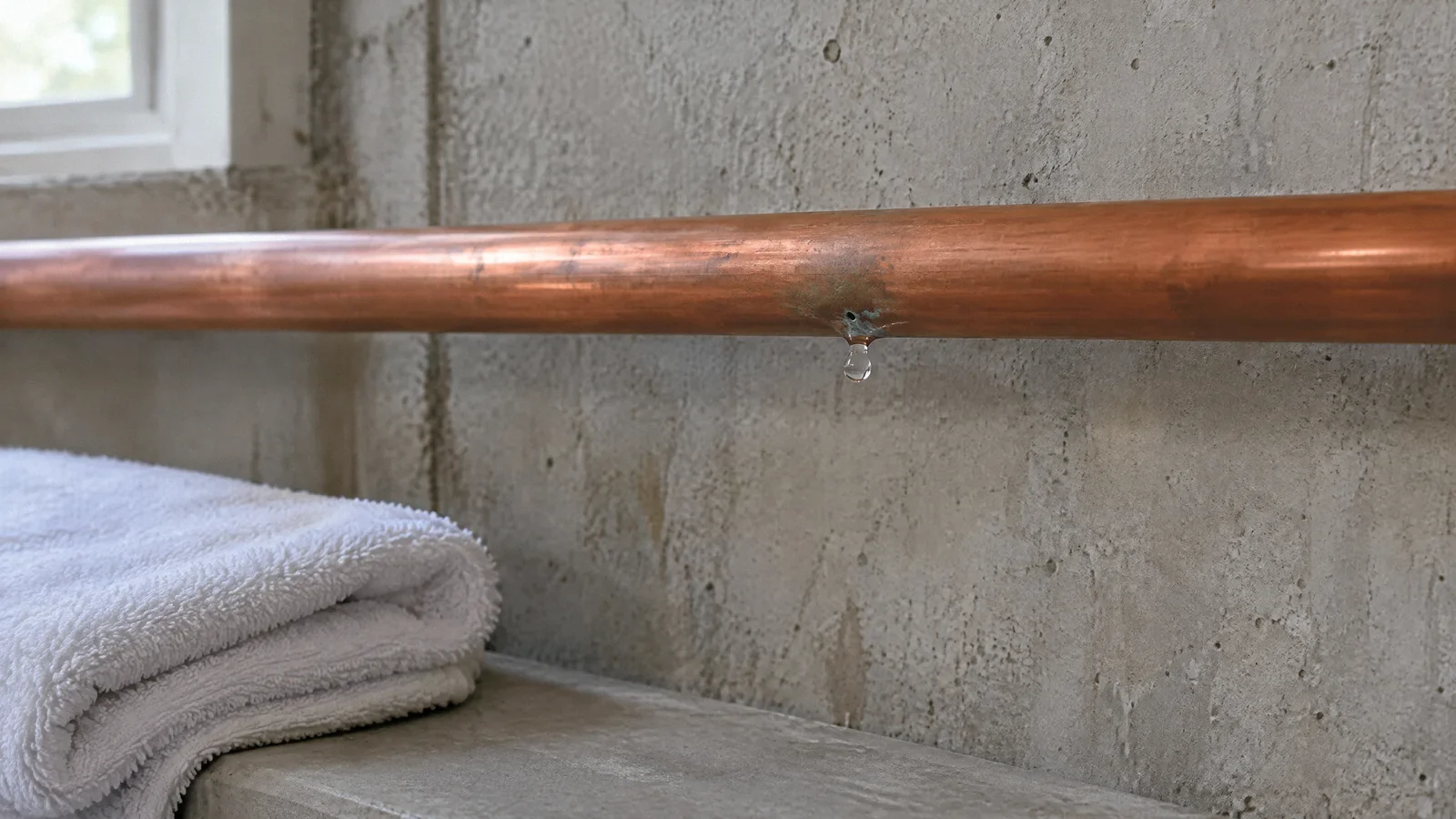
Freezing is one possible cause, but corrosion, excessive pressure, physical damage, a failed fitting or other conditions can also cause a leak. The visible opening and the exact cause need investigation. A failed connection and a damaged length of pipe may require different repairs.
A frozen pipe does not always burst, and a break may become apparent only when water begins to flow again. Do not use an open flame to thaw a pipe. The separate frozen-pipe guide covers the Red Cross’s safer precautions.
What to document
When the area is safe, photograph affected rooms, materials and the visible source without entering standing water or approaching damaged equipment. Record when the leak was discovered, what was shut off and whom you contacted. Keep receipts for emergency work and temporary measures.
Notify the insurer promptly if a claim may apply, and ask what documentation is required. A policy’s coverage depends on its terms and the cause of the loss. Do not assume that every resulting repair is included or discard important evidence without discussing the process when practical.
Remove water and assess materials
The amount, duration and source of water affect cleanup. Flooring, insulation, drywall, cabinetry and belongings can retain moisture even after standing water is gone. A qualified professional should assess concealed areas and choose safe equipment appropriate to the conditions.
Do not use an ordinary electrical vacuum in standing water or place extension cords across wet areas. Sewage or other contaminated water requires experienced cleanup and different handling. A fan or a dry-looking surface does not establish that every layer has dried.
Repair and drying are separate tasks
A plumber’s repair addresses the failed line, but it may not include removing damaged materials, drying cavities or restoring finishes. Ask for a written scope that identifies who will perform each task and how changes will be authorized. Obtain a separate assessment if the damage is extensive.
Before closing a wall or replacing flooring, ask how drying was evaluated, where measurements were taken and which areas remained inaccessible. Keep the report and compare it with any later staining or odor. Fixing the visible leak does not automatically confirm that concealed materials are dry.
Prevent another failure
After the emergency, ask why the pipe failed and whether other exposed sections need inspection. Freezing protection, pressure evaluation or replacement of a damaged component may be appropriate depending on the findings. Avoid treating one cause as universal.
Know the location of safely accessible shutoffs, review plumbing maintenance and act on new drips or unexplained moisture. In cold conditions, follow the Red Cross’s guidance for protecting exposed supply pipes and maintaining heat. Keep a list of contacts for the property.
How much can a burst pipe cost to repair?
Angi’s national guide updated October 6, 2026 reports a $500 average and a $200–$3,000 range for burst-pipe repair, with the total depending on pipe material, access and related damage. These are national marketplace estimates, not Bay Area quotes or a guaranteed price.
Ask a plumber whether the estimate includes locating the break, opening and closing finishes, replacing pipe and testing the repair. Drying, contaminated-material removal and reconstruction may be separate charges. Request itemized local estimates after the immediate leak is controlled.
Access changes the price substantially: an exposed line differs from a pipe under a slab or behind finished walls. Ask for separate line items for diagnosis, access, pipe repair, water extraction, drying, material removal and finish restoration. The cited national estimate is dated October 6, 2026 and is not a current local quote.
Finding a concealed supply leak
A sudden pressure drop, unexplained sound of running water, expanding damp spot or higher water use can suggest a hidden leak; none proves a burst pipe. If the meter is safely accessible and all water use is off, compare readings over a period following utility guidance. A change suggests water use or a leak but does not locate it.
Share the building plans and last known dry areas with a plumber, who can trace the likely supply route and use appropriate detection before controlled opening. A restoration specialist can assess hidden wet materials, remove unsalvageable material, dry the cavity and verify it is dry before repair and closure. Avoid cutting walls near concealed wiring or pipes yourself.
Your next-step checklist
- Keep clear of water near electricity and unstable ceilings.
- Shut off a known water valve only if safe.
- Call a plumber and other qualified help as needed.
- Document damage from a safe location.
- Assess drying and repairs before rebuilding.
Related questions
Who should I call for a burst pipe?
Contact a plumber. If electricity, gas or structural safety is involved, contact the appropriate qualified professional or emergency responders.
Should I turn off the water?
Close a clearly identified water shutoff if you can reach and operate it safely. If not, leave the area and request help.
Do pipes burst only because of freezing?
No. Freezing is one possible cause; corrosion, damage, pressure or failed fittings can also contribute.
Is a plumbing repair enough after a flood?
The repair stops the source, but affected materials may still need assessment, drying and restoration.
Sources & context
Public guidance supports the principles in this article. The practical questions and examples are editorial interpretation, not a site assessment or a coverage decision. State-specific rules apply only where identified.
- American Red Cross: Frozen pipesemergency safety guidance
- U.S. EPA: Mold preventionfederal guidance
- U.S. Consumer Product Safety Commission: Flood safetyfederal safety guidance
- Angi: Burst pipe repair cost, updated October 2026national consumer cost estimate
- U.S. EPA: Home maintenance and leak detectionfederal guidance