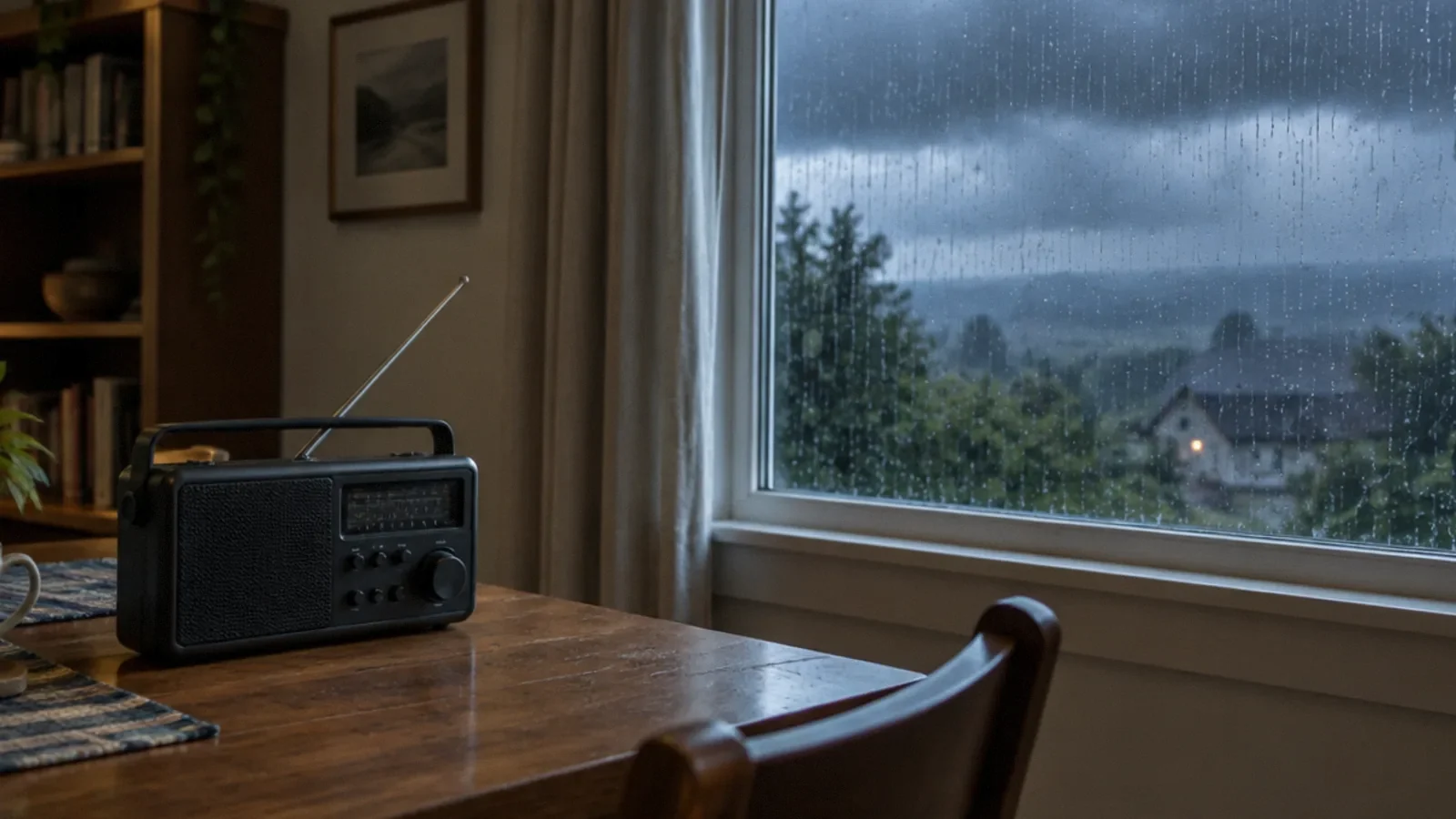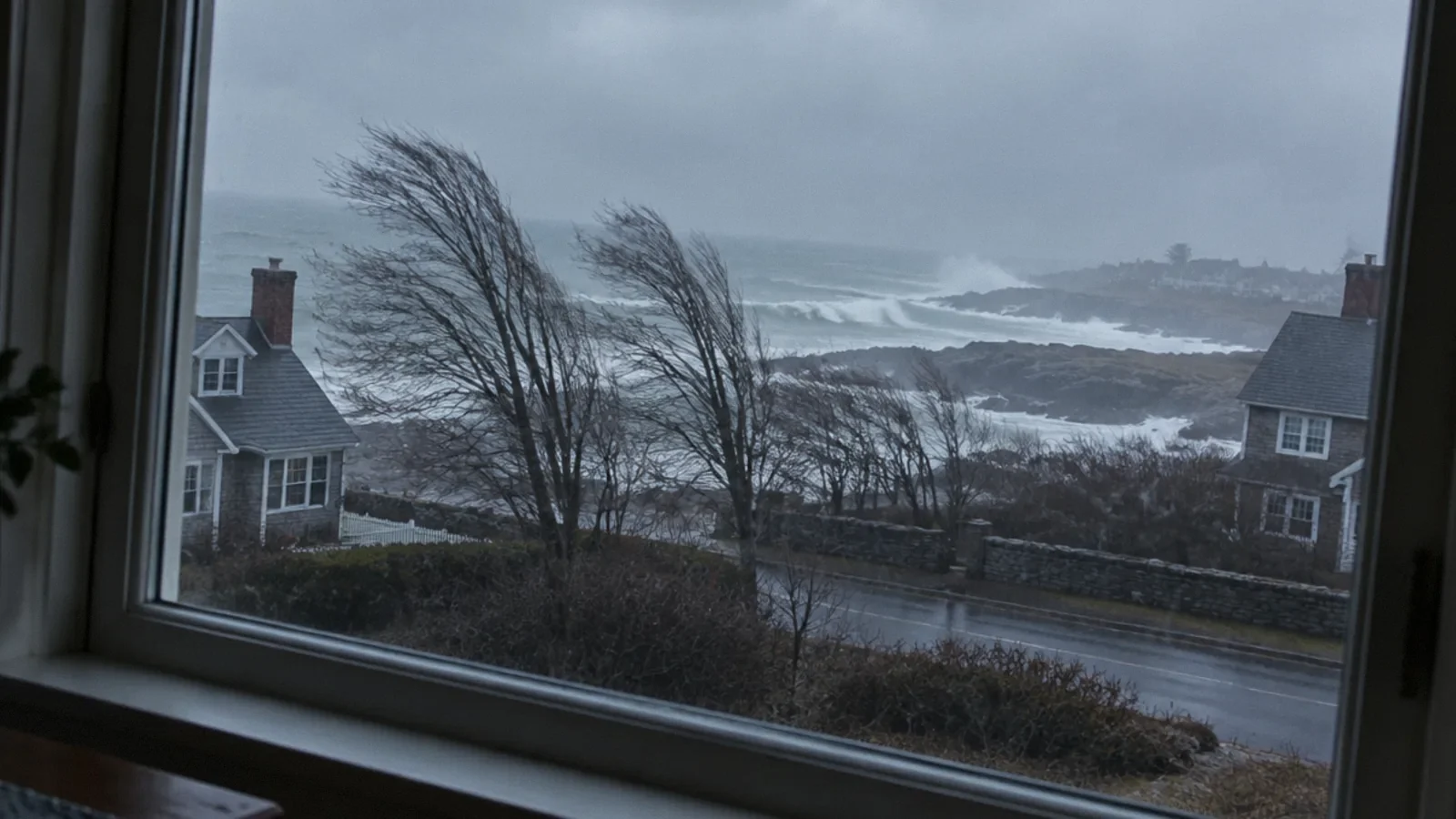
A nor’easter is a storm along the East Coast of North America named for the northeasterly winds often experienced along the coast. Depending on the storm and location, it can bring rain or snow, strong winds, coastal flooding and damaging waves. Follow current National Weather Service alerts and local evacuation instructions.
Why the storm has that name
The National Weather Service describes a nor’easter as a storm along the East Coast of North America in which coastal winds typically come from the northeast. The name describes a common wind direction, not a guarantee that every location in the storm will experience the same wind, precipitation or damage.
These storms are especially associated with the colder months but their effects vary with the track and surrounding atmosphere. A forecast for one coastal city does not automatically describe conditions inland or farther along the coast. Use the forecast and warnings for your actual location.
How a coastal storm develops
A nor’easter is a low-pressure storm system that can strengthen as it moves along or near the Atlantic coast. Differences between cold continental air and warmer ocean air can contribute to its development. The precise path affects whether a community receives rain, snow, wind or a combination.
Not every storm follows the same path or intensifies in the same way. Forecasters evaluate the changing system and issue local watches, warnings or advisories for specific hazards. Avoid treating a single snowfall forecast or wind value as a complete description of the risk.
Rain, snow and changing conditions
A storm can produce heavy snow in one area and rain or mixed precipitation in another. A small change in temperature or track can shift the boundary between precipitation types. Travel conditions can deteriorate even when the most severe forecast is for a nearby area.
Check current weather service information before travel and follow local road closures. Prepare for delays or loss of access to supplies. If officials advise staying off roads or evacuating, follow those instructions; do not wait until conditions make leaving more dangerous.
Coastal flooding and waves
Strong winds and waves can push water toward shore, causing coastal flooding and beach erosion. The impact depends on the storm track, wind, tides and local shoreline. Flooding can occur outside the heaviest precipitation, and water levels can change with the tide.
Move away from the shoreline and comply with closures or evacuation orders. Never walk or drive through floodwater; depth and the condition of the road may be hidden. Do not enter a flooded basement where electrical equipment may be energized.
Wind, trees and power outages
Strong winds can damage roofs and siding, bring down branches and power lines and interrupt electricity. Stay away from downed lines and anything touching them; report them to the utility or emergency services. A line that appears inactive may still be energized.
Prepare lights, batteries, necessary medication and a way to receive alerts. If using a generator, follow the manufacturer’s instructions and operate it outdoors at least 20 feet from doors, windows and vents, and use a battery-operated or battery-backup carbon monoxide detector. Never run a generator inside a home, garage or other enclosed space because of carbon monoxide risk.
Watch versus warning
A watch generally means conditions are favorable for a hazard, while a warning calls for action because the specified hazard is occurring, imminent or expected. An advisory can also describe dangerous conditions. The type of alert and the protective action depend on the hazard and location.
The weather service may issue separate products for coastal flooding, high winds or winter conditions. Read the entire message, including timing and affected area. A warning can be issued without a preceding watch, and visible danger warrants action even before an alert arrives.
Before the storm
Review the local forecast, identify a safe place and make a communication plan. Bring lightweight outdoor objects inside when it can be done safely, charge necessary devices and know how you will receive emergency information if power or mobile service fails. Address known roof or drainage problems before severe weather, not during it.
If you are in a flood-prone area, know your evacuation route and any local instructions. Do not attempt to protect property at the expense of personal safety. Tenants and building managers should clarify emergency contacts and procedures before a storm arrives.
After the storm
Wait until authorities say it is safe to travel or return. Avoid floodwater, unstable trees, downed wires and damaged structures. If water entered a building, consider electrical and structural hazards before entry and arrange qualified help for utilities or extensive damage.
Photograph damage when safe and retain records of emergency actions and repairs. Separate urgent measures to prevent additional loss from decisions about drying and reconstruction. Contact the insurer or property manager under the applicable policy or agreement.
Your next-step checklist
- Check the forecast and local emergency alerts.
- Prepare for wind, precipitation, outages and coastal flooding as relevant.
- Follow evacuation orders and road closures.
- Keep generators outdoors and away from openings.
- Stay clear of floodwater and downed power lines.
Related questions
Why is it called a nor’easter?
Coastal winds in this type of East Coast storm typically blow from the northeast.
Does every nor’easter produce snow?
No. Depending on the track and temperature, it can bring rain, snow or mixed precipitation.
Can a nor’easter cause flooding?
Yes. Wind, waves and tides can contribute to coastal flooding; heavy rain can cause flooding elsewhere.
Is a nor’easter the same as a hurricane?
No. They are different types of storm systems, although either can produce destructive wind, rain and coastal flooding.
Sources & context
Public guidance supports the principles in this article. The practical questions and examples are editorial interpretation, not a site assessment or a coverage decision. State-specific rules apply only where identified.
- National Weather Service: What is a nor’easter?official weather guidance
- National Weather Service: Flood safetyofficial weather safety guidance
- CDC: Prevent carbon monoxide poisoning after an emergencypublic health guidance