There is no single temperature for a house fire: conditions change with the fire, room and measurement height. The U.S. Fire Administration says a room can be about 100°F at floor level and well over 600°F at eye level. These are illustrative conditions, not a prediction or a safe exposure level.
Why there is no single house fire temperature
A small fire, a growing room fire and a fire involving multiple rooms produce different temperatures. The fuel, ventilation, room size and stage of the fire all affect conditions. A reading near the floor can differ substantially from one higher in the same room.
Consequently, an internet figure labeled average house fire temperature is not a reliable guide to the conditions in a particular building. The U.S. Fire Administration describes an example of about 100°F at floor level and well over 600°F at eye level; neither value is a guarantee.
Heat rises, but lower does not mean safe
Hot gases and smoke collect and spread in ways that can make a room dangerous before flames reach a person. Heat at breathing height can cause severe injury. A lower position may reduce exposure to some hot smoke during an escape, but air near the floor can also become dangerous.
The goal is to leave promptly using the safest available route, not to wait and estimate the temperature. Follow your household escape plan and fire department instructions. If smoke blocks a route, use an alternative route if safely available.
Smoke and toxic gases are immediate hazards
Smoke can reduce visibility, irritate airways and contain toxic gases. The U.S. Fire Administration notes that smoke and toxic gases kill more people than flames. Conditions can change rapidly, so even a fire that initially looks small can block an exit.
Do not enter a smoky room to recover possessions. Smoke alarms provide an early warning but do not make a fire safe to investigate. If an alarm sounds or you see smoke, leave and call 911 from outside.
What to do if a fire starts
Get out, stay out and call 911 after reaching a safe location. Alert others as you leave if you can do so without delaying escape. Do not go back inside for a pet, phone or property; tell firefighters if a person or animal may remain inside.
If smoke is on your escape route, use another planned exit if possible and stay low while moving through smoke. Close doors behind you as you leave when feasible; a closed door can slow the spread of heat and smoke. Never open a door that is hot to the touch.
If you cannot leave safely
If smoke, heat or fire prevents escape, close the door between you and the fire, call 911 and tell the dispatcher your exact location. Signal for help from a window if possible, and follow dispatcher instructions. Block gaps around the door if feasible without putting yourself at further risk.
Household layouts and abilities vary, so discuss two ways out of each room when possible and plan assistance for children, older adults and anyone with mobility limitations. Practice the plan with all household members before an emergency.
What affects fire growth
Combustible furnishings and other contents supply fuel; open doors and windows can affect how air moves through the building. A fire can spread through adjacent spaces and produce heat and smoke where flames are not directly visible. Only trained responders should investigate or alter conditions during an active fire.
Do not use the figures in this article to decide whether a room is survivable or an object is safe to retrieve. They explain the hazard; real conditions vary too much for a numerical threshold to guide a resident’s actions.
Prepare before an emergency
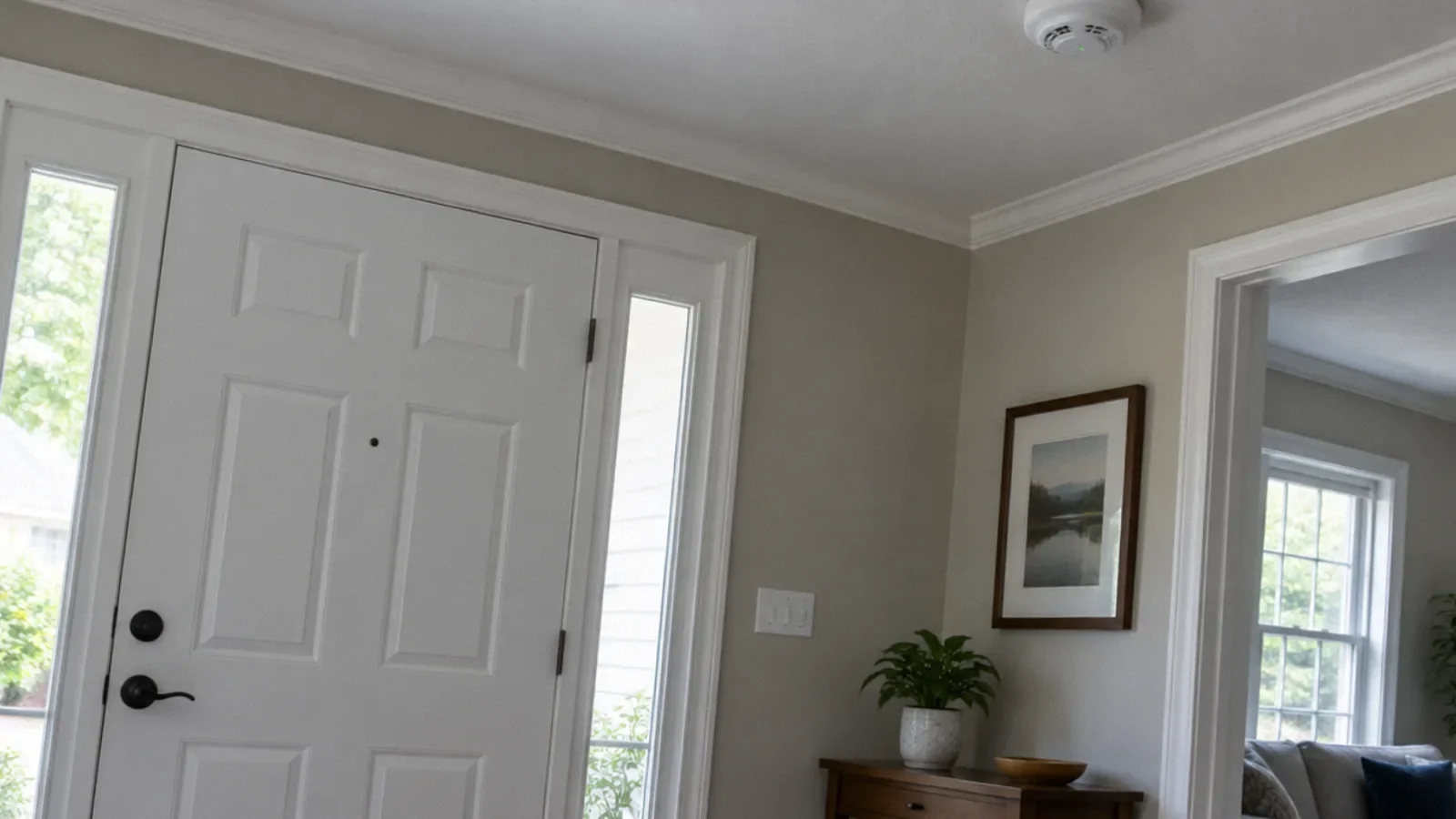
Install and maintain smoke alarms as recommended by the U.S. Fire Administration, local requirements and each device manufacturer. Test alarms regularly and replace units and batteries according to their instructions. Arrange any interconnected alarms or accessibility features needed for the household.
Choose an outdoor meeting place, practice your escape plan and ensure everyone knows how to call 911. Keep exit paths clear. Review plans whenever household members, routines or sleeping arrangements change.
After firefighters put out the fire
Do not reenter until the fire department says it is safe. Heat, hidden embers, weakened materials, damaged wiring and contaminated water or debris can remain dangerous. Follow official instructions about utilities and secure access.
Photograph damage only when you have permission and it is safe. Contact your insurer or property manager and ask a qualified restoration professional to assess smoke, water and structural issues. Keep receipts and avoid disturbing debris unnecessarily.
Your next-step checklist
- Leave promptly and call 911 from outside.
- Use a safe alternate exit if smoke blocks the first route.
- Close doors behind you when feasible.
- Wait for the fire department before reentering.
Related questions
How hot is a typical house fire?
There is no single typical temperature. The U.S. Fire Administration illustrates that a room can be about 100°F at the floor and well over 600°F at eye level.
Is the air near the floor always safe?
No. It may be less exposed to some rising smoke, but smoke, heat and gases can still make it dangerous. Escape promptly.
Can smoke be dangerous without visible flames?
Yes. Smoke and toxic gases can spread beyond the visible fire and quickly reduce visibility and safe breathing air.
Should I go back inside after escaping?
No. Stay outside and tell firefighters if someone may still be inside.
Sources & context
Public guidance supports the principles in this article. The practical questions and examples are editorial interpretation, not a site assessment or a coverage decision. State-specific rules apply only where identified.
- U.S. Fire Administration: Learn about firefederal fire safety guidance
- U.S. Fire Administration: Fire escape planningfederal fire safety guidance
- Ready.gov: Home firesfederal emergency guidance