Stop flushing when a toilet backs up. If the bowl is rising, turn off the toilet’s supply valve only if it is accessible and can be operated safely. A toilet plunger may clear a simple obstruction, but avoid chemical mixtures and call a plumber for repeated blockages, sewage backup or an unknown object.
Stop the overflow first
Do not flush again when water rises toward the rim. Another flush adds water and can spread contamination onto the floor. Keep people and pets away, place absorbent towels outside the contaminated area if safe, and identify whether water is continuing to enter the bowl.
A small shutoff valve is often located on the supply line behind the toilet. If it can be reached safely, turning it off can stop the refill. Do not force a stuck valve or reach through water near electrical equipment. If the tank or supply line is damaged, contact a plumber.
Protect yourself and the room
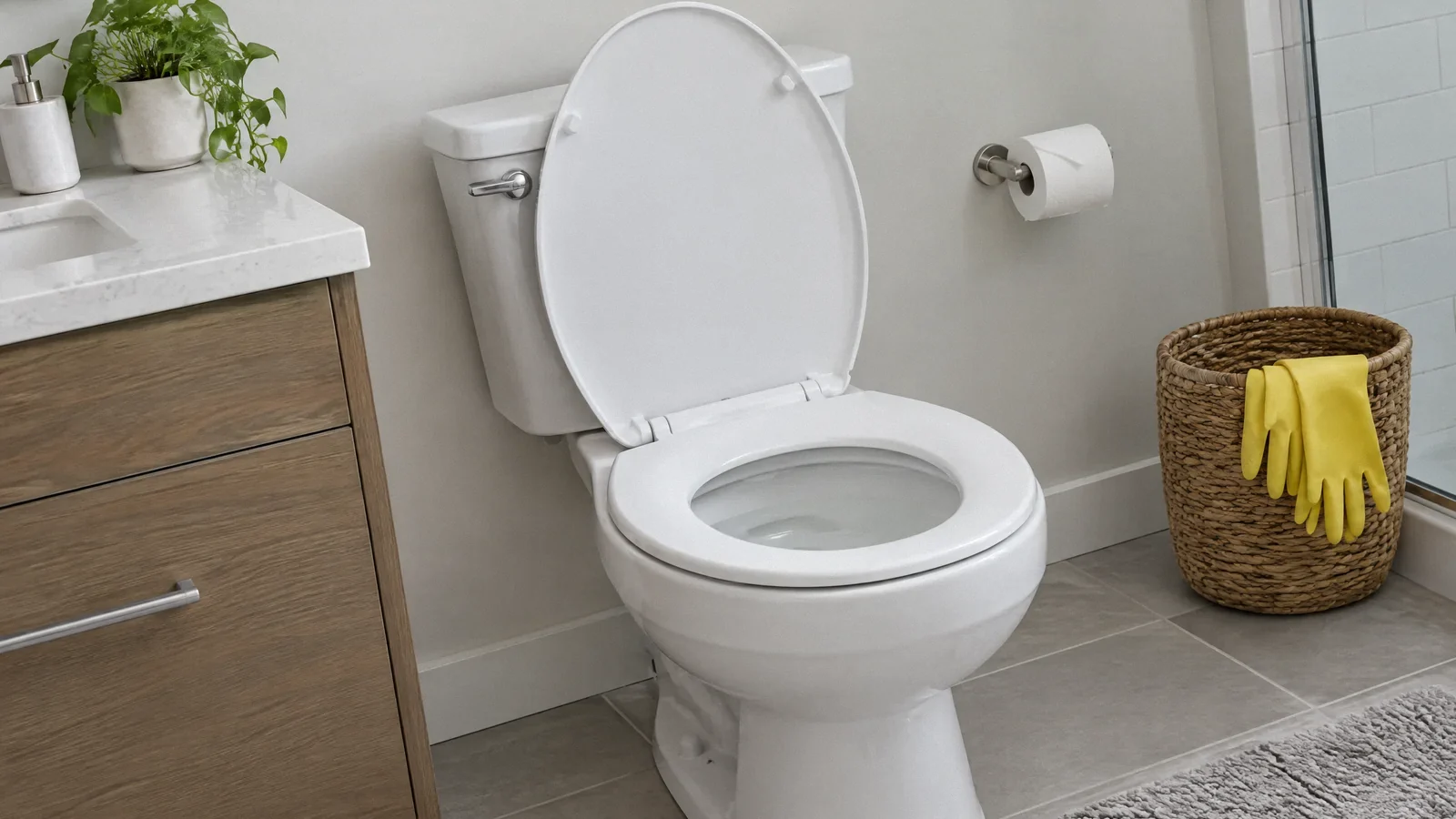
Toilet water may contain waste and microorganisms. Wear suitable gloves, avoid splashing and wash hands after cleanup. If wastewater reaches electrical equipment, keep clear and arrange qualified help. Remove nearby belongings only if doing so does not increase exposure or spread contamination.
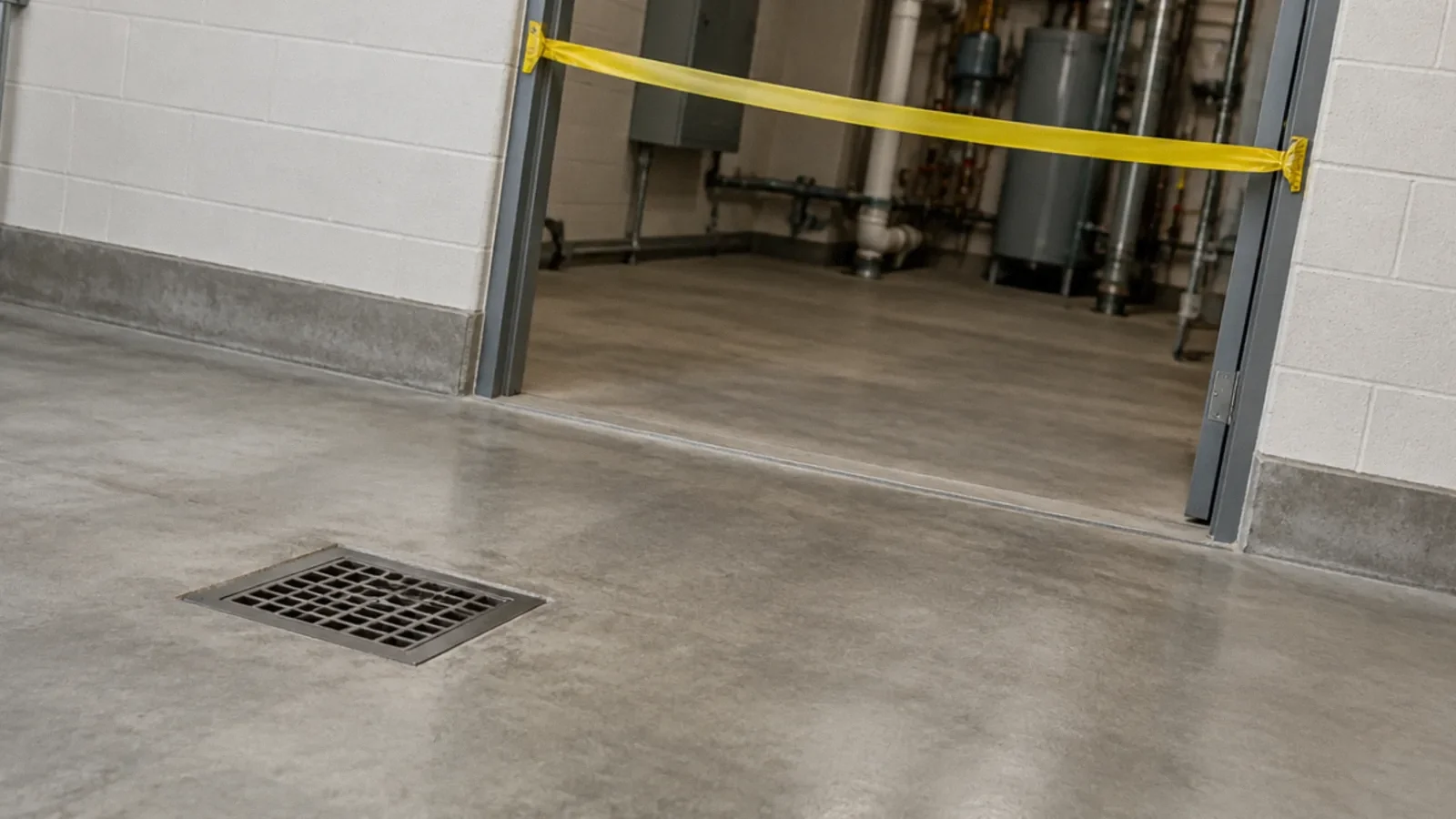
If multiple fixtures back up, sewage appears elsewhere or water continues to rise, stop using affected plumbing and contact a professional. A main sewer obstruction requires a different response from a small blockage within one toilet. Keep a record of where and when the backup occurred.
Choose a toilet plunger
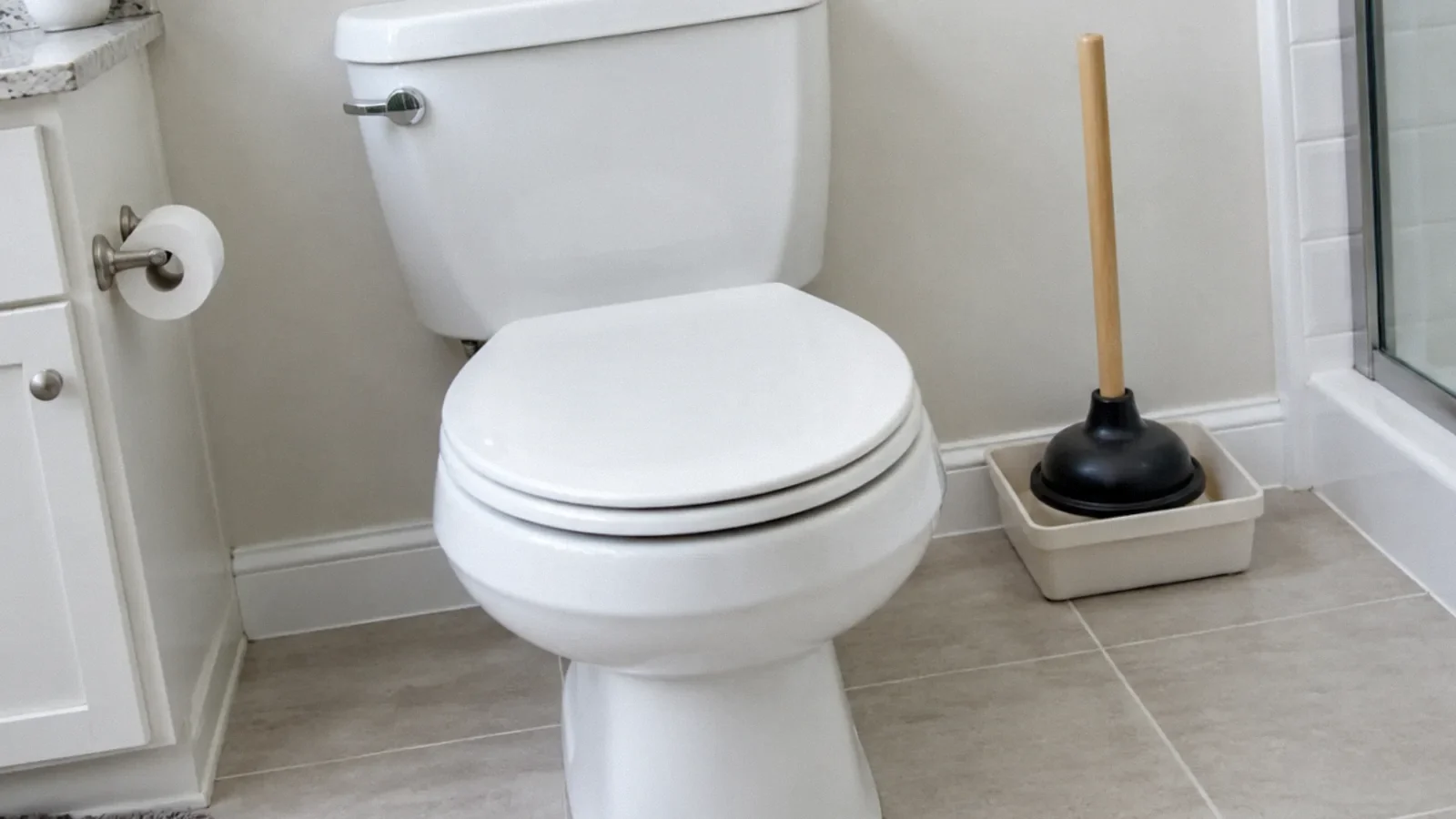
A toilet plunger is shaped to make a seal at the bowl outlet; a flat sink plunger may not fit as well. Use a clean, appropriate tool and follow its instructions. The goal is to move water through the obstruction without splashing or pushing an unknown object farther into the drain.
If the bowl is nearly full, wait for the level to fall enough to work without overflow, or arrange help. Do not add water or repeatedly flush to create room. An object such as a toy or cleaning tool may require retrieval rather than more pressure.
A good seal lets the plunger alternately push and pull water against an obstruction. Its effectiveness depends on the obstruction and seal; it is not a guarantee that the entire drain is clear.
Plunge carefully
Place the plunger over the outlet so the opening is covered and work with controlled movements. Start gently to establish a seal, then use firm strokes without splashing. Stop if water rises, the tool does not seal or the blockage may be a hard object. Clean and disinfect tools according to their instructions after use.
If the obstruction clears and the bowl level returns to normal, check cautiously before normal use. Do not leave the toilet unattended during a test. If water rises again, stop and call a plumber instead of repeating a large flush.
Avoid dangerous chemical combinations
Chemical drain cleaners can splash or damage fixtures and may be unsuitable for toilets. Follow the product and toilet manufacturer’s instructions, and never mix cleaners. Do not add a second product when an earlier chemical remains in the bowl. EPA lists a plunger or plumber’s snake as alternatives to drain cleaner.
If a chemical has already been added, do not plunge in a way that can splash it. Tell the plumber exactly what was used and when. If fumes or exposure cause symptoms, leave the area and seek poison-control or emergency advice as appropriate.
Will a toilet unclog itself?
Some soft material may break down over time, but waiting is not a reliable solution and an object or main-line blockage may remain. Continued use can cause another overflow. Treat the cause as unresolved until the toilet drains normally and you understand whether other fixtures are affected.
A toilet auger is designed for some obstructions, but improper use can scratch porcelain or worsen a blockage. Follow the tool instructions, and use a plumber if you cannot proceed safely or suspect an object. Avoid using improvised sharp tools inside the bowl.
When to call a plumber
Seek help for recurring clogs, a suspected foreign object, multiple slow fixtures, sewage backing up elsewhere or an overflow that cannot be stopped. A plumber can determine whether the problem is at the toilet, in a branch line or farther along the sewer. Ask for the diagnosis and the expected scope before authorizing additional work.
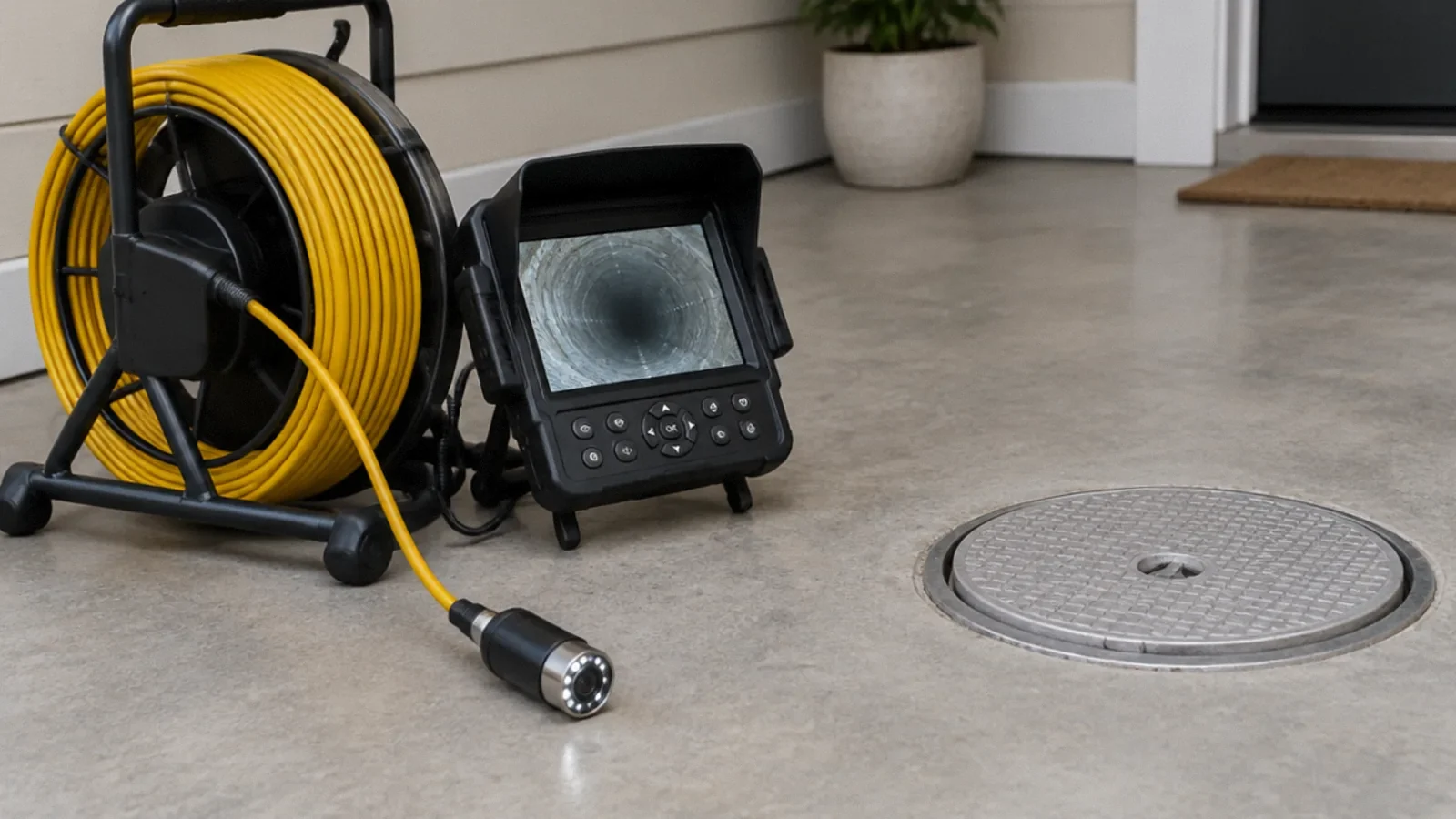
If a camera inspection or main-line cleaning is proposed, ask where access will be obtained and whether the price includes cleanup and a recording. Do not open an exterior cleanout yourself during an active sewage backup; contaminated water can be under pressure or overflow.
After an overflow
Keep the affected area separated from clean spaces and avoid tracking wastewater through the home. Clean and dry suitable hard surfaces according to public-health and surface guidance. Porous materials contacted by sewage may require professional assessment or removal. Do not assume that a dry-looking floor is uncontaminated.
Document damage when safe and notify the property manager or insurer as appropriate. Check for water under nearby flooring or cabinets if the overflow was substantial. Address recurring moisture promptly and keep the service and repair records.
Chemical drain cleaners and toilets
Avoid adding chemicals to an overflowing toilet. Consult the separate guide to toilet drain cleaners and tell a plumber if a product has already been used.
Toilet paper and blockages
Charmin is toilet paper, but a blockage cannot be attributed to a brand from its name alone. The amount flushed at once, existing restrictions and condition of the toilet and pipes all matter. Reduce excessive paper use and have recurring backups investigated. EPA advises against flushing wipes, including wipes marketed as flushable, into septic systems.
Your next-step checklist
- Stop flushing and keep people away from overflow.
- Close the toilet supply valve only if it is safely accessible.
- Use a toilet plunger carefully for a simple obstruction.
- Never mix drain chemicals or plunge a bowl containing a chemical cleaner.
- Call a plumber for sewage backup, repeated clogs or an unknown object.
Related questions
Should I flush again if the bowl is almost full?
No. Stop flushing to avoid adding water and worsening an overflow.
Can a clogged toilet clear itself?
It can sometimes drain over time, but this is not reliable and does not establish that an object or sewer blockage is gone.
Can I use chemical drain cleaner and a plunger together?
Do not plunge a bowl containing a chemical cleaner because it may splash. Follow the label and tell the plumber what was used.
When is a clog a main sewer problem?
Backups at several fixtures or sewage appearing elsewhere can indicate a larger blockage; have a professional investigate.
Can hair clog a toilet?
Hair can contribute to a blockage, although other materials or a problem farther down the line may be involved. Avoid flushing more water into an almost full bowl.
Can flushable wipes clog a toilet?
Yes. Wipes can contribute to blockages even when marketed as flushable. EPA recommends keeping wipes out of toilets and septic systems; place them in the trash.
Can toilet paper clog a toilet?
A blockage can involve paper, a restricted drain, too much material or another problem; a brand name alone does not diagnose the cause. Follow local utility guidance, avoid flushing wipes and request a plumber if backups recur.
Sources & context
Public guidance supports the principles in this article. The practical questions and examples are editorial interpretation, not a site assessment or a coverage decision. State-specific rules apply only where identified.
- US EPA: Household hazardous waste and drain cleaner alternativesofficial guidance
- CDC: Reentering a flooded homepublic health guidance
- US EPA: Flood cleanupofficial guidance
- Poison Control: Drain cleaner hazardspoison safety guidance
- U.S. EPA: Septic system carefederal wastewater guidance
- EPA: Protect your pipesofficial guidance