A sprinkler leak can involve a fire-protection system or outdoor irrigation; the response is different for each. If there is fire, an alarm or immediate danger, leave and call 911. Keep away from wet electrical equipment and have the appropriate qualified professional assess the source and restore protection.
Identify the system and immediate risk
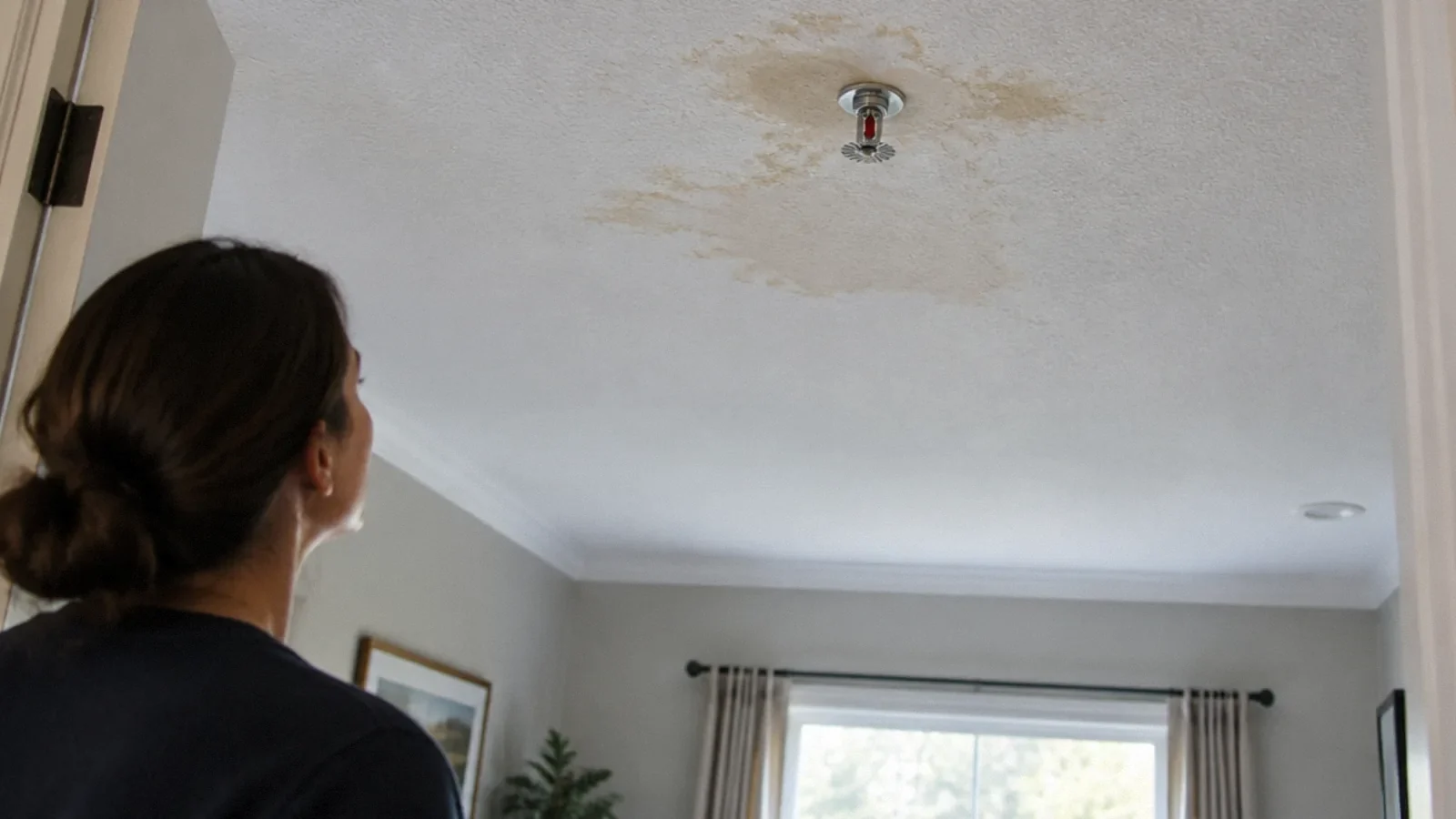
A ceiling-mounted fire sprinkler is part of a life-safety system. An outdoor irrigation sprinkler waters landscaping and has different controls and repair requirements. A wet ceiling, pooling near a wall or an unexpectedly high water bill does not by itself identify which system is responsible.
If smoke, fire or an alarm is present, evacuate and call 911 from outside. If water is near electricity, avoid standing water and wet switches or appliances. Do not enter an unstable or sagging ceiling area. Responders or qualified personnel can determine safe access.
Fire sprinkler discharge or leak
Notify the fire department or building management as appropriate, particularly if a fire alarm sounds or a sprinkler has activated. Do not tamper with the sprinkler head, cap a discharge or make an unauthorized repair. Water from a fire sprinkler does not by itself prove that no fire is present.
A fire-protection valve affects the protection available to occupants. The U.S. Fire Administration’s sprinkler training material describes obtaining permission and notifying affected personnel before a system is shut down for maintenance. The responsible authority and qualified fire-protection professional should coordinate isolation and restoration.
Keep fire protection in service
A system taken out of service can leave a building without normal fire protection. Building management and the authority having jurisdiction should determine notifications, any temporary protection and the steps for returning the system to service. Requirements depend on the building and circumstances.
Do not assume that replacing a visible head is a suitable do-it-yourself repair. A qualified specialist must evaluate the components, applicable instructions and testing. Preserve the damaged head and other evidence when directed by investigators or the responsible authority.
Landscape irrigation leaks
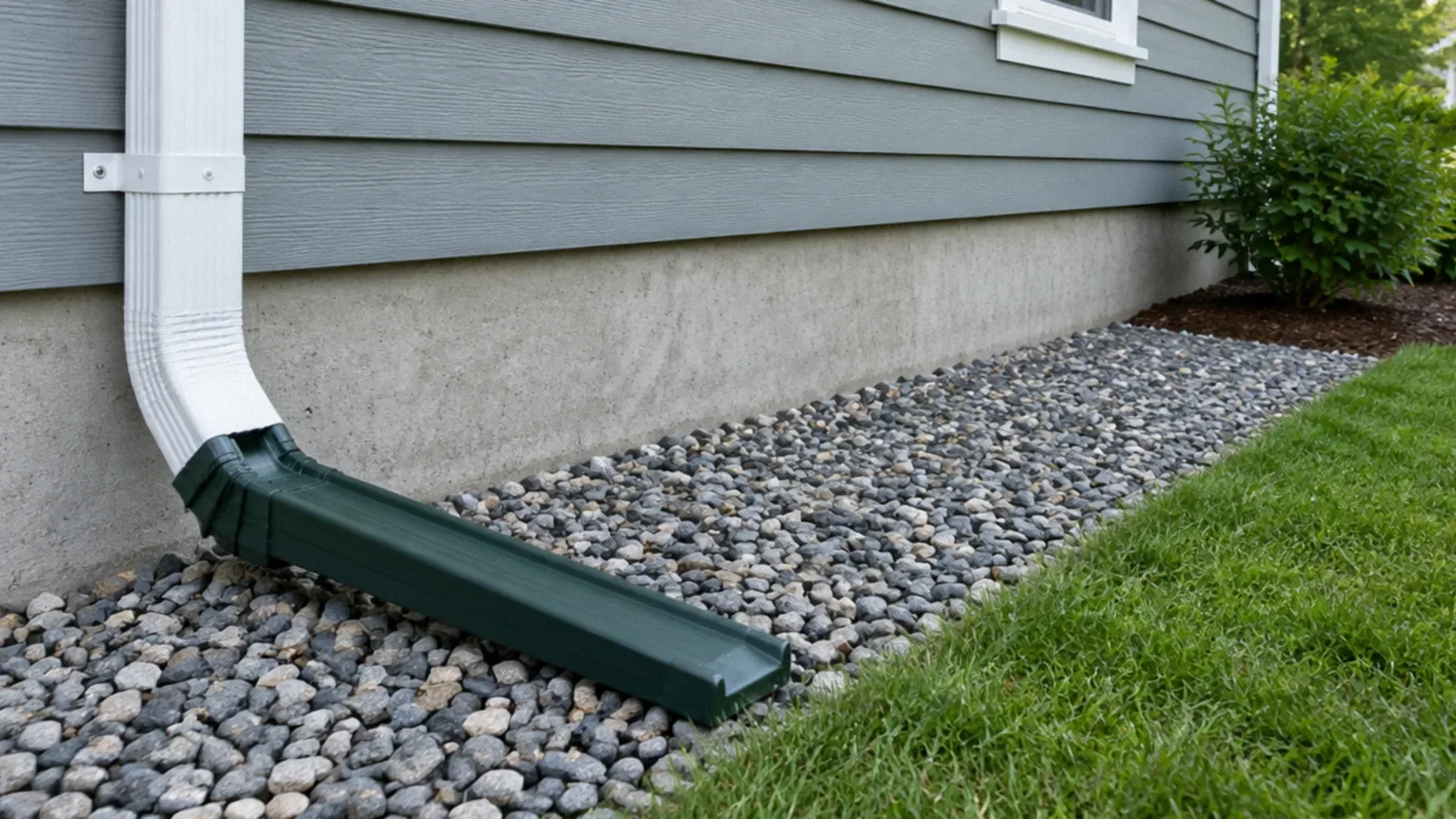
EPA notes that broken irrigation heads, leaking joints or valves and misdirected spray can waste water and cause pooling. From a safe location, look for water accumulating between scheduled watering cycles or irrigation directed toward a wall. These clues identify an area for assessment, not necessarily the exact source.
If a clearly identified irrigation controller can be stopped without affecting a fire-protection system, follow its instructions or contact the property manager. Do not excavate near buried utilities or attempt a valve repair when you do not know what it controls. An irrigation professional can trace and repair the affected zone.
Protect the building and contents
Move people away from the affected area and relocate belongings only if the path is safe. Water can collect above ceilings and behind walls, and a stained surface can conceal more extensive wet material. Do not puncture a ceiling or use household equipment near standing water.
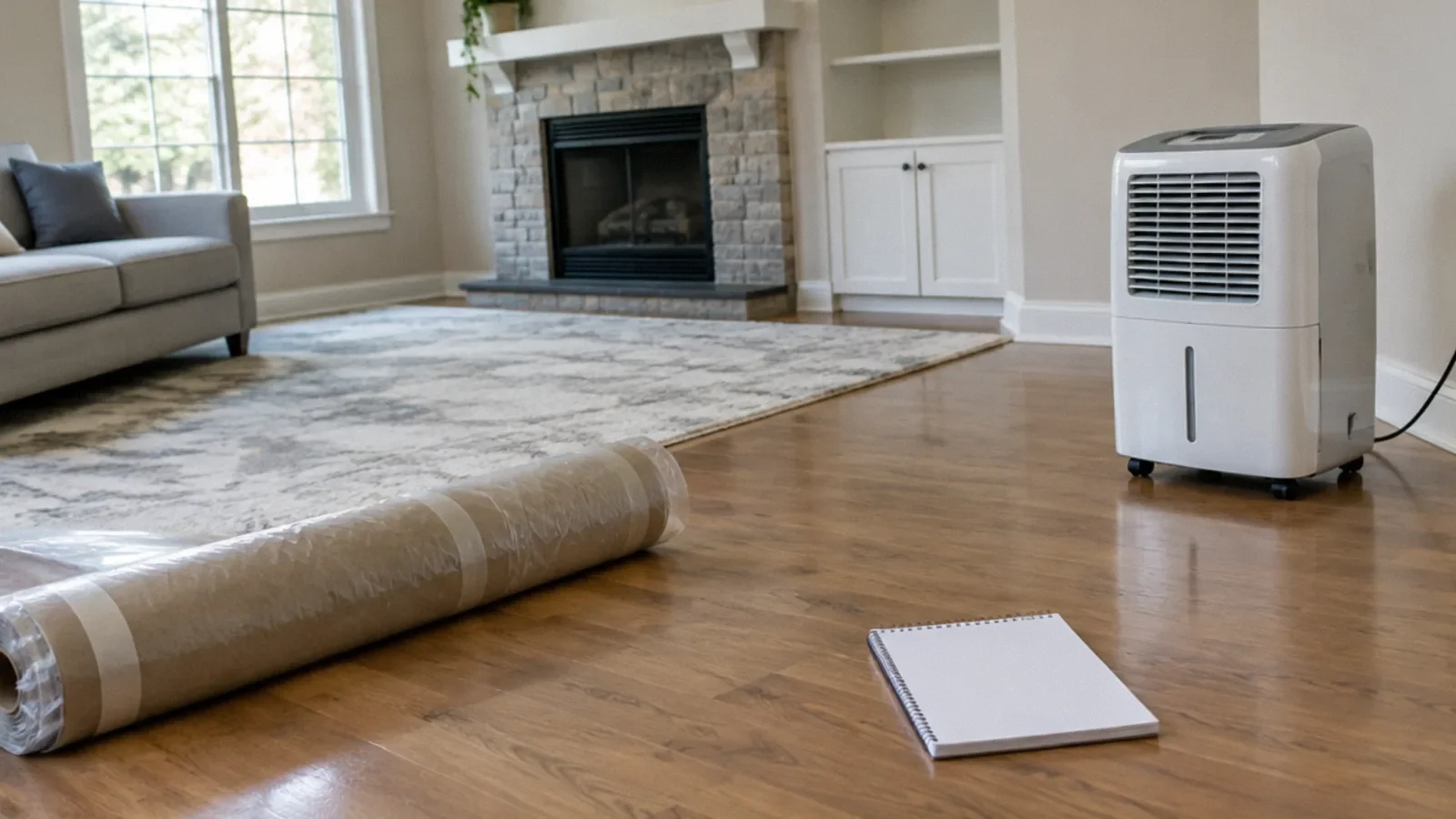
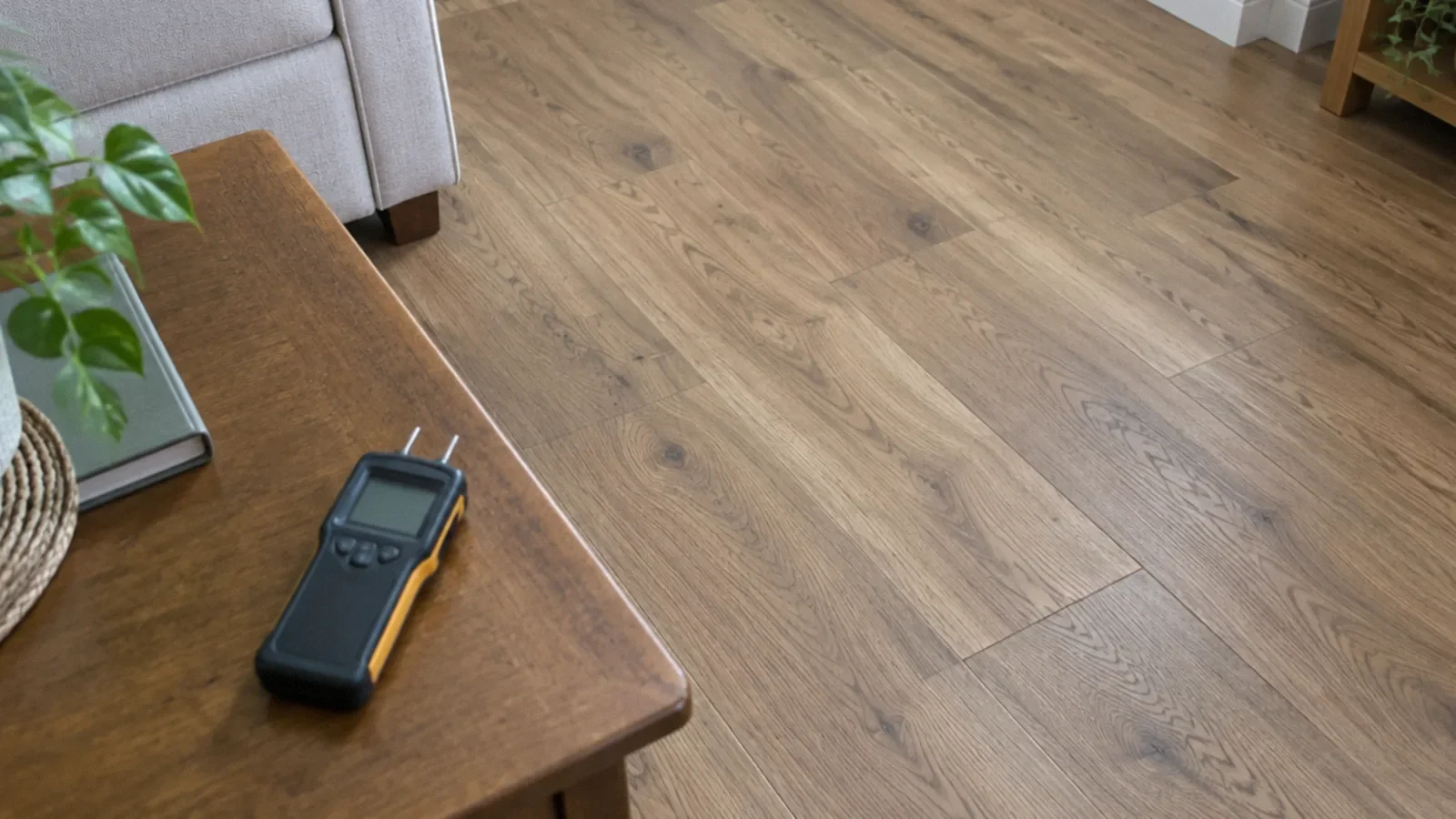
After the water source is controlled and access is safe, arrange moisture assessment and drying appropriate to the materials and water condition. The condition of sprinkler-system water can vary; do not assume it is safe to handle or that visible surface drying means concealed cavities are dry.
Document the incident
Photograph the affected area from a safe position and record when water was first observed, who was notified and which actions were taken. Keep the fire-system or irrigation service report, moisture readings, invoices and photographs of any necessary removal.
Tell the insurer or property manager the observed facts rather than assigning a cause before inspection. Coverage depends on the actual policy, cause and exclusions. Ask about documentation and inspection requirements while proceeding with necessary emergency measures.
Compare repair and restoration scopes
A sprinkler contractor may repair and test a fire-protection system, while a separate restoration contractor assesses and dries affected building materials. An irrigation contractor handles landscape equipment. Ask each provider to define its scope, access, testing and responsibility for returning equipment to operation.
A written plan should distinguish source repair from water extraction, drying, cleaning and reconstruction. Ask how wet wall or ceiling cavities will be evaluated and when affected finishes can be replaced. Cost varies with access, materials and system complexity; no generic price covers every incident.
Prevent future problems
Follow the fire-protection system’s inspection and maintenance requirements and manufacturer instructions. Do not paint, hang objects from or otherwise alter sprinkler heads. Report corrosion, damage or leakage to the responsible qualified professional.
For irrigation, EPA recommends inspecting for broken heads, leaks and spray directed toward walls. Review the schedule and check for pooling between cycles. A sprinkler failure can cause water damage, but this article does not establish that sprinklers are a common cause of all property water losses.
Your next-step checklist
- Evacuate and call 911 for fire or an alarm.
- Keep away from water near electricity.
- Identify fire protection versus landscape irrigation.
- Use qualified personnel to isolate and restore a fire system.
- Document damage and arrange source repair and drying.
Related questions
Can a fire sprinkler cause water damage?
A leak or discharge can wet building materials. Treat any alarm or fire as an emergency and have qualified personnel assess the system.
Can I shut off a fire sprinkler valve myself?
Do not make an unauthorized shutdown. Coordinate with the responsible authority and qualified fire-protection personnel because the system protects occupants.
Can irrigation wet a foundation?
Broken or misdirected irrigation can put water near a building. Inspect safely and ask an irrigation professional to correct the source.
Does insurance always cover sprinkler damage?
No. Coverage depends on the policy, cause, exclusions and circumstances.
Sources & context
Public guidance supports the principles in this article. The practical questions and examples are editorial interpretation, not a site assessment or a coverage decision. State-specific rules apply only where identified.
- U.S. Fire Administration: Residential sprinkler trainingfederal fire protection training
- EPA: Sprinkler maintenancefederal irrigation guidance
- EPA: Mold and moisture in your homefederal moisture guidance