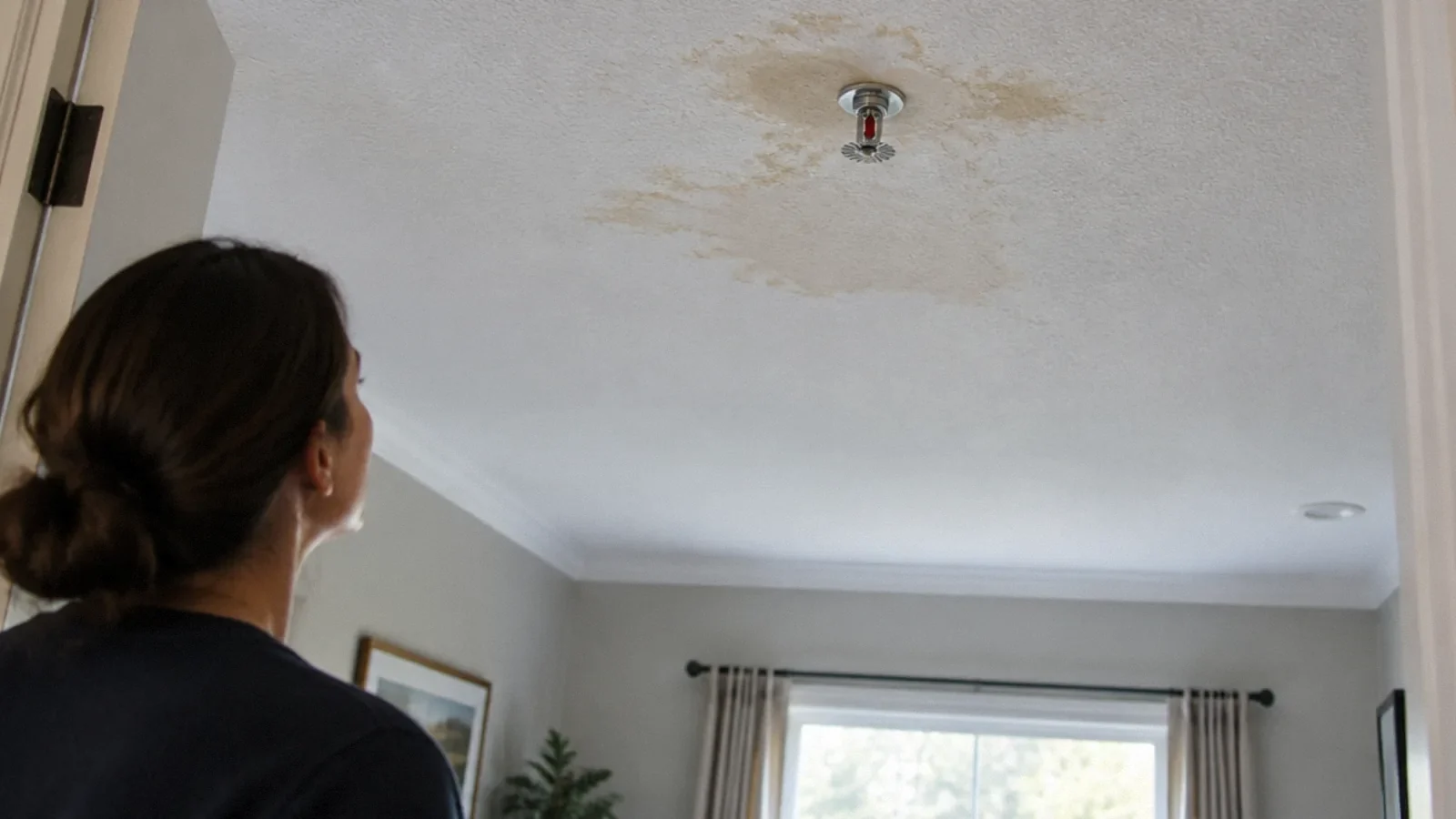
A business disaster response plan identifies likely hazards, protects people first, assigns responsibilities and explains how essential operations can continue or resume. Make the plan specific to the premises and workforce, practice it, and coordinate with the building owner and local authorities.
Start with people and the building
A useful emergency plan explains how employees, customers and visitors receive a warning and reach safety. Ready.gov recommends planning evacuation routes and a meeting place for a business. Routes, accessible assistance and responsibilities need to fit the actual building rather than a generic floor plan.
Identify who can initiate the response, who contacts emergency services and who accounts for people outside. Provide alternatives when a designated person is absent. Do not ask employees to enter a hazardous area or delay evacuation to save equipment.
Identify local hazards
Consider the property’s exposure to fire, earthquake, flooding, severe weather, power failure and plumbing leaks. A Bay Area business may face different hazards from a business in another region. Use local official information and the building’s actual location, systems and occupancy when setting priorities.
Distinguish incidents requiring evacuation from those where local authorities direct people to shelter. A water leak can become an electrical hazard; a fire alarm can require leaving immediately. Write clear instructions for each situation and make sure they are easy to find.
Assign roles and contacts
List primary and backup contacts for building management, utilities, emergency services, insurance and qualified contractors. Keep copies accessible away from the premises, while protecting personal and confidential information. Review the list when staff, leases or service providers change.
A response role must be realistic for the person’s training and authority. For example, shutting a fire-protection valve is not a general employee task. Building management and qualified personnel should coordinate any impact on life-safety systems with the responsible authority.
Plan safe evacuation and communication
Identify exits and an outdoor meeting point appropriate to the site. Do not block routes with stored supplies. Plan how people with different mobility, sensory or communication needs will receive information and obtain assistance without relying on a single person.
Decide how the business will communicate a closure, a change of work location or an all-clear. Keep an alternative method in case power or a normal network fails. Employees should know that a message from the business does not replace instructions from emergency responders.
Protect essential operations
List the functions the business must restore first, the people and equipment needed for each and realistic alternatives if the premises cannot be used. This may include access to critical records, customer communication, payment systems and suppliers. Test whether backups can actually be accessed.
A continuity plan is different from an evacuation plan: one addresses how work can resume, while the other addresses immediate safety. Assign an owner and backup for each essential function. Avoid promising a recovery time until dependencies and available resources have been tested.
Prepare for water damage
Record the location of ordinary domestic water shutoffs and whom to contact about a leak. Employees should act only if a control is clearly identified, accessible and safe; no one should cross standing water near electricity. Fire sprinkler systems require separate qualified coordination.
Know which records or equipment are particularly vulnerable and how they can be protected safely before an incident. After a leak, arrange source repair and moisture assessment. Do not restart flooded equipment or replace wet finishes until qualified personnel have assessed them.
Insurance and recovery records
Review property, business interruption, flood and earthquake coverage with the insurer or broker. Ready.gov recommends checking what the business policy covers and excludes. A plan or emergency contractor agreement does not guarantee coverage for a particular loss.
When the scene is safe, document damage and preserve invoices, service reports and photographs. Follow the insurer’s notice instructions while taking necessary steps to reduce ongoing damage. Record decisions and any changes to the scope of work so costs can be understood later.
Practice and update the plan
Train staff when the plan is introduced and review it when the building, team or operations change. Conduct appropriate drills and document what did not work, such as an inaccessible exit or an outdated contact. Assign someone to correct each finding and check the correction.
Coordinate with the building owner, neighboring tenants and local responders where appropriate. Keep emergency supplies suitable to the site and check them on a schedule. The objective is a plan people can use under pressure, not merely a document filed away.
Your next-step checklist
- Identify hazards and accessible exits.
- Assign primary and backup response roles.
- Keep contacts and essential records available off-site.
- Plan business continuity separately from evacuation.
- Practice and update the plan.
Related questions
What belongs in a disaster response plan?
Include hazards, warnings, evacuation, communication, assigned roles, emergency contacts and a safe recovery process.
Is a continuity plan the same as an evacuation plan?
No. Evacuation addresses immediate safety; continuity addresses how essential work can continue or resume.
Should employees shut off fire sprinklers during a leak?
Do not make an unauthorized shutdown. Building management, the responsible authority and qualified fire-protection personnel must coordinate.
Does business insurance automatically cover every disaster?
No. Coverage, limits and exclusions depend on the policy and circumstances.
Sources & context
Public guidance supports the principles in this article. The practical questions and examples are editorial interpretation, not a site assessment or a coverage decision. State-specific rules apply only where identified.
- Ready.gov: Emergency planning for businessesfederal emergency planning guidance
- Ready.gov: Continuity guidancefederal continuity guidance
- EPA: Flood cleanup and indoor airfederal flood cleanup guidance