Stain-protection treatments for upholstery and carpet can help with some spills, but results depend on the fiber and product. Check the care label and warranty, clean first, and follow the treatment label; no coating makes fabric stain-proof.
Scope: upholstery and carpet
This guide concerns stain-protection treatments for upholstered fabric and carpet fibers, not a universal coating for wood, stone, leather or all household surfaces. Product compatibility and whether an existing treatment is already present depend on the particular material and maker.
A treatment may provide time to blot some spills; it cannot promise resistance to every substance or prevent wear. Ask the applicator for the product label, drying time, ventilation and aftercare instructions before committing, and check the furniture or carpet warranty for restrictions.
Understand the purpose of protection
A fabric or carpet protector is intended to change how some liquids or soils interact with a surface. Products and materials differ, so read the actual manufacturer’s description instead of assuming that every treatment repels every substance or lasts for the same period.
A protective finish is not a substitute for prompt spill response. A colored drink, oil or ink may still leave a stain, particularly if it remains on the fabric or the finish is worn. Avoid a provider that guarantees complete protection without explaining the product and its limits.
Check the care label first
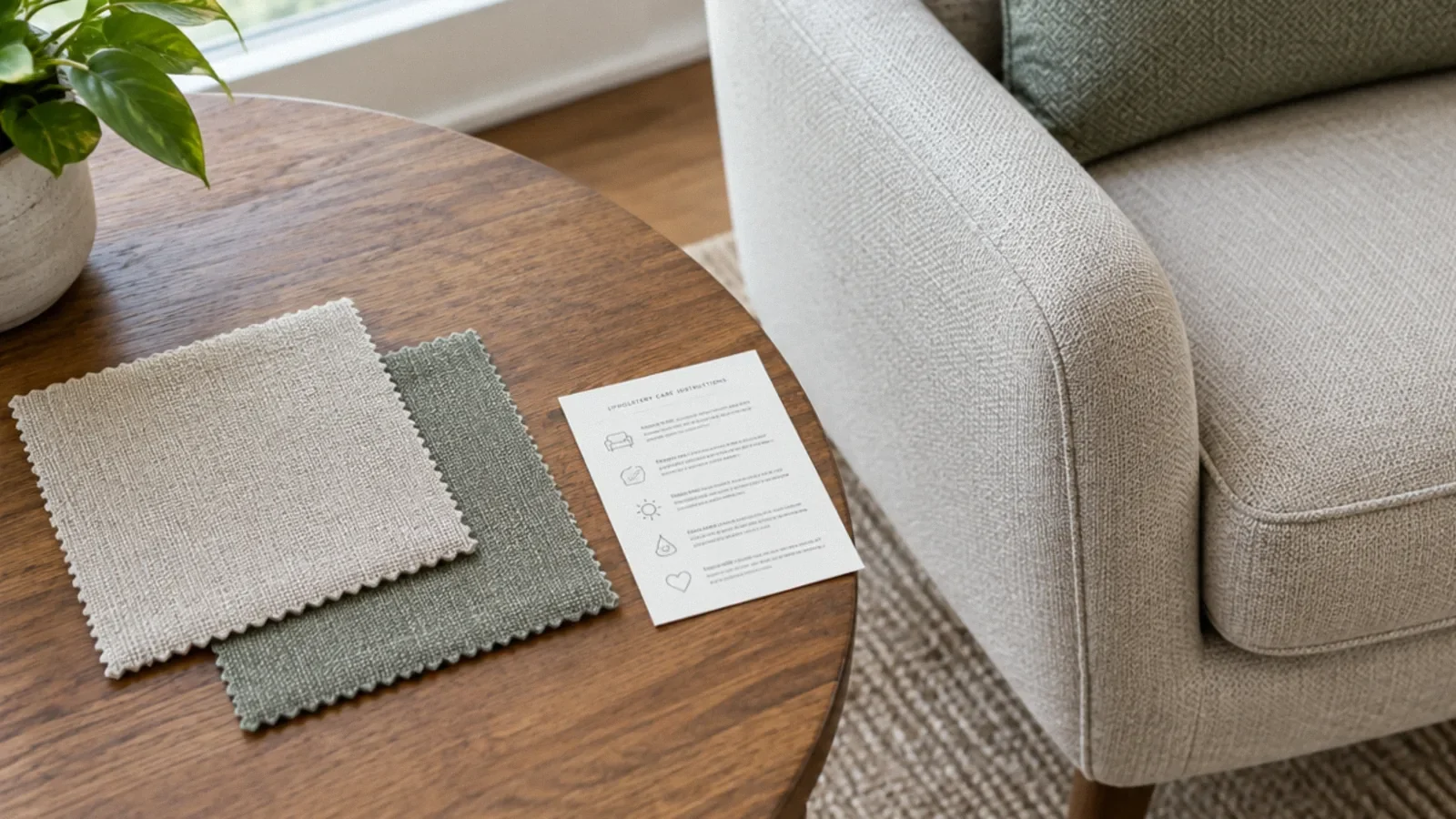
Identify the fiber, upholstery care code and any existing finish. Some fabrics, dyes, leather and delicate materials are unsuitable for a particular treatment. Follow the furniture or carpet manufacturer’s instructions and ask whether a proposed product affects the warranty.
A label describing a product as suitable for fabric does not prove it is suitable for every fabric. Ask for the exact product and intended method, then test only as directed in a hidden area. A professional should explain the possibility of color or texture changes.
Clean before applying a treatment
A stain protector does not clean existing dirt. The surface should be prepared according to the product and material instructions, and any existing stain should be assessed separately. Applying a coating over soil or a damp cushion may make later cleaning more difficult.
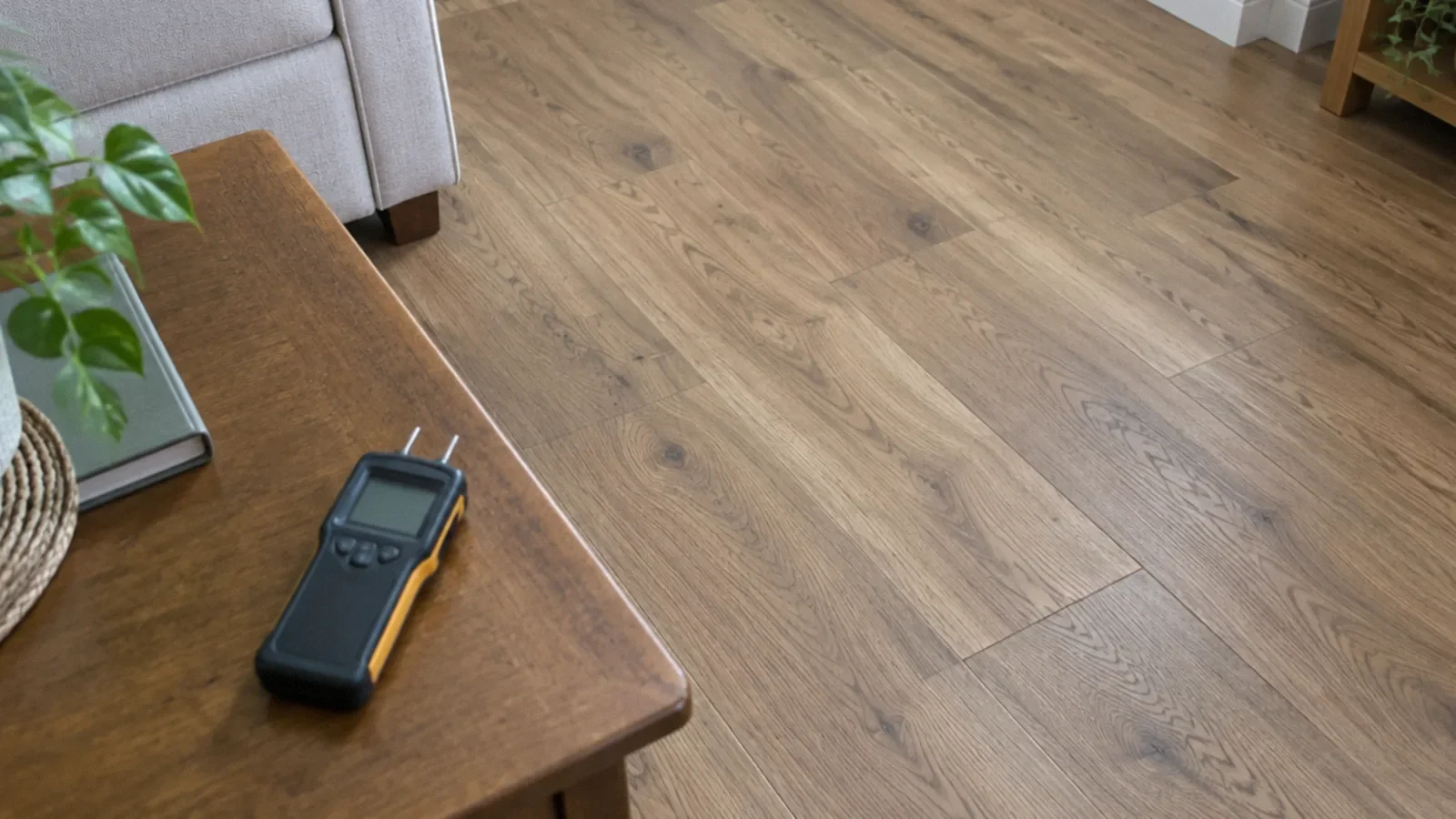
Allow appropriate drying before treatment when the instructions require it. Do not saturate upholstery, carpet backing or padding. If a previous water leak or musty odor is present, investigate and correct the moisture problem rather than sealing over it.
Application and indoor air
Follow label directions for ventilation, protective equipment and keeping children and pets away during application and drying. EPA advises using household products as directed and not mixing cleaners. Product-specific precautions matter even when a product is marketed as low odor or environmentally friendly.
Do not apply a spray near open flames or ignition sources when its label warns against it. Avoid overspray onto floors, electronics, food or neighboring surfaces. If someone develops symptoms during use, stop exposure and seek appropriate medical or poison-control guidance.
How long does protection last?
There is no dependable universal duration. Foot traffic, cleaning, sunlight, the material and the product can change performance. Ask the manufacturer or service provider what maintenance and reapplication conditions apply to the exact treatment.
Do not use a simple water-drop test as proof that all types of stains will be prevented. Follow the furniture maker’s cleaning instructions and respond to spills promptly. Reapply only when permitted by the product and material instructions.
Treatment at home or by a professional
A homeowner should use only a product labeled for the item and follow its instructions. A professional may offer cleaning and protection as separate services. Ask which product will be applied, which surfaces are included, whether testing is performed and how long the area must remain unused.
Request a written price and any warranty or limitation before agreeing. A warranty can have exclusions, maintenance conditions or a claim process. It is different from a promise that no stain will ever occur. Compare the specific scope rather than only the advertised price.
If a spill occurs after treatment
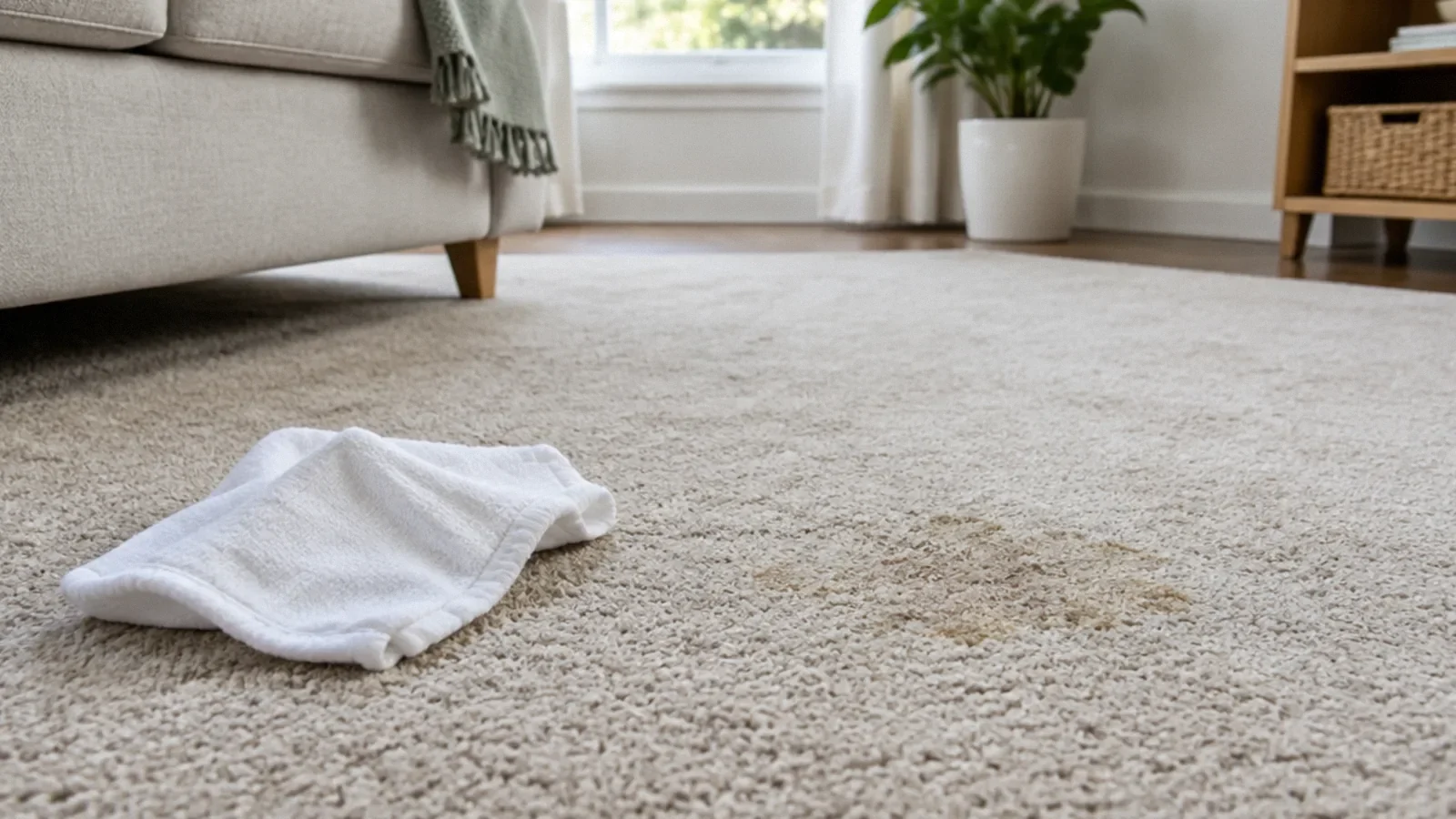
Blot an ordinary fresh spill promptly with a clean absorbent cloth, working according to the item’s care instructions. Do not rub aggressively or add multiple chemicals. Test an approved cleaner before treating a stain and avoid soaking the backing.
For old stains or valuable upholstery, ask a qualified cleaner about the material and the protection product already applied. Tell the provider what caused the stain and which products have been used. A protective treatment does not guarantee that every spill can be removed.
When protection may not be worthwhile
A fabric that cannot safely accept the treatment, an item already damaged by moisture or a surface outside the product’s labeled use may not be a suitable candidate. In some cases a washable cover or a change in routine may be more practical.
Consider household needs, cost and the manufacturer’s maintenance instructions. Do not apply a stain protector to medical equipment, a pet drinking surface or a food-contact surface unless the product and applicable instructions explicitly permit that use.
Your next-step checklist
- Identify the fabric and care instructions.
- Choose a product labeled for the material.
- Clean and dry as directed before treatment.
- Follow ventilation and drying precautions.
- Blot spills promptly; protection is not a guarantee.
Related questions
Does fabric protector make a sofa stain-proof?
No. It may help with certain spills, but performance varies and staining can still occur.
Can stain protection be applied to any upholstery?
No. Check the fabric and product instructions and test as directed.
Does a fabric protector remove old stains?
No. Existing soil and stains need separate assessment and cleaning.
How long does the treatment last?
It depends on the product, material, wear and maintenance; ask the manufacturer or provider.
Sources & context
Public guidance supports the principles in this article. The practical questions and examples are editorial interpretation, not a site assessment or a coverage decision. State-specific rules apply only where identified.
- EPA: Cleaning products and indoor airfederal product safety guidance
- EPA: Care for your airfederal indoor air guidance
- EPA: Mold and moisturefederal moisture guidance
- EPA: Indoor air and soft surfacesprimary guidance