A dated national estimate puts sewage cleanup at $7–$15 or more per square foot, but the actual total depends on contamination, access, materials and separate repairs. Obtain a written local scope.
What the national estimate means
HomeGuide’s August 2025 guide puts general sewage cleanup at $7–$15 or more per square foot and $2,000–$15,000 or more total. These are dated national estimates for a broad range of jobs, not a local bid or a guarantee. A small contaminated area can still have minimum response, access, disposal and repair charges. A large or complex loss can exceed the range.
First distinguish the cleanup cost from the entire cost of a sewer backup. Plumbing diagnosis and repair, restoration of finishes, contents, temporary accommodation and the insurance deductible can be separate. Ask each provider for a written scope before comparing totals, and avoid multiplying the visible floor area by a single rate as if it were a binding estimate.
The published range is a starting point for questions, not a price ceiling. Ask whether the company has inspected all affected areas and what additional findings might change its estimate.
Keep people away and stop adding water
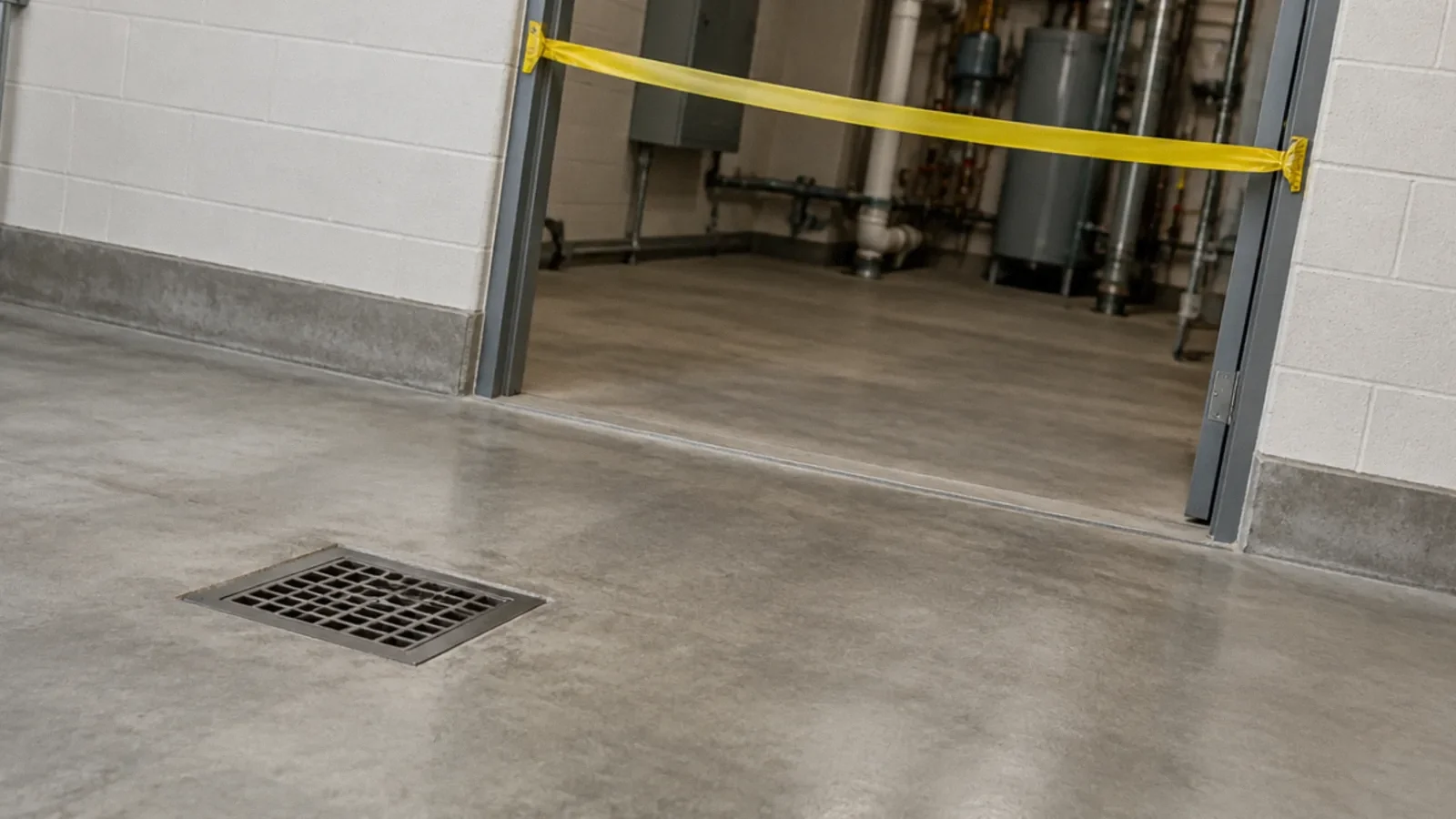
Raw sewage can carry harmful organisms. Keep children and pets away from the affected area and avoid contact. If water has reached electrical equipment or a potentially unstable ceiling or floor, stay clear and contact qualified help. Do not enter a contaminated crawl space or other confined area to measure damage.
Stop using fixtures that drain into the affected line until a plumber says it is safe to resume. Notify the appropriate plumbing provider and, if a public main may be involved, the local utility. A clean floor is not evidence that the underlying blockage or broken pipe has been repaired.
What an itemized cleanup estimate should cover
Ask whether the proposal includes assessment, containment, water extraction, removal of contaminated materials, appropriate cleaning, drying equipment, monitoring and disposal. It should explain which rooms and materials are included and which are excluded. Emergency response outside normal hours, minimum charges and equipment rental days may be separate line items.
Porous materials can be difficult or impossible to clean effectively after contamination; their condition and exposure matter. EPA advises using a professional experienced with contaminated water when sewage caused the damage. Ask the provider to explain decisions about carpet, pad, drywall, insulation and contents instead of assuming that every item can be sanitized or that everything must be discarded.
Why two similar spills can cost different amounts
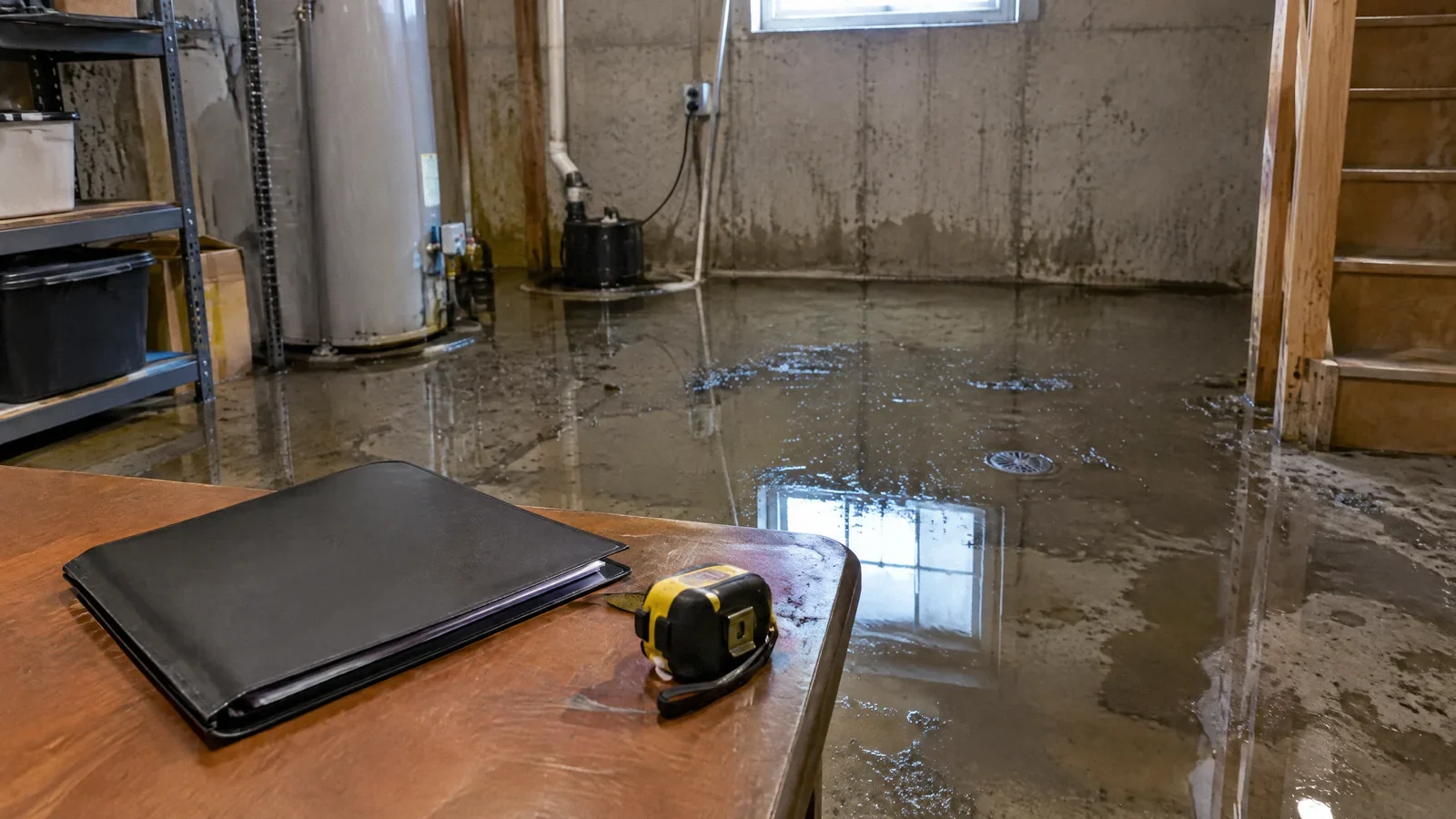
The amount and depth of sewage, how far it traveled, time before response and the materials affected all influence work. An overflow confined to a hard, accessible floor creates a different scope from sewage that entered wall cavities, insulation or finished flooring. Hidden areas may not be fully known until qualified assessment or limited removal.
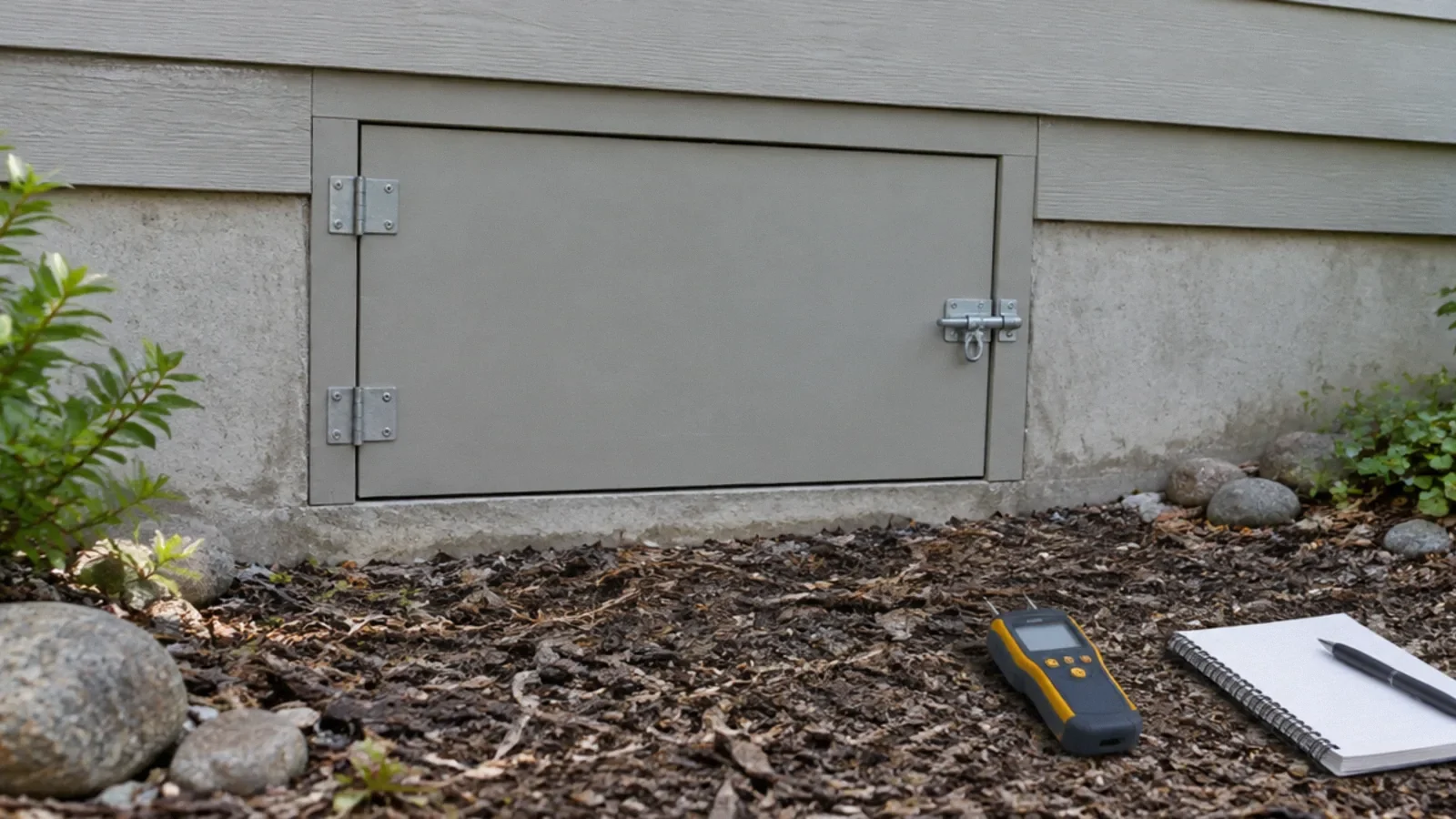
Access matters as well. A basement with a clear entrance is different from a low crawl space with difficult equipment access and possible atmospheric hazards. Ask how unknown conditions are priced and require written authorization for a change in scope. A separate crawl-space estimate should include access and safety planning rather than treating the floor area as the whole job.
Source repair, drying and rebuilding
A plumber may need to diagnose the blockage, inspect the line or repair a failed component. A restoration provider may extract contamination and manage cleaning and drying. A builder may later replace finishes. One company may coordinate these tasks, but that does not mean each is included in the initial cleanup quote.
Ask who is responsible for each handoff and what evidence will be provided before rebuilding. A dry-looking surface or a deodorizer does not prove concealed materials are dry or clean. The scope should identify how moisture is checked, what remains uncertain and when reconstruction can reasonably begin.
Insurance and payment decisions
A standard homeowners policy may not automatically cover sewer backup; endorsements, exclusions, limits and deductibles vary. Contact the insurer or agent promptly, describe the source and ask for the actual policy terms and documentation requirements. Floodwater entering from outside can present different coverage questions from a sewer backup. Do not assume an estimate or contractor’s opinion is a coverage decision.
Take photographs only from a safe position. Keep the plumber’s diagnosis, the restoration scope, communications, receipts and change orders. Ask how emergency mitigation and the insurer’s inspection should be coordinated. Necessary steps to prevent further harm should not require entering an unsafe area.
Compare quotes on the same scope
Ask for itemized amounts, minimum charges, payment schedule, estimated duration, equipment monitoring, disposal, exclusions and a process for discoveries. A cheaper quote that omits demolition, disposal or repair is not necessarily cheaper for the full job. Check whether the work includes restoring baseboards, drywall, floor coverings and any affected utilities.
If conditions allow, compare more than one qualified provider and ask about experience with sewage-contaminated buildings. Get a clear description of what can be evaluated now and what will require further inspection. No responsible estimate can guarantee a final total before hidden damage is identified.
Your next-step checklist
- Keep people and pets away from sewage.
- Stop using fixtures connected to the affected line.
- Ask for separate cleanup, plumbing and reconstruction prices.
- Request a written change-order process.
- Check actual insurance terms and retain safe documentation.
Related questions
Does the cleanup price include plumbing repair?
Not necessarily. Obtain separate line items for diagnosing and repairing the source and for cleaning the building.
Can I use a square-foot price as a final quote?
No. Access, material removal, disposal and minimum charges can materially change the total.
Does homeowners insurance cover a sewer backup?
It depends on the policy, endorsements, exclusions and the facts of the loss. Ask the insurer to review the actual coverage.
Sources & context
Public guidance supports the principles in this article. The practical questions and examples are editorial interpretation, not a site assessment or a coverage decision. State-specific rules apply only where identified.
- HomeGuide: sewage cleanup cost, August 2025dated national cost reference
- EPA: mold cleanup in your homefederal guidance
- EPA: flood cleanup tipsfederal guidance
- Insurance Information Institute: hurricane insurance guideinsurance industry guidance