A spongy floor can result from a resilient surface or underlayment, an installation or support problem, or moisture-damaged material. A new, localized, worsening, or visibly sagging area deserves prompt inspection.
Describe the movement before guessing the cause
A floor can feel soft in different ways. A cushioned vinyl or carpet surface may compress slightly while the structure underneath remains firm. A floating floor can move locally if it is not adequately supported by the surface beneath it. A larger area that bounces when someone walks may involve the floor framing or subfloor. These sensations overlap, and feel alone cannot establish whether the floor is safe.
Note when the movement began and whether it is limited to one spot, occurs along a seam, or extends across a room. Compare it with a similar area of the same floor. Look for a change in elevation, cracks in tile or grout, lifted edges, sticking doors, or a new gap at the baseboard. Squeaking can accompany movement, but APA notes that squeaks have many possible sources, including connections between panels and framing; noise alone does not diagnose rot or structural failure.
When to stop using the area
Keep people and heavy furniture off an area that is visibly sagging, breaking, rapidly changing, or feels as if it may give way. Do not jump on it to test its strength or probe it with a tool. If there is an immediate collapse concern, leave the area and contact an appropriate building professional or local emergency service. A qualified contractor or structural engineer can determine whether the floor needs temporary support and further investigation.
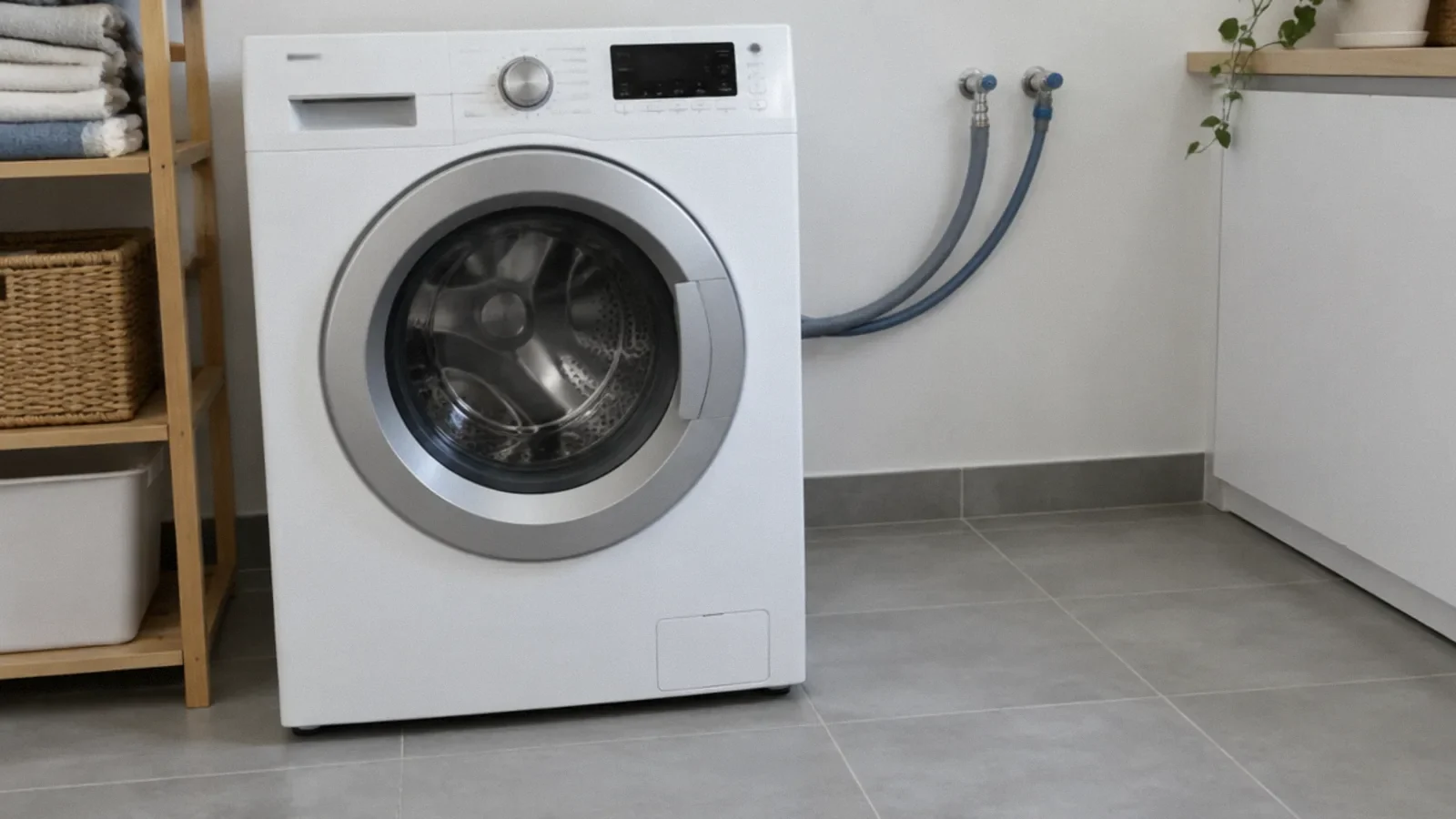
If the softness appears beside a toilet, tub, sink, exterior door, or appliance, check for visible water without disturbing finishes. Keep away from standing water near electrical equipment. If sewage or floodwater is involved, avoid contact and request specialist cleanup. A leak should be addressed promptly even if the floor has not yet visibly deformed.
Moisture and concealed damage
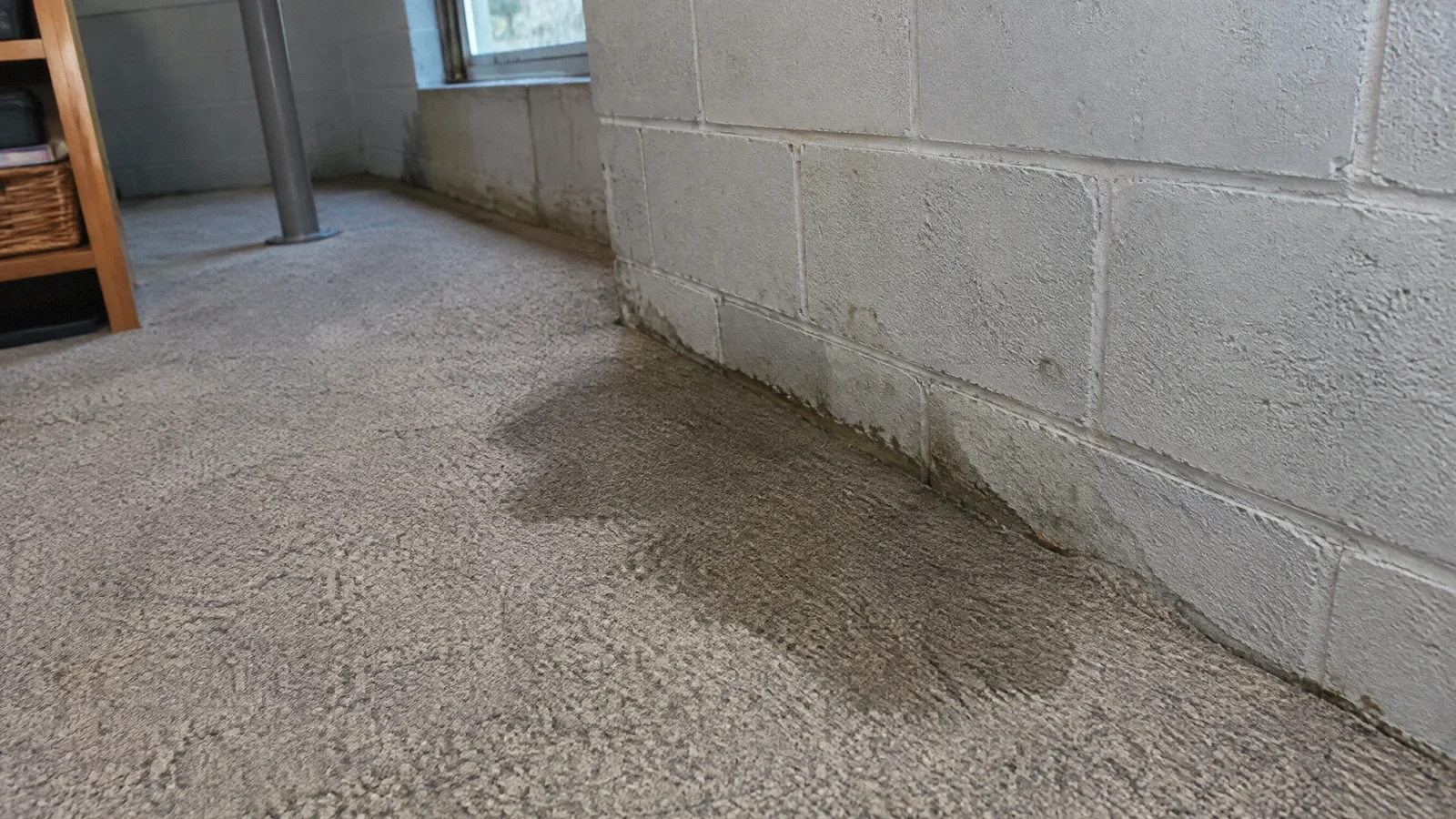
Repeated wetting can affect wood-based subflooring, underlayment, adhesives, and finishes. A leaking supply or drain, water entering at a doorway, a roof or wall leak, or condensation may be involved. Look for staining, swelling, a musty odor, cupped boards, or water at nearby fixtures. None of these signs alone identifies the full extent or the exact source: water can travel beneath the finished surface.
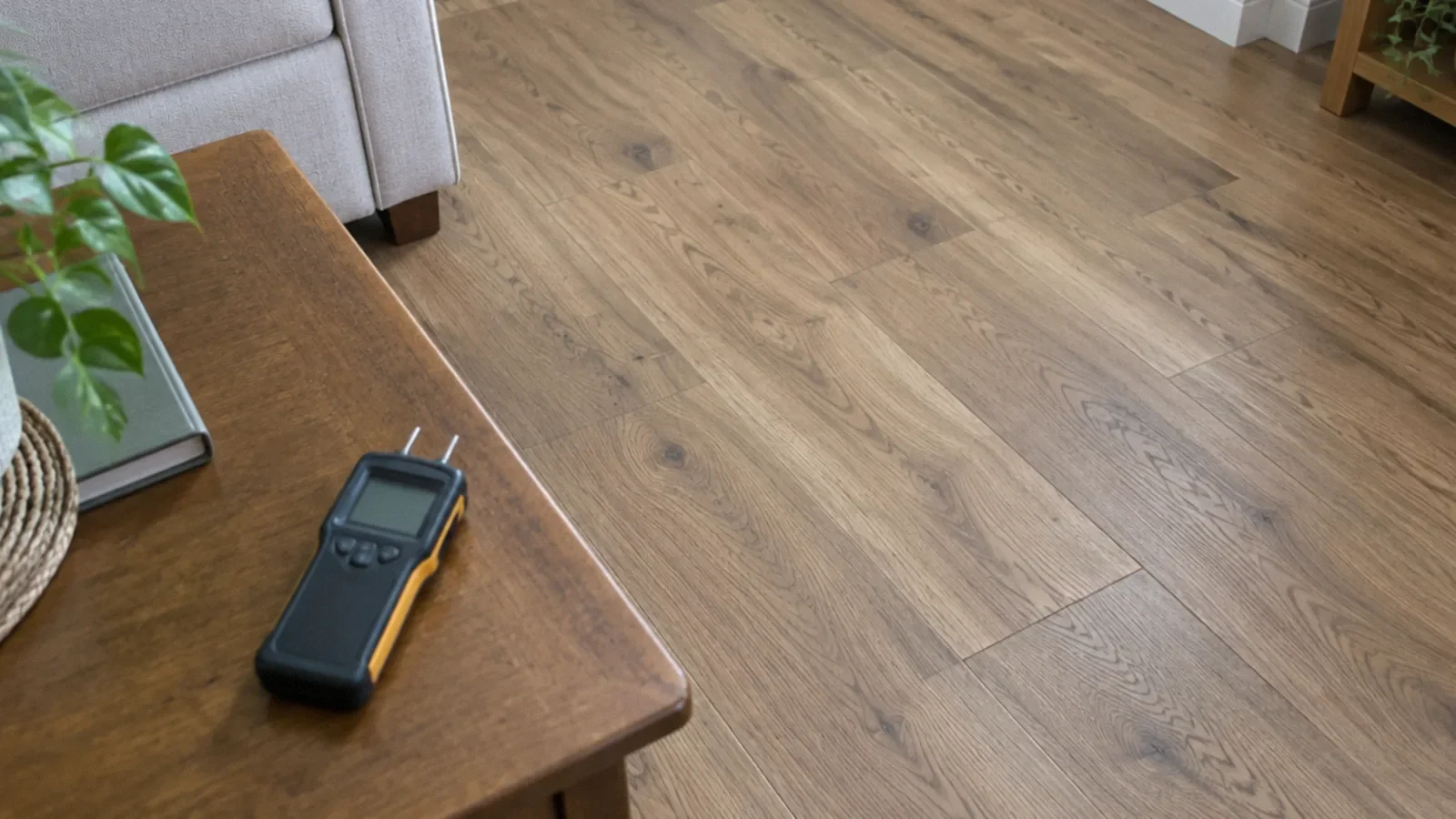
A professional can inspect accessible areas and use moisture measurements as part of an assessment. Readings must be interpreted for the material and conditions; a single number is not a complete structural evaluation. If the floor covering conceals the damage, limited removal may be needed to examine the subfloor and framing. Ask who will open the area, how utilities will be protected, and how the opening will be restored. Do not enter a confined crawl space or cut into a floor without knowing what lies beneath it.
Fix the source before replacing material. EPA advises drying water-damaged materials promptly and notes that porous moldy materials may need replacement. Whether a particular subfloor or framing member can remain depends on its condition and the professional assessment; drying a surface does not automatically restore lost strength.
Installation, materials, and normal flexibility
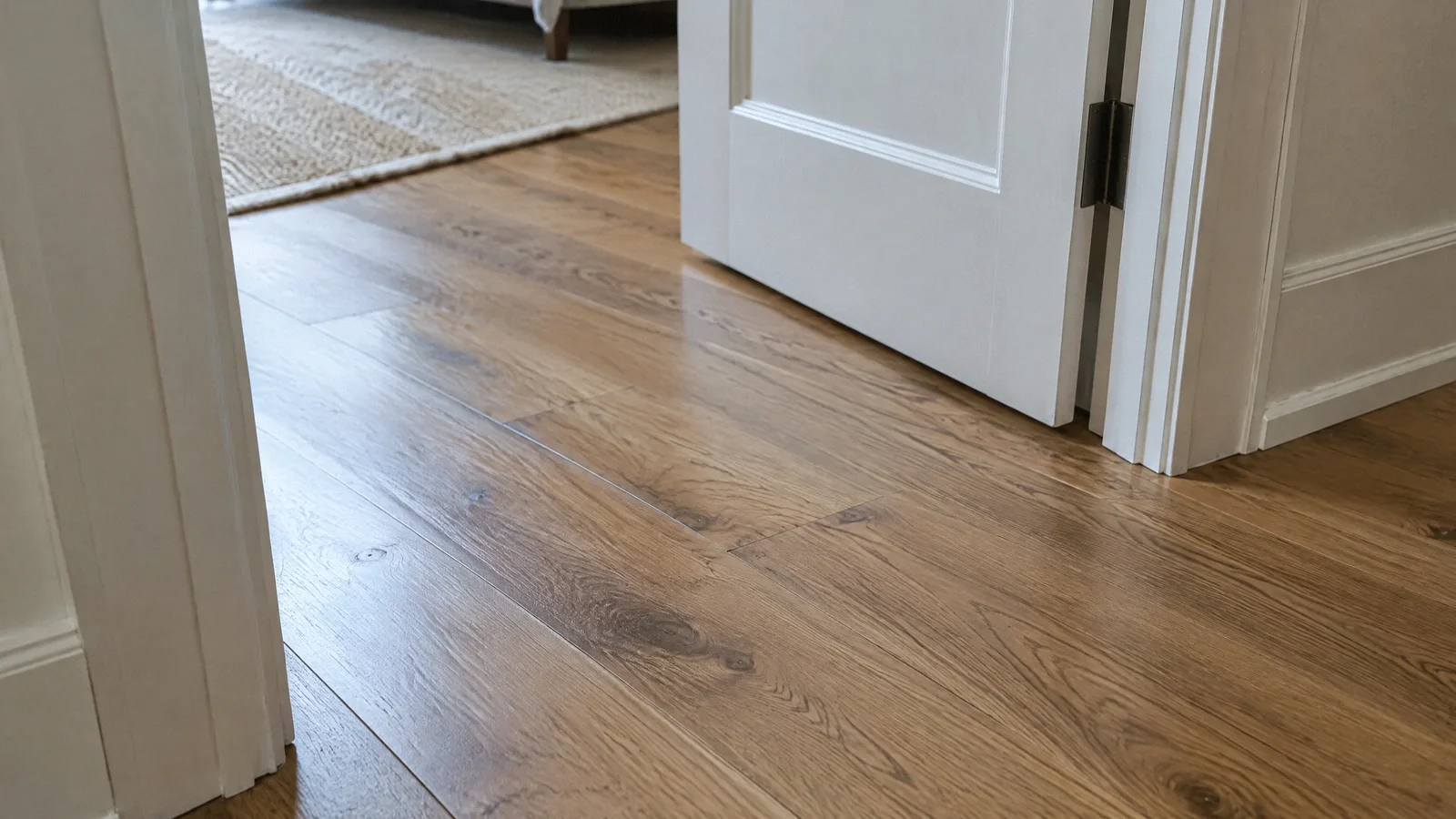
A new floating laminate or vinyl floor may feel springy where the supporting surface is uneven, where the wrong underlayment was used, or where an installation detail is incorrect. Some resilient coverings are designed to feel softer than tile. Compare the installation with the specific manufacturer’s requirements for flatness, underlayment, expansion space, and substrate. Do not fill gaps or fasten floating planks through the surface without checking those instructions, because that can restrict movement or damage the floor.
Movement and squeaks can also occur at fasteners, panel edges, or the junction between subfloor and joists. APA lists several construction and moisture-related causes and recommends careful inspection because each floor is different. A long-standing bounce across a room may reflect the floor system rather than a wet spot, but an inspector must determine whether it is acceptable in the actual building. A recent change deserves greater attention than a consistent feel documented since installation.
Plan the inspection and repair
Photograph the area and record its size, floor type, age, any recent leak, and whether the feel changes with weather or appliance use. Contact the installer for a newly installed floor, a plumber for a suspected leak, and a qualified building contractor or structural engineer for pronounced movement or sagging. In a rental, report the condition promptly to the property manager and avoid the area if its safety is uncertain.
Ask for a written explanation of the cause, affected layers, proposed repair, and how drying or structural performance will be verified. A cosmetic patch may not address a failed subfloor, while removing a sound floor without diagnosis can be unnecessary. After repair, check that the original source is corrected, the floor feels stable, and adjacent finishes are properly restored. Keep records in case the problem returns.
Your next-step checklist
- Keep off a sagging or rapidly worsening area.
- Record where and when the movement occurs.
- Look for accessible signs of moisture without disturbing materials.
- Consult the installer, plumber, or structural professional as appropriate.
- Repair the source before replacing damaged layers.
Related questions
Does a spongy floor always mean water damage?
No. Surface cushioning, installation, subfloor connections, and framing can also affect how a floor feels. A new or worsening soft spot should be inspected.
Can a floating floor move slightly?
Some movement is possible, but excessive local springiness may indicate a substrate or installation issue. Check the specific flooring instructions.
Should I keep walking on a visibly sagging area?
Avoid it and arrange prompt professional assessment. Do not jump on the floor to test it.
Sources & context
Public guidance supports the principles in this article. The practical questions and examples are editorial interpretation, not a site assessment or a coverage decision. State-specific rules apply only where identified.