Identify and correct the cause first. Gently clean a small grease spot only if the ceiling finish is washable; a water stain may need a suitable stain-blocking primer after the leak is repaired and the ceiling is dry and sound.
Identify the cause before cleaning
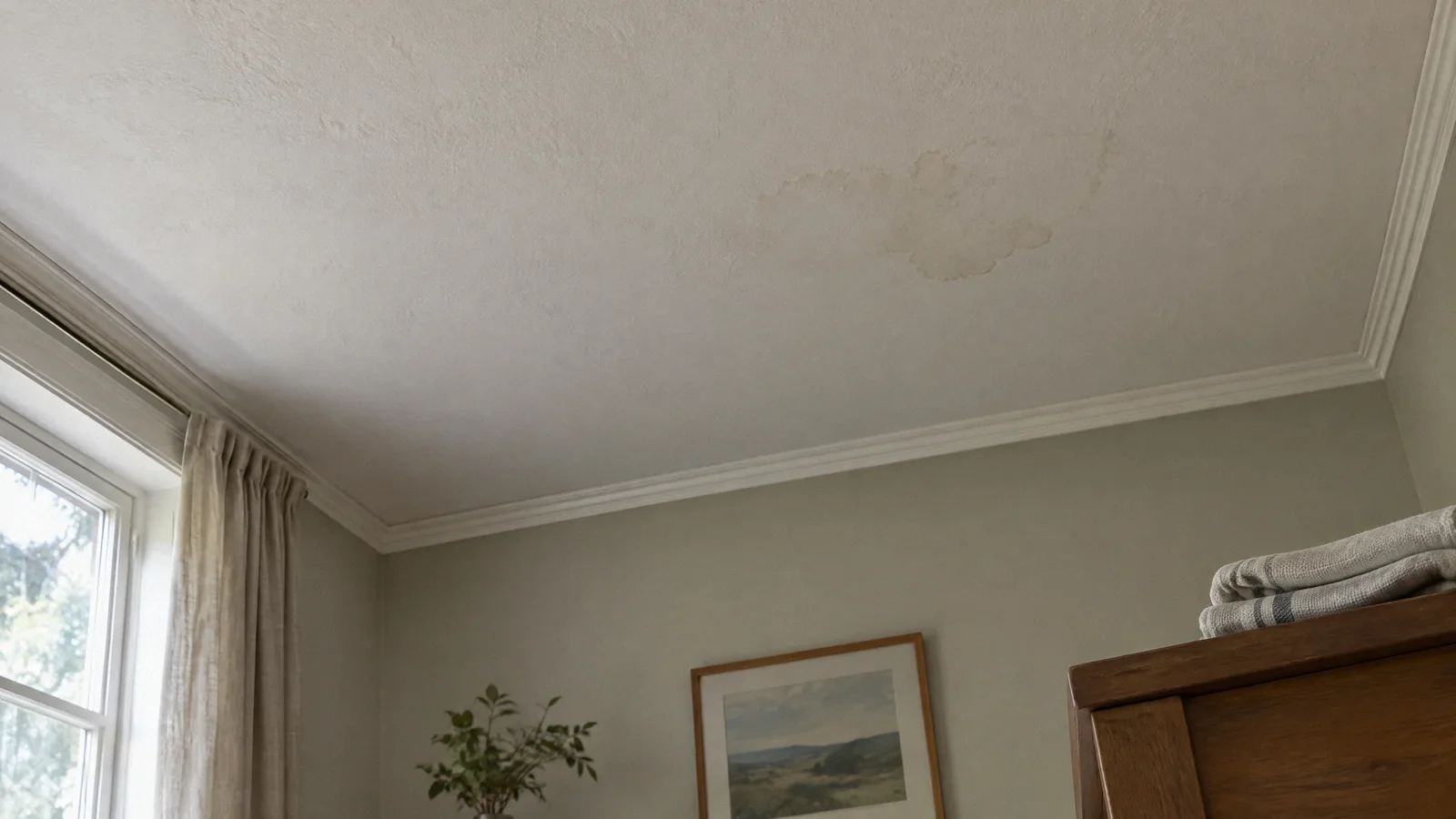
A ceiling stain can come from a water leak, kitchen grease, smoke or another source. The treatment depends on what created it and whether the ceiling is sound. A yellow or brown ring may be associated with water, but color alone cannot establish the source. A greasy film near a cooking area suggests a different problem from a spot that grows after rain.
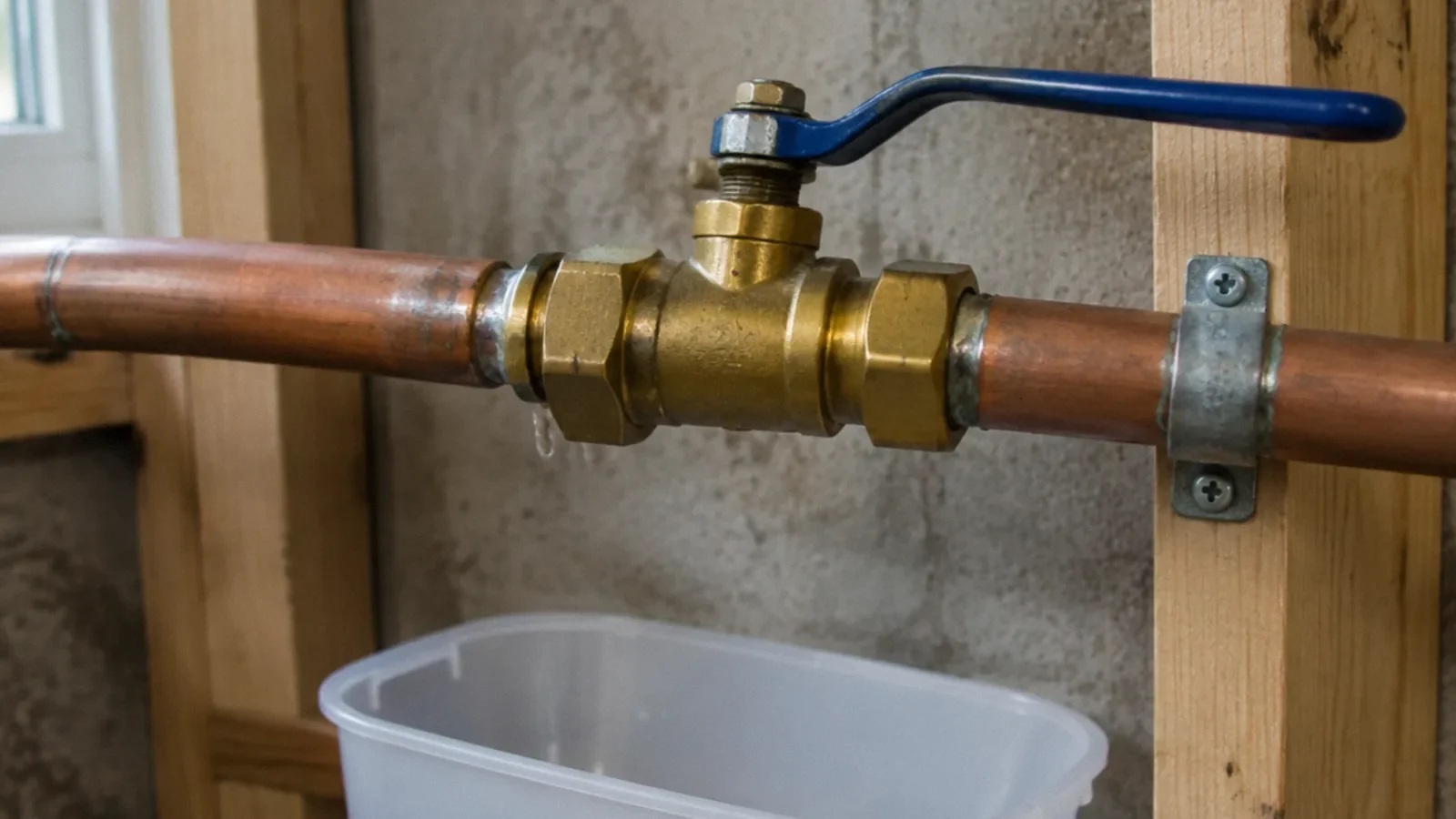
If the mark is damp, expanding or accompanied by bubbling paint, find and correct the leak before attempting a cosmetic repair. Water may travel from a roof, plumbing line or another location before reaching the ceiling. If the ceiling sags, keep people away and seek professional help. Stay clear of wet light fixtures and contact a qualified electrician if water is near electrical components.
Smoke or soot after a fire can involve contamination beyond the visible spot. For substantial fire residue, persistent smoke odor or uncertain damage, consult a restoration professional instead of rubbing soot into a porous finish. Do not identify mold by color; suspected growth and ongoing moisture require assessment.
Check the surface and work safely
Identify the ceiling material and paint finish. Smooth painted drywall may be washable if the coating allows it; acoustic tile, unsealed plaster and textured ceilings can absorb water or shed texture. Older textured material or coatings may contain asbestos or lead. If the age or composition is uncertain, do not scrape, sand or disturb it; seek appropriate testing and qualified help.
Follow the paint manufacturer’s care instructions and allow new paint to cure for the recommended period. Flat and matte finishes can mark or lose sheen with heavy pressure or excessive water. Test the cleaner and technique in an inconspicuous area, allow it to dry, and check for discoloration before treating the visible stain.
Use a stable platform appropriate to the task; do not overreach. Protect furniture and floors from drips. If the ceiling is high or requires extensive work, hire a professional rather than improvising access. Never spray cleaner directly toward electrical fixtures.
Clean grease from a washable ceiling
For a small grease mark on a sound, washable painted ceiling, first remove loose dust gently with a soft dusting tool. Sherwin-Williams recommends a grease-cutting dishwashing soap diluted in warm water for stubborn grease on painted surfaces, after testing the finish. Use only a small amount and follow the paint and cleaner instructions.
Dampen a soft cloth in the solution and wring it thoroughly. Gently blot or wipe the mark without saturating the ceiling. Work in a small area and avoid hard scrubbing, especially on flat paint. Follow with a separate clean, lightly damp cloth to remove residue, then blot dry with a soft towel. Stop if paint transfers, the finish becomes shiny or the surface softens.
If the stain does not improve, repeated aggressive cleaning can create a more visible patch. A painter can assess whether cleaning, localized repair or repainting is appropriate. A kitchen exhaust system used during cooking and cleaned according to its instructions can help reduce new deposits.
Treat water stains only after the leak is fixed
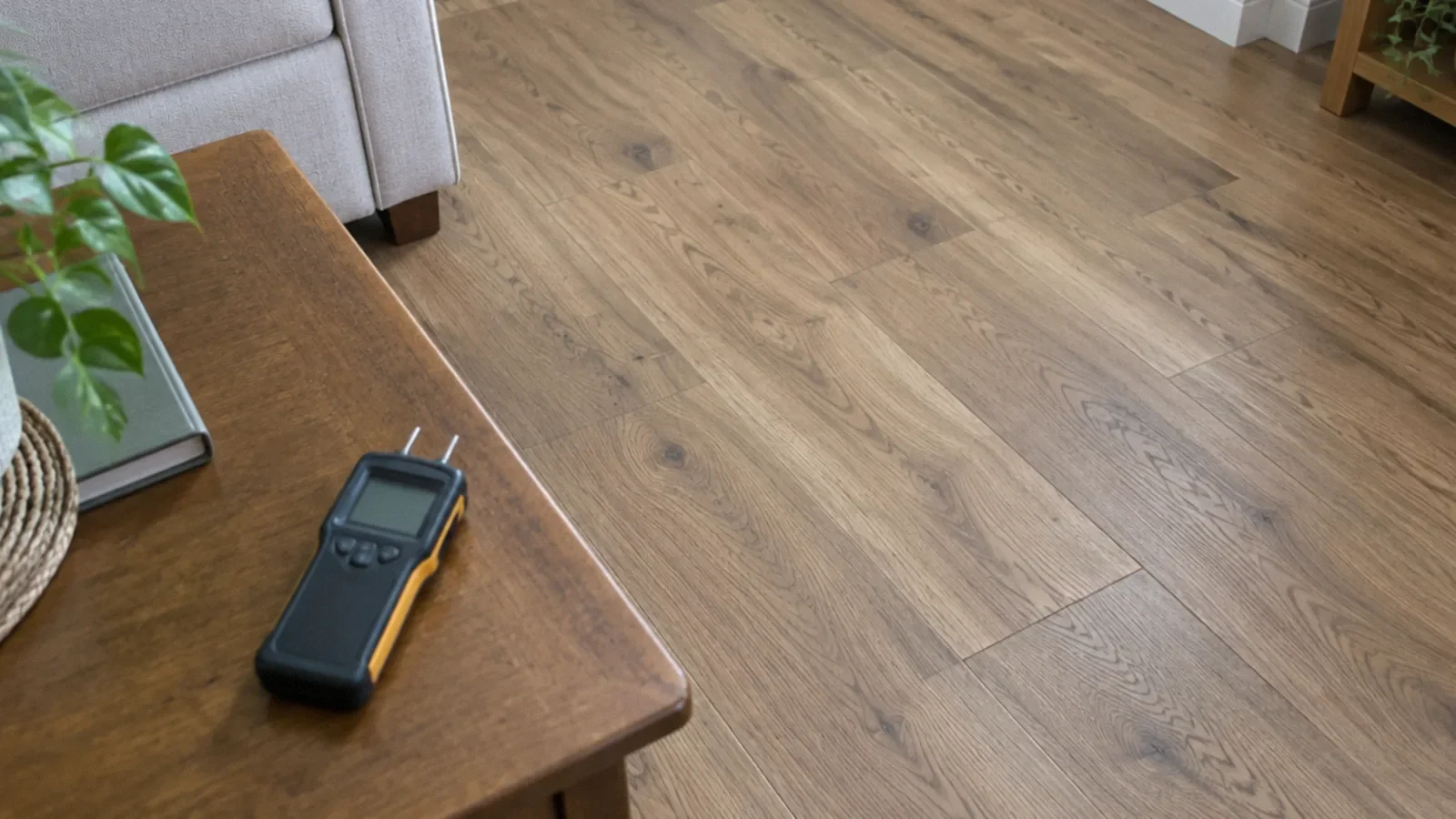
A dry water stain is often embedded in the finish rather than a deposit that can simply be washed away. First repair the leak, allow the ceiling and any concealed materials to dry, and check for damage. EPA recommends drying wet materials within 24 to 48 hours where possible to reduce mold growth. A moisture assessment may be useful when water entered a cavity or the extent is unclear.
Soft, sagging, crumbling or mold-contaminated porous material may need removal or replacement. Do not paint over mold. Once the source is fixed and the surface is clean, dry and sound, a painter can prepare it and use a stain-blocking primer rated for the stain and substrate, then apply compatible ceiling paint according to the labels. The goal is to prevent discoloration bleeding through, not to seal in an active leak.
A spot repair can remain visible because paint fades and sheen changes with age. Keep the original paint information if available and discuss whether the entire ceiling plane needs repainting for a more even appearance. A primer does not guarantee an invisible match.
Soot, recurring stains and when to stop
For a small localized soot mark, avoid wet scrubbing as a first reaction: it can smear residue into a porous or flat finish. Check the coating manufacturer’s instructions and consider a professional cleaning assessment, especially after a fire or when the residue covers a large area. Correct the source of soot before refinishing.
If a stain returns after cleaning or repainting, investigate the underlying cause. A new wet ring may indicate continuing water entry; a returning greasy film may reflect ongoing deposits. A persistent musty odor can indicate hidden moisture but does not identify its location or establish a diagnosis.
For widespread damage, repeated leaks, damaged ceiling material or uncertain contamination, obtain a written assessment. Ask what will be removed, how concealed moisture will be checked and when refinishing can begin. Take photographs before work if you need to document the condition for an insurer or property owner.
Your next-step checklist
- Identify and correct the source.
- Check the material and paint finish before cleaning.
- Test a mild cleaner in an inconspicuous spot.
- Dry and repair water-damaged material before priming.
- Seek help for sagging, extensive soot or uncertain material.
Related questions
Can I paint directly over a water stain?
Repair the leak and ensure the ceiling is dry and sound first. Use a compatible stain-blocking primer when appropriate before applying finish paint.
How do I clean grease from a ceiling?
On a washable finish, test diluted grease-cutting dish soap, then gently wipe with a well-wrung cloth and dry. Stop if the finish changes.
Sources & context
Public guidance supports the principles in this article. The practical questions and examples are editorial interpretation, not a site assessment or a coverage decision. State-specific rules apply only where identified.
- How to Clean Painted Wallsprimary
- Cleaning Painted Surfacesprimary
- Basic Mold Cleanup Stepsprimary
- Mold, Moisture and Your Homeprimary