Mold remediation is not automatically covered. The California Department of Insurance says mold damage caused by a covered peril may be covered, while homeowners policies often contain mold exclusions or limitations. The cause, policy wording, endorsements and facts of the loss determine the insurer’s decision.
Start with the cause and the policy
The California Department of Insurance explains that mold damage caused by a covered peril may be covered, but its homeowners guide also lists mold among perils often excluded. Those statements are not contradictory: the policy language and the circumstances determine whether and how a particular loss is addressed.
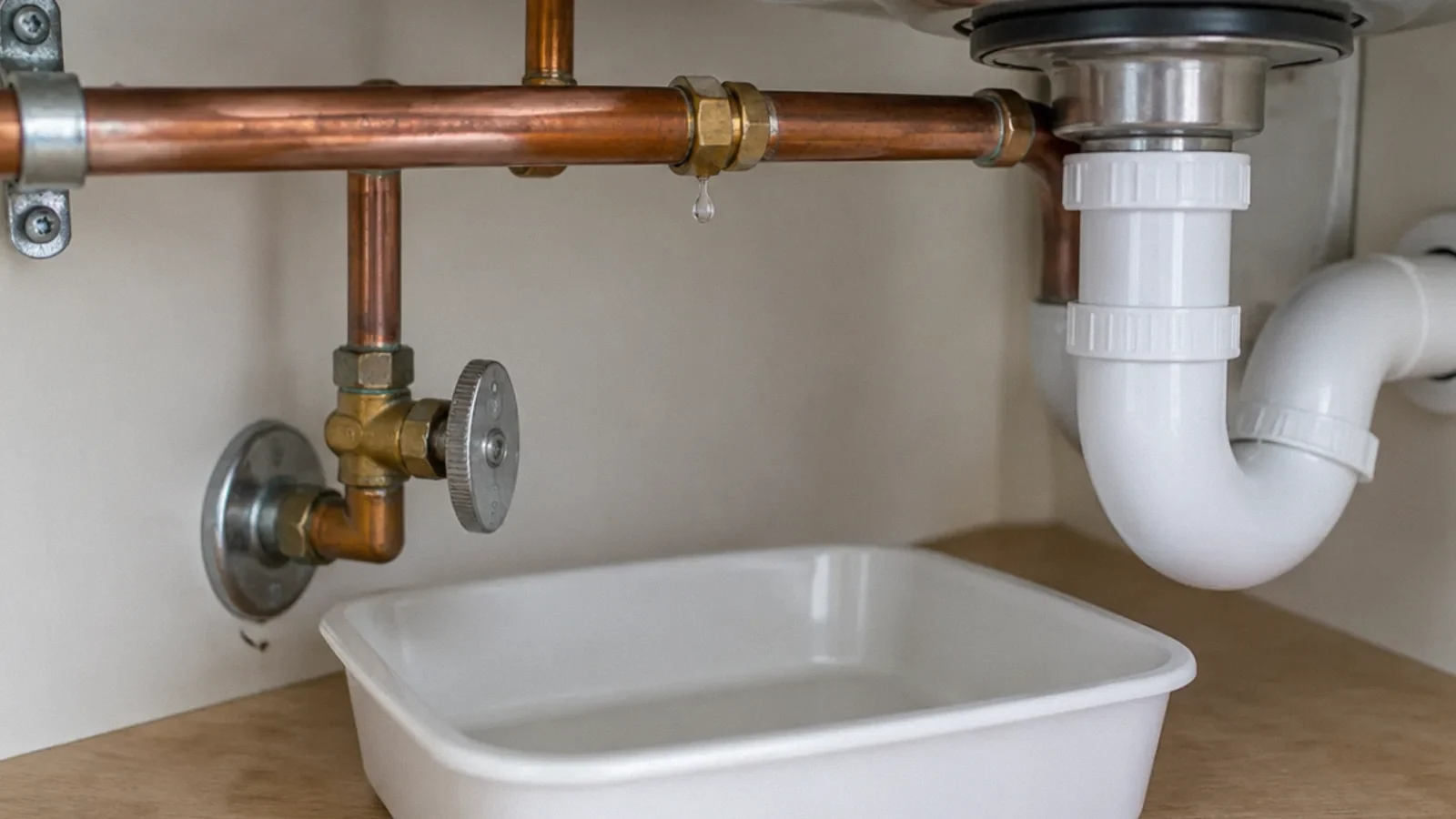
For example, mold discovered after a sudden plumbing failure may be reviewed differently from growth associated with a long-standing maintenance problem. This example is not a coverage decision. Read the complete policy and ask the insurer for a written explanation of the applicable provisions.
What is a covered peril?
A peril is a cause of loss, such as a fire or another event addressed by the policy. A homeowners policy may cover some sudden accidental water damage while excluding or limiting other causes. The coverage for a leak and the coverage for subsequent mold may be addressed separately.
Check when and how the water entered, what materials were affected and what the insurer requires for notice and documentation. Do not assume that a leaking appliance, outside flood, sewage backup or roof leak is covered in the same way. Separate endorsements or policies may apply.
What about black-looking mold?
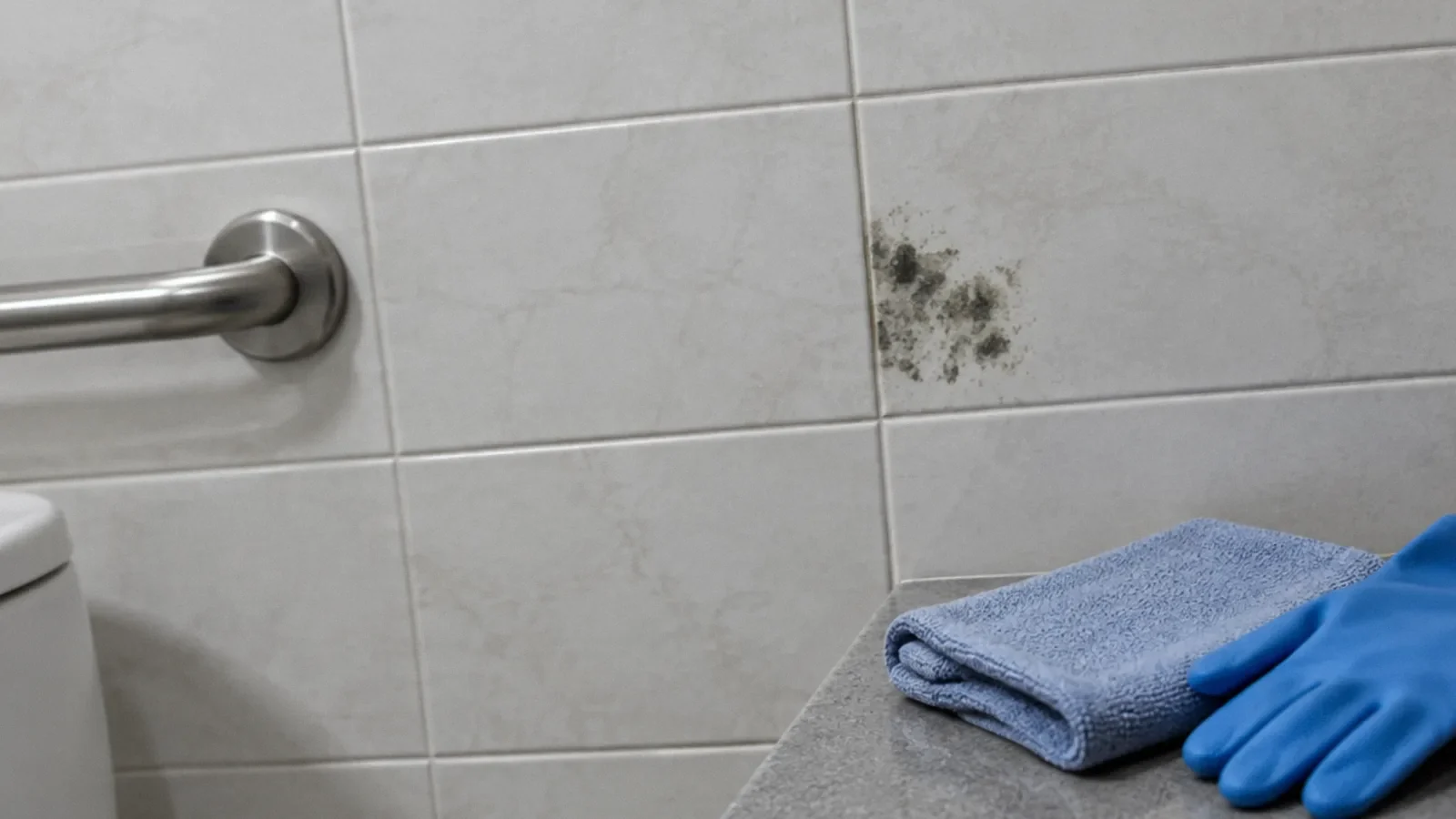
The color of a patch does not determine the species, health risk or insurance coverage. A claim is evaluated under the contract and relevant facts, not an internet label attached to a photograph. Record what you observed and when without guessing about a species or cause.
If there is visible growth or persistent moisture, protect occupants and address the source. EPA advises cleaning mold and fixing the water problem; the appropriate method depends on the material, area and circumstances. A medical concern belongs with a healthcare professional.
Exclusions, limits and endorsements
Policies can contain exclusions or specific limits for mold, fungi, rot, water damage, seepage or other conditions. An endorsement may modify coverage, but its availability and terms depend on the policy and insurer. A deductible can also affect what is paid.
Ask for the declarations, relevant policy form and all endorsements. Request the precise language and explanation rather than relying on a summary such as “mold is always covered” or “mold is never covered.” Compare the limit with the proposed scope and ask whether it is separate or part of another limit.
Report and document the damage
Notify the insurer or agent promptly and follow the policy’s reporting requirements. When safe, photograph visible damage, note the discovery date and record relevant observations about the water source. Keep receipts, plumber reports, drying records and communications in one place.
Take reasonable emergency steps to limit further loss when safe and ask the insurer how to document removed material. Do not delay an urgent safety action merely to take a photo. The California claims guide advises contacting the insurer and documenting the loss before extensive permanent repairs.
Inspection, mitigation and remediation
An insurer may inspect or request information about the cause, affected materials and work performed. A qualified contractor can assess moisture and provide an itemized scope that separates water extraction, drying, containment, removal, cleaning and rebuilding where relevant.
An estimate is not the insurer’s coverage decision. Ask which work is authorized, who performs it, what evidence will show that moisture is controlled and whether testing is proposed for a specific reason. No responsible provider can promise to remove every mold spore from a building.
If the insurer limits or denies the claim
Request a written explanation identifying the policy language and facts relied upon. Compare it with your records, correct factual errors and provide supporting documents through the insurer’s process. Keep dates and correspondence; policy and legal deadlines can matter.
California consumers can contact the Department of Insurance with questions about an insurance issue. For an individual dispute or legal deadline, a qualified attorney or other appropriate professional can advise. This guide does not determine the outcome of a claim.
Prevent the problem from getting worse
Once the area is safe, stop the leak or have it stopped, arrange drying appropriate to the water source and keep people away from unsafe work. Floodwater and sewage require different precautions from a clean supply leak. Avoid using fans on visible mold in a way that spreads contamination.
Maintain plumbing, ventilation and drainage and report recurring moisture promptly. No maintenance step guarantees coverage, and coverage cannot be determined from the appearance of a wall. Keep policy documents and the insurer’s contact information accessible.
Your next-step checklist
- Correct an active water source when it is safe to do so.
- Notify the insurer promptly and document visible conditions.
- Read the mold, water-damage and exclusion language in the actual policy.
- Request itemized remediation and reconstruction scopes.
- Ask for a written coverage explanation and retain records.
Related questions
Does homeowners insurance cover mold?
It depends. Mold damage caused by a covered peril may be covered, but exclusions, limitations, endorsements and the facts of the loss matter.
Does insurance cover black mold?
Color alone does not determine coverage or identify the organism. The insurer reviews the cause, policy and documented loss.
Is mold from a slow leak covered?
Coverage for gradual seepage or maintenance-related damage is often limited or excluded, but the actual policy and facts control. Ask the insurer for a written decision.
Will insurance pay for every remediation expense?
Not necessarily. A deductible, limit, exclusion or scope decision may apply. Request an itemized explanation and review the policy language.
Sources & context
Public guidance supports the principles in this article. The practical questions and examples are editorial interpretation, not a site assessment or a coverage decision. State-specific rules apply only where identified.
- California Department of Insurance: Residential property claimsstate insurance guidance
- California Department of Insurance: Homeowners and renters guidestate insurance guidance
- NAIC: Homeowners insuranceinsurance regulator guidance
- U.S. EPA: Mold and moisture guidefederal environmental guidance