Dark or slimy buildup near plumbing is not automatically mold. Biofilms can contain several kinds of microorganisms, and drain residue may have other causes. Clean accessible fixture parts according to their manufacturer, follow any local water advisory, and ask the water utility or a qualified professional about persistent or system-wide problems. Do not put drain cleaner into drinking-water plumbing.
First identify which pipe or surface is affected
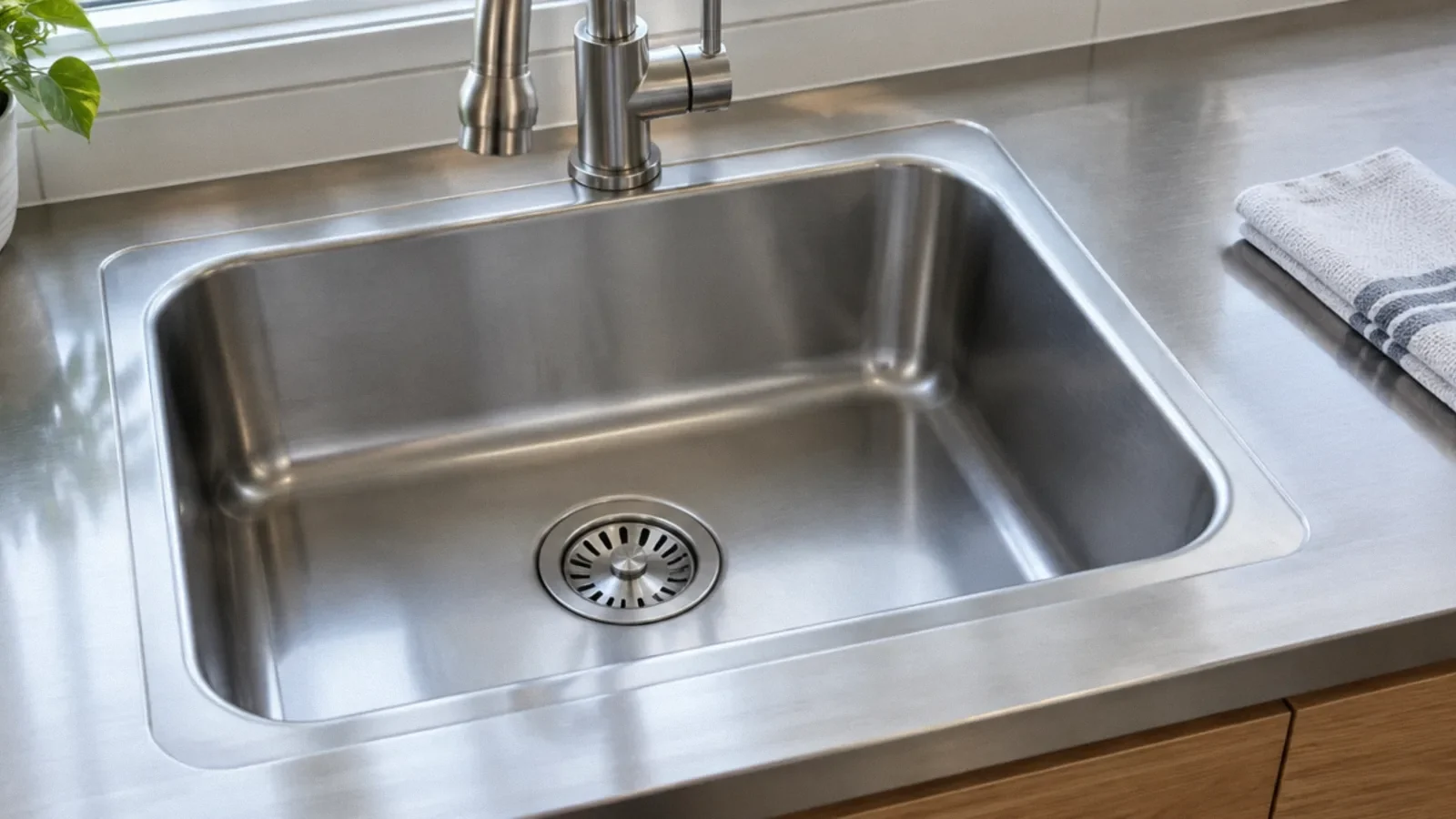
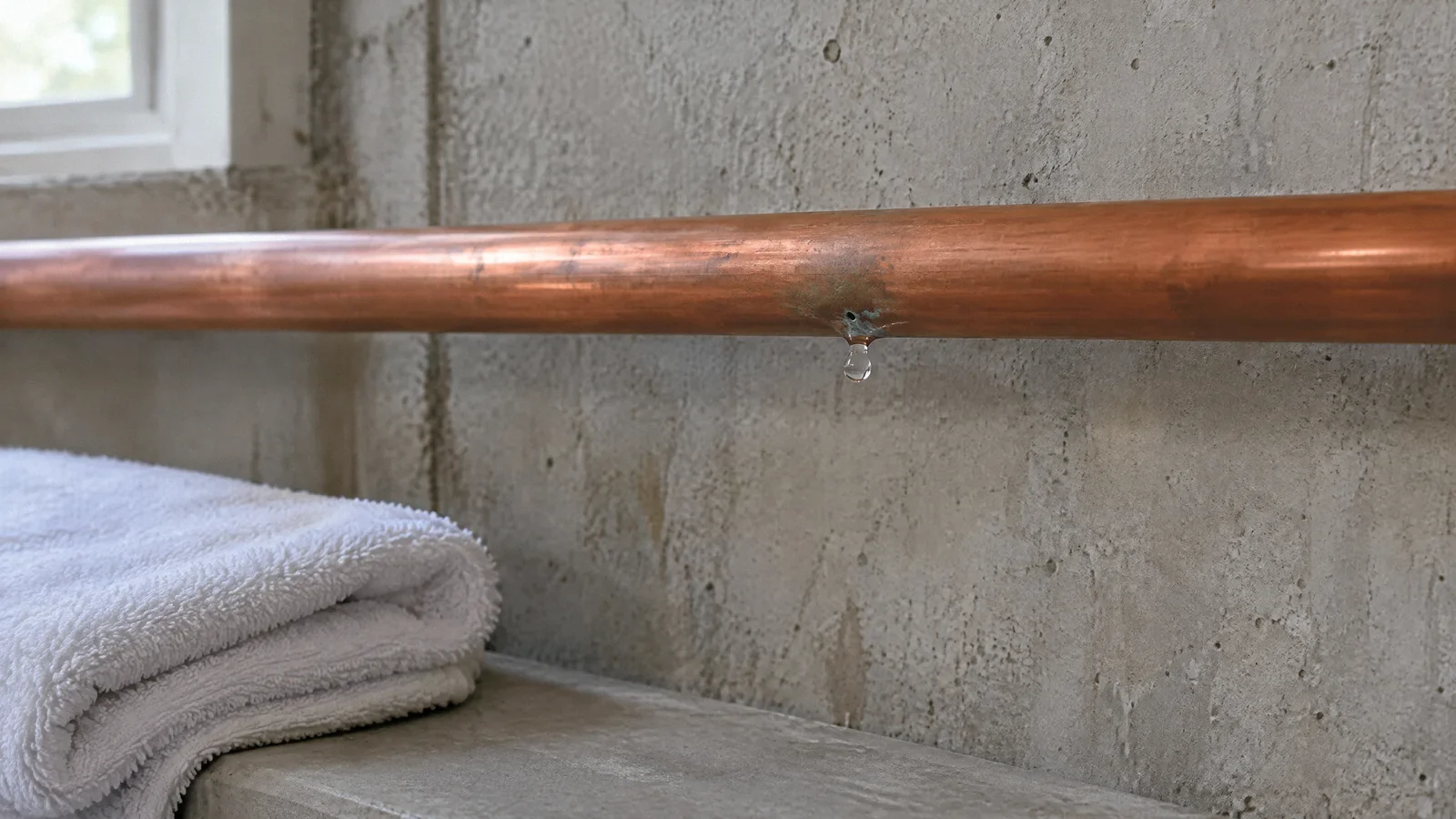
A drinking-water supply line brings water to a faucet; a drain carries wastewater away. A dark spot on the wall outside either pipe is a third issue. Each has different causes and requires a different response. Look from an accessible, safe position rather than opening concealed plumbing to investigate.
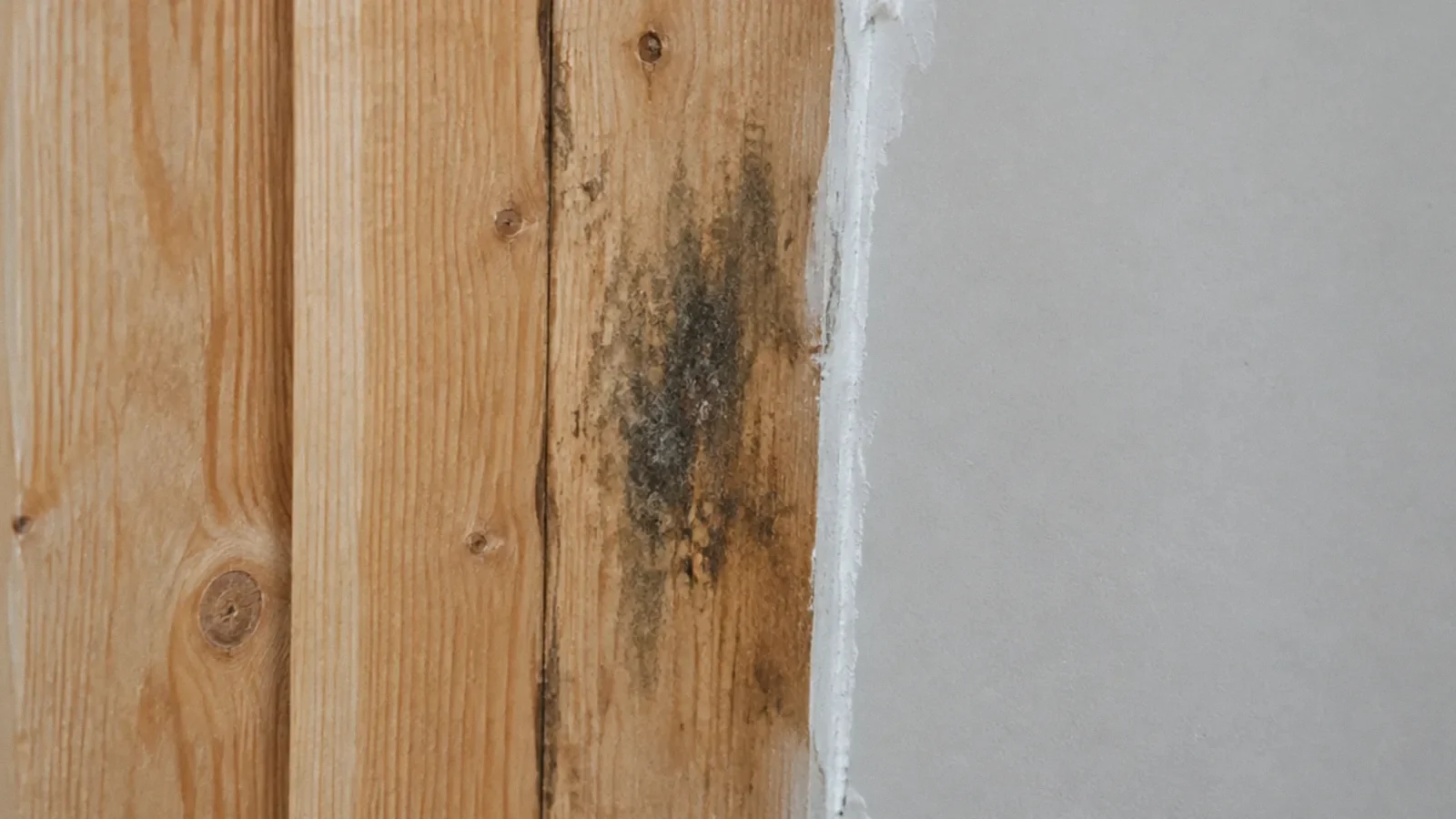
A stain or slimy deposit cannot be identified as a particular mold by color alone. Mineral deposits, corrosion, residue and microbial growth can appear similar. Record whether the problem is at one fixture, in several rooms, on a damp wall or in the water itself.
Can microorganisms grow inside water pipes?
CDC explains that microorganisms, including bacteria, fungi and amoebas, can live in a slimy layer called a biofilm inside water systems. Water that sits in pipes for an extended time can encourage growth under some conditions. The presence of biofilm is not proof of a specific organism or a diagnosis of illness.
Homes, shared buildings and private wells have different systems. A visible deposit at a faucet does not show the condition of every pipe. If water is unexpectedly discolored, smells unusual or a utility advisory is in effect, contact the provider and follow its current instructions.
Clean a faucet aerator or showerhead
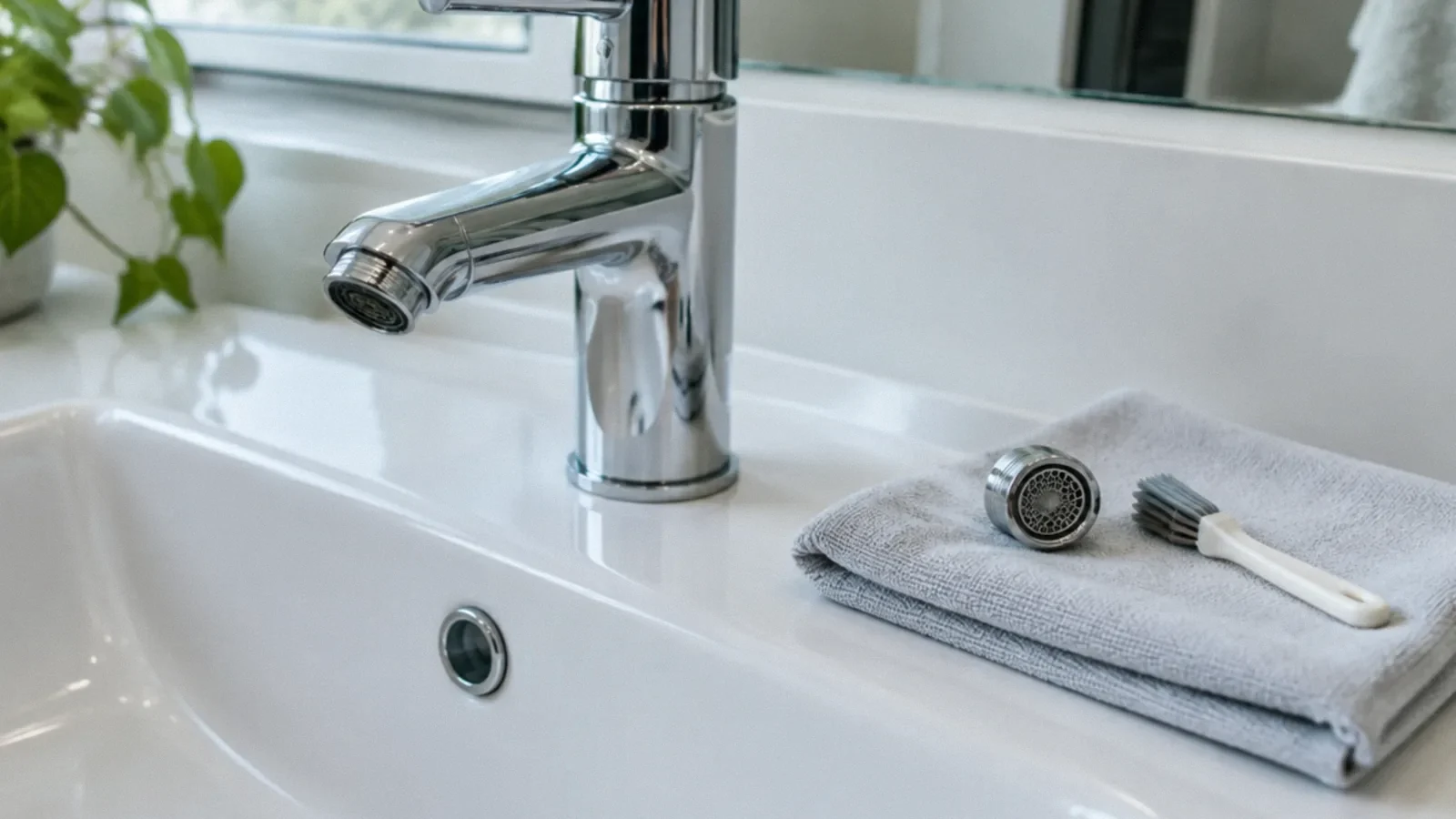
CDC recommends cleaning faucet aerators and showerheads when visible buildup appears. An aerator is the small screen at the faucet outlet. If the part is designed to be removed and can be reached safely, follow the manufacturer’s removal, cleaning and reinstallation instructions.
Use only a method suitable for the material and the manufacturer’s directions. Do not force a stuck fitting or scratch a finish with an unsuitable tool. Cleaning a removable part can remove accessible buildup but does not prove that hidden supply lines are sterile.
What if a faucet has not been used?
CDC recommends flushing an unused faucet or showerhead after an extended period such as a week or more. Its household guidance describes running cold water fully for two minutes, then hot water until it becomes hot. Avoid scalding and follow the instructions for the fixture and any current local water advisory.
If the building was closed for a prolonged period, is a healthcare facility, has a vulnerable occupant or has a suspected water-system problem, ask the water provider or qualified professional for a plan appropriate to the situation. A routine flush is not a substitute for a required disinfection or boil-water instruction.
A slimy drain is not a drinking-water line
Residue around a sink or shower drain can include soap, hair, debris and microorganisms. Keep drain-cleaning tools separate from surfaces and tools used for drinking-water fixtures. Follow the fixture instructions for accessible cleaning, wear appropriate protection and avoid splashing wastewater.
Never mix chemical cleaners. If a corrosive drain product has already been used, do not plunge or open the trap without knowing the exposure risk, and tell a plumber what product was added. A persistent clog, sewage backup or inaccessible pipe is a reason to call a professional.
Look for an external moisture problem
Growth or staining on drywall, cabinets or pipe insulation can result from a leak or condensation outside the pipe. Correcting the water source is essential; spraying a stain without fixing moisture can leave the problem behind. EPA recommends prompt action on indoor mold and the moisture that supports it.
Do not disturb a large area, contaminated material or a suspect old building material. Stay away from water near electrical equipment. Ask a qualified professional to assess hidden damage, especially after sewage, a major leak or recurring moisture.
Health concerns and water advisories
People differ in susceptibility to waterborne germs. CDC lists groups that can be at greater risk, including people with weakened immune systems or chronic lung disease. If an occupant is ill or needs individualized precautions, contact a healthcare professional; the appearance of a pipe cannot establish the cause.
Follow your utility’s boil-water, do-not-drink or other advisory exactly. A household filter, an odor test or a quick flush does not automatically satisfy a public health order. For nasal rinsing, CDC advises using distilled, sterile or previously boiled and cooled water rather than water straight from the tap.
When to seek professional help
Contact the water utility if water quality changes throughout the home, service pressure drops or a public supply concern is suspected. For a private well, consult the local health department and a qualified well professional about appropriate testing and treatment. Do not add chemicals to a drinking-water system on a guess.
Call a plumber for a leak, stuck fixture, recurrent drain backup or inaccessible component. For a shared building, notify the owner or manager so a system-wide issue can be investigated. Keep observations and service records, and ask which area was inspected and how the problem will be verified.
Can bacteria grow in still water?
Water that remains stagnant in household plumbing can allow some waterborne microorganisms to grow under suitable conditions. CDC describes biofilms inside pipes and recommends flushing faucets after an extended period of nonuse according to its guidance. Growth depends on the water system and conditions; stillness alone does not identify the organisms present.
In a beverage context, “still water” can instead mean noncarbonated drinking water. That is a different question from stagnation in pipes or standing floodwater. Follow any local water advisory and ask the water provider about unusual discoloration, odor or pressure changes.
Particles, submerged growth and stored water
Black specks or dark water are not proof of black mold. Stop using visibly discolored water for drinking or cooking and contact the water provider; follow its advice and any advisory. If the issue occurs at only one fixture, tell the provider or plumber. Color cannot identify the cause.
Microorganisms including fungi can live in a biofilm attached to a submerged surface. Spores or other particles can also be carried in water without proving active growth there or establishing a hazardous concentration. Water does not turn into mold: nutrients, time, temperature and contamination of surfaces can contribute to growth. A film in a bottle or other container is not a diagnosis of household pipes; clean and maintain the container according to its manufacturer.
Still water in a drink means noncarbonated, not necessarily stagnant. Store drinking water and containers according to their instructions. If you accidentally drank suspicious water, stop using it and seek medical advice if symptoms arise, especially for a vulnerable person. Appearance alone cannot establish the cause of illness.
Your next-step checklist
- Identify whether the concern is at a supply fixture, drain or exterior surface.
- Clean only accessible parts using the manufacturer’s instructions.
- Never put drain chemicals into drinking-water plumbing or mix cleaners.
- Follow utility advisories and seek qualified help for persistent problems.
- Correct leaks and protect people from wastewater and electrical hazards.
Related questions
Can mold grow in water pipes?
CDC explains that biofilms in water systems can contain microorganisms including fungi. A dark deposit does not identify a particular organism.
How do I remove mold from a faucet aerator?
First verify the buildup and follow the faucet manufacturer’s cleaning instructions. CDC recommends cleaning aerators when buildup is visible; contact a professional if the fitting is stuck or the problem recurs.
Should I pour drain cleaner into a water supply pipe?
No. Drain cleaners can be corrosive and are not a way to treat a drinking-water system. Ask the water provider or a qualified professional about a supply concern.
Does a dark drain mean the drinking water is contaminated?
Not necessarily. A drain carries wastewater and is separate from the supply; investigate the actual fixture and contact the utility if water quality itself changes.
Can mold grow under water?
Some fungi can live in wet or aquatic environments, but a submerged film or discoloration in plumbing is not automatically mold. Do not identify it by appearance alone; have a qualified professional investigate the water system and source.
Does black discoloration in water prove black mold?
No. Dark water can result from deposits, plumbing changes or other causes, and color does not identify mold. Contact the water utility and follow its guidance before drinking or cooking with discolored water.
Sources & context
Public guidance supports the principles in this article. The practical questions and examples are editorial interpretation, not a site assessment or a coverage decision. State-specific rules apply only where identified.
- CDC: Preventing waterborne germs at homefederal public health guidance
- U.S. EPA: Mold and moisture in the homefederal building moisture guidance
- Poison Control: Drain cleaner hazardspoison safety guidance