For a fresh household urine spill, protect your hands, blot excess liquid and follow the surface manufacturer’s cleaning instructions. Avoid soaking porous materials. Dried stains may need more than one treatment or professional care. Rodent urine requires a different cleanup procedure; do not sweep or vacuum it.
Identify the source and surface
A pet accident, human urine and rodent contamination do not necessarily call for the same response. If the source is unknown or there are rodent droppings or nesting materials, follow public-health guidance for rodents instead of treating the area as an ordinary fabric stain.
Check whether the affected item is washable fabric, carpet, upholstery, a mattress, wood or another hard surface. Manufacturer instructions and the condition of the material determine what products and amount of moisture are appropriate. Keep people and pets away while the area is being cleaned.
Blot fresh urine without spreading it
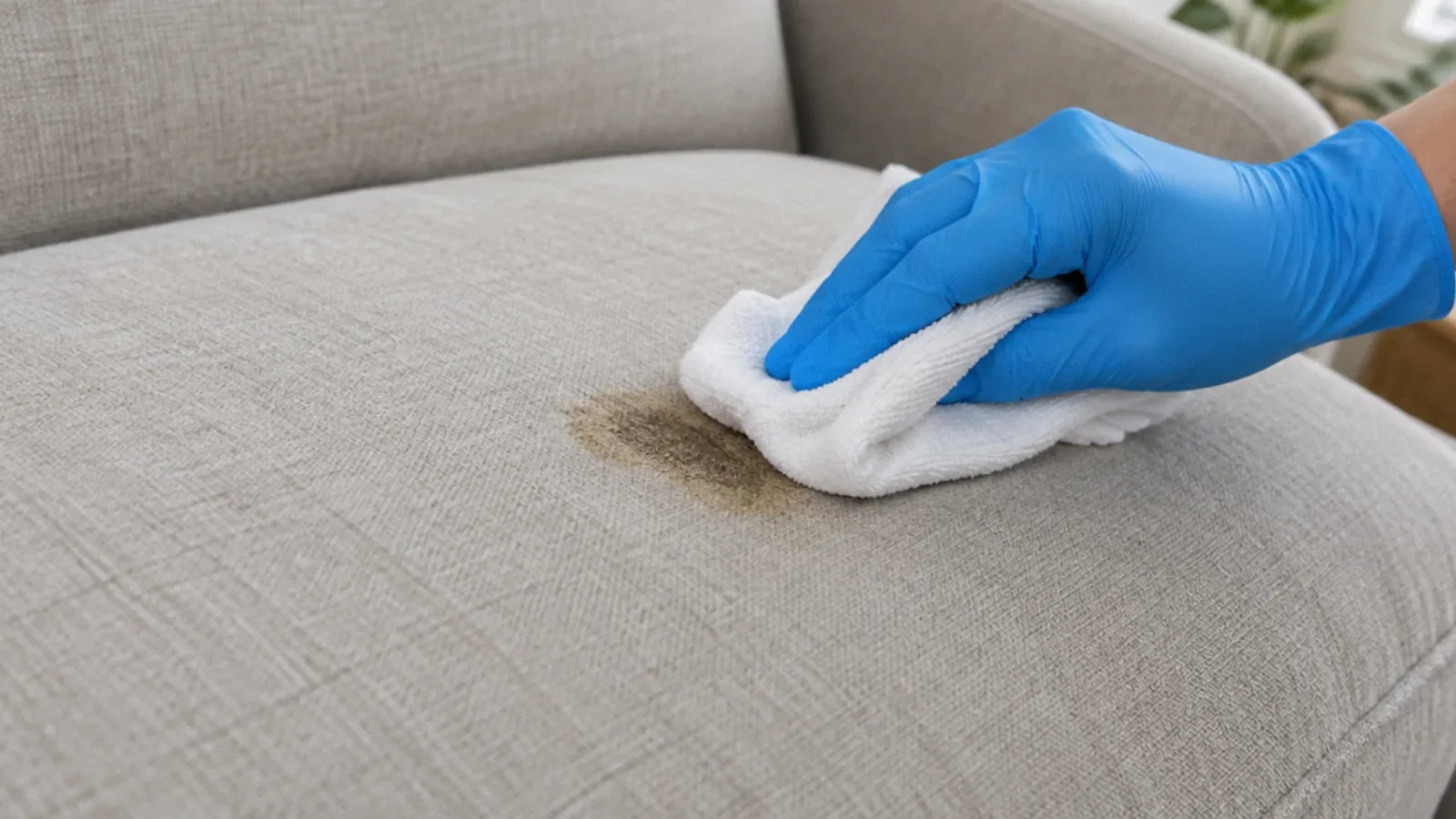
Put on suitable gloves. For an ordinary household spill that can be cleaned safely, absorb excess liquid with disposable towels or another suitable material. Blot rather than rub so the liquid does not spread farther into the surface. Dispose of used materials according to local rules.
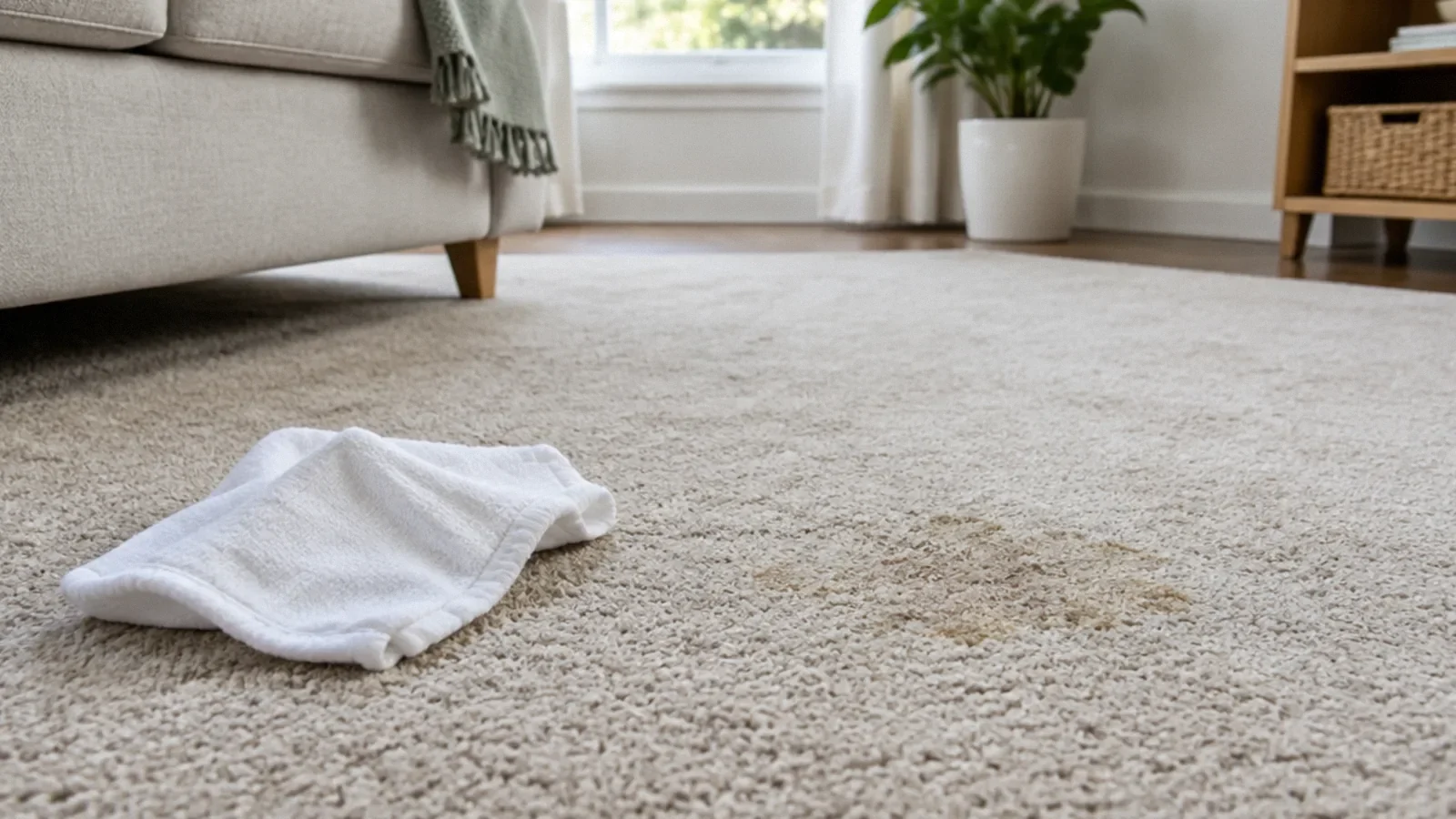
Remove washable covers or bedding when the care label permits. Do not drench a cushion, mattress or carpet backing: trapped moisture can create additional damage and odor. Clean the affected surface using a method approved for that material.
Treat dried stains carefully
A dried mark may extend beyond the visible edge and can be harder to clean. Follow the item’s care label and test a suitable cleaner on an inconspicuous area before treating the stain. Use only the amount recommended and allow the material to dry thoroughly.
Repeated gentle treatments may improve a stain, but there is no guarantee that old discoloration or odor will disappear. Valuable upholstery, delicate fabrics or a large affected area may need professional care. Tell the cleaner what products have already been used.
Fabric, upholstery and mattresses
Launder removable items according to their care labels. For upholstery, check the manufacturer’s cleaning code and avoid unapproved solvents or excess water. An enzyme product may be appropriate for some materials if its label permits the surface; it can damage or discolor others.
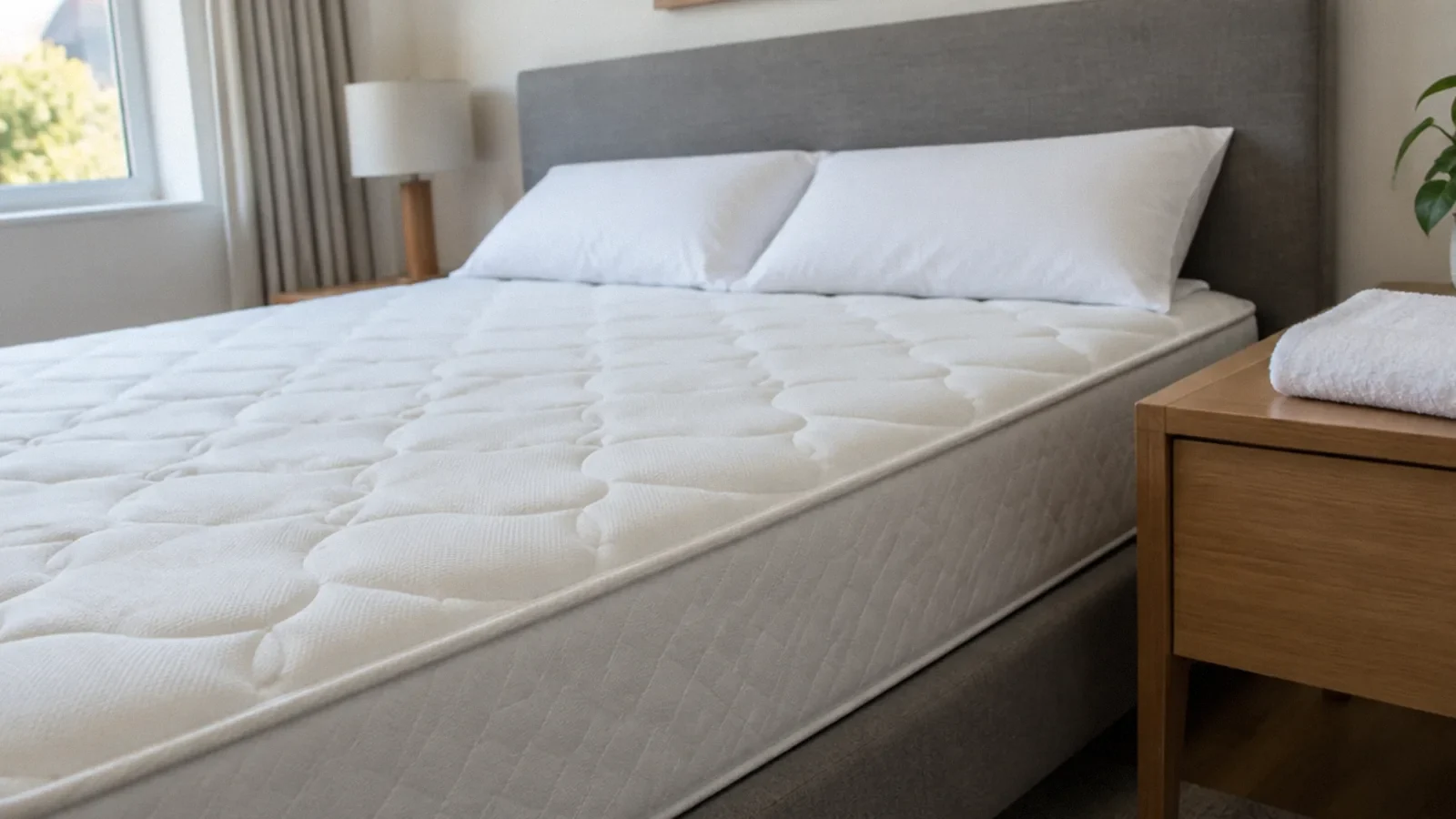
A mattress needs special care because liquid can remain inside the filling. Do not saturate it or assume steam is safe for every model. Clean a limited area as the manufacturer permits, allow full drying and consider professional advice if the stain or odor persists.
Hard floors and sealed wood
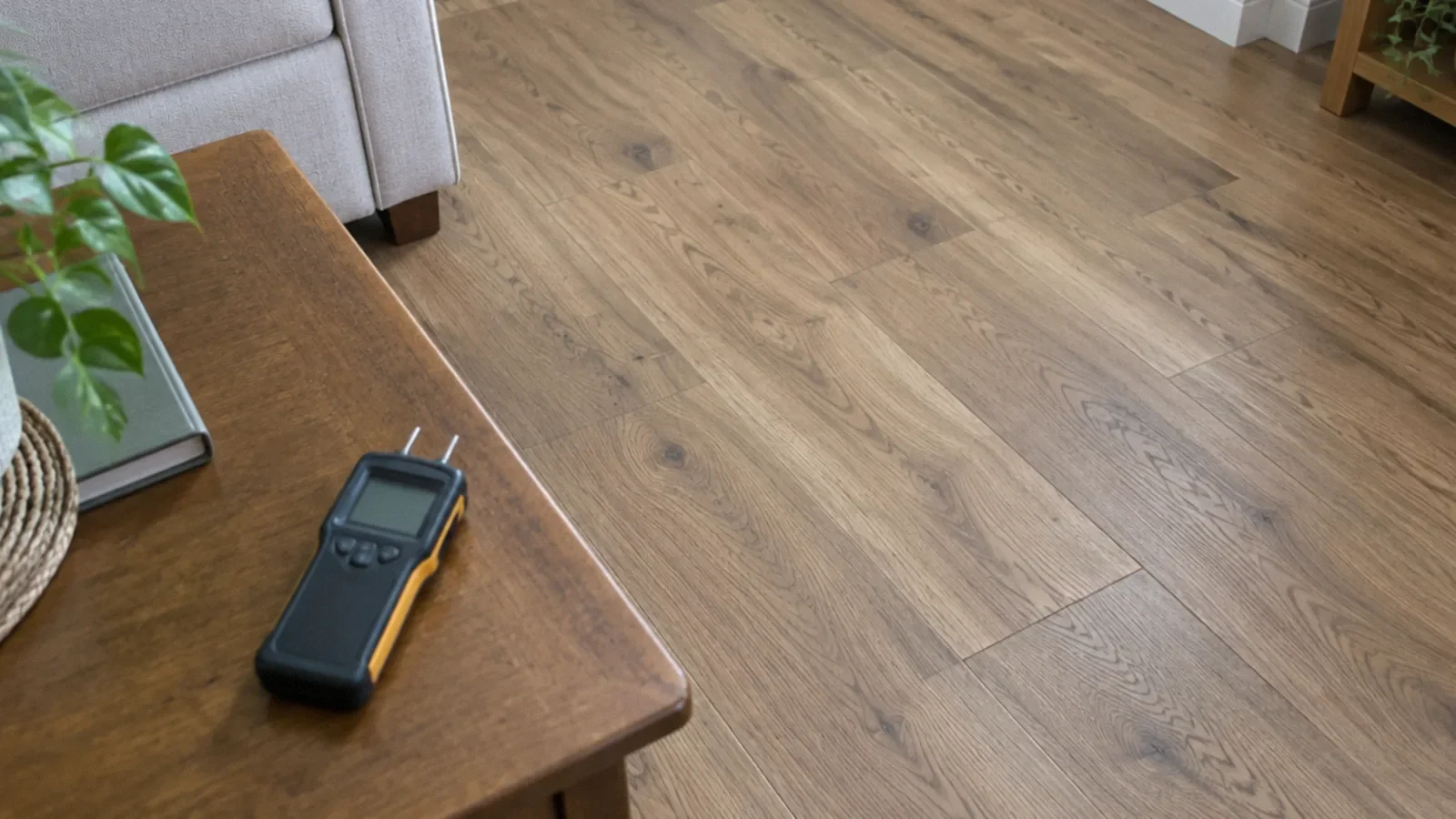
Wipe a compatible hard surface with a cleaner suitable for that material and follow its label. Dry joints and edges promptly. Urine that has reached seams, unfinished wood or a damaged coating can require more extensive assessment than wiping the visible surface.
Do not assume bleach, vinegar or an abrasive product is safe for every finish. Test only a manufacturer-approved method and never mix cleaning chemicals. If moisture has penetrated flooring or the subfloor, investigate the extent before applying a coating or replacing the finish.
Rodent urine and droppings are different
CDC advises against sweeping or vacuuming rodent urine, droppings or nesting material because contaminated particles can become airborne. Its guidance includes wetting the material with an appropriate disinfectant, allowing the specified contact time and wiping it up while wearing gloves.
Follow CDC’s current instructions and product labels, and seek local health guidance for a heavy infestation or unusual situation. Do not mix bleach with other cleaners. Address the rodent entry and infestation as well as the visible residue.
Odor, health and pet behavior
A fragrance can mask an odor without removing the source. If an odor returns, affected padding, a seam or another area may still need assessment. Do not use a strong or unapproved chemical simply to cover the smell, particularly around children or pets.
If a pet repeatedly urinates outside its normal area or appears ill, consult a veterinarian; cleaning alone does not address a medical or behavioral cause. For a human exposure or health concern, seek guidance from a clinician rather than relying on stain appearance.
Choose professional help when needed
A professional cleaner can identify the material, explain likely limitations and propose a suitable method. Ask how moisture will be controlled, how long drying may take and whether replacement of padding or another component may be needed.
For sewage, a large biological spill or heavy rodent contamination, choose a provider trained for the actual hazard. The procedure and protective equipment may differ from ordinary stain cleaning. Keep records of work performed and avoid promises that a smell test proves complete decontamination.
Your next-step checklist
- Identify the source and surface.
- Wear suitable gloves and blot ordinary fresh spills.
- Avoid soaking porous materials.
- Never sweep or vacuum rodent contamination.
- Follow product labels and seek help for persistent contamination.
Related questions
What removes dried urine stains?
A surface-compatible cleaner used according to its label may help, but old stains can persist and some items need professional care.
Should I soak a mattress to remove urine?
No. Excess moisture can remain in the filling; use the mattress maker’s approved method.
Can I vacuum rodent urine or droppings?
CDC advises against sweeping or vacuuming rodent contamination because particles can become airborne.
Does fragrance remove the source of urine odor?
No. It may mask the smell without addressing the affected material.
Sources & context
Public guidance supports the principles in this article. The practical questions and examples are editorial interpretation, not a site assessment or a coverage decision. State-specific rules apply only where identified.
- CDC: Cleaning after rodentsfederal health guidance
- CDC: Cleaning and disinfecting pet suppliesfederal pet health guidance
- CDC: Cleaning and disinfecting your homefederal hygiene guidance