A home warranty may cover repair or replacement of specified plumbing components under a service contract, subject to its terms, limits, fees and claim process. It is not homeowners insurance. The California Department of Insurance advises reading the contract carefully and checking the home protection company’s license.
Understand the contract
A home warranty, called a home protection contract in California, is an agreement under which a company promises specified repair or replacement services for covered systems or appliances. The California Department of Insurance says it is not an insurance policy and regulates home protection companies in the state.
Coverage differs by contract. A plumbing line, fixture, water heater, sewer line or appliance connection may be included, excluded or subject to special conditions. The policy summary or sales conversation is not a substitute for the complete contract and its endorsements.
Which plumbing items might be included?
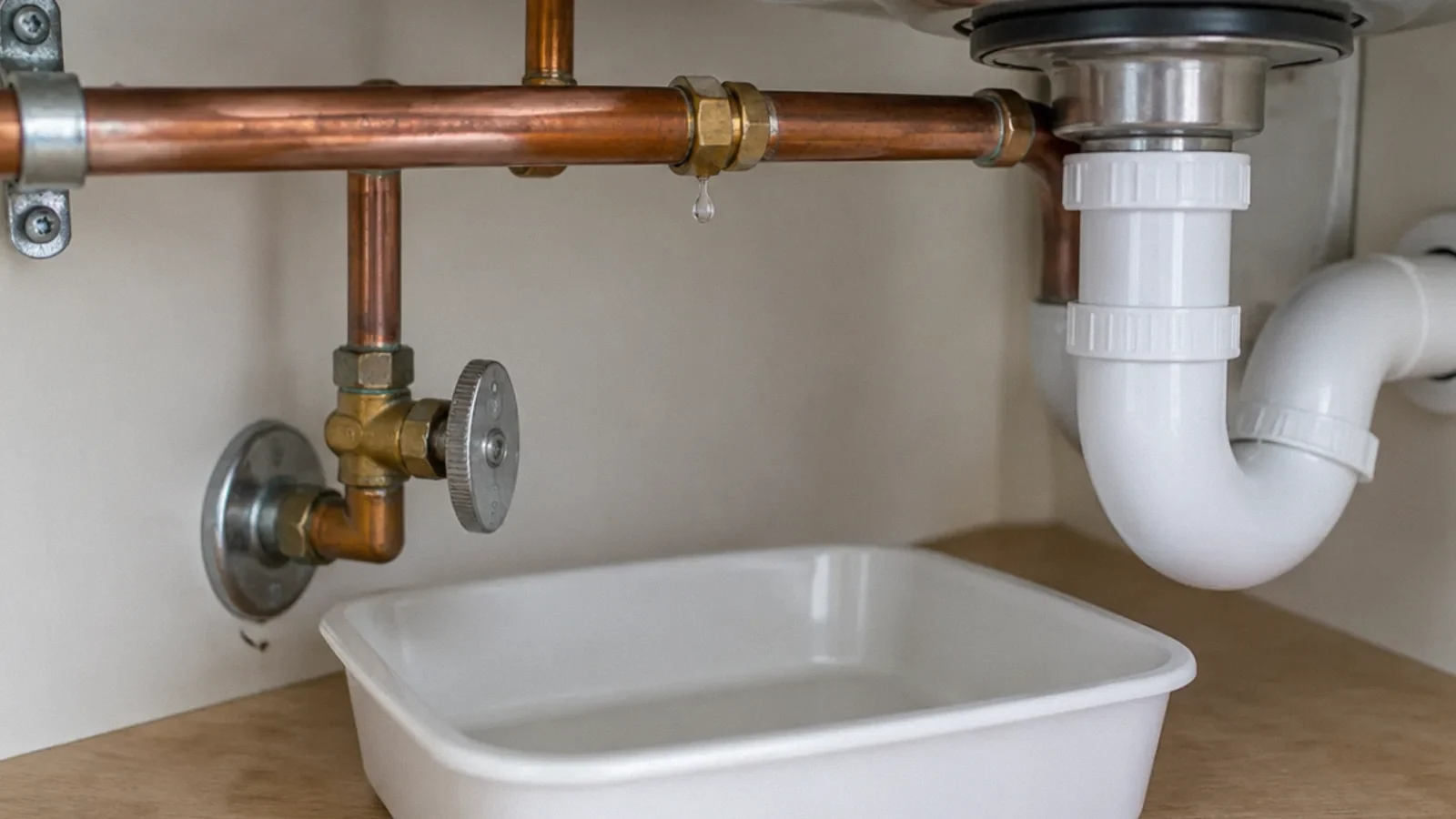
A plan may list components such as interior plumbing lines, valves or particular fixtures, but the exact items and locations must be checked in the contract. Some items may require an optional add-on or may not be offered. Ask whether access to a concealed component and the work to restore a wall are included.
Terms may distinguish a component failure from damage caused by that failure. Ask about pipes outside the foundation, shared lines, stoppages, code upgrades, preexisting conditions and modifications. Do not assume that a phrase such as “plumbing system” covers every connected item.
Service contract versus homeowners insurance
A warranty may address a covered system or appliance malfunction under its service terms. Homeowners insurance addresses covered property losses under a separate insurance policy. The California insurance department gives a water-heater example to explain the distinction, but real claims depend on the particular contracts and facts.
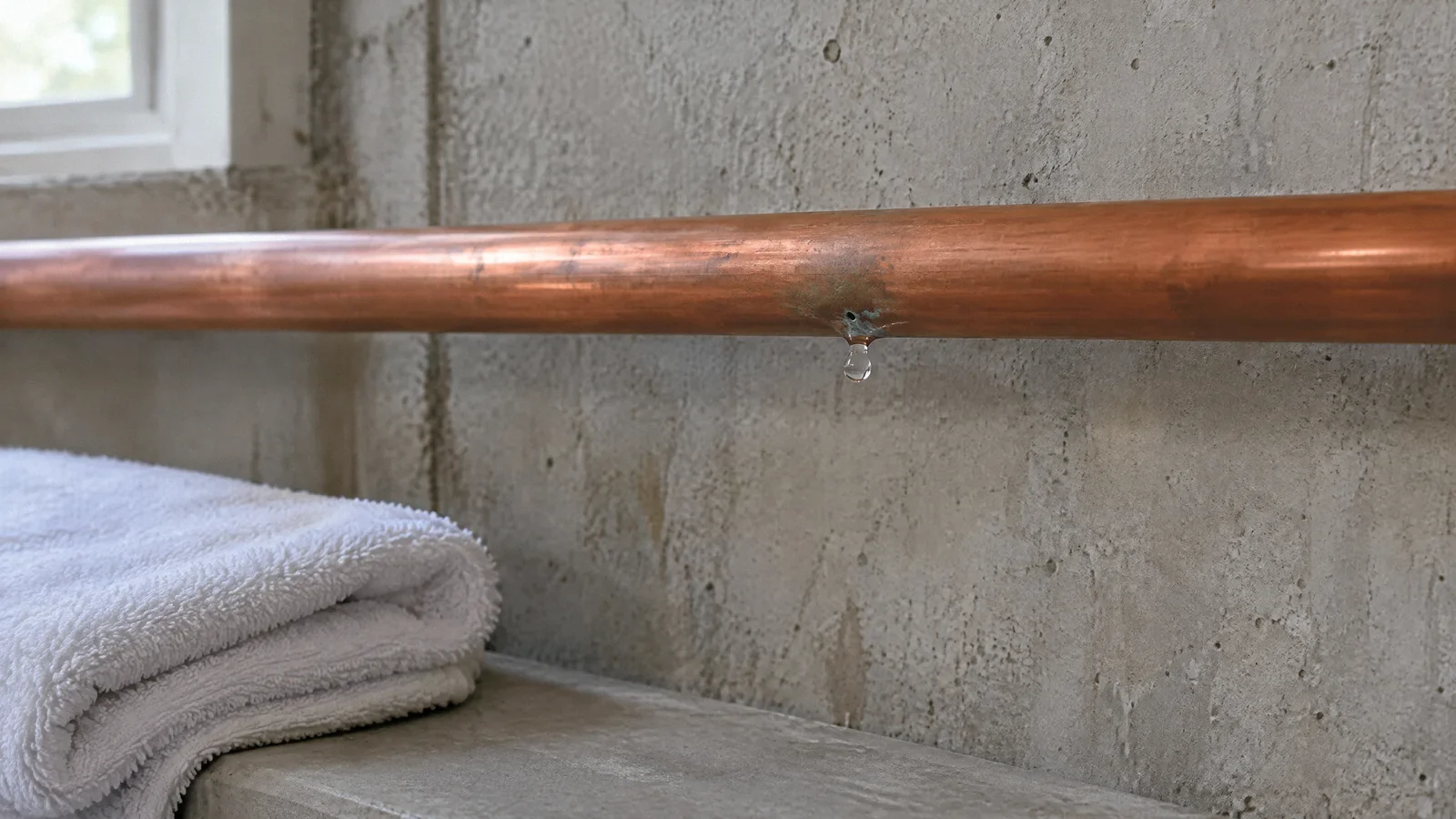
For a burst pipe, ask the warranty provider about the component repair and the insurer about resulting water damage. Either or both may decline or limit a particular expense. A warranty does not replace flood insurance, and no general example guarantees that either provider will pay.
What to do when a leak is active
Safety comes before routine claim paperwork. Keep away from water near electrical equipment, close a clearly identified valve only if it is safe, and contact emergency help as needed. Take reasonable temporary steps to limit further damage. Do not force a stuck shutoff or enter an unsafe area.
Notify the warranty provider promptly and ask about its service authorization process. If damage may involve insurance, notify that insurer separately. Explain any emergency action already taken and keep dates, photos and receipts; a service contract may have rules about selecting a contractor.
Limits, fees and exclusions
Read the service call fee, coverage limits, waiting period, exclusions and any deductible or additional charges. A maximum payment can leave a homeowner responsible for work beyond the cap. Contract provisions about access, modifications, disposal or upgrades can affect the final cost.
Ask for the relevant language in writing and a breakdown of what the provider will authorize. A quoted fee or benefit should be checked against the current contract, not an old advertisement or a national average. Do not assume that an inspection finding automatically establishes an exclusion.
Who chooses the plumber?
Some contracts require the customer to request service through the provider and use an assigned contractor, while others contain different procedures. Ask how an emergency, an unavailable contractor, a second opinion or an independently hired plumber is handled before committing to nonemergency work.
If immediate action was necessary to protect people or property, document the facts and notify the provider as soon as practical. Whether an expense is reimbursable depends on the contract and the provider’s review; keep an itemized invoice and written communications.
If the request is denied
Request the decision and contract provision in writing. Review the stated reason, correct factual errors and submit supporting records using the provider’s dispute process. Ask about any deadline and keep copies of the request, response, inspection and receipts.
California consumers can contact the Department of Insurance about a home protection contract or a complaint. An individual legal question or deadline may require advice from a qualified professional. This guide cannot decide a claim or interpret a particular agreement.
Compare a plan before buying
List the systems you want covered, their age and condition, and any existing manufacturer or builder warranties. Compare the total annual cost, service fees, coverage caps, exclusions and cancellation terms rather than the headline price alone. Ask for sample contract documents before purchasing.
In California, verify that the company is licensed with the Department of Insurance. Ask how claims are reported, who selects the service provider and which expenses remain yours. Whether a plan is worthwhile depends on the contract, property and your ability to absorb repair costs.
Your next-step checklist
- Read the complete home protection contract and endorsements.
- Separate component service from insurance for property damage.
- Handle immediate leak and electrical hazards safely.
- Ask about authorization, service fees and coverage caps.
- Keep written decisions and verify the provider’s license.
Related questions
Does a home warranty cover plumbing?
It may cover specified plumbing components under the contract, subject to exclusions, limits, fees and authorization requirements.
Is a home warranty the same as homeowners insurance?
No. California’s Department of Insurance describes a home warranty as a home protection contract, not an insurance policy.
Will a home warranty pay for water-damaged flooring?
Do not assume it will. Ask the warranty provider and homeowners insurer separately; coverage depends on each contract and the cause.
Can I choose my own plumber?
The contract may require service through the provider or an assigned contractor. Ask about its rules, including emergencies, before authorizing nonemergency work.
Sources & context
Public guidance supports the principles in this article. The practical questions and examples are editorial interpretation, not a site assessment or a coverage decision. State-specific rules apply only where identified.
- California Department of Insurance: Home protection contractsstate consumer guidance
- California Department of Insurance: Homeowners and renters insurancestate insurance guidance
- Federal Trade Commission: Warranties for new homesfederal consumer guidance