A small, promptly discovered spill from a known clean source on accessible hard surfaces may be manageable. Stop if water involves electricity, sewage, flooding, structural damage, hidden wet materials or extensive mold. Correct the source and dry the area promptly.
Start with safety and the water source
Before picking up a towel, identify where the water came from and whether the area is safe. Do not enter standing water near electrical equipment or operate switches or appliances in a wet area. A damaged ceiling, sagging floor, gas odor or uncertain structural condition also calls for leaving the area and contacting the appropriate professional or emergency service. Never enter a confined crawl space to investigate a leak.
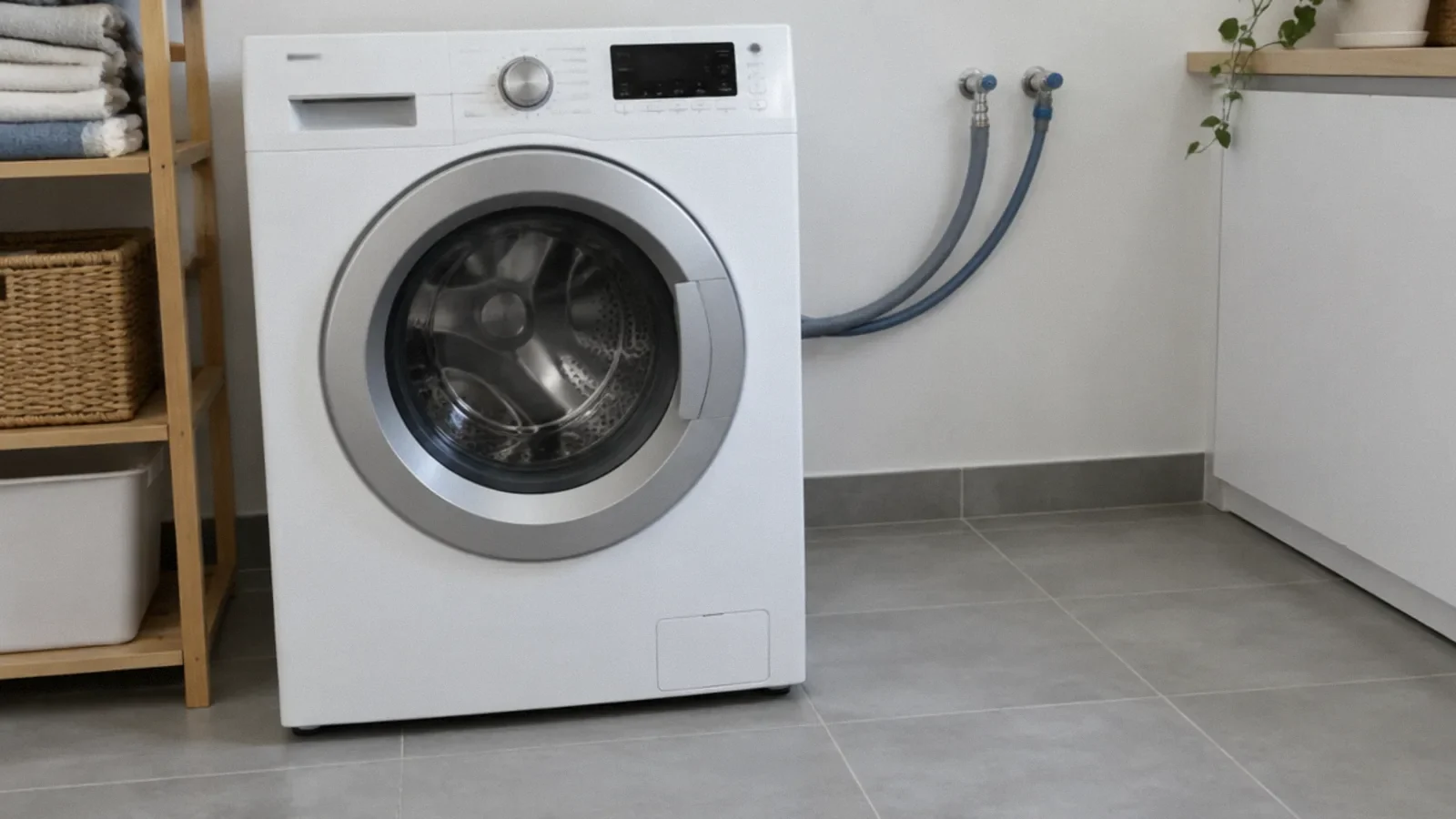
If you can stop a clean-water source without entering danger, do so. Otherwise call the utility, building manager or plumber. Water from sewage, floodwater or an unknown source can carry contaminants and needs a different response from a fresh spill of potable water. Keep people and pets away and seek professional guidance rather than attempting ordinary household cleanup.
Decide whether the job is small and accessible
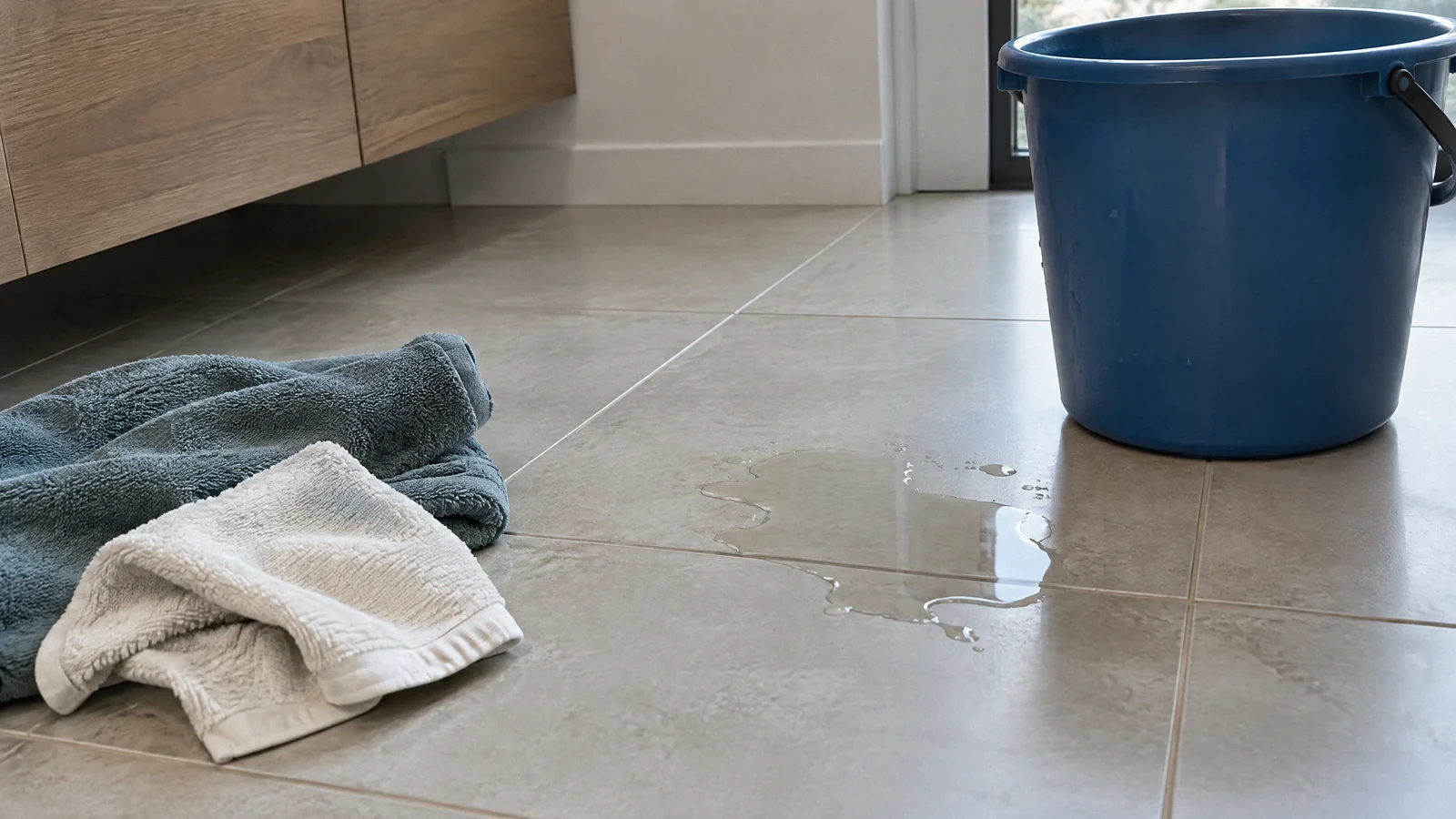
A small fresh spill on an intact tile floor, discovered immediately and limited to an accessible surface, may be suitable for a homeowner. Water under flooring, inside a wall, beneath cabinets or in insulation is harder to assess. A surface can feel dry while concealed layers remain wet. If the affected area is spreading, the source is uncertain or drying cannot begin promptly, arrange an inspection.
Mold is another reason to change the plan. EPA says a homeowner can often clean a moldy area smaller than approximately 10 square feet, but that assumes the work can be done safely and the moisture source is corrected. Extensive growth, recurring odor, contaminated water, a vulnerable occupant or suspected hidden damage warrants professional assessment. Do not identify mold species or health risk by color.
Document before moving materials
When it is safe, photograph the source and affected rooms before cleanup and make a list of damaged belongings. Contact your insurer promptly if you may file a claim, and ask what documentation is needed before discarding items. Policies and deductibles differ; a photograph does not establish coverage. Keep receipts for reasonable emergency measures and note dates and communications.
Move dry, portable belongings away from the wet area if doing so is safe. Avoid dragging soaked furniture across other flooring. Valuable documents, photographs, electronics and delicate textiles can be damaged by improvised treatment; consult a suitable specialist. Do not energize wet electronic equipment to see whether it still works.
Remove surface water and begin drying
For a small clean-water spill on a hard surface, absorb water with clean towels or a mop and remove wet loose items. Clean the hard surface with an appropriate detergent and water where needed, following the surface manufacturer’s instructions. Do not mix cleaning chemicals. Empty and wash reusable tools after use.
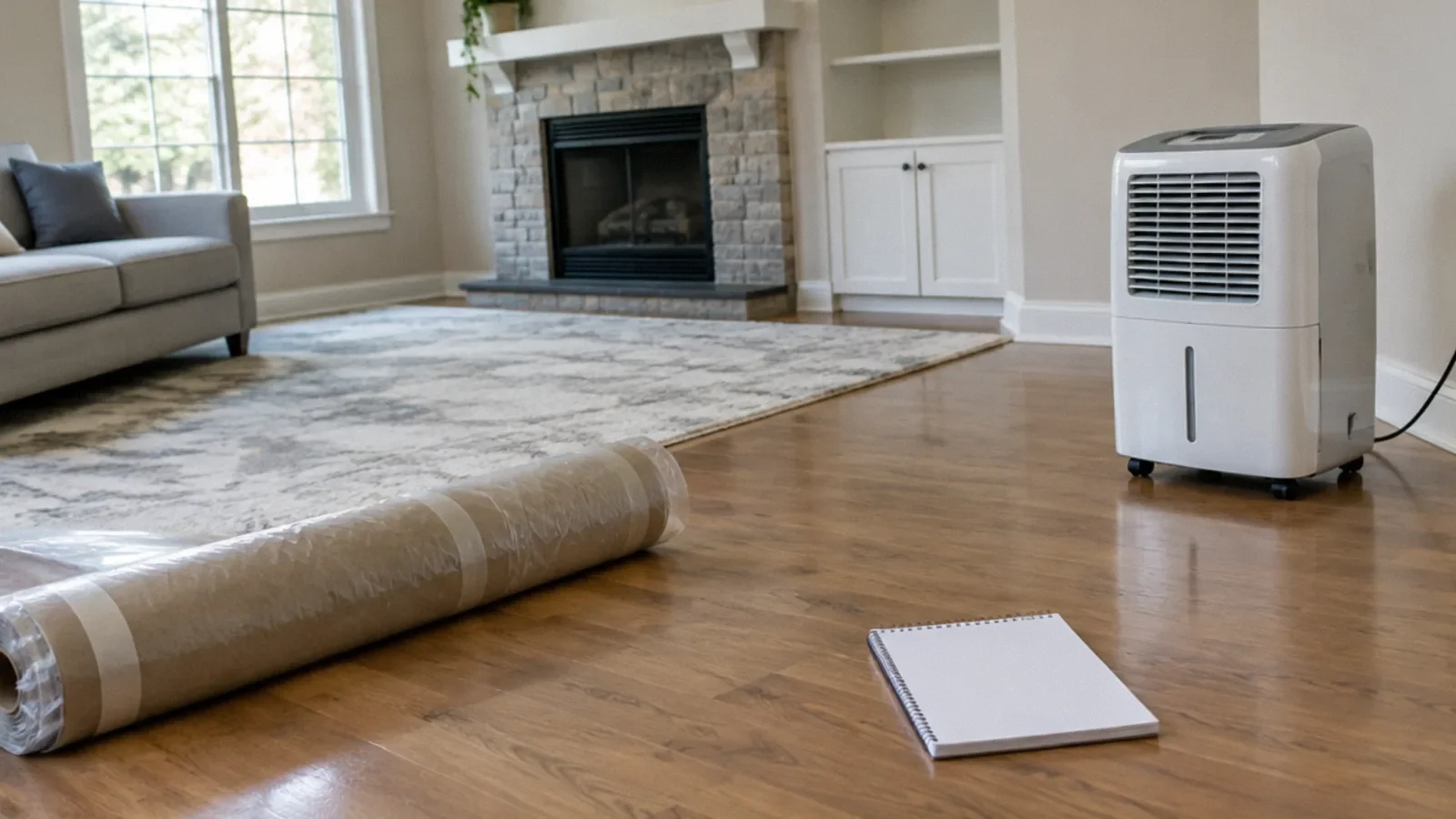
EPA’s disaster cleanup guidance recommends drying the home and its contents as quickly as possible, ideally within 24 to 48 hours. When electricity is safe, fans and dehumidifiers can help remove moisture. Do not use fans where mold has already started to grow because air movement may spread it. Ventilation is useful only when conditions and security make it practical; leaving a window open during rain or in a humid environment can add moisture.
Account for the material, not just the surface
Nonporous hard surfaces can often be cleaned and dried, while porous items may retain water and contamination. Carpet, padding, drywall, insulation and particleboard behave differently. Follow manufacturer instructions and seek professional help if water has reached layers that cannot be exposed and dried safely. Replacing a damaged material may be necessary; painting a stain does not dry what lies behind it.
EPA notes that porous materials such as ceiling tiles and carpet may need to be discarded if moldy because complete removal can be difficult. Do not disturb suspect materials if doing so could release dust or expose occupants. Older building materials may require special handling. A professional can assess concealed moisture and define a safe scope before demolition.
Check progress and prevent recurrence
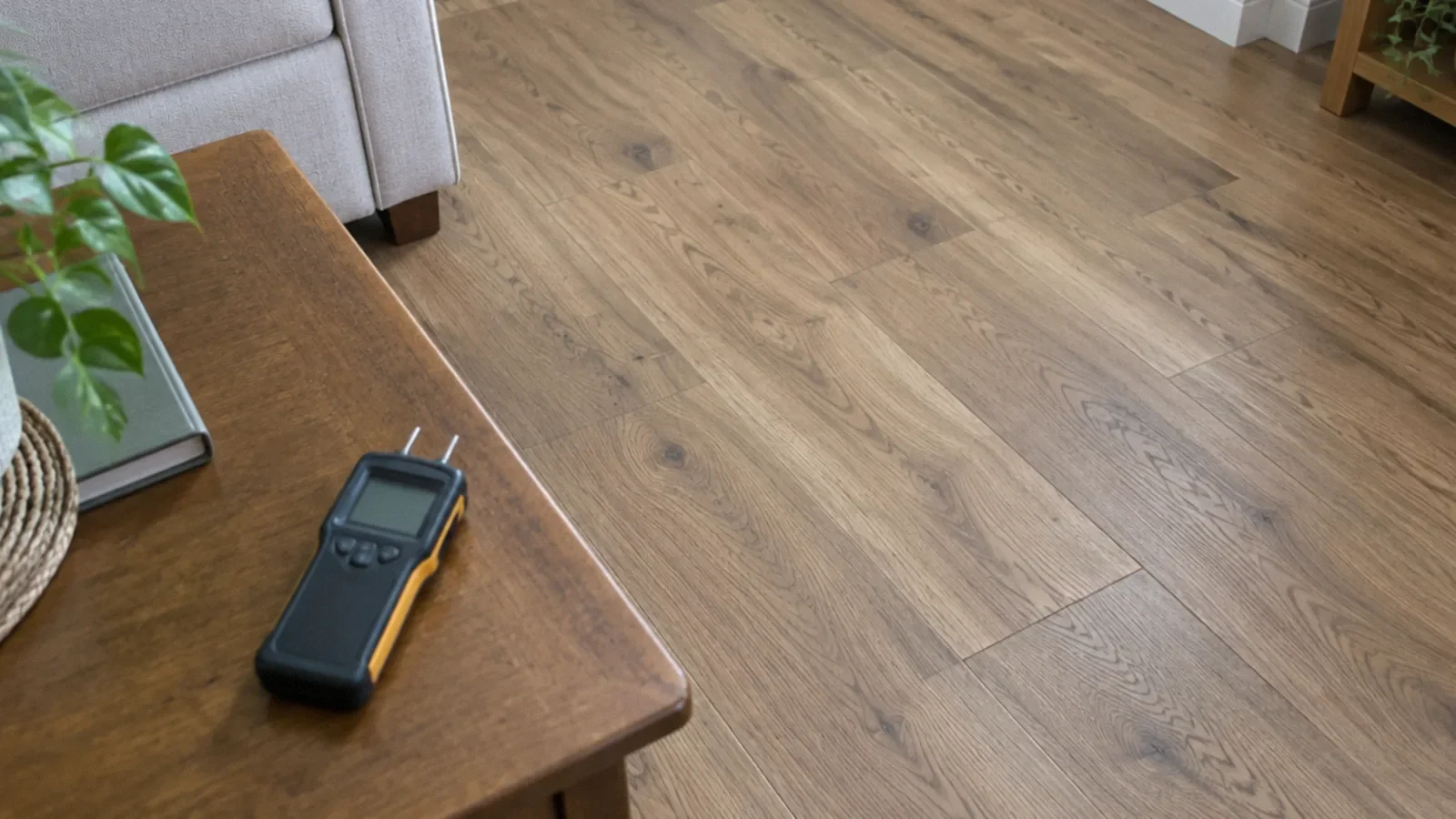
Return to the area regularly to check for new water, dampness, odor, discoloration or swelling. A household humidity reading can describe room air but does not prove that a wall cavity or subfloor is dry. If visible wetness persists, the stain grows or the source returns, stop treating it as a simple spill and arrange a moisture assessment.
Repair the cause before replacing finishes. For example, a leaking supply fitting should be repaired and checked before closing a cabinet, and a roof leak should be investigated before repainting a ceiling. Keep the record of repairs and photographs. Once materials are confirmed suitable for reuse and dry, clean and restore finishes according to their manufacturer’s directions.
Questions to ask a restoration contractor
Ask how the company will identify the water source, inspect concealed areas, protect occupants and document drying. Obtain a written scope that distinguishes water extraction, material removal, drying, cleaning and repairs. Ask how changes are authorized and whether independent trades are needed for plumbing or electrical work.
A contractor should explain what can and cannot be determined at the first visit. No one can promise from a photo that every hidden surface is dry. Review the scope and insurance process together, but make decisions based on the actual condition of the property and the policy.
Your next-step checklist
- Keep clear of electrical, structural, sewage and floodwater hazards.
- Stop the source only if it is safe.
- Document damage and contact the insurer if appropriate.
- Remove clean surface water and dry promptly.
- Seek help for hidden moisture, contamination or persistent dampness.
Related questions
Can I dry a wet wall with a fan?
A fan may help when electricity is safe and mold has not begun, but it does not prove hidden layers are dry. Seek an assessment for moisture inside a wall.
Can I paint over a water stain?
Find and repair the source and dry the material first. Do not paint over mold or use paint as a substitute for cleanup.
Sources & context
Public guidance supports the principles in this article. The practical questions and examples are editorial interpretation, not a site assessment or a coverage decision. State-specific rules apply only where identified.