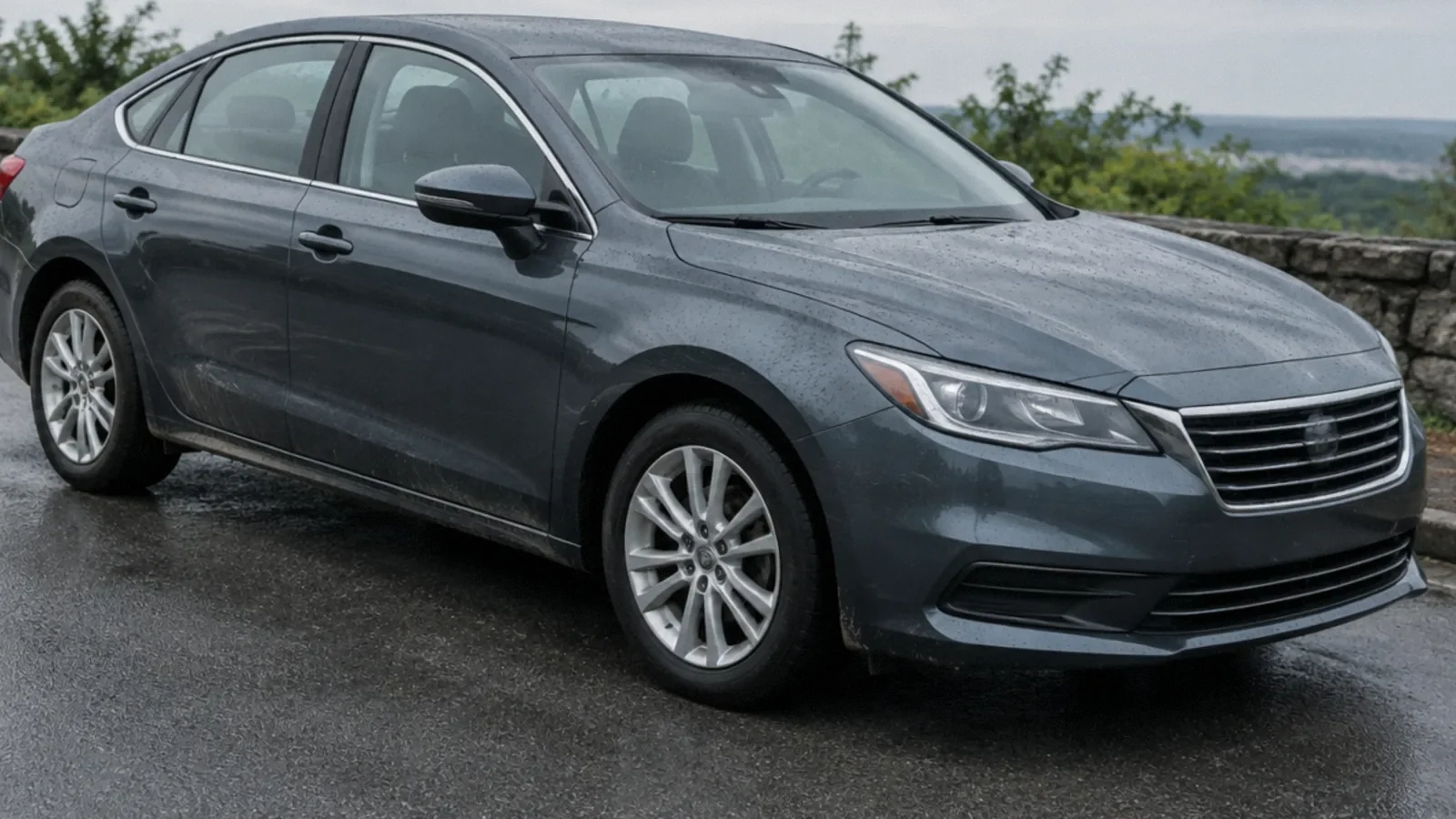
There is no reliable flat price for water-damaged car repair. A small interior leak and a vehicle submerged in contaminated water require very different work. The estimate depends on affected systems, access, parts, labor and the car’s value; extensive repairs can exceed that value.
Why a single price is misleading
The repair scope can range from finding and sealing a minor leak to removing interior materials and inspecting mechanical, electrical and safety systems. Water depth, duration and whether water reached critical components affect the work. A superficial detail may not address hidden contamination or corrosion.
We do not have a representative local price dataset for all flood-damaged vehicles. Request a written estimate for the specific car and ask what has and has not been inspected. An initial quote can change when inaccessible components are examined.
Do not start a flooded vehicle
AAA advises against starting a flood-damaged car before qualified inspection because water in the engine or other systems can cause further damage. Stay away from remaining floodwater and downed wires. Document the vehicle from a safe location after conditions permit.
Contact the auto insurer if comprehensive coverage may apply and ask about towing to a qualified shop. Do not handle damaged high-voltage components in an electric or hybrid vehicle; tell the towing and repair providers the vehicle type and circumstances.
Interior and moisture costs
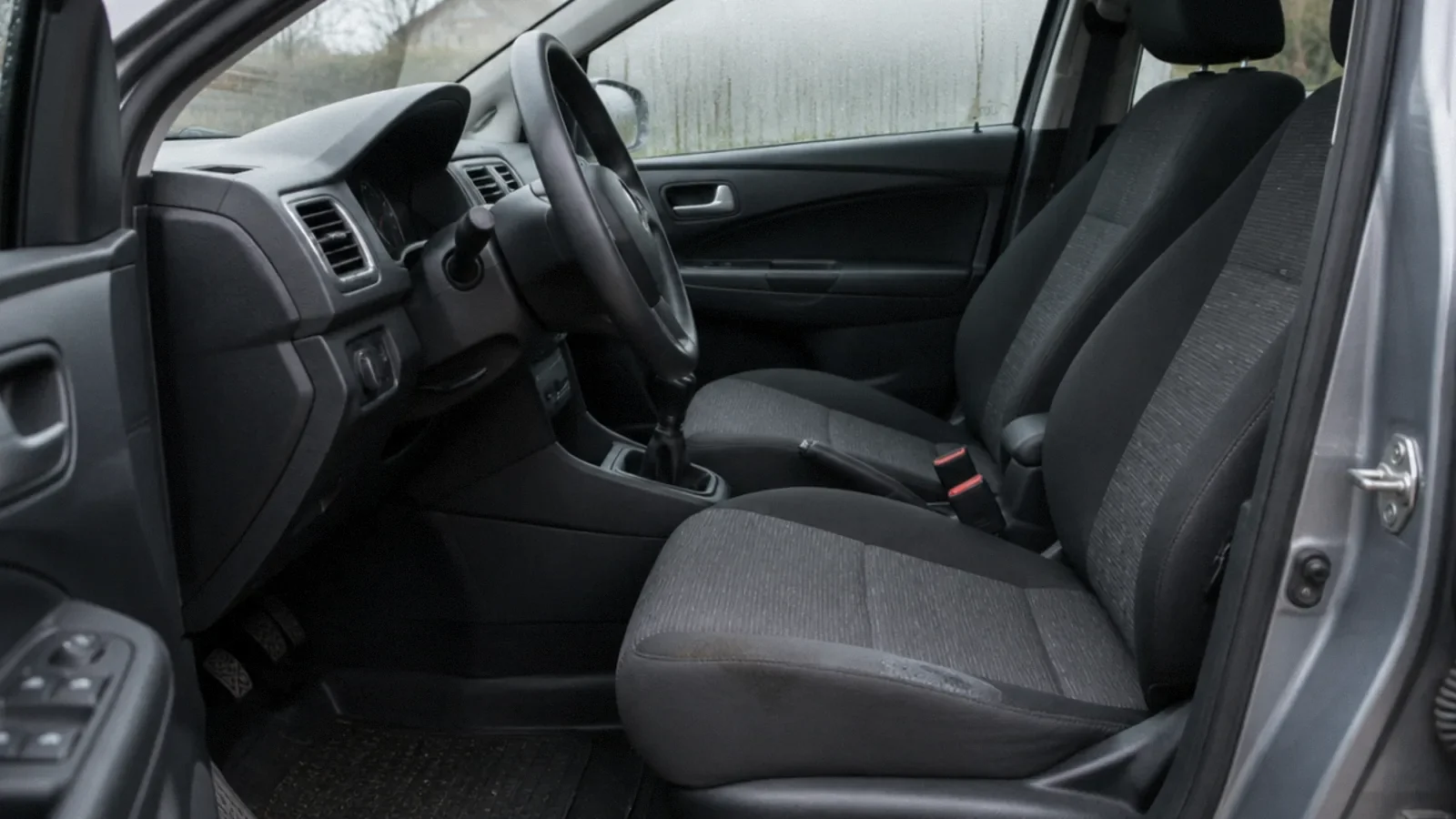
The shop may need to inspect carpets, padding, seat materials, trim and concealed cavities. Depending on contamination and the material, cleaning and drying may be possible, or affected components may need replacement. Ask whether the estimate covers removal, inspection beneath surfaces and reinstallation.
A musty smell can be a clue to moisture but does not show the full extent of damage. Floodwater may contain sewage, chemicals or salt. A fragrance or surface shampoo alone does not establish that the interior is dry and safe.
Mechanical and electrical systems
Floodwater can affect the engine, transmission, brakes, wiring, connectors, sensors and safety equipment. The required diagnosis depends on the vehicle and the water exposure. Some corrosion or failures can appear later, so ask the technician about inspection limits and warranty terms.
Labor to reach concealed parts, diagnostic procedures, replacement components and manufacturer-specific calibration can make quotes differ. Ask for an itemized scope with parts, labor, diagnostic charges and any work excluded from the estimate.
Repair versus total loss
A vehicle may be considered a total loss when repair is not economical under the insurer’s process and applicable state rules. The decision depends on the vehicle’s value, estimated repairs, salvage considerations and the terms that apply; depth alone is not a universal test.
Ask how the vehicle value was determined, how the deductible and any loan balance are handled, and what title consequences may follow. The insurer’s decision and your options depend on the policy and jurisdiction. A shop’s preliminary estimate is not a coverage decision.
Does auto insurance cover water damage?
Optional comprehensive auto coverage may cover flooding or other covered water damage, subject to the policy, deductible and claim determination. Liability-only coverage generally addresses injury or damage to others rather than repair of your own flooded vehicle. Ask the insurer about the cause and applicable exclusions.
Report when and how the water entered, and keep photos, towing receipts, inspection findings and correspondence. Do not discard damaged parts or authorize major work contrary to the insurer’s instructions unless an immediate safety need requires action.
Compare estimates carefully
Ask whether the estimate includes interior removal and drying, electrical and mechanical diagnosis, contaminated material disposal, required replacement parts, reassembly and any follow-up. Confirm who handles towing, storage and diagnostic fees.
A very low quote may address only visible cleaning, while a more comprehensive one can include disassembly and inspection. Compare the written scopes rather than the totals alone. For a used car, FTC recommends an independent mechanic’s inspection and checking available vehicle history.
Your next-step checklist
- Avoid starting a flooded car before qualified inspection.
- Photograph damage only when safe.
- Contact the insurer and arrange suitable towing.
- Request an itemized estimate and ask about hidden damage.
- Compare repair cost with the vehicle’s value and coverage.
Related questions
How much does water-damaged car repair cost?
There is no dependable universal price. The amount depends on the vehicle, water exposure and systems requiring inspection or repair.
Can a flooded car be a total loss?
Yes. Extensive water damage can make repairs uneconomical, but the determination depends on the specific vehicle and applicable rules.
Does comprehensive insurance cover a flooded car?
It may, subject to policy terms, deductible and the insurer’s determination.
Should I start the car to see whether it works?
AAA advises against starting a flood-damaged vehicle before qualified inspection because it can cause additional damage.
Sources & context
Public guidance supports the principles in this article. The practical questions and examples are editorial interpretation, not a site assessment or a coverage decision. State-specific rules apply only where identified.
- AAA: Flood-damaged vehiclesautomotive technical guidance
- AAA: What to do after car flood damageautomotive guidance
- Progressive: Water damage and auto insuranceinsurance guidance
- FTC: Flood-damaged used vehiclesfederal consumer guidance