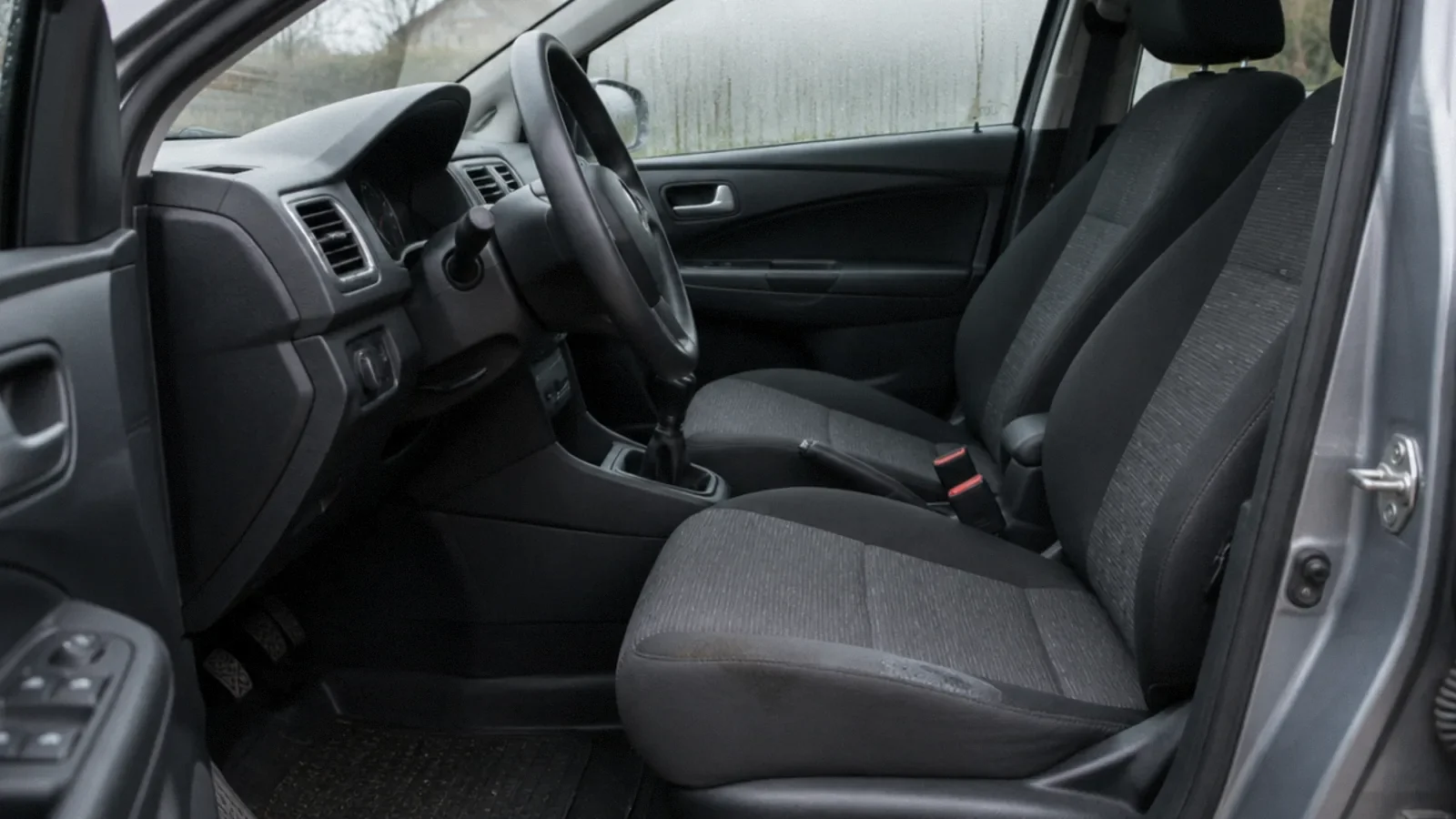
Mold can grow in a car when moisture remains in seats, carpeting or other interior materials. Find and correct the water source first. Small areas on accessible hard surfaces may be cleanable, but extensive growth, contaminated floodwater or wet padding calls for professional assessment.
Why mold can develop inside a vehicle
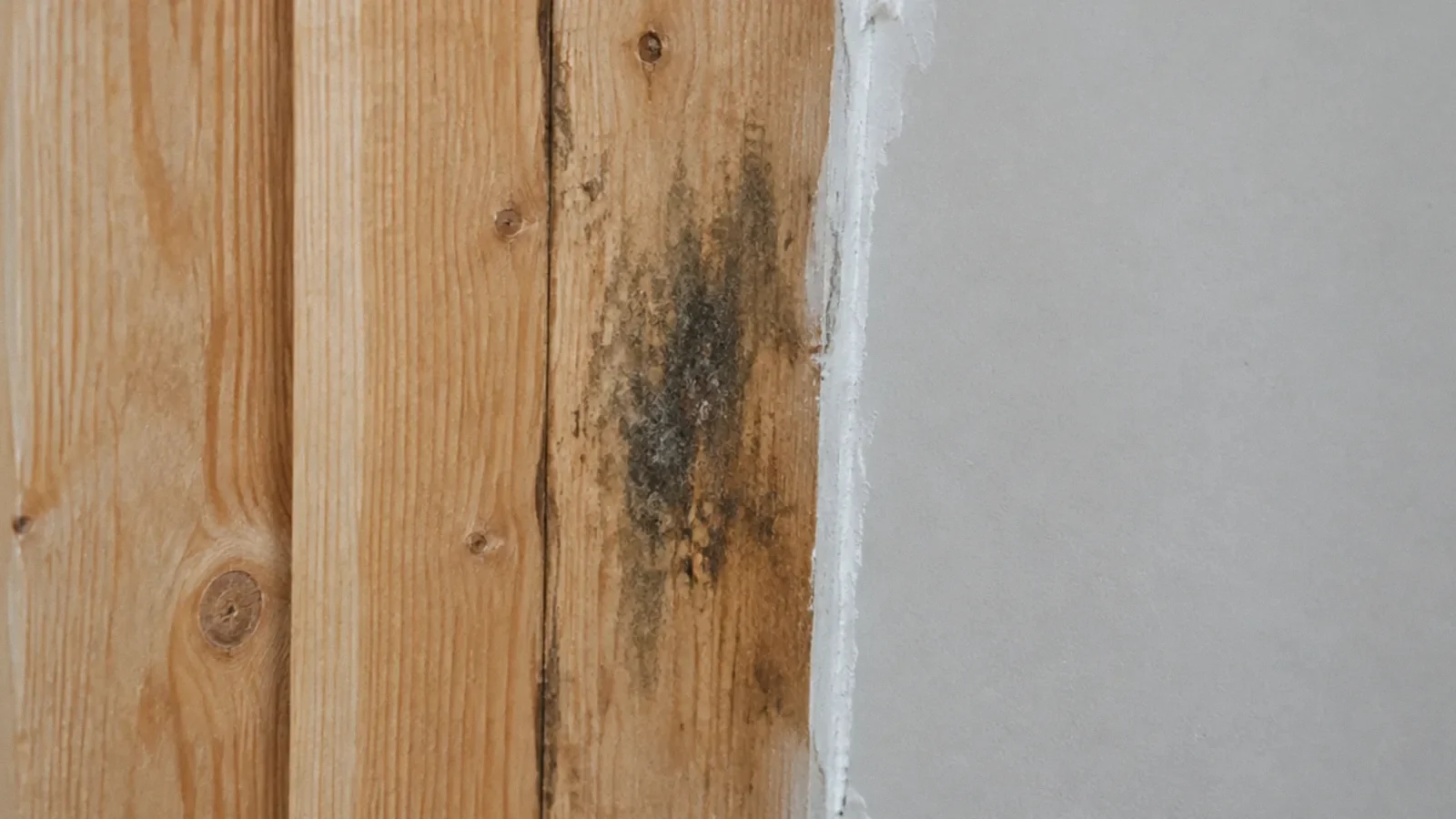
Mold spores are common in the environment. Moisture and suitable material or residue can allow growth when a car stays damp. A wet floor mat, lingering musty odor or visible spots are reasons to investigate, although appearance alone cannot identify a species.
Water may enter through a damaged weather seal, an open window or another leak. A spill or a problem associated with the heating and air-conditioning system may also leave moisture behind. The source must be identified for the individual vehicle rather than assumed.
Start with safe access and moisture
Park outdoors in a safe area and open the doors or windows when conditions permit. Do not run the engine in a garage or other enclosed space. Keep children and pets away from affected materials, and avoid disturbing a large patch of suspected growth.
Take photographs before moving materials if an insurance claim may be involved. Remove loose belongings carefully and look for ongoing water entry. If the vehicle was submerged or exposed to floodwater, seek professional advice before handling it: floodwater can contain sewage, chemicals and electrical hazards.
Look beyond the visible surface
Check removable mats and accessible carpet for dampness, and note whether the moisture appears after rain, a spill or use of the air conditioner. Carpet backing, padding and seat foam may remain wet even when the top feels dry. A musty smell alone cannot show how much material is affected.
A qualified automotive technician can investigate leaks and electrical components; an experienced interior restoration provider can assess contaminated materials. Ask whether their scope includes removing and inspecting wet padding and correcting the source, not simply masking the smell.
Cleaning a small hard-surface area
For limited contamination on a removable or accessible nonporous surface, follow the vehicle manufacturer’s care instructions and use a product suitable for that material. CDC recommends detergent and water for many hard household surfaces, followed by drying; vehicle finishes and electronics require their own precautions.
Wear suitable gloves and eye protection, ventilate the area, and avoid breathing disturbed material. Do not mix cleaners, particularly bleach and ammonia. Do not spray electrical controls or saturate upholstery; test a suitable product on a hidden area first.
Seats, carpet and other porous materials
Fabric, foam and carpet backing can hold moisture or contamination below the surface. Cleaning only the visible fibers may leave the underlying material damp. A professional can determine whether affected parts can be cleaned and fully dried or whether removal and replacement are appropriate.
Do not claim that a vacuum, fragrance or a quick surface spray has solved hidden contamination. If a child seat was affected, follow its manufacturer’s instructions and contact the manufacturer about whether it can be cleaned safely; do not improvise treatment of safety restraints.
When to seek professional help
Seek assessment for extensive or recurring growth, persistent wet padding, inaccessible contamination, flood or sewage exposure, or a vehicle with damaged electrical components. People with asthma, immune suppression or other health concerns should avoid disturbing mold and discuss individual health questions with a clinician.
Ask for an inspection, proposed moisture-source repair, cleaning or replacement scope, drying method and written cost estimate. A technician should explain limits of inspection and whether work on electronics or water leaks requires a separate automotive specialist.
Prevent the problem from returning
Repair leaks, remove damp items and dry spills promptly. Check mats and the spare-wheel well for recurring moisture where safe and accessible. Close windows when rain is expected and follow the vehicle maker’s maintenance instructions for the heating and air-conditioning system.
When the source is not clear or the smell returns after cleaning, have the vehicle checked again instead of repeatedly adding fragrance. Mold color or a photograph cannot determine whether a particular growth is dangerous.
Choose a cleaner for the actual surface
Check the vehicle maker’s instructions for the specific hard trim, upholstery or carpet and the cleaning product label for compatibility. A mild detergent and water may be suitable on an accessible hard surface where the manufacturer permits it; use a small amount, avoid electrical controls and dry thoroughly. Test an inconspicuous area if the instructions recommend it. Never mix chemicals or assume bleach is suitable for a vehicle interior.
A spray cannot reliably clean mold deep in seat foam, under carpet or inside electronic equipment. If moisture or growth extends into those layers, ask an experienced vehicle restoration professional to assess access, cleaning and possible replacement. Repair the leak and verify drying so the condition does not recur.
Your next-step checklist
- Move the car outdoors before ventilating it.
- Photograph damage before handling materials when a claim may be involved.
- Find and repair the moisture source.
- Keep floodwater, wet electrical systems and extensive contamination for professional assessment.
- Clean and dry suitable surfaces without mixing chemicals.
Related questions
What causes mold in a car?
Moisture trapped in fabric, padding, carpet or surface residue can allow mold to grow. The cause may be a leak, spill or another source that needs investigation.
Can I remove mold from car seats myself?
A small surface issue may be manageable under the manufacturer’s instructions, but wet foam or extensive growth may require professional cleaning or replacement.
Does black mold in a car mean a particular species?
No. Color alone cannot identify mold or predict its health effects.
Should I drive a flood-damaged car?
Have a qualified professional assess flood and electrical damage first; floodwater can contain hazardous contaminants.
Sources & context
Public guidance supports the principles in this article. The practical questions and examples are editorial interpretation, not a site assessment or a coverage decision. State-specific rules apply only where identified.
- CDC: Mold testing and remediationfederal health guidance
- CDC: Eight tips to clean up moldfederal health guidance
- CDC: Floodwater safetyfederal safety guidance