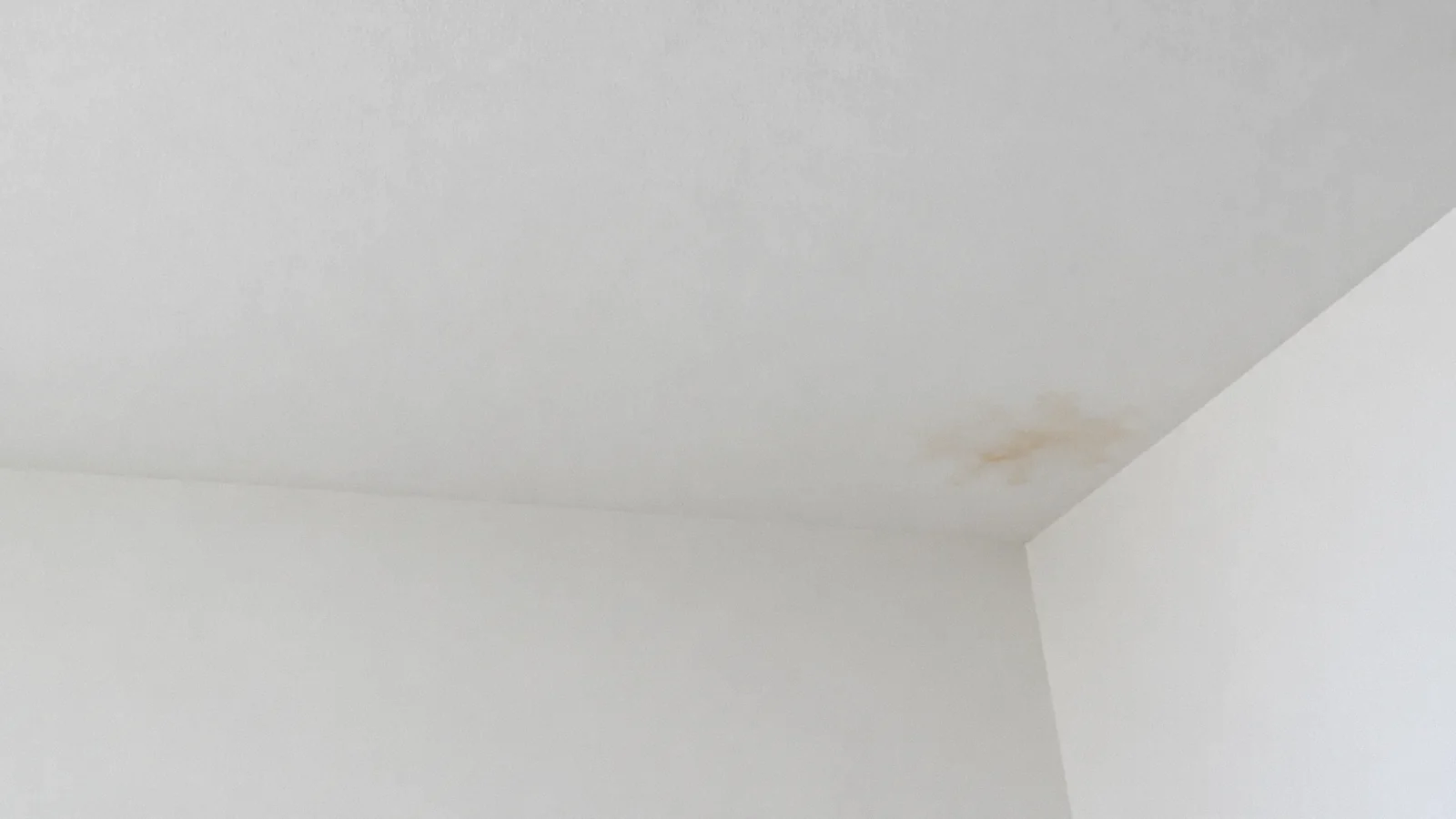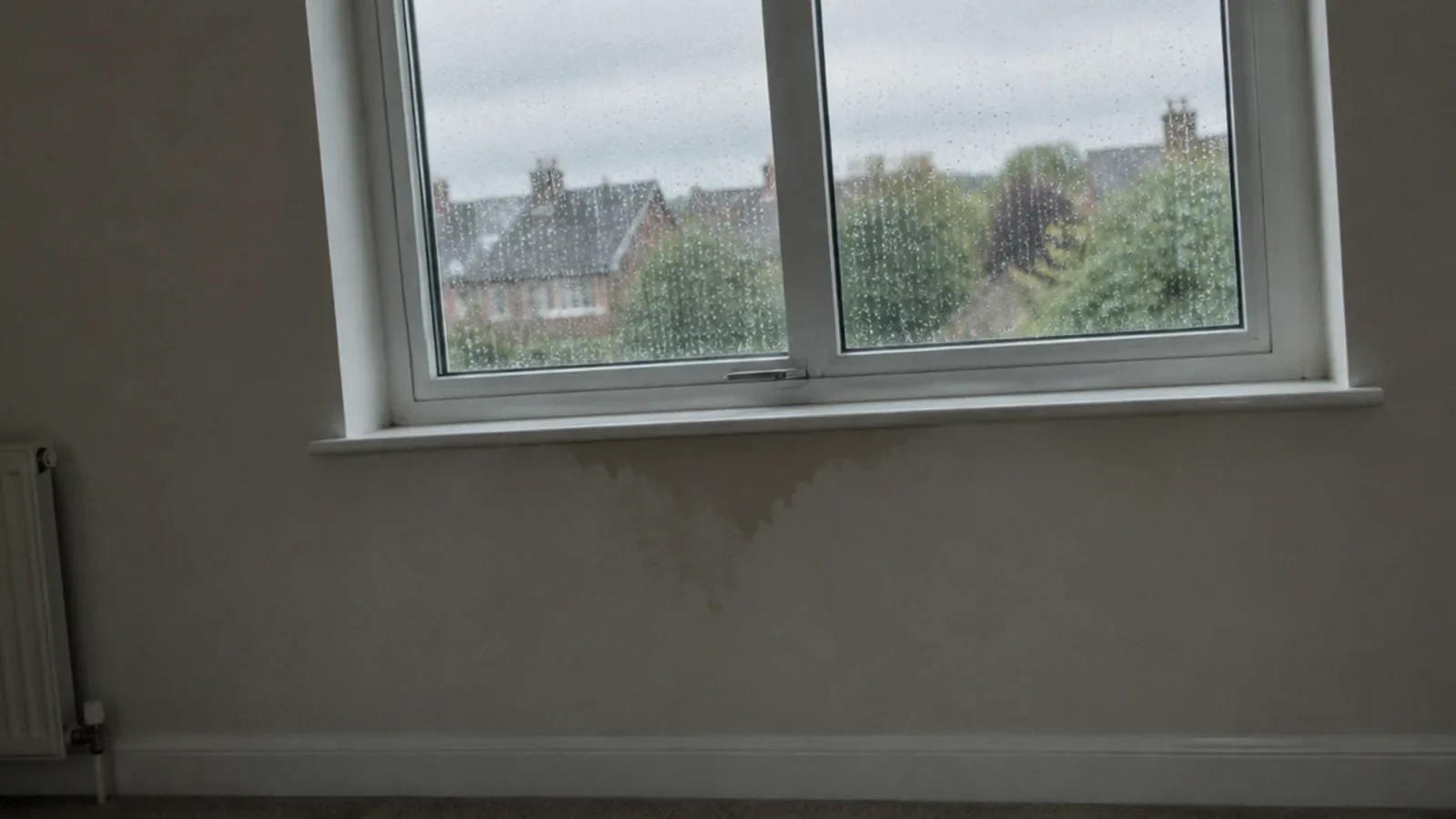
A wall that becomes wet during rain may receive water through a roof, window, siding, flashing or another exterior pathway. The visible stain does not necessarily show the entry point. Keep away from wet electrical equipment, document the timing and arrange a qualified inspection and repair.
Protect the room first
Move people and belongings away from falling material, active drips and a sagging ceiling. Do not touch a wet outlet, switch or electrical device. If power needs to be isolated, use the breaker only if it can be reached without entering water or touching wet equipment; otherwise call a qualified electrician.
Place a container only if the area is safe. If the ceiling or wall is bulging, do not puncture it. For immediate danger, leave the area and contact emergency responders.
Record the pattern
Note whether moisture appears only during wind-driven rain, after prolonged rain or at other times. Photograph the area safely and record recent repairs, the weather and when the stain changed. These observations help an inspector but do not prove the source.
A leak that also occurs during dry weather may involve plumbing or condensation. Avoid opening the wall yourself when electrical wiring, lead paint, asbestos or structural damage could be present.
Common exterior pathways
Rain can enter around a roof-to-wall intersection, damaged flashing, a window opening, siding joints or other details. DOE explains that exterior walls use layers to manage water that gets past the outer cladding. The complete assembly, not just one visible seam, matters.
Water can travel along framing or other materials before appearing inside. A stain below a window may originate above it. A qualified inspector should consider the roof, wall and openings together rather than assuming the nearest crack is the only defect.
Check drainage from a safe location
From the ground, note overflowing gutters, disconnected downspouts or water collecting against the building. Do not climb a wet roof or ladder during a storm. Gutter problems can contribute to water entry, but a clear gutter alone does not establish that the wall is watertight.
If water comes through a below-grade wall, grading, drainage and groundwater may need separate assessment. Do not redirect runoff onto neighboring property without considering local requirements and the site.
What a professional inspection should cover
Ask the roofer, building-envelope specialist or other qualified professional to identify likely entry points, accessible damage and limits of the inspection. Targeted testing may be appropriate when conditions and access permit. Request photographs, findings and a written repair scope.
Temporary protection can help limit further loss, but a quick layer of caulk or paint is not a complete diagnosis. The repair should address the relevant water-management layers and surrounding details, not merely hide the interior mark.
Dry and repair the interior
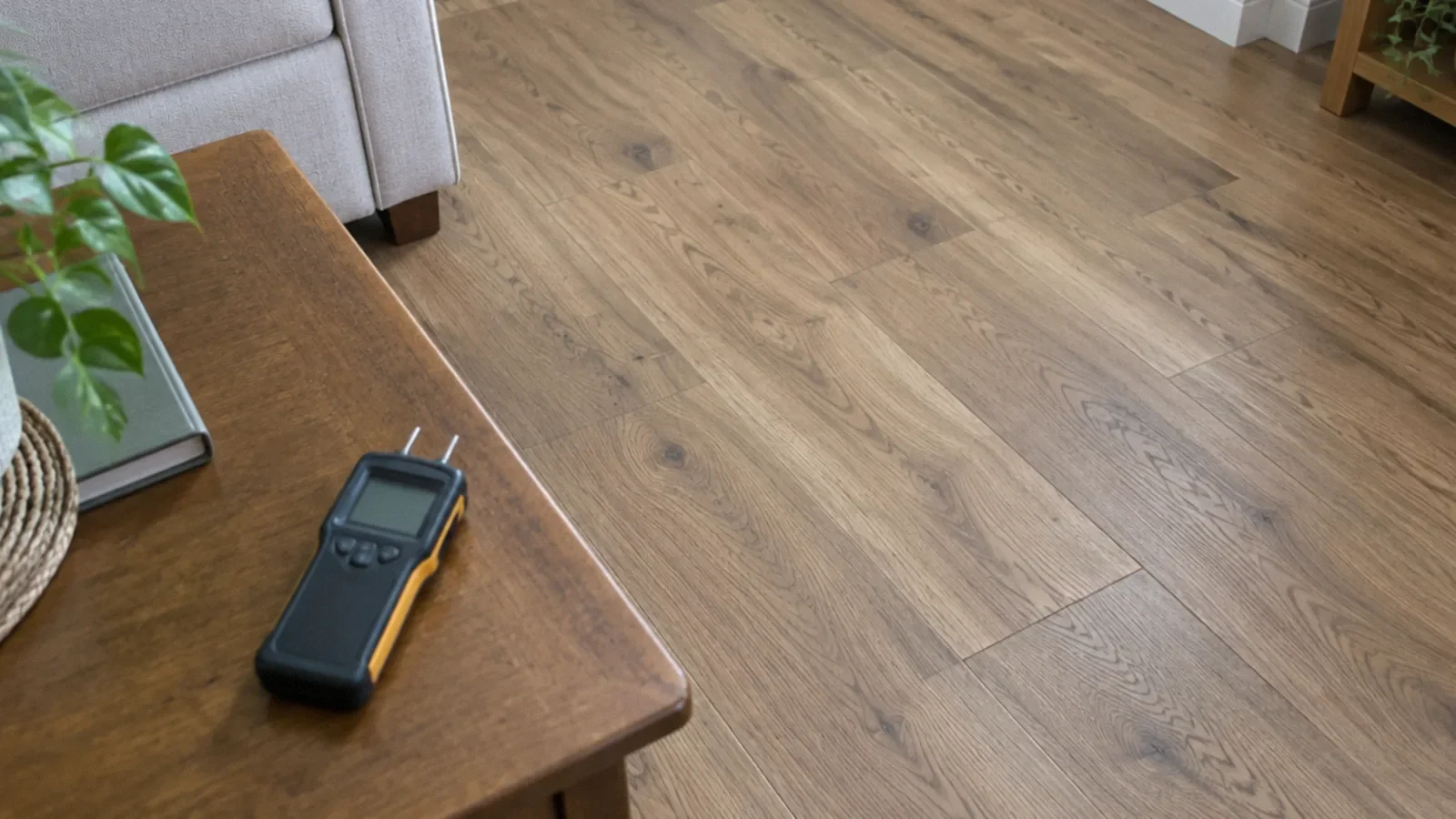
After the water source is controlled, assess wet insulation, drywall, framing and finishes. Dry-looking paint does not prove a wall cavity is dry. Contaminated or damaged porous materials may need removal; drying and rebuilding decisions depend on the actual condition.
If mold-like growth is extensive or hidden, request qualified assessment rather than disturbing it. Before closing the wall, ask how moisture will be evaluated and how the exterior repair will be verified.
Insurance and prevention
Report damage to the insurer or property manager promptly and keep photographs, reports and receipts. Coverage depends on the cause, policy terms, exclusions and maintenance history; a rain-related leak is not automatically covered or excluded.
Maintain gutters and visible exterior details according to the building’s needs, and investigate recurring stains early. After repairs, observe the area during later rain from a safe location and report any renewed moisture.
Before authorizing repair, ask who will coordinate the roof, exterior wall and interior trades and whether the quote includes access, disposal and finish work. A clear sequence can prevent an interior patch from being completed before the entry pathway is corrected.
Your next-step checklist
- Keep away from wet electrical equipment and sagging material.
- Photograph the stain and record when it appears.
- Arrange a qualified roof and wall inspection.
- Address the exterior pathway before rebuilding.
- Document drying, repair and insurance communications.
Related questions
Why does my wall leak only when it rains?
Rain may enter through a roof, window, flashing, siding or another pathway. The timing is a clue, not proof of the entry point.
Can I seal the inside stain to stop the leak?
Paint or interior sealant can hide a symptom without fixing exterior water entry. Identify and repair the source first.
Should I climb onto the roof during a storm?
No. Observe from a safe location and arrange qualified inspection when conditions permit.
Will insurance cover the leak?
Coverage depends on the cause and policy terms. Ask the insurer for a determination based on the facts.
Sources & context
Public guidance supports the principles in this article. The practical questions and examples are editorial interpretation, not a site assessment or a coverage decision. State-specific rules apply only where identified.
- U.S. Department of Energy: Water-managed wallsfederal building science guidance
- U.S. EPA: Moisture control guidancefederal building guidance
- California Department of Insurance: Residential insuranceCalifornia insurance guidance