First identify the substance and whether the concrete is sealed, painted or bare. Blot a fresh spill, keep residue out of storm drains and follow a cleaner approved for the surface. Older or absorbed stains may not disappear completely and unknown chemicals may require specialist help.
Identify the stain before treating it
Concrete can discolor from oil, rust, food, paint, mineral deposits or other substances. The right method depends on the material and the type of stain. Color alone does not reliably identify a chemical, and an unknown or hazardous spill should not be treated with a random household cleaner.
Check whether the surface is sealed, painted, polished or bare. A cleaner or abrasive tool can damage the finish even if it works on another slab. Review the surface and product instructions and test an approved method in a small inconspicuous area.
This guide focuses on removal once the material is reasonably known. An unidentified stain may need assessment before treatment; do not infer the substance from its color alone.
Fresh spills and immediate hazards
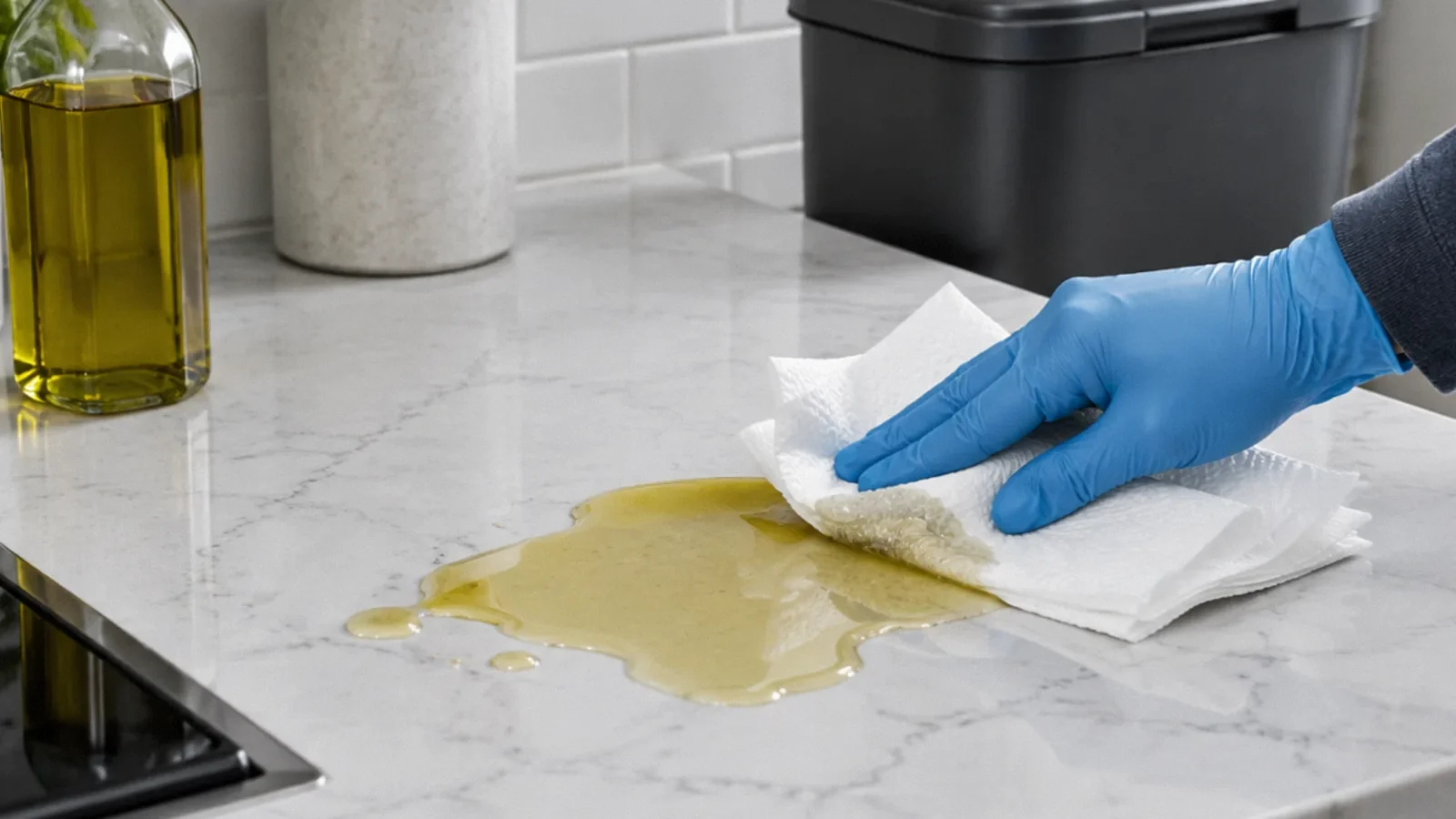
Keep people away from slippery material and any nearby electrical hazard. For a small known spill that can be handled safely, absorb excess liquid without pushing it into joints or drains. Follow the material’s label and local disposal instructions for the used absorbent.
Hot oil, fuel, unknown chemicals or a large spreading spill require a different response. Leave the area if there are dangerous vapors, fire or immediate danger, and call the appropriate emergency service. Do not mix products or pour a new chemical onto an unidentified substance.
Oil and grease stains
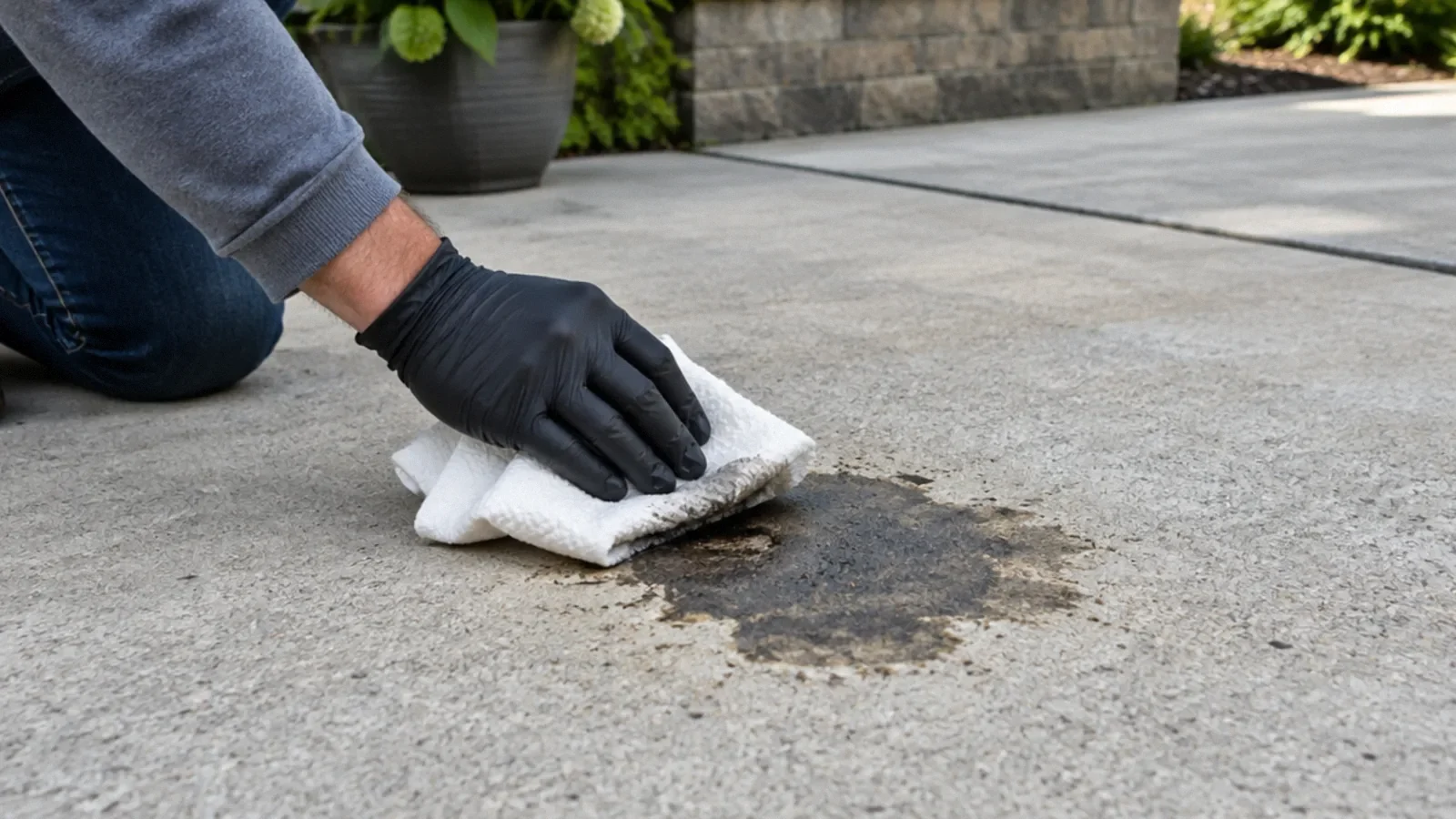
Concrete can absorb oil, so a dark patch may remain after the surface liquid is removed. Use an absorbent or cleaning product specifically suitable for the material and finish, following its label. A specialist can advise when oil has penetrated deeply or the affected area is extensive.
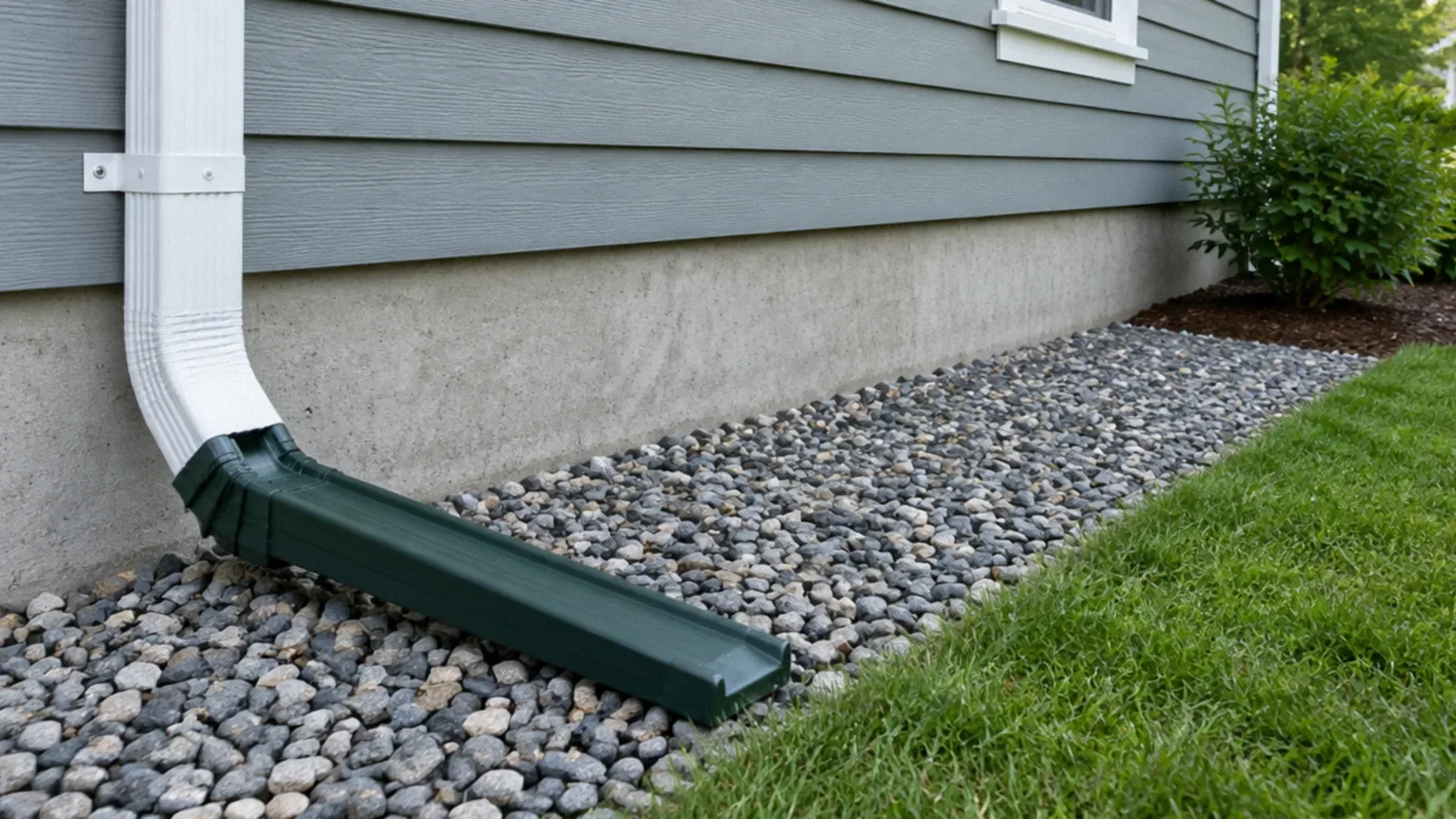
Do not wash oil down a driveway into a gutter. EPA notes that storm drains commonly carry water to waterways and should not receive motor oil, paint or other pollutants. Local household hazardous-waste programs can explain how to dispose of used automotive products.
Rust, minerals and other discoloration
Rust-colored marks can come from metal objects, while white deposits may reflect salts or moisture moving through masonry. The appearance is a clue, not a laboratory identification. Remove or repair a continuing source where appropriate before treating a recurring mark.
Some products marketed for rust or concrete can etch a finish or expose the user to hazards. Follow the specific product label and surface guidance. Avoid applying acid, bleach or an abrasive treatment simply because a similar-looking stain was treated that way elsewhere.
Indoor versus outdoor concrete
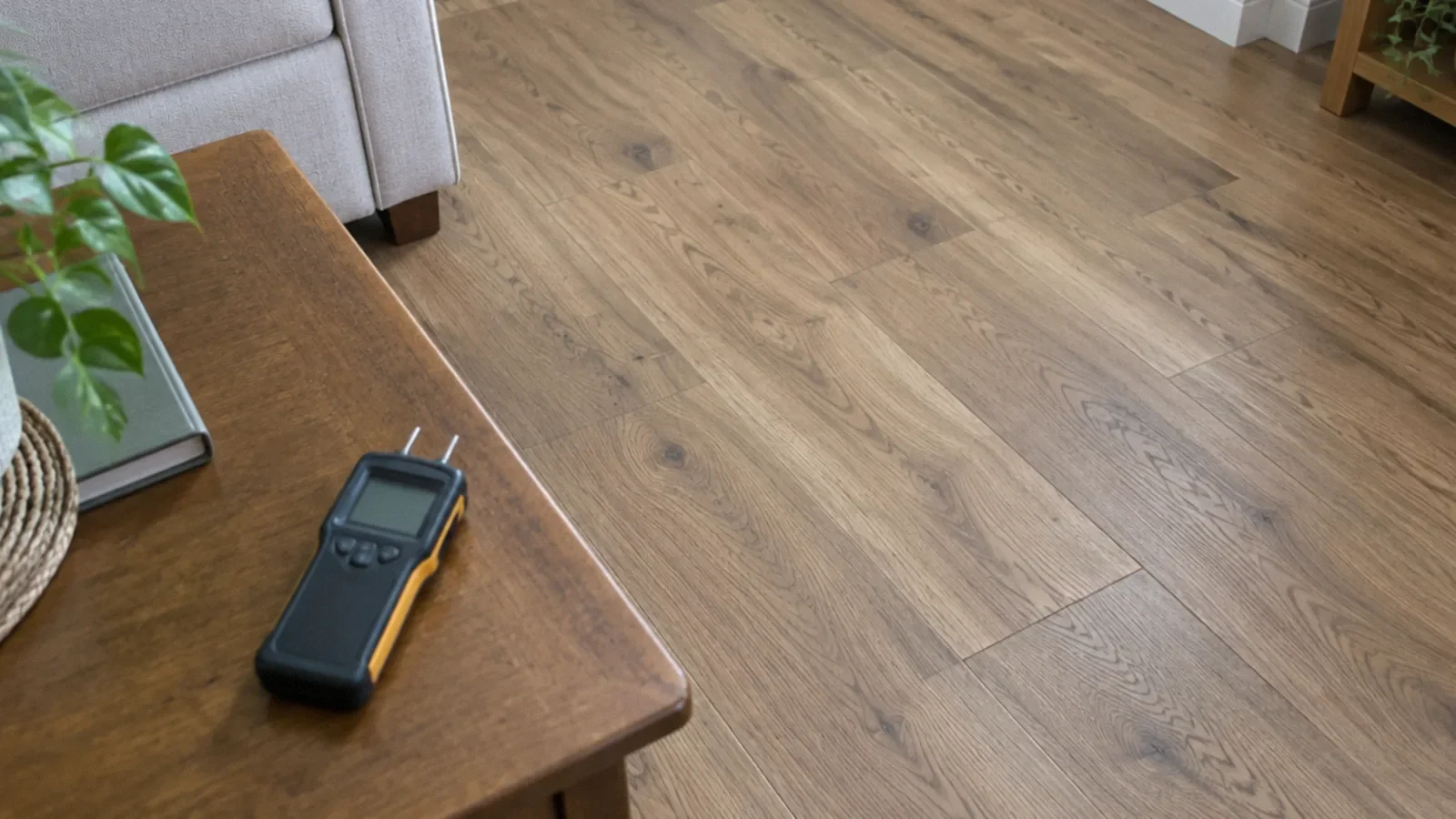
Indoor cleaning requires attention to ventilation, pets, floor finishes and nearby appliances. Use only the amount of liquid needed for the approved method and keep it away from electrical equipment. A wet basement slab may have an underlying moisture issue that surface cleaning does not correct.
For an outdoor patio, garage apron or driveway, contain residue and wash water. Do not direct contaminated runoff toward a storm drain, neighboring property or waterway. Local rules can govern collection and disposal, especially for commercial work.
Pressure washing and coatings
Pressure washing is not appropriate for every surface and can damage concrete, coatings or joints if misused. It can also spread contaminants and create runoff. Ask a qualified provider how the surface will be protected and how wash water will be contained and disposed of.
A sealer or coating must be compatible with the slab and any remaining moisture or contamination. Do not coat over an active leak or assume a clear coating will permanently hide a stain. Follow the coating manufacturer’s surface preparation and moisture requirements.
When a stain keeps returning
Repeated darkening or a damp patch can indicate a continuing leak, moisture movement or another source. Document when it appears and where water may be entering. A qualified building or plumbing professional can investigate before you invest in cosmetic treatment.
If the stain is associated with mold-like growth, damaged material or a strong unknown odor, avoid disturbing it unnecessarily. Identify the moisture source and seek appropriate help. Cleaning the visible mark alone does not prove that the underlying assembly is dry.
Set realistic expectations
A fresh mark on a compatible sealed surface may respond differently from a stain that has soaked into old porous concrete. Even a correctly selected treatment can leave a shadow or change the surrounding appearance. Test first and avoid a guarantee of complete removal.
For a professional quote, provide the surface type, stain source if known, approximate age, previous treatments and access. Ask what method will be used, whether runoff is contained, what finish changes are possible and how waste will be handled.
Your next-step checklist
- Identify the substance and floor finish.
- Keep people away from slippery or hazardous spills.
- Absorb excess and protect drains.
- Test a compatible cleaner in a hidden area.
- Investigate recurring moisture before coating.
Related questions
Can every stain be removed from concrete?
No. Absorbed or old stains may remain, and treatment can affect the finish.
Can oil be washed into a storm drain?
No. Keep oil and contaminated runoff out of storm drains and follow local disposal rules.
Will pressure washing damage concrete?
It can damage some surfaces or coatings and spread contamination if used improperly.
Why does a concrete stain return?
A continuing leak, moisture movement or contamination source may remain; investigate the cause.
Sources & context
Public guidance supports the principles in this article. The practical questions and examples are editorial interpretation, not a site assessment or a coverage decision. State-specific rules apply only where identified.
- EPA: Protecting waterways at homefederal stormwater guidance
- EPA: Concrete washout best practicesfederal stormwater guidance
- EPA: Moisture control guidancefederal building guidance