Many kinds of mold can grow on food, including species in the Penicillium, Aspergillus and Rhizopus genera. Color or appearance alone cannot reliably identify the organism or show whether a food is safe. USDA and FDA advise discarding most moldy foods; consult their food-specific guidance rather than tasting or sniffing them.
Food mold is a fungus
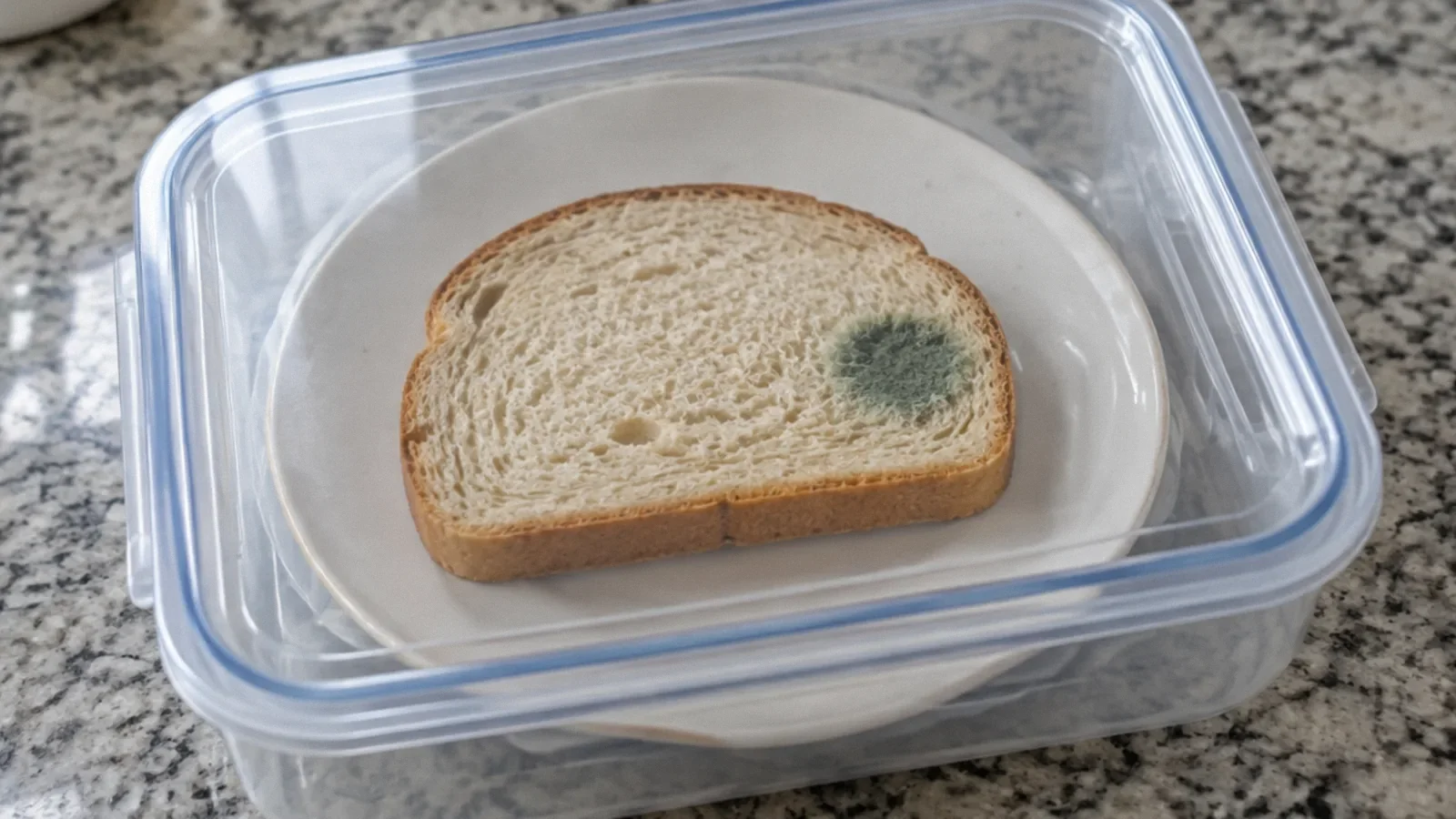
Mold is a fungus that can grow on many foods when conditions allow. USDA notes that visible growth can include spores and a structure extending into the food. Mold may appear as fuzzy, powdery or discolored patches, but appearance varies by organism, food and growth conditions.
Some molds are deliberately used in manufacturing particular foods. That controlled process is different from unexpected mold growing on an ordinary stored item. A familiar color or a product name does not make an unexpected growth safe.
Common names and their limits
USDA lists several genera found on meat and poultry, including Alternaria, Aspergillus, Cladosporium, Mucor, Penicillium and Rhizopus; it notes that they can also be found on other foods. The same food may host different organisms, and a list of names cannot identify the growth on an individual item.
Some molds can produce harmful substances known as mycotoxins under certain conditions. FDA explains that these contaminants can develop during growing, harvest or storage. Do not decide that a patch is harmless because it is white, green or black.
What to do when you find mold
Do not taste or deliberately sniff the affected food. USDA cautions that inhaling mold may contribute to respiratory problems. Place the item in a closed bag or covered container for disposal, keep children and animals away, and clean the area where it was stored.
Inspect nearby foods and packaging because spores or moisture may affect adjacent items. Follow food-safety guidance for the particular food and its condition. When you cannot establish whether an exception applies, discard the item rather than guessing.
Bread, soft food and leftovers
Porous foods can have growth beyond the visible surface. USDA advises discarding moldy bread and baked goods as well as many soft or moist foods, including soft fruits, soft cheeses and cooked leftovers. Cutting off a visible spot is not a reliable solution for these items.
Food that was exposed to floodwater or firefighting chemicals presents a different contamination problem. Follow emergency food-safety instructions for that event rather than relying on the absence of visible mold. A refrigerator or package does not necessarily protect food from every contaminant.
Are there exceptions for hard foods?
USDA identifies limited cases in which some hard cheeses and firm produce with small mold spots may be salvaged by cutting away a specified margin, provided the food meets the guidance. Refer to the linked food-specific instructions before doing so. Extensive growth, soft foods and uncertainty call for disposal.
Mold used in making a cheese is not permission to eat any new or unexpected mold on it. Product type, storage and whether growth is intended matter. A person with a known mold allergy should follow their clinician’s advice and USDA’s guidance.
Mold and pets
Keep moldy food and compost away from pets. Some moldy foods can contain toxins that cause rapid and serious illness in dogs. If a dog has eaten moldy food, contact a veterinarian or animal poison service immediately; signs such as tremors or seizures need urgent veterinary attention.
Do not induce vomiting or give a home remedy unless a veterinarian directs you to do so. If possible, tell the veterinary team what was eaten and when, and follow its instructions for transporting the animal and any packaging.
Clean the storage area safely
After discarding affected food, clean the refrigerator shelf, container or counter according to the appliance and surface instructions. Wash and dry the area thoroughly. Do not mix household cleaning chemicals or use a product on a food-contact surface contrary to its label.
Check for spills, excessive moisture and damaged seals, and address the cause. Discard cleaning materials that cannot be cleaned or laundered. Good storage reduces opportunities for growth but does not make spoiled food safe.
Prevent food from spoiling
Refrigerate perishable items promptly, follow storage directions and keep the refrigerator at an appropriate temperature. Cover foods and use clean utensils to reduce cross-contamination. Check stored items regularly and discard spoiled food rather than trying to save an uncertain item.
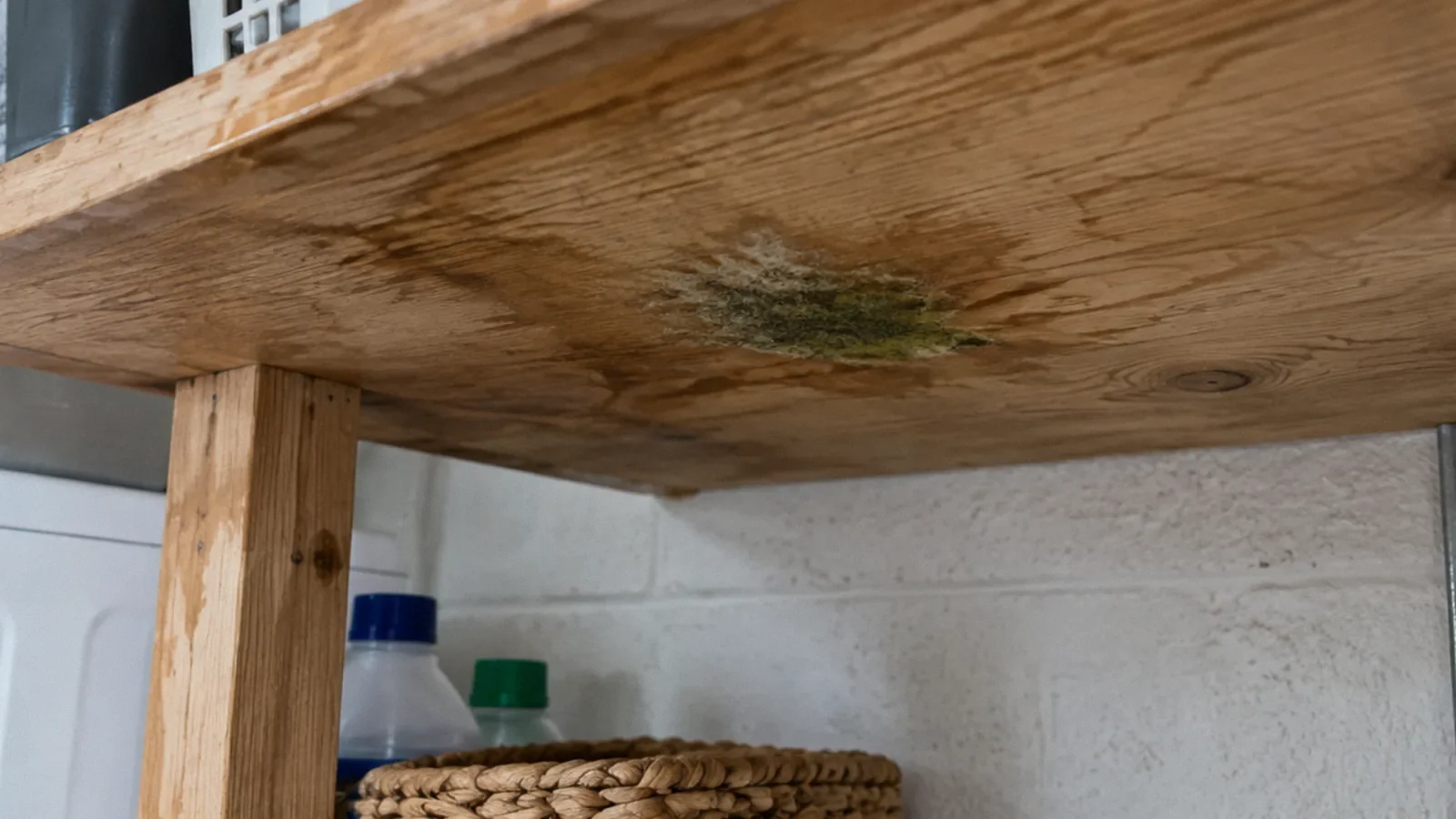
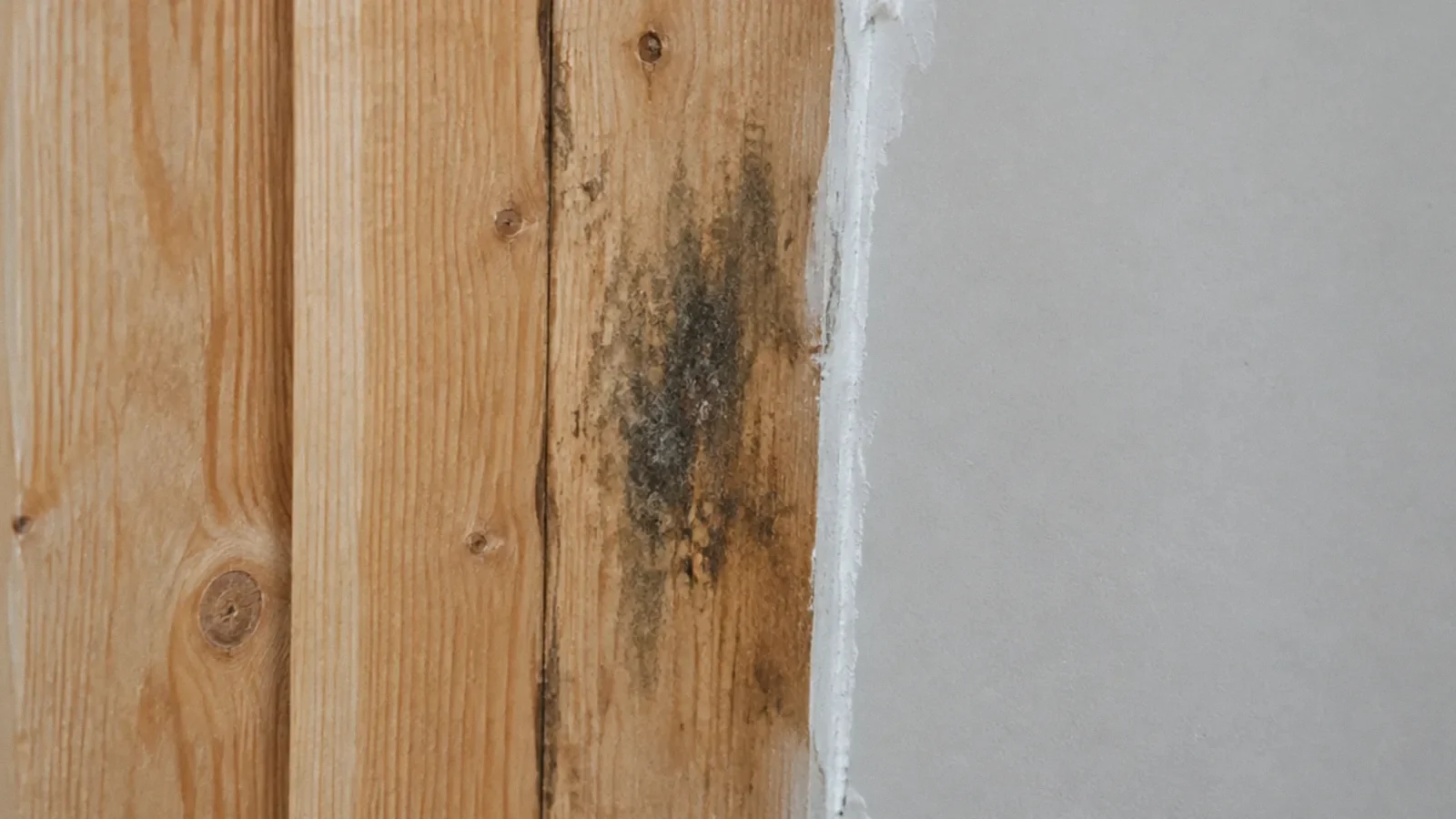
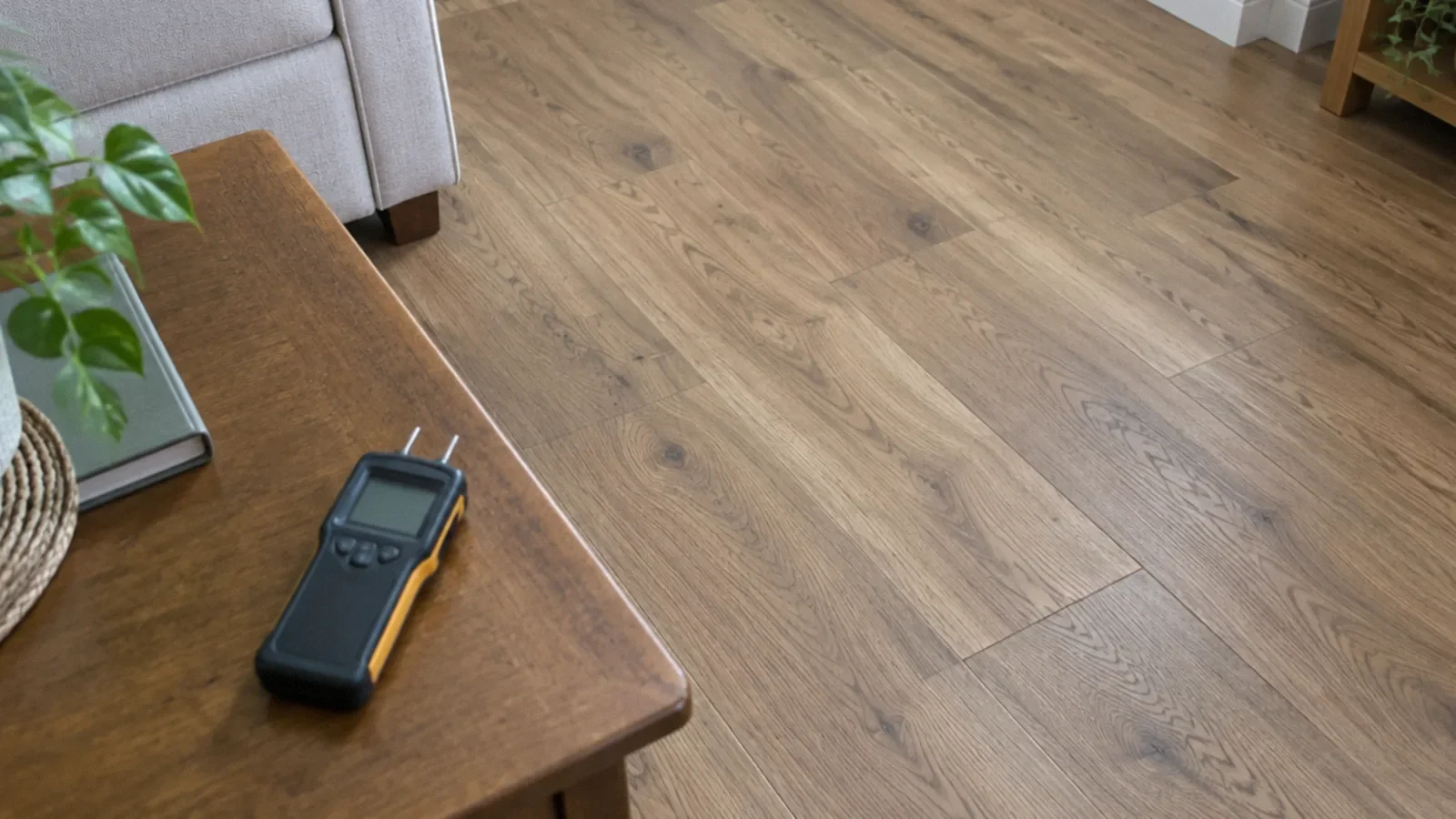
For a recurring building leak or damp cabinet, fix the moisture source separately. Food spoilage, indoor building mold and a medical concern can overlap, but each needs the appropriate response and source of expertise.
Your next-step checklist
- Do not taste or deliberately sniff moldy food.
- Discard most affected foods and check food-specific USDA guidance.
- Keep pets away from moldy food and compost.
- Clean the storage area without mixing chemicals.
- Correct recurring moisture and refrigerate perishables appropriately.
Related questions
Can I identify food mold by its color?
No. Color alone cannot reliably identify the organism or determine whether the food is safe.
Can I cut mold off bread?
USDA advises discarding moldy bread and baked goods because growth may extend below the visible surface.
Are all molds on cheese the same?
No. Some cheeses are made with selected molds, while unexpected growth can indicate spoilage. Follow guidance for the specific cheese.
What if my dog ate moldy bread?
Contact a veterinarian or animal poison service immediately. If the animal has tremors, seizures or other severe signs, seek emergency veterinary care.
Sources & context
Public guidance supports the principles in this article. The practical questions and examples are editorial interpretation, not a site assessment or a coverage decision. State-specific rules apply only where identified.
- USDA FSIS: Molds on food (2005, hosted by UC Davis)federal food safety guidance, archived copy
- UConn Extension: Handling food with molduniversity extension food safety guidance
- FDA: Mycotoxinsfederal food safety guidance
- ASPCA: Dangers of moldy food for petsveterinary poison guidance
- FDA: Food safety reference guidefederal food safety guidance