An ultrasonic cleaner sends high-frequency sound energy through a cleaning liquid. CDC describes the resulting cavitation as helping remove particles from surfaces. Results depend on the equipment, solution and item. Ultrasonic cleaning alone does not automatically disinfect or sterilize an object.
The basic process
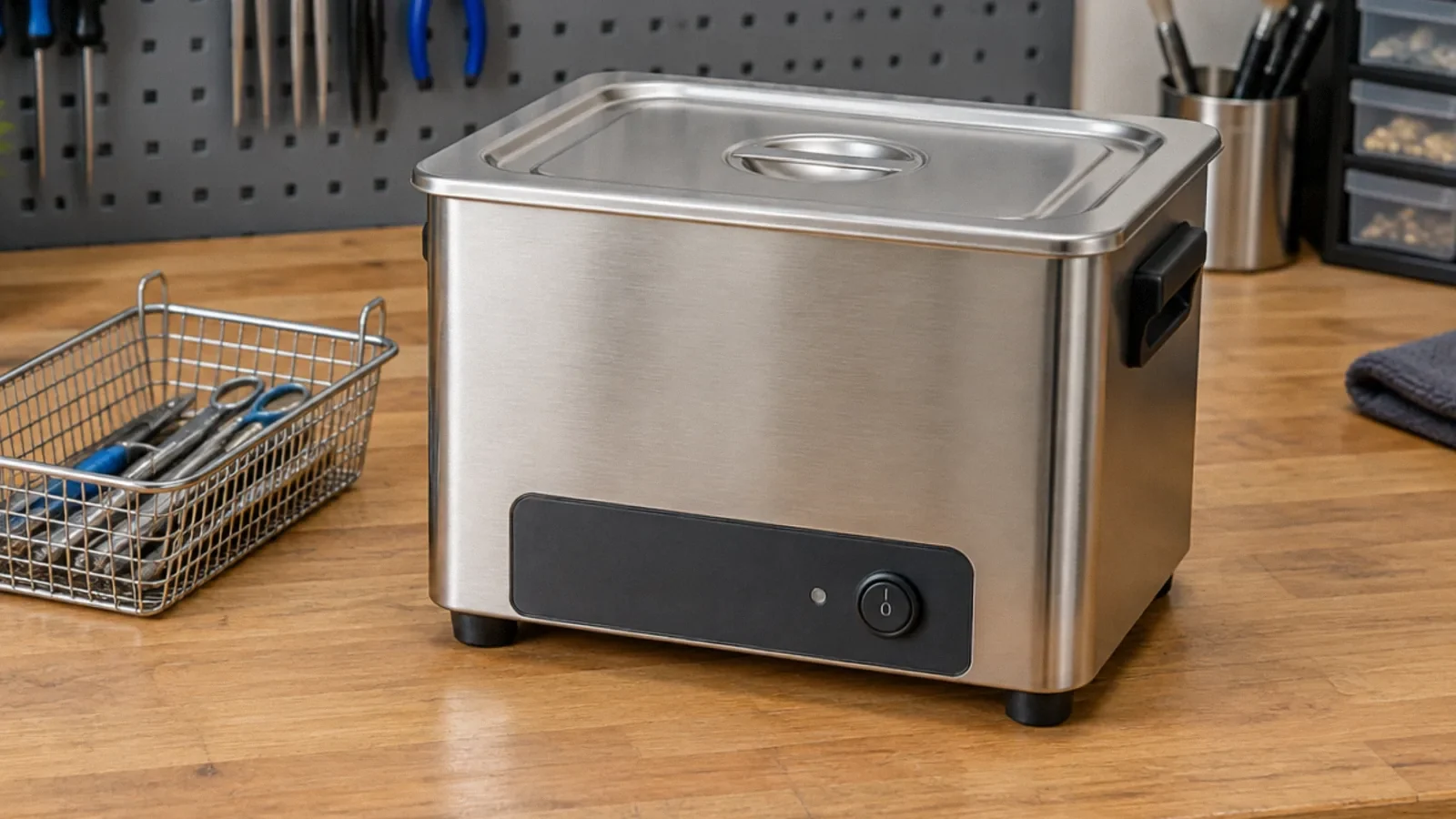
An ultrasonic cleaning machine typically has a tank, a transducer that creates vibrations and a basket or holder for objects. The manufacturer specifies the permitted liquid, loading and cycle. Equipment varies from small tabletop units to systems used in commercial or healthcare settings.
The sound energy passes through the liquid and creates rapidly forming and collapsing bubbles, a process called cavitation. CDC describes this action as disrupting the bonds that hold some particles to surfaces. The method can reach some areas that are difficult to clean by hand, but it has limits.
What changes the result
The cleaning solution, time, temperature, loading and item design all matter. Heavy soil may need a different or additional process, and surfaces hidden by a tightly packed basket may not be cleaned uniformly. Follow both the machine and item manufacturers’ instructions.
A bright-looking object is not proof that all contamination has been removed. Inspect items as directed and use the required verification process for the application. In regulated settings, a validated procedure may specify how equipment is maintained and how cleaning is checked.
Cleaning is not sterilization
CDC explains that cleaning removes soil and is an important step before some disinfection or sterilization processes. Used ultrasonic solutions can themselves become contaminated. Running an object through a bath does not automatically make it sterile or suitable for medical use.
Healthcare and dental instruments require the complete reprocessing procedure specified by the device manufacturer and applicable facility rules. Do not use a household ultrasonic cleaner as a substitute for a validated medical sterilization process. A general home guide cannot authorize reuse of an instrument.
Choose compatible objects
Check the item manufacturer’s instructions before placing an object in a bath. Some coatings, adhesives, porous materials, delicate stones, electronics or damaged finishes may be harmed by immersion or vibration. A process suitable for one metal component may be unsuitable for an assembled object.
Remove batteries or electrical components only when the item manufacturer permits it and the work is safe. Valuable, antique or fragile objects may need a conservator or specialist. If compatibility is uncertain, do not run a trial on the entire item.
Solutions and chemical safety
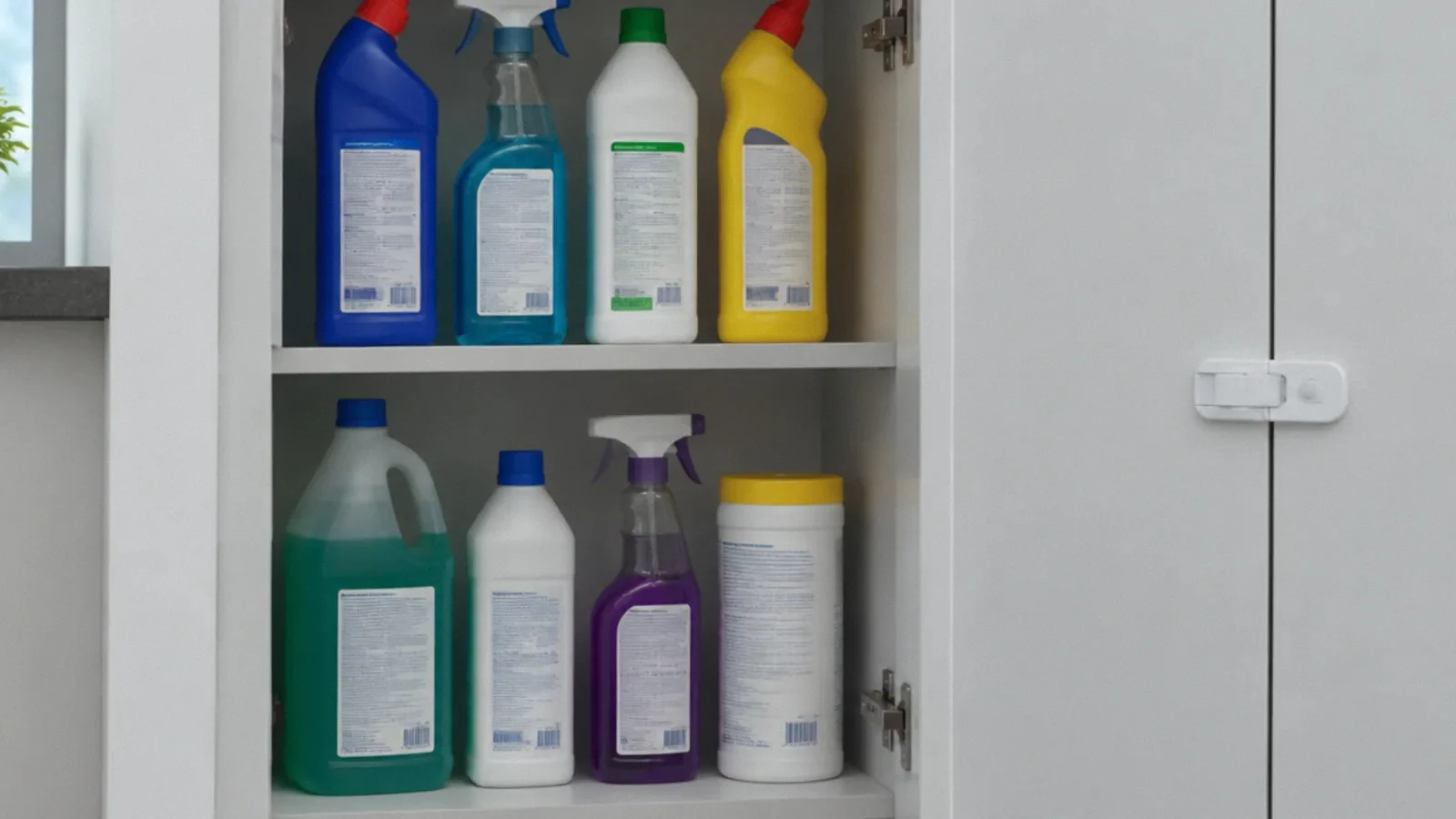
Use only solutions permitted by the cleaner and item manufacturers. Follow the label for dilution, ventilation, protective equipment and disposal. Never mix cleaning chemicals or pour a solvent into a machine unless its instructions specifically allow that use.
Keep liquids away from electrical controls and use a stable, appropriate workspace. Do not put hands into an operating bath. Follow the equipment instructions for switching off, unplugging, draining and cleaning the tank; dispose of used solution according to its contents and local rules.
Noise and workplace conditions
OSHA notes that equipment producing ultrasound can also create audible subharmonic noise. Workplace exposure and controls depend on the machine and conditions. Follow the employer’s hazard assessment, equipment instructions and any applicable hearing-protection requirements.
A lid can serve functions specified by the equipment maker, but its presence is not proof that every hazard has been controlled. Avoid splashing and follow procedures for potentially contaminated objects. Specialized laboratory and healthcare work requires its own validated controls.
Ultrasonic cleaning after property damage
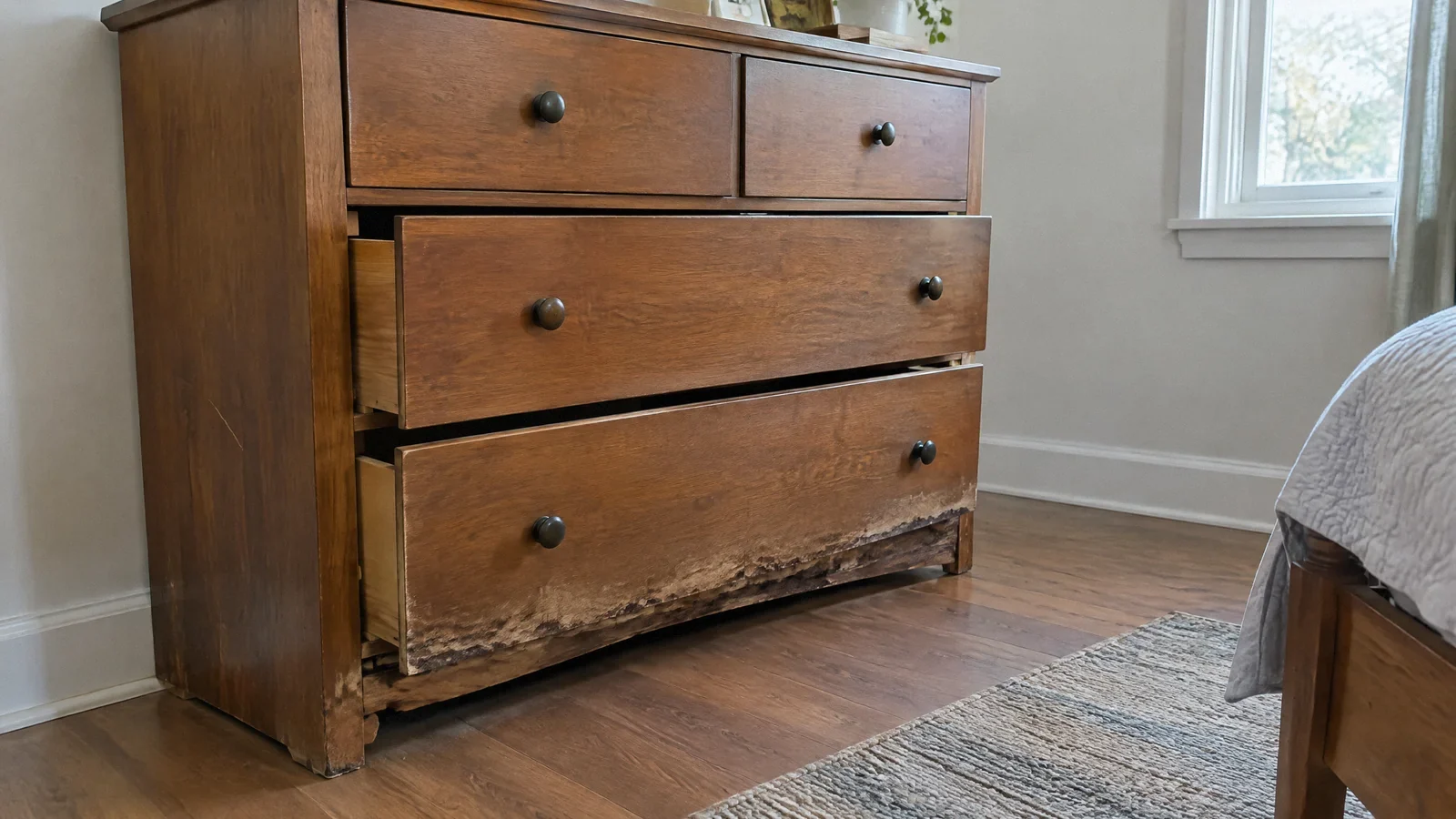
A restoration specialist may use an ultrasonic process for certain compatible small contents after a loss, but not every smoke- or water-damaged object can be immersed. The material, contamination, finish and sentimental value affect whether the method is appropriate.
Ask the provider what will be tested, whether an item can be damaged, how used solution is handled and whether cleaning is separate from disinfection or restoration. Do not assume that a successful result on a metal tool predicts the result for electronics, artwork or a family heirloom.
Questions before buying or hiring
For a device, check tank dimensions, approved liquids, power requirements, controls, maintenance and the types of objects the manufacturer supports. Compare these with the item instructions rather than selecting solely by an advertised power or frequency.
For a service, request an itemized scope, handling procedure and limitations. Ask how fragile parts will be protected, whether a test is possible and what happens if cleaning does not remove a stain. A responsible provider should not promise that every item can be restored.
Your next-step checklist
- Check the item and machine instructions.
- Use only an approved solution and loading method.
- Keep hands out of an operating bath.
- Treat cleaning and sterilization as separate processes.
- Seek specialist advice for fragile or contaminated items.
Related questions
What does ultrasonic cleaning do?
Sound energy in a liquid creates cavitation that can help remove some particles from compatible surfaces.
Does an ultrasonic cleaner sterilize instruments?
Not by itself. Healthcare devices require the complete validated reprocessing process applicable to the item.
Can every object go in an ultrasonic cleaner?
No. Some materials, coatings, stones and electronics can be damaged by immersion or vibration.
Can a used cleaning solution contain contamination?
Yes. CDC notes that used ultrasonic solutions can contain bacteria; follow the relevant procedure and disposal instructions.
Sources & context
Public guidance supports the principles in this article. The practical questions and examples are editorial interpretation, not a site assessment or a coverage decision. State-specific rules apply only where identified.
- CDC: Cleaning before disinfection and sterilizationfederal infection control guidance
- OSHA: Noise and ultrasoundfederal worker safety guidance
- FDA: Ultrasound in food, drug and device industriesfederal technical reference