A dark patch does not identify a particular mold, and symptoms alone cannot prove mold caused a dog’s illness. Contact a veterinarian about changes in breathing, skin or behavior; seek emergency care for severe symptoms. If a pet ate moldy food, call a veterinarian immediately because ingestion is a separate, potentially urgent exposure.
Color cannot diagnose an exposure
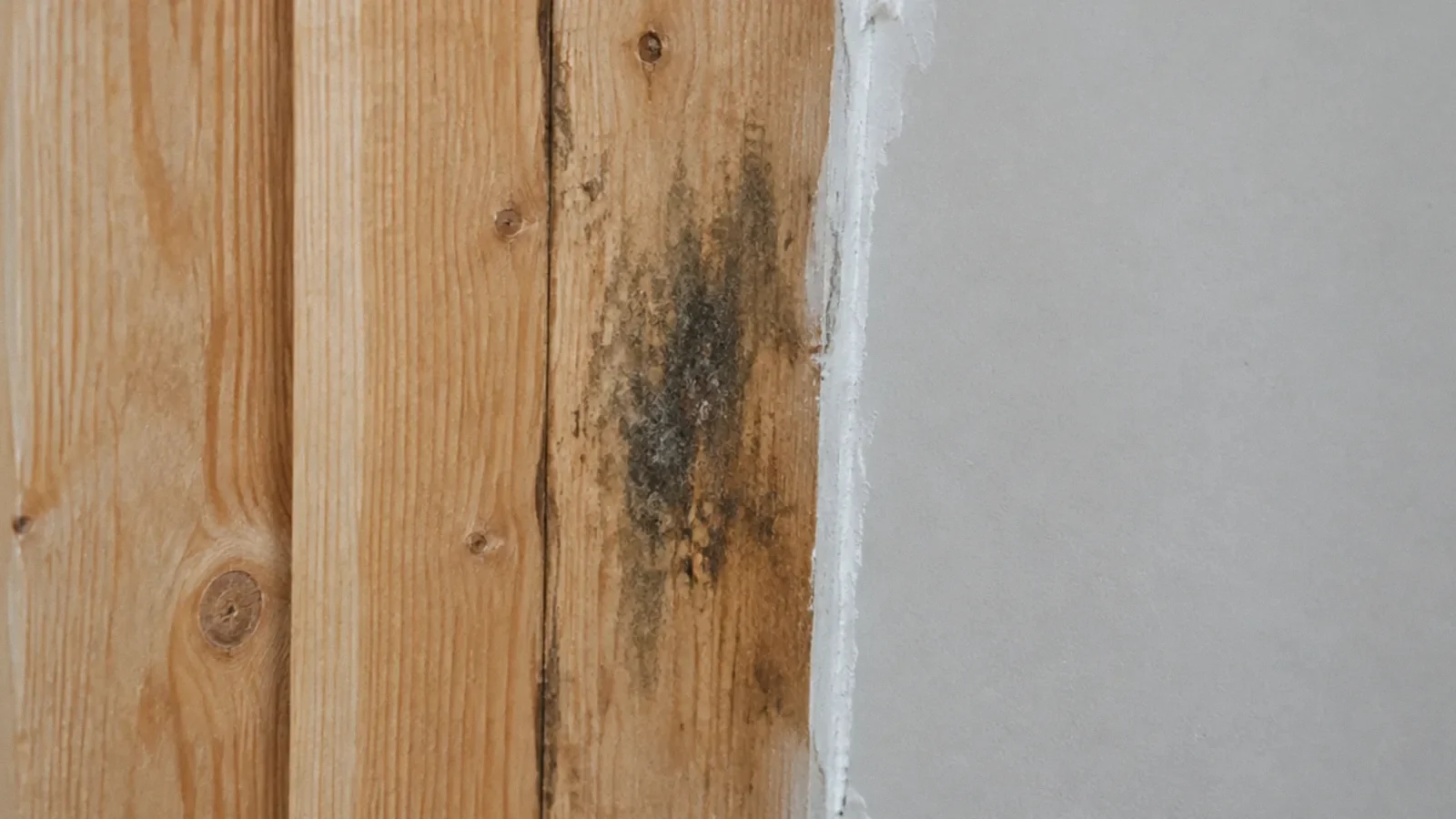
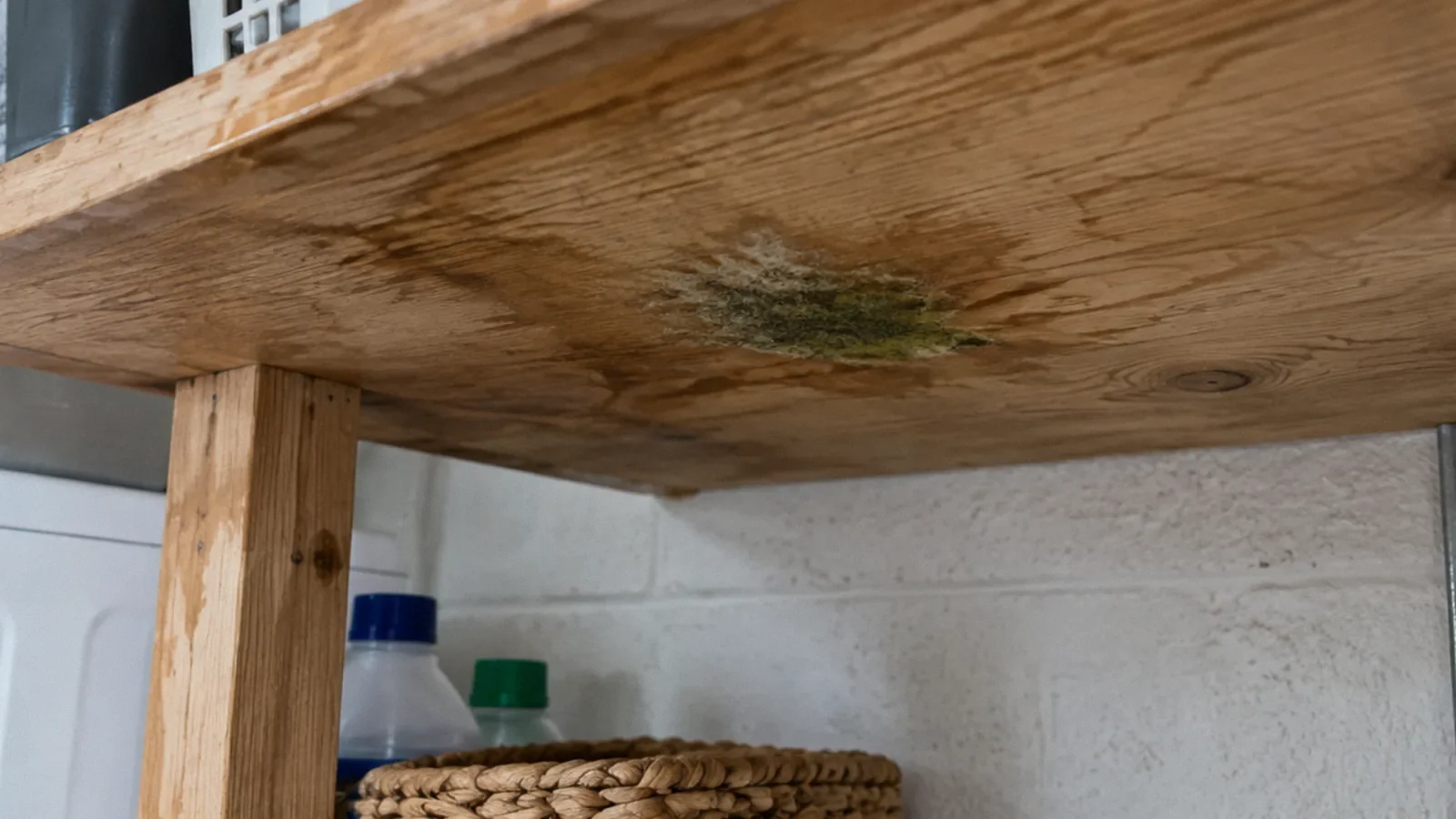
Many kinds of mold can appear dark, and non-mold stains may look similar. The color of a wall or a photograph cannot identify a species or determine a pet’s exposure. Avoid treating every dark mark as proof of a specific toxin or using an online symptom list to diagnose an animal.
Move pets away from the affected area without disturbing suspect material. Arrange assessment of persistent moisture and clean or remove affected materials as appropriate. Address the animal’s health and the building problem as separate decisions.
Changes to discuss with a veterinarian
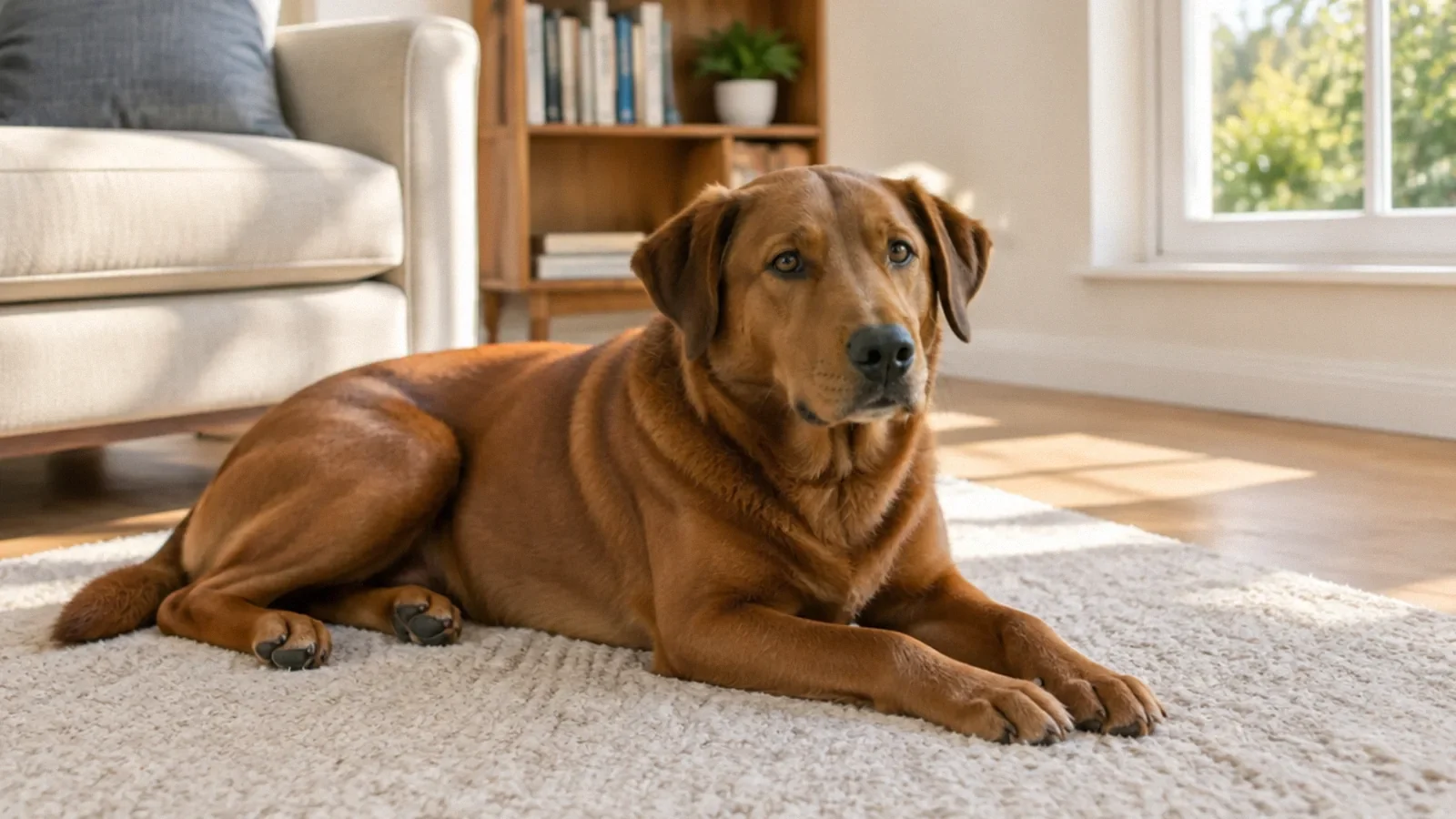
Cornell’s veterinary guidance notes that environmental allergies can be associated with rubbing, scratching or licking, and lists mold among possible environmental triggers. Many other causes can produce similar signs, so a veterinarian needs a history and examination to determine the next step.
Report when the changes began, which rooms the animal uses, recent food or medication changes, other pets’ condition and any known water damage. Do not assume that itching, coughing or fatigue is caused by mold simply because both are present.
When to seek urgent help
Difficulty breathing, collapse, seizures, severe weakness or a rapidly worsening condition require urgent veterinary attention. Call an emergency veterinary clinic while arranging safe transport and follow its directions. Do not wait for a mold test or attempt to treat an emergency with household products.
For ongoing or milder changes, contact the animal’s veterinarian for advice on timing and evaluation. Inform the clinic before arrival if respiratory signs are present so staff can advise on precautions. Only the veterinary professional can assess the individual animal.
Eating moldy food is a different exposure
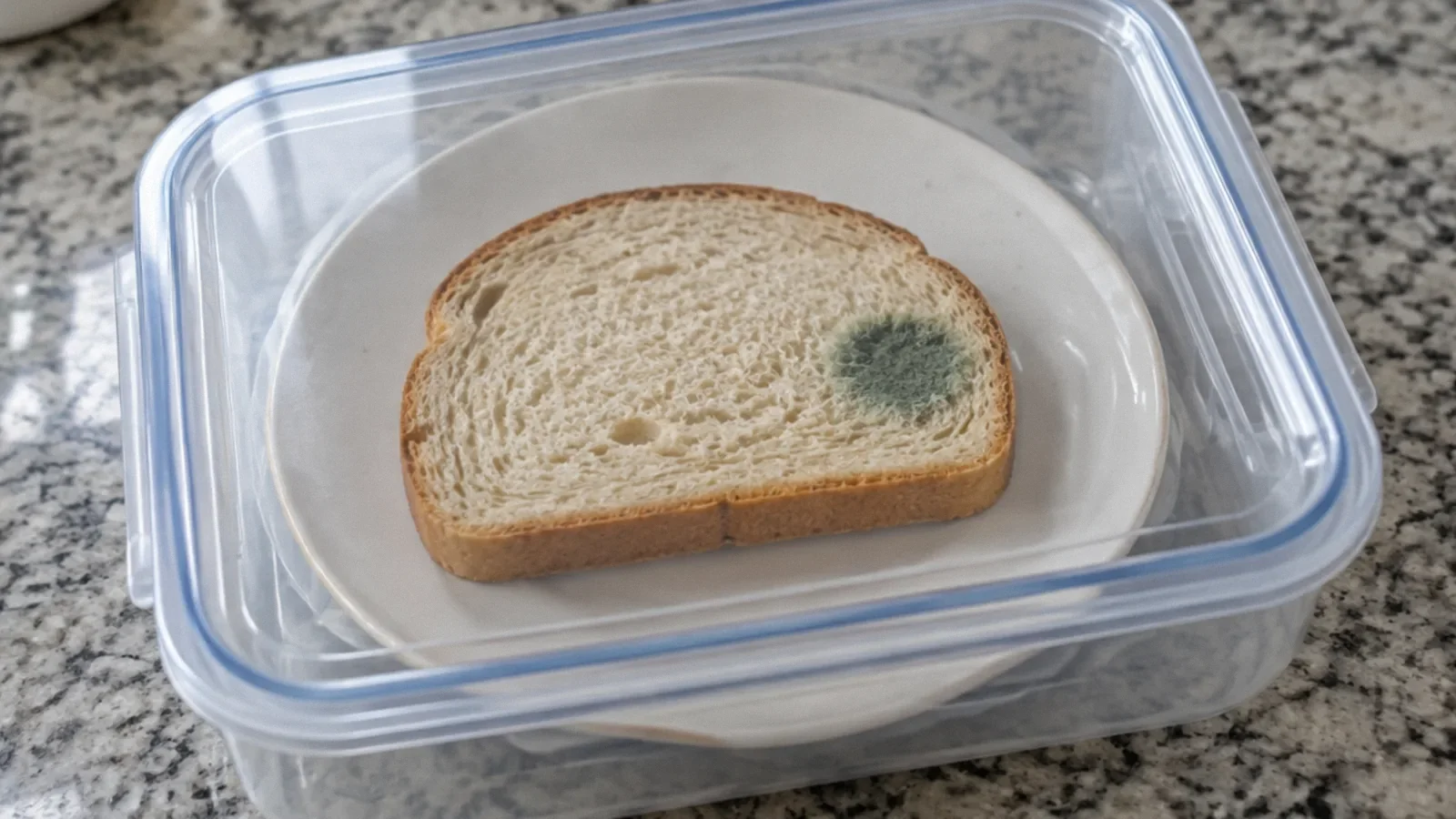
Moldy food, garbage or compost can contain mycotoxins. ASPCA warns that signs after ingestion can develop rapidly and advises contacting a veterinarian or its animal poison control service immediately if a dog eats moldy food. Tremors, seizures and serious illness can require emergency treatment.
Do not assume a symptom list for eating contaminated food describes inhaling mold from a damp wall. Do not induce vomiting or administer medication unless a veterinary professional instructs you to do so. Provide the food description and likely time of ingestion if known.
Prevent contact with damp areas
Keep pets and children away from visible suspect growth, standing water and damaged materials. Close off the room where practical without disturbing the material. Repair the leak or moisture problem; simply painting over a stain or using fragrance does not correct the source.
A small accessible area may be handled using EPA guidance appropriate to the material and situation. Extensive damage, sewage contamination, difficult access or a ventilation system concern may require experienced professionals. Do not place a pet in the area during cleanup or while products are drying.
Cleaning products and pet safety
Use only products appropriate for the surface and follow label directions for ventilation, protective equipment and reentry. Never mix cleaners. Keep containers, cleaning water and discarded materials out of an animal’s reach; ask the product manufacturer or veterinarian when in doubt about exposure.
If an animal may have swallowed or contacted a cleaning chemical, move it away from the source and call a veterinarian or animal poison service promptly. Bring the product label or name if the veterinary team requests it. Do not apply household cleaners to an animal.
Is a test needed?
Testing a wall does not diagnose a dog, and a veterinary evaluation does not replace a building moisture inspection. EPA generally advises that when visible mold is present, sampling is usually unnecessary for deciding to address it. If testing is proposed for a particular reason, ask what decision the result will change.
A veterinarian may consider tests to investigate a dog’s symptoms, including conditions unrelated to mold. Share factual observations rather than a presumed diagnosis, and keep records of the leak, repair and veterinary recommendations.
After the moisture problem is corrected
Confirm that the water source has been repaired and affected materials have been cleaned or replaced as appropriate. A dry-looking paint surface does not prove that concealed materials are dry. Ask the responsible professional what was inspected and when the space can be used again.
Follow the veterinarian’s plan and report persistent or worsening signs. A comfortable, clean area away from the work zone, normal access to water and attention to the animal’s instructions support care while the source is being addressed.
Cats and other pets
Cats and other animals can also be exposed to damp or contaminated material. Remove the animal from the affected area when safe and contact a veterinarian for an assessment specific to its species, exposure and symptoms. Do not infer a diagnosis from a stain or administer treatment without veterinary guidance.
Your next-step checklist
- Keep pets away from damp or visibly affected areas.
- Call a veterinarian about symptoms and seek emergency care for severe signs.
- Treat ingestion of moldy food as a separate urgent concern.
- Do not mix cleaners or use unapproved remedies on animals.
- Fix the building moisture source and follow professional advice.
Related questions
What are the symptoms of black mold exposure in dogs?
There is no symptom that proves exposure to a particular black mold. Itching or respiratory changes can have many causes; consult a veterinarian, and seek urgent care for severe symptoms.
Can a photograph identify toxic mold?
No. Color and appearance cannot reliably identify a species or establish the risk to a particular animal.
What if my dog ate moldy food?
Contact a veterinarian or animal poison service immediately. Serious signs can develop rapidly, so do not wait for them to appear.
Can I use bleach around my dog?
Follow the product label and veterinarian’s advice, keep pets away during application and drying, and never mix bleach with other cleaners.
Sources & context
Public guidance supports the principles in this article. The practical questions and examples are editorial interpretation, not a site assessment or a coverage decision. State-specific rules apply only where identified.
- Cornell University College of Veterinary Medicine: Allergies in petsveterinary guidance
- ASPCA: Dangers of moldy foodveterinary poison guidance
- U.S. EPA: Mold and moisture guidefederal building moisture guidance