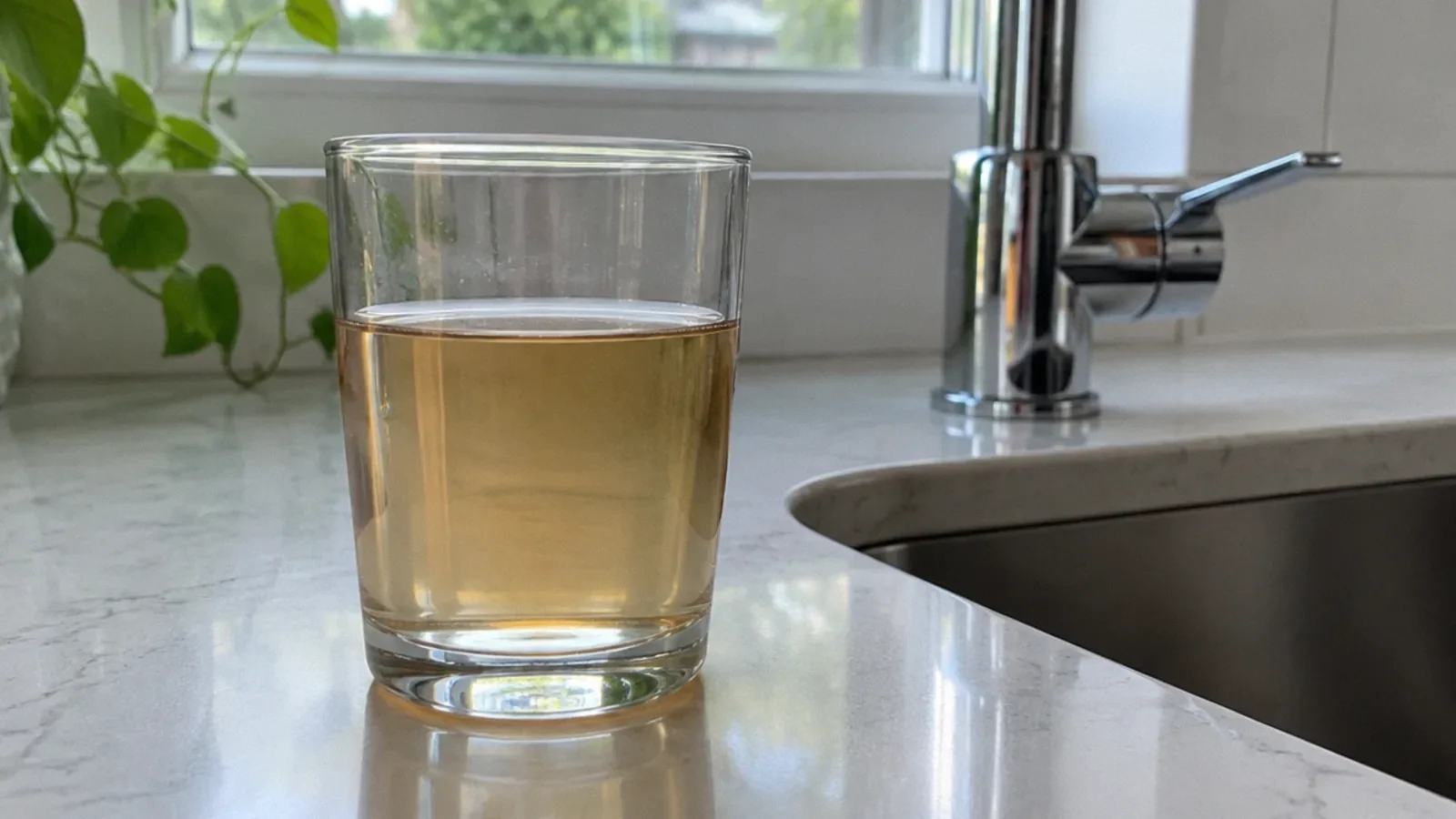
Brown or orange water can have several causes, including disturbed sediment or corrosion, but its color cannot identify the contaminant or prove it is safe. Follow any water utility advisory and contact the provider for instructions. A hot-only or cold-only pattern is useful information for a plumber, not a complete diagnosis.
Start with the water provider’s instructions
If you notice unexpected discoloration, check for a current advisory from your water utility and contact it for guidance. Follow any boil-water, do-not-drink or do-not-use notice exactly; those instructions take priority over a general online guide. For a private well, contact the local health department or a qualified well professional.
Do not assume that brown water is safe because a neighbor has seen a similar color before. Color does not identify the cause or rule out contaminants. If safe water is needed, use an alternative source recommended by the utility or health authority until you understand the situation.
What can make water look brown or orange?
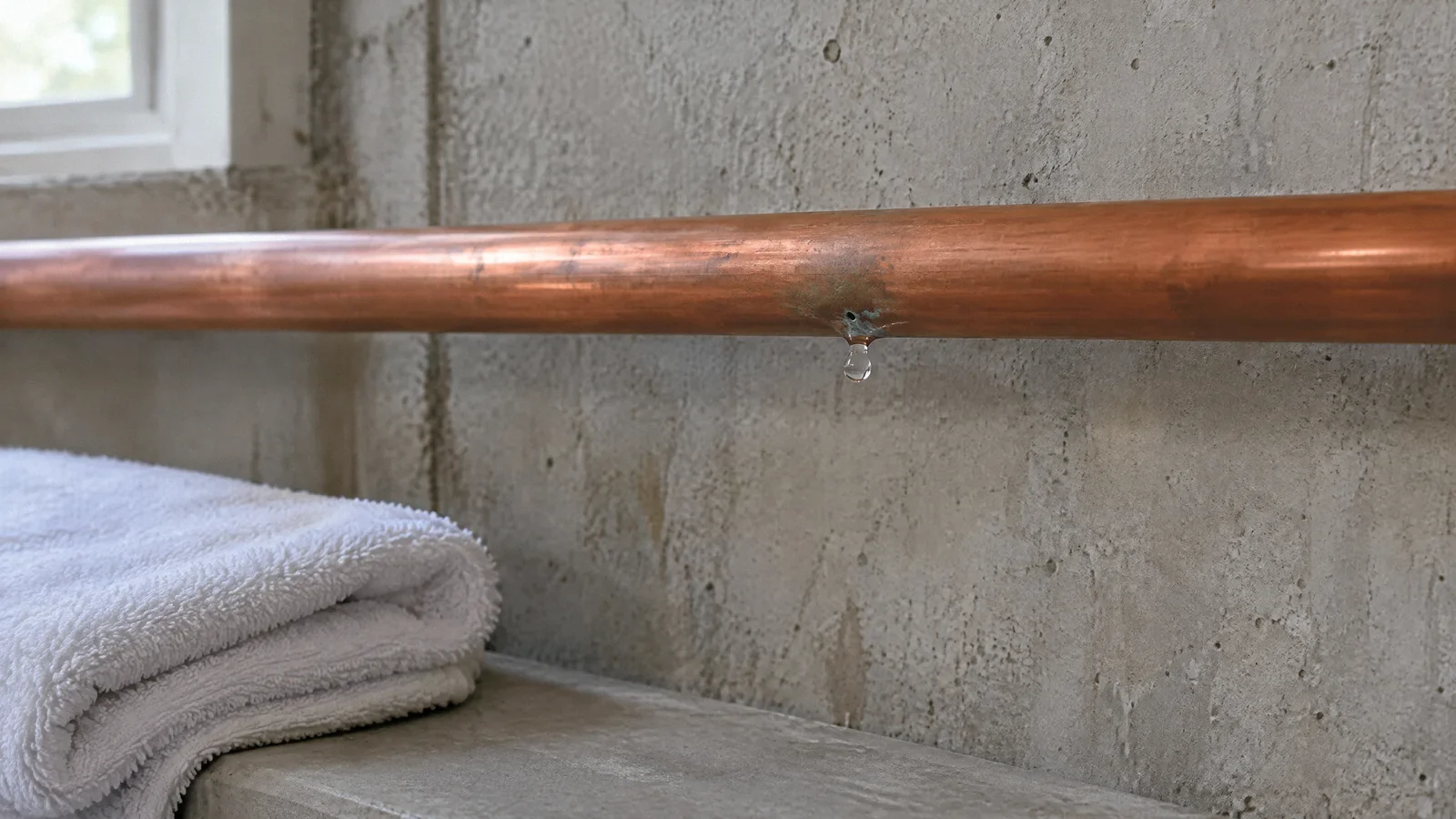
East Bay Municipal Utility District explains that sediment containing iron can be stirred during work on water mains, and that aging galvanized plumbing can also produce reddish-brown particles. Those are examples, not proof of the cause in a particular home. Other water-quality or plumbing conditions are possible.
Note when the discoloration began, recent utility or plumbing work, whether pressure changed and whether several fixtures are affected. Share these observations with the water provider. Avoid using discolored water for laundry because it can stain fabrics.
Compare locations without guessing
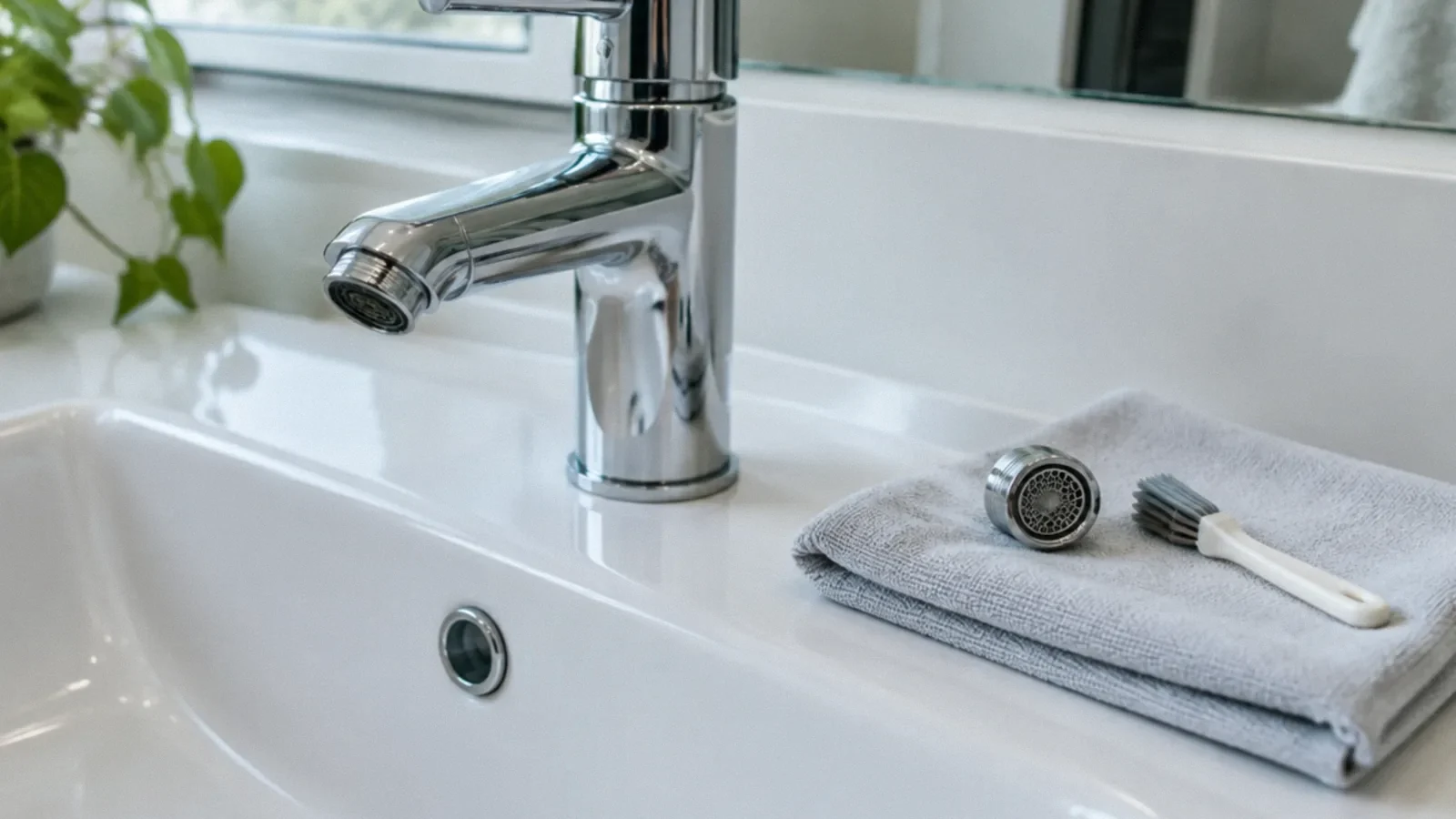
If the provider says it is safe to check, note whether the color appears at one faucet or several, and whether it occurs at a cold or hot setting. A single fixture may point the investigation toward that fixture or nearby plumbing; a wider pattern may call for utility or building-system review. Neither observation establishes the cause alone.
Take a photograph or note the color and time without sampling from an unsafe location. In an apartment or shared building, notify the manager as well. Do not open plumbing, remove a water heater panel or work around wet electrical equipment to make a diagnosis.
Only the hot water is brown
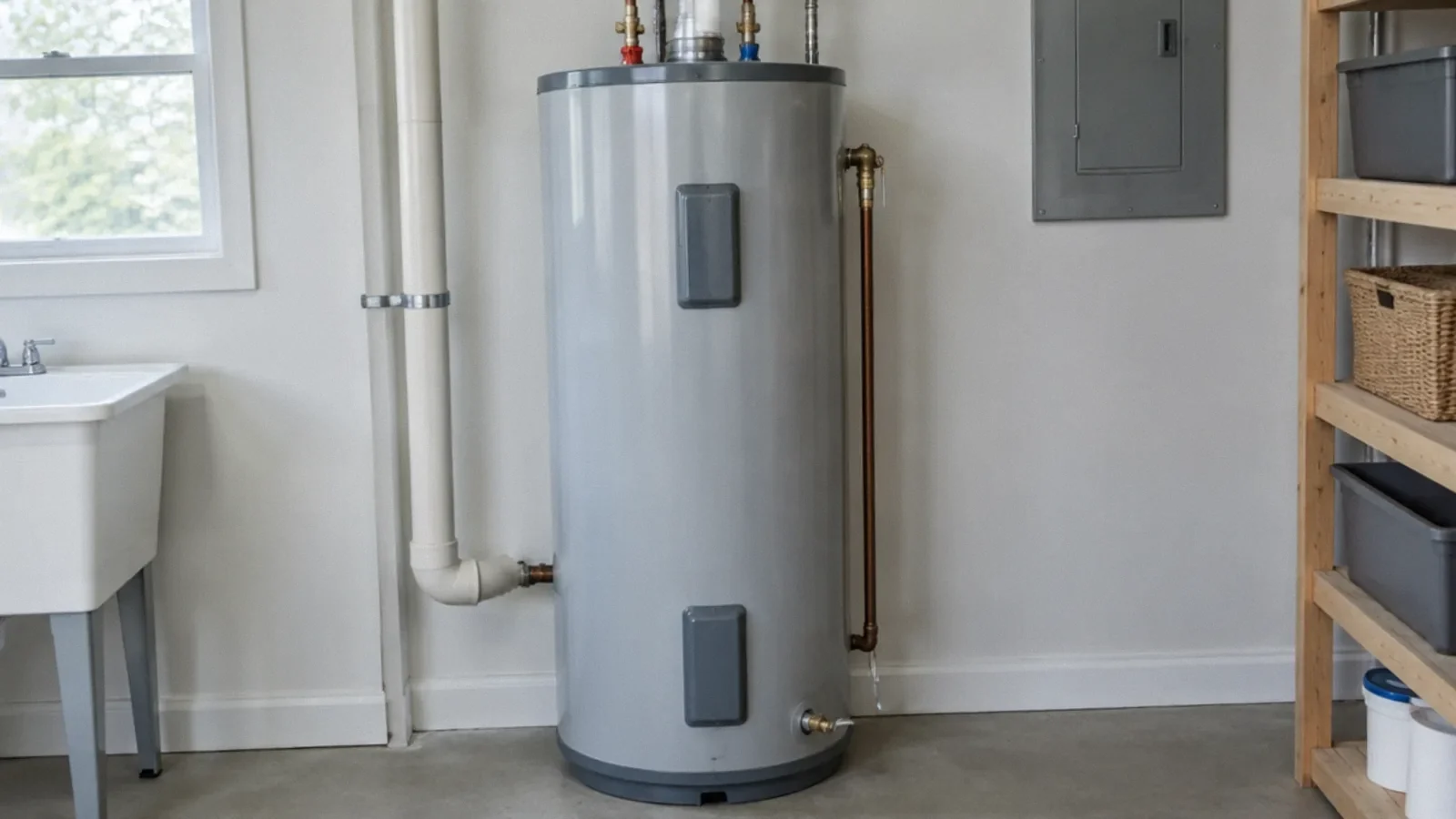
If cold water remains clear while hot water is discolored, the hot-water system or its plumbing may need inspection. Sediment, corrosion or another condition could be involved, but the visible color is not enough to select a repair. Contact an appliance professional or plumber and give the model information if it is safely available.
Do not drain a hot water heater or adjust its controls without following the exact manufacturer instructions and safe procedures. Hot water can burn, and electrical or gas equipment has additional hazards. A qualified technician can determine whether flushing, repair or replacement is appropriate.
Cold water is brown but hot appears clear
A cold-only pattern can be useful for tracing where discoloration appears, but it does not prove that the hot water is safe or identify the responsible pipe. The pattern can change as water moves through the system. Report it to the utility and a plumber, and follow any water advisory.
Do not drink or cook with hot tap water as a workaround. CDC recommends using cold tap water for drinking and cooking because hot water can contain higher levels of lead from plumbing. Boiling water does not remove lead.
Should you run the water?
Some utilities recommend flushing after particular disturbances. EBMUD describes a sequence for sediment-related discoloration in its own service area, but local conditions and advisories differ. Ask your provider whether, where and for how long to run water before doing so.
If a do-not-use order is in effect, follow that order rather than a generic flushing instruction. If discoloration persists or returns, report it and ask whether a service visit, building inspection or water test is appropriate. Do not discharge water into a drain that is already backing up.
Testing and filters
The correct test depends on the suspected source and the question being answered. Ask the utility or local health authority about sampling and a qualified laboratory. A clear appearance or a simple filter is not proof that water meets every drinking-water standard.
If lead or another contaminant is a concern, ask which independently certified filter addresses it and follow the manufacturer’s maintenance instructions. CDC notes that boiling does not remove lead. Do not add household cleaning chemicals to a drinking-water system.
After the problem is corrected
Ask the utility or technician what caused the issue, what was done and whether any additional flushing or testing is needed. Keep service records and note if the color returns. A recurring problem may involve a different fixture or part of the system than the first episode.
If the incident also caused a leak or wet building materials, assess those separately once electrical hazards are controlled. A plumber repairs plumbing; a restoration professional may be needed for affected cabinets, walls or flooring. Notify the property manager or insurer where appropriate.
Black tap water and confirmed repairs
Black or very dark tap water may contain particles or deposits, but color cannot establish their identity or safety. Stop using it for drinking and cooking, report the timing and particles to the utility, and ask whether it is investigating main work or recommends testing. Black water from a tap is not the same as sewage-contaminated flood or backup water; keep away from a sewage backup and seek professional cleanup. See the separate sewage cleanup guide. Once the cause is confirmed, the utility may flush or repair its main; a plumber may repair corroded building pipes, while a water-heater technician may service or replace a failing heater. Ask the responsible professional which remedy and follow-up testing apply to your system.
Your next-step checklist
- Check and follow the local water advisory.
- Contact the utility or well professional about unexpected discoloration.
- Record whether the problem affects hot, cold or multiple fixtures.
- Use a safe alternative source until advised otherwise.
- Do not assume color, boiling or an ordinary filter proves water safety.
Related questions
Why is my tap water brown or orange?
Possible causes include disturbed sediment or corrosion, but color alone cannot identify the source. Contact the water provider and follow its instructions.
Why is only my hot water brown?
The hot-water system or its plumbing may need inspection, but the color does not establish a specific fault. Contact a qualified plumber or appliance professional.
What if cold water is brown but hot water is clear?
Tell the utility and a plumber about the pattern. It is a clue, not proof of safety or the location of the problem.
Will boiling brown water remove lead?
No. CDC says boiling does not remove lead. Follow the water provider’s advice and use a suitable safe source.
Why is tap water black?
Dark water can have different causes, including disturbed deposits or a plumbing issue; color alone does not identify the substance or establish safety. Stop using the affected water for drinking or cooking, contact the water utility, and follow its instructions.
Sources & context
Public guidance supports the principles in this article. The practical questions and examples are editorial interpretation, not a site assessment or a coverage decision. State-specific rules apply only where identified.
- EBMUD: Water quality frequently asked questionslocal utility guidance
- CDC: Preventing waterborne germs at homefederal public health guidance
- CDC: Lead in drinking waterfederal public health guidance
- California State Water Resources Control Board: Drinking waterstate drinking water resources