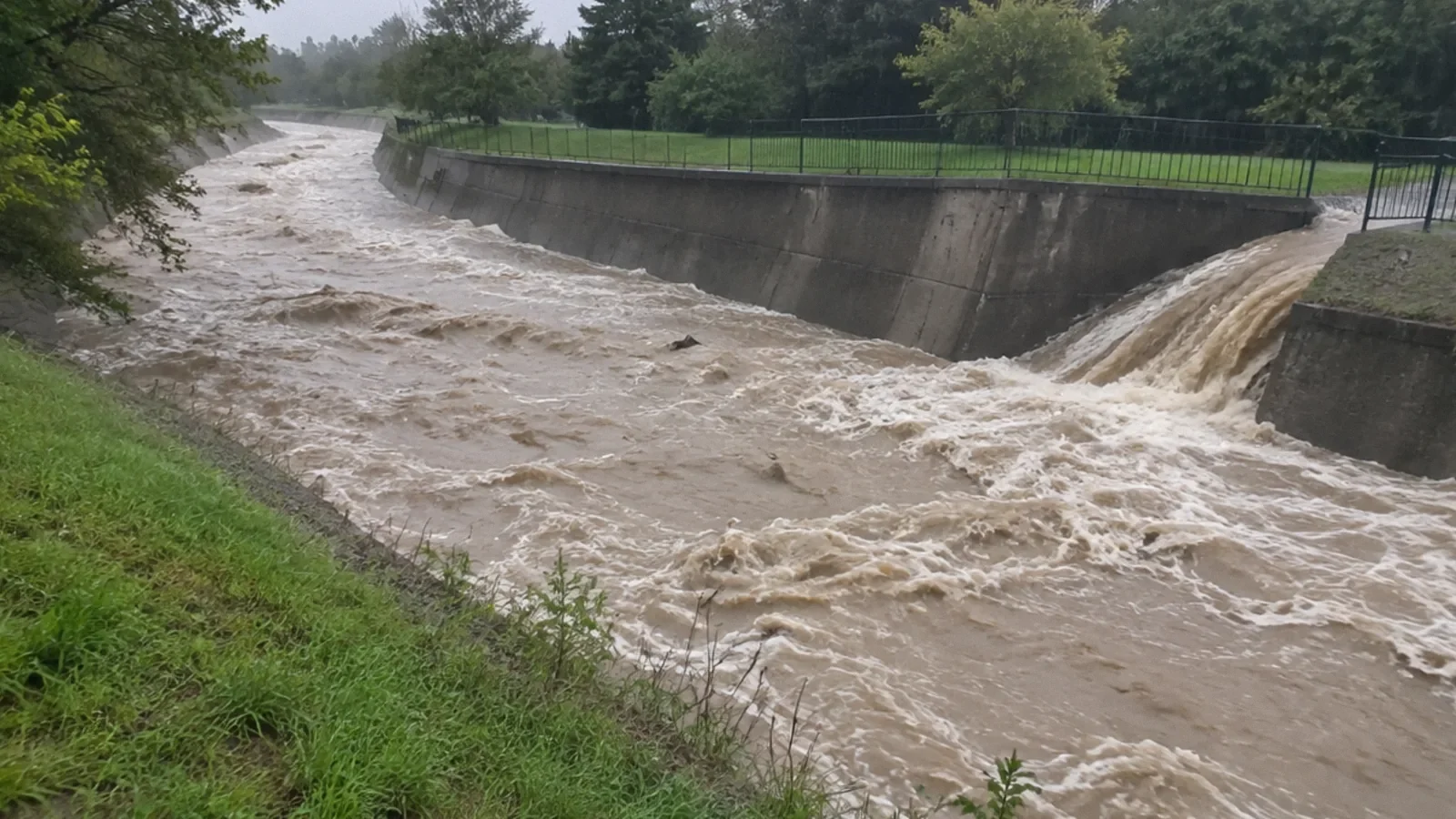
A flash flood is a rapid, dangerous rise or flow of water that can occur after intense rain, a dam failure or another event. The National Weather Service generally describes onset within six hours, although local thresholds vary. Move to higher ground when directed and never walk or drive through floodwater.
What does flash flood mean?
The National Weather Service describes a flash flood as rapid, extreme water flow into a normally dry area or a rapid rise in a stream. It often begins within hours of the event that caused it. The exact time threshold can vary by region, so the definition is not a guarantee of how much time you will have.
A flash flood can happen in a city, near a creek, in a canyon or downstream from a dam. Water can rise where little rain is falling at that moment because the upstream drainage area received heavy rain. Follow local alerts and conditions.
What can cause one?
Intense rain over a short period can produce runoff faster than the ground and drainage systems can absorb or carry it. The National Weather Service also identifies dam failure and ice jams among possible causes. Existing flooding can intensify quickly when new rainfall produces a rapid surge.
Topography, soil moisture, pavement, vegetation and storm location influence the response. A recent wildfire can change how a watershed responds to rainfall. These factors are not a substitute for an official forecast or a site-specific hazard assessment.
Watch, warning and emergency
A flash flood watch means conditions are favorable, but flooding is not certain or necessarily imminent. A flash flood warning means dangerous flooding is occurring, imminent or highly likely. Follow the exact message for your location rather than waiting to see water at the door.
An emergency message may describe an exceptionally dangerous situation. Have more than one way to receive official warnings, know routes to higher ground and follow local evacuation instructions. If directed to leave, do so promptly by a route officials say is safe.
Never enter floodwater
Do not drive around barricades or walk into flooded roads. The road surface can be damaged or missing beneath the water, and depth and current are difficult to judge. The National Weather Service says even six inches of fast-moving water can knock an adult down.
Do not treat that number as a safe depth. Avoid all floodwater: vehicles can be swept away, and water can conceal debris, electricity, contamination or an open drain. If a route is flooded, turn back and choose another safe route.
At home, at work or outdoors
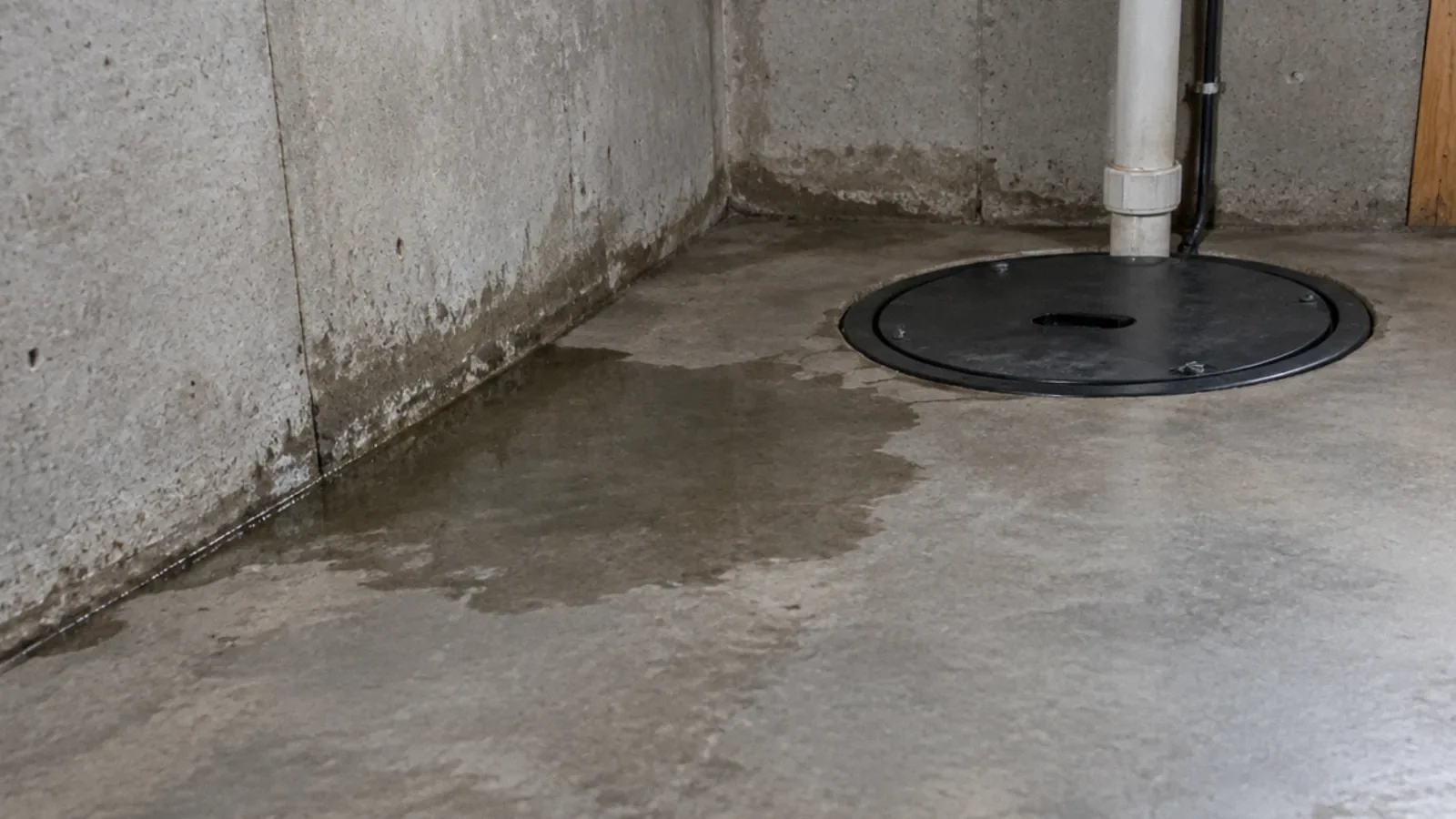
Move away from low-lying areas, drains, streams and underpasses when flooding threatens. In a building, follow the local emergency plan and move to a higher level if directed. Do not enter a flooded basement where electrical equipment or outlets may be submerged.
If trapped, call 911 and follow the dispatcher’s instructions. Do not enter a closed attic without a way out. The right action depends on your location and the warning, so prepare before water rises and follow local responders.
After the water recedes
Return only when officials say the area is safe. Floodwater can carry sewage, chemicals and debris, and a building may have damaged utilities or structural hazards. Stay away from downed power lines and do not turn on equipment that has been wet until qualified personnel assess it.
Document damage when safe and contact the relevant insurer or property manager. A flood policy and a homeowners policy may address different causes. Use appropriate professional help for contaminated materials, extraction and drying.
Ten useful flash flood facts
These points summarize the general hazard; a local warning and official instructions always control.
- A flash flood can begin rapidly after intense rainfall.
- A dam failure or ice jam can also trigger rapid flooding.
- Water can rise downstream even when rain is not falling there.
- Urban pavement can increase runoff into drains and streams.
- A watch indicates favorable conditions, not a guaranteed event.
- A warning calls for immediate attention to the affected area.
- A road hidden by water may be damaged beneath the surface.
- Six inches of fast-moving water can knock an adult down.
- Floodwater can contain debris, sewage or electrical hazards.
- Official local alerts and evacuation routes matter more than a general timeline.
Prepare before the next storm
Know whether your home, workplace and regular routes have low-water crossings or other local flood exposure. Sign up for local emergency alerts and keep essential medicines, documents and supplies ready according to your household plan. Make arrangements for pets and anyone who needs help evacuating.
Review insurance with the provider before a loss, including whether separate flood coverage is appropriate. An online hazard map or historical event does not guarantee that a specific location will or will not flood.
Your next-step checklist
- Monitor official local alerts and evacuation instructions.
- Move away from low areas and toward higher ground when directed.
- Never walk or drive into floodwater or around barricades.
- Stay away from wet electrical equipment and downed lines.
- Return only when authorities say it is safe.
Related questions
What is a flash flood?
It is a rapid, dangerous rise or flow of water, often beginning within hours of intense rain or another triggering event.
How fast can a flash flood occur?
It can develop in minutes or hours. The National Weather Service generally uses a six-hour onset definition, with local variation; do not wait for that interval to pass.
Can a flash flood occur without rain at my location?
Yes. Heavy rain upstream can send water into an area where it is not currently raining.
Is six inches of moving water safe to walk through?
No. The National Weather Service warns that six inches of fast-moving water can knock an adult down. Avoid entering floodwater.
Sources & context
Public guidance supports the principles in this article. The practical questions and examples are editorial interpretation, not a site assessment or a coverage decision. State-specific rules apply only where identified.
- National Weather Service: Flash flood glossaryfederal weather guidance
- National Weather Service: Flood safetyfederal flood safety guidance
- National Weather Service: Flash flood definitionfederal weather guidance
- CDC: Flood safetyfederal public health guidance