Commercial grease traps and interceptors capture fats, oils, grease and solids before wastewater enters the sewer. They need maintenance suited to their size, use and local requirements. Arrange qualified service, keep records and never enter an interceptor or dispose of its contents into a drain.
What a grease trap does
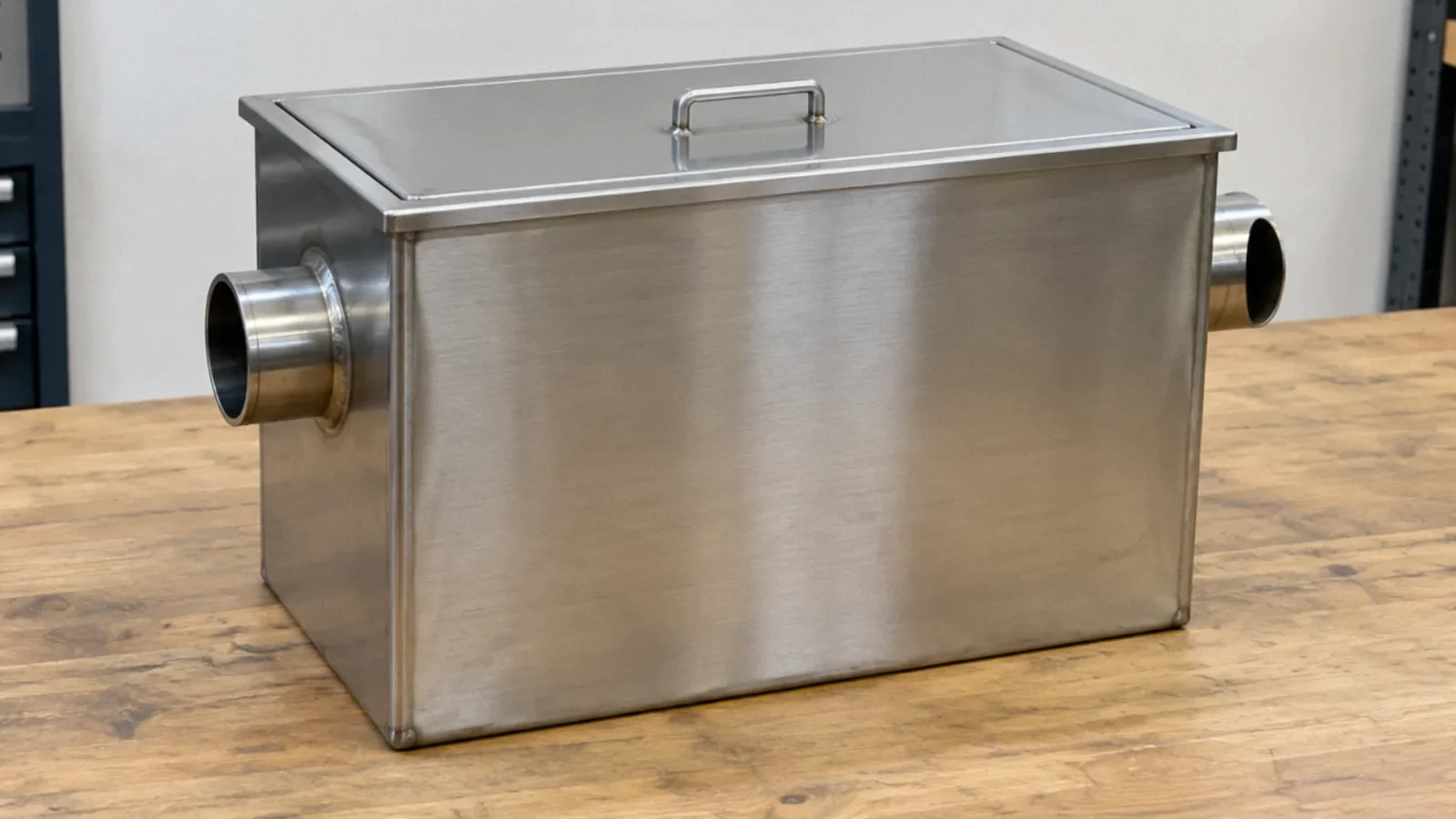
A grease trap or interceptor separates and retains part of the fats, oils, grease and solids in wastewater before discharge to the sewer. EPA notes that food-service establishments can use these devices along with kitchen practices to reduce grease entering collection systems. The equipment must be appropriately designed, installed and maintained to work as intended.
No trap makes it acceptable to pour large quantities of oil into a sink. East Bay Municipal Utility District advises keeping cooking fats and oil out of drains because they can contribute to blockages and sewage backups. Follow the local sewer agency’s rules and the equipment instructions.
Under-sink traps and larger interceptors
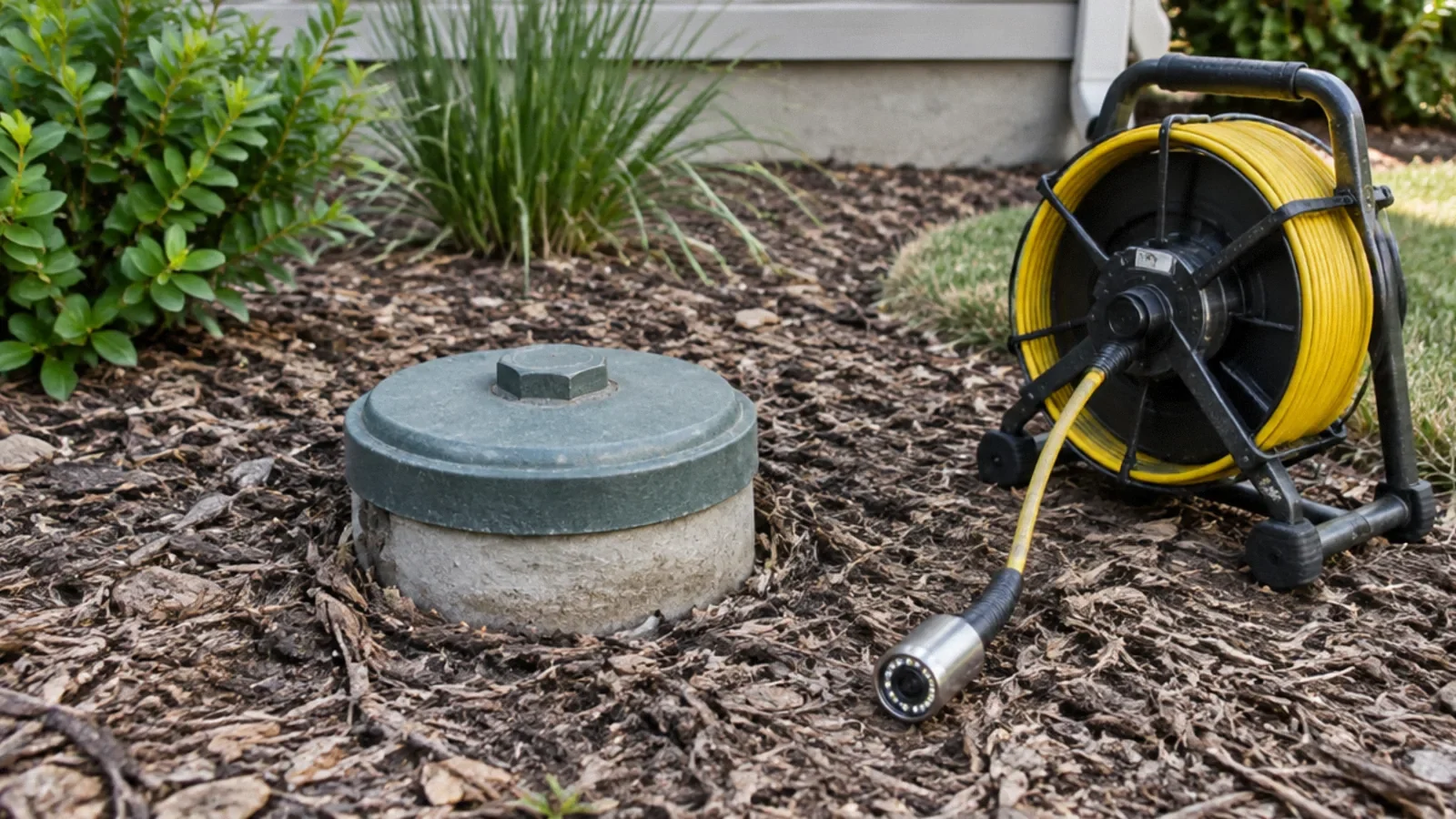
An under-sink grease trap is a compact unit connected to designated fixtures; a larger interceptor may serve a broader set of kitchen fixtures and may be located outside. Exact configurations, capacity and access vary. Do not assume that every sink or appliance is connected to the same device.
A unit needs appropriate sizing and safe access for inspection and cleaning. In Palo Alto, published commercial guidance addresses accessibility and certain installation details, but it is location-specific and may be revised. Confirm the current requirements with the authority that serves the actual restaurant.
How often is cleaning needed?
There is no universal interval that fits every restaurant. The required schedule can depend on the device, grease accumulation, kitchen volume, permit and local sewer authority. A small heavily used trap may need attention more often than a larger unit; the correct schedule must be determined for the actual site.
Record service dates and observations and adjust frequency when the operator or authority identifies excessive buildup or recurring problems. Do not wait for a backup as the only sign that maintenance is needed. Ask the local authority and service provider how they determine the appropriate interval.
What a cleaning service should include
Ask a qualified provider to identify the device, describe how its contents will be removed and explain how baffles, accessible components and the outlet will be checked. For a larger interceptor, confirm the service method and whether all compartments are addressed. Work should follow the manufacturer’s instructions and applicable local requirements.
The provider should explain where the removed material goes and supply an itemized service record. Do not assume that adding a chemical or enzyme replaces required cleaning. EPA cautions that some additives can move grease downstream rather than remove it from the sewer system.
Safety around the equipment
Wastewater and accumulated grease can expose workers to contamination, and a heavy lid or wet floor can cause injury. Keep the work area controlled, use appropriate protective equipment and avoid food-contact contamination. Follow the employer’s procedures and the service provider’s safety plan.
Never enter a grease interceptor, tank or similar confined space to inspect or clean it. Hazardous atmospheres can be fatal; confined-space work requires trained personnel and applicable safety procedures. If there is an immediate danger or suspected hazardous gas, leave and call emergency services from a safe location.
Logs, hauling and local rules
Keep the date, location, service company, work performed, quantity removed when reported, disposal documentation and any identified defects. EBMUD provides a sample grease trap maintenance log and directs businesses to their local sewer agency for requirements. Keep records for the period required by that authority.
A service provider’s invoice alone may not include every detail needed for a permit or inspection. Ask about documentation, waste transportation and disposal requirements before scheduling. Rules and approved haulers differ by jurisdiction; verify the current requirements instead of assuming one Bay Area rule applies everywhere.
Prevent clogs between service visits
Train staff to scrape food scraps into the appropriate waste container before washing and collect cooking oil for approved disposal or recycling. Keep strainers and spill procedures consistent with local rules. Avoid washing grease into the drain with hot water or products marketed as a substitute for physical removal.
Watch for slow drainage, unusual odors, repeated overflows or visible leakage, but do not diagnose the cause from a smell alone. Stop using affected fixtures if wastewater backs up, keep people away from contamination and call the appropriate plumber, maintenance provider or sewer agency.
Compare service proposals
Request a written scope, schedule, total price, access and cleanup provisions, disposal documentation and an explanation of additional charges. Confirm whether the quote covers an under-sink trap, outdoor interceptor, all chambers and any downstream line work. Related installation or repairs may be priced separately.
Ask about disruption to kitchen operations, safe reentry, emergency response and what happens if damaged components are found. A cheap visit that does not cover the actual equipment or required disposal records is difficult to compare with a complete service.
Servicing a compact unit where permitted
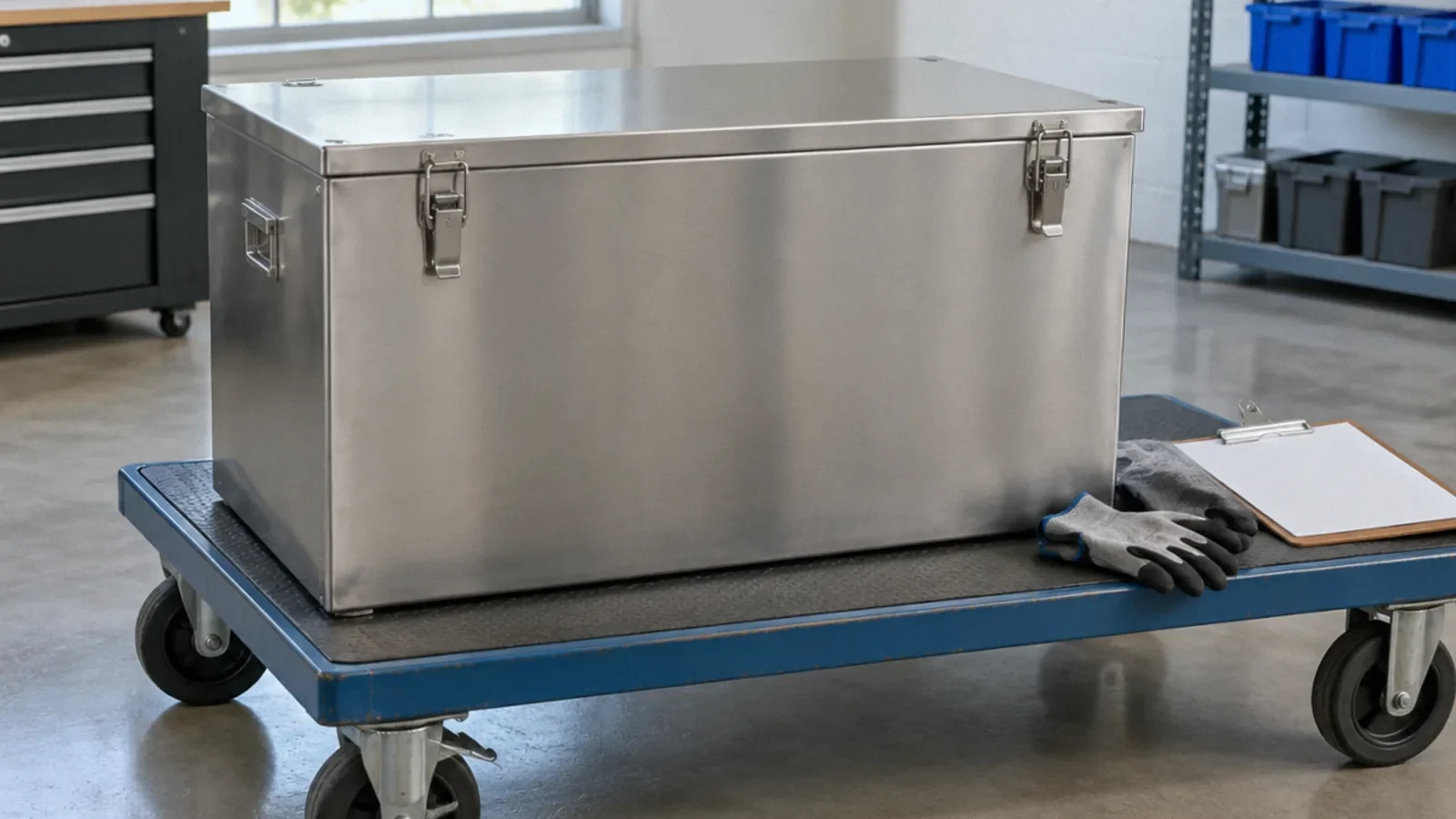
First confirm that local sewer rules and the equipment manual allow trained employees to service this model; some jurisdictions require an authorized hauler. Schedule work when fixtures are out of use, use the designated protective equipment, and protect the surrounding floor and food areas. Never enter an interceptor or put your head into an opening; confined spaces and gases can be deadly.
A trained person follows the manufacturer’s sequence to open the accessible compact unit, remove and collect accumulated grease and solids in approved containers, clean accessible components, inspect baffles and seals, and reinstall them correctly. Follow the manual and local rules for any refill or operational check. Record the date, quantity, destination and receipt, and arrange approved collection; do not send grease or washings to a storm drain. Stop and call a qualified service for a damaged unit, unsafe access or unclear disposal rules.
Your next-step checklist
- Keep cooking oil, grease and food scraps out of drains.
- Confirm device type and local maintenance requirements.
- Use qualified service and never enter an interceptor.
- Keep cleaning and disposal records.
- Stop using fixtures during a wastewater backup and arrange help.
Related questions
How often should a restaurant grease trap be cleaned?
The interval depends on the device, use, grease accumulation and local requirements. Confirm the schedule with the local sewer agency and a qualified provider.
Can an employee clean an under-sink grease trap?
Whether in-house cleaning is allowed depends on the equipment, local rules, training and disposal arrangements. Follow the employer’s procedures and never enter a tank or confined space.
Do enzymes replace grease trap pumping?
Do not assume so. Check local requirements; EPA cautions that some additives can move grease downstream rather than remove it.
What records should a restaurant keep?
Keep service dates, work performed, provider and disposal information, along with any additional records required by the local authority.
Sources & context
Public guidance supports the principles in this article. The practical questions and examples are editorial interpretation, not a site assessment or a coverage decision. State-specific rules apply only where identified.
- EBMUD: Fats, oils, grease and commercial resourceslocal utility guidance
- U.S. EPA: Controlling fats, oils and grease from food servicefederal wastewater guidance
- U.S. EPA and Water Environment Federation: Grease trap maintenancefederal wastewater guidance
- City of Palo Alto: Grease and oil interceptorslocal historical installation guidance