The total depends on the interceptor type and capacity, location, plumbing, excavation, permits and maintenance. One California pricing guide published in August 2026 gives $250–$2,500 or more for equipment and $1,000–$5,000 or more for installation; these are illustrative estimates, not a Bay Area bid. Ask the local wastewater authority and qualified contractors for a project-specific scope.
What a grease trap or interceptor does
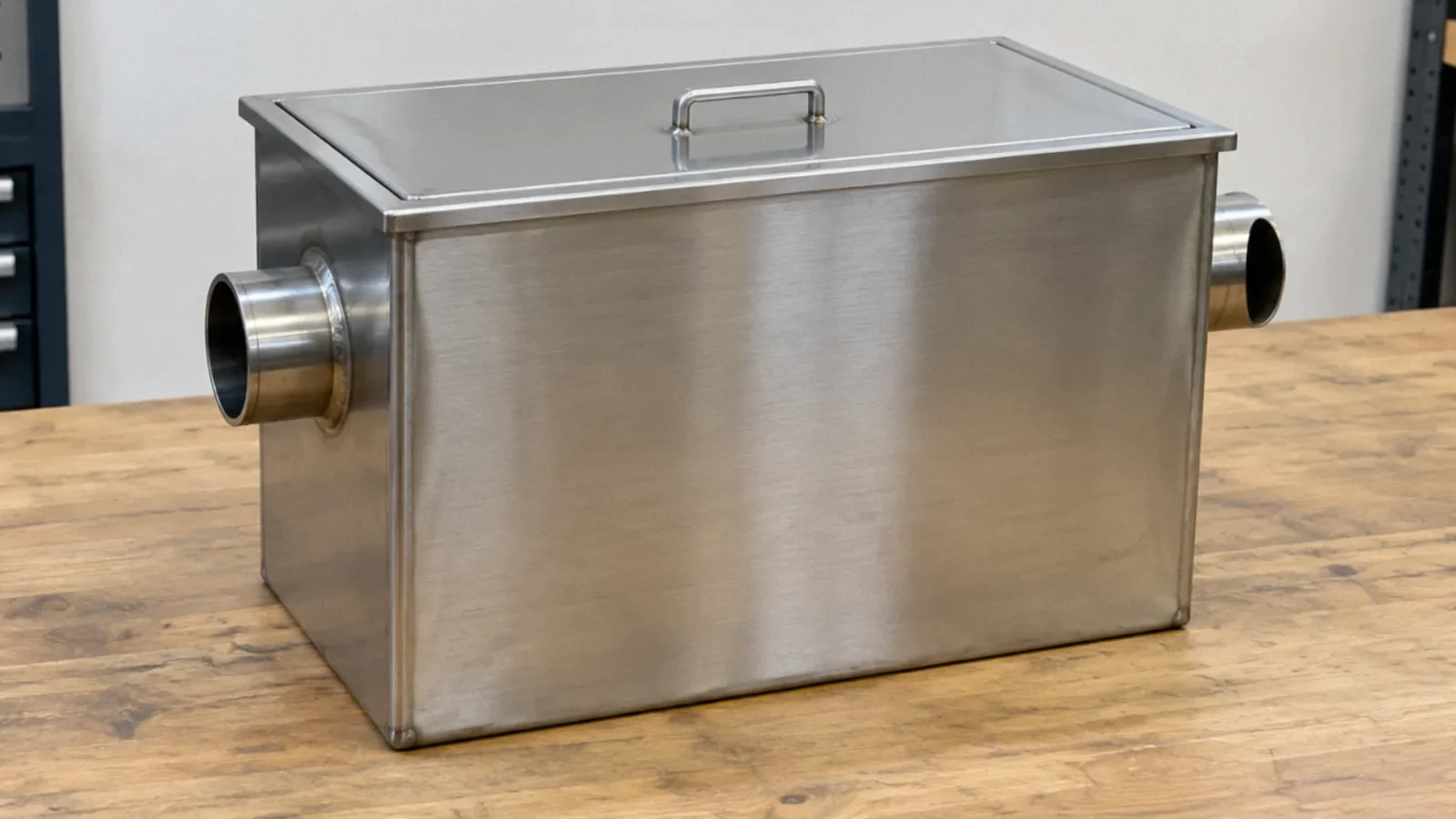
A grease interceptor separates and retains some fats, oils and grease from food-service wastewater before it reaches the sewer. EPA notes that food establishments can use these devices and other best practices to reduce grease discharges that contribute to blockages. The required equipment and maintenance depend on the local authority and facility.
The terms grease trap and grease interceptor are sometimes used differently for compact indoor and larger systems. Ask the wastewater authority and designer which type, capacity, location and fixtures are required for the actual kitchen rather than choosing solely by a generic price.
A starting point for equipment and installation
A California pricing guide dated August 18, 2026 lists an illustrative equipment range of $250–$2,500 or more and installation of $1,000–$5,000 or more, depending on the system and work. These are estimates from one guide, not verified Bay Area contractor quotes or a ceiling on complex projects.
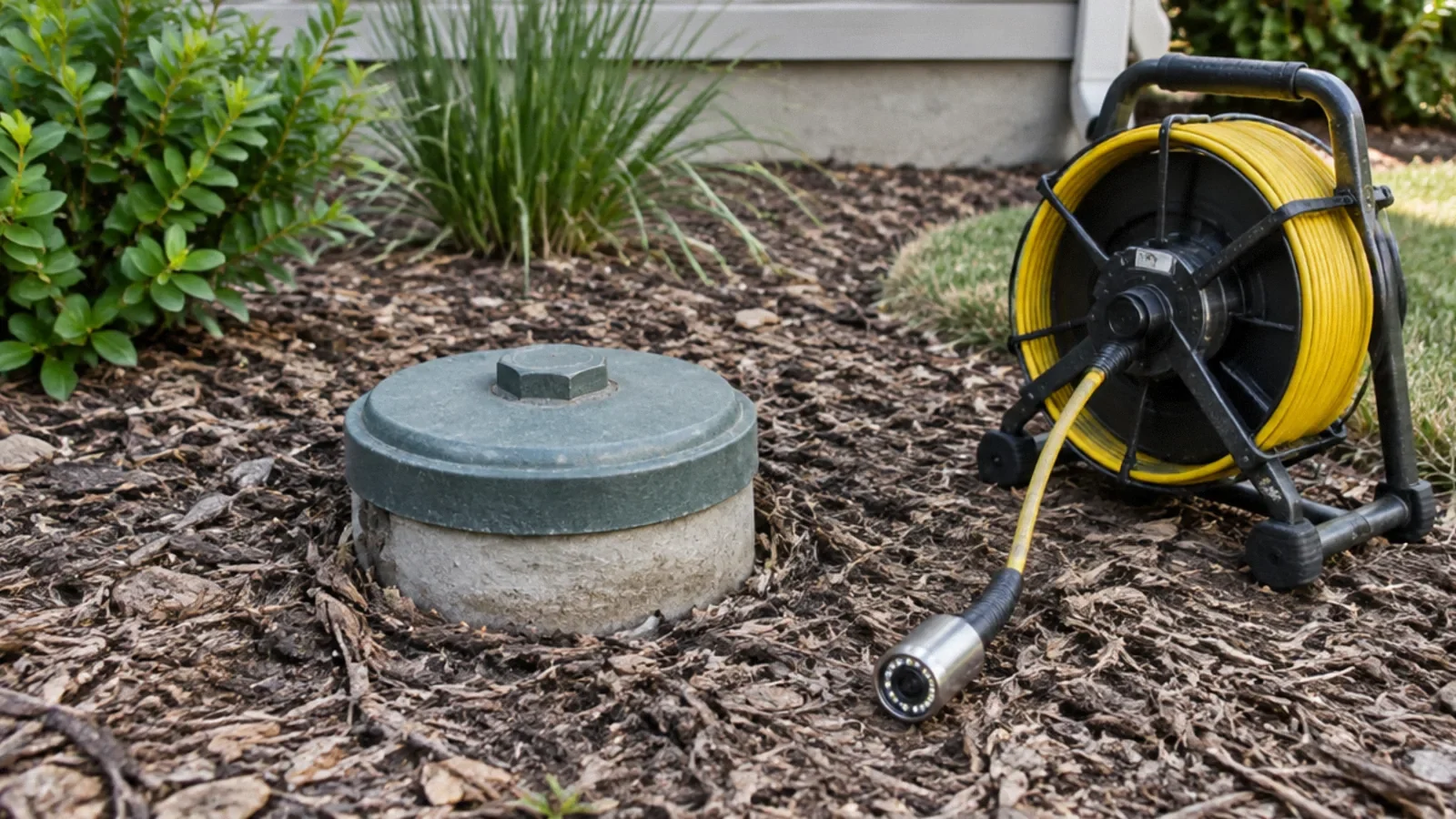
An outdoor in-ground interceptor may involve excavation, access, utility conflicts, concrete restoration and additional design. Equipment-only pricing is not the installed cost. Obtain multiple written local bids after the authority confirms the applicable requirements.
Indoor versus outdoor installations
A compact unit may be installed near fixtures where permitted, while a larger interceptor may be located outside or below ground. The choice depends on required capacity, available space, accessibility, ventilation, local rules and the facility’s operation. A smaller unit is not automatically acceptable simply because it fits under a sink.
Outdoor work can involve saw cutting, excavation, traffic protection and restoring paving. Indoor work can still require difficult plumbing changes, downtime or access modifications. Ask each bidder to identify the exact equipment, installation location and included site work.
Sizing and local approval
The local wastewater authority or building department may specify sizing, connected fixtures, access, permits and inspections. Requirements differ by jurisdiction and can depend on the kitchen’s use. Do not rely on a national rule of thumb or a supplier’s catalog alone to determine compliance.
Provide the designer with the fixture list, expected operations and site conditions. Ask who prepares plans, submits applications and pays permit or review fees. A qualified commercial plumber or engineer can coordinate the design and installation with the relevant authority.
Plumbing and site work
An estimate may need to include existing drain modifications, venting, access covers, excavation, concrete or pavement repair, electrical work for any associated equipment and disposal. The actual scope varies with the approved design. Utility conflicts and limited access can materially change the cost.
Call 811 before excavation and obtain required permits. Do not enter an interceptor or other confined space or attempt work involving sewage without the appropriate training and protection. A qualified contractor should identify and manage site hazards.
Maintenance and operating costs
The initial installation is only part of the cost. Grease must be removed and disposed of in accordance with local requirements, and the cleaning frequency depends on the system, use and authority. EPA emphasizes routine maintenance so the device continues to control grease.
Ask service providers for a written price, expected frequency, disposal documentation and any charges for difficult access or emergency service. Keep maintenance records as required. Do not assume an additive eliminates the need for cleaning or satisfies a local rule.
How to compare bids
Compare the same approved capacity, equipment type and connected fixtures. Check whether bids include equipment, labor, plans, permits, excavation, restoration, startup and inspection. Ask whether the price assumes work outside business hours or a shutdown of the kitchen.
Identify exclusions and how unforeseen conditions will be priced. A low equipment price can become an expensive installation if it excludes concrete work or required upgrades. Request a schedule, payment terms and warranty in writing.
Plan a realistic budget
Use published ranges only as a starting point. The age of the estimate, local labor, accessibility, system capacity and design can create large differences. Lake County, California publishes a separate average for a new-construction gravity interceptor, illustrating that cost depends on type and location; it is not a Bay Area quote.
Before committing to a lease or renovation budget, contact the local authority and obtain site-specific proposals. Keep installation and recurring maintenance as separate budget lines. If requirements or prices are uncertain, ask for the assumption and supporting scope in writing.
Your next-step checklist
- Confirm requirements with the local wastewater authority.
- Compare approved capacity and installation location.
- Separate equipment, labor, permits and site restoration.
- Budget for routine cleaning and disposal.
- Get written local bids for the actual project.
Related questions
How much does a grease trap cost?
Equipment and installation vary widely. An August 2026 California guide lists $250–$2,500 or more for equipment and $1,000–$5,000 or more for installation, but a project-specific local bid is needed.
Does the equipment price include installation?
Not necessarily. Ask whether plumbing, excavation, permits and surface restoration are included.
Does a grease interceptor need cleaning?
Yes. Routine maintenance and appropriate disposal are needed; the schedule depends on the system and local requirements.
Can I choose the smallest trap to save money?
Only if it meets the actual facility’s approved requirements. Ask the local authority and qualified designer before selecting equipment.
Sources & context
Public guidance supports the principles in this article. The practical questions and examples are editorial interpretation, not a site assessment or a coverage decision. State-specific rules apply only where identified.
- EPA: Controlling grease from food-service establishmentsfederal wastewater guidance
- Lake County, California: Installation costscounty guidance
- GreaseTrapPath: California grease trap cost, August 18, 2026California cost estimate
- EPA: Grease interceptor operationfederal wastewater guidance