For a small household spill that is safe to approach, identify the liquid, keep it out of drains and use an appropriate absorbent. Industrial and marine spills require trained responders and may require reporting; contact emergency services for immediate danger and the National Response Center or local authorities for environmental releases.
Identify the spill and immediate hazards
Cooking oil, used motor oil, fuel and an unknown chemical do not have identical hazards or disposal requirements. Keep children and pets away and prevent slips. If oil is hot, allow it to cool before attempting cleanup; if there is fire, smoke or an immediate threat, leave and call emergency services.
Do not handle an unknown substance just because it looks oily. A large spill, strong fumes, risk of ignition or oil reaching a drain or waterway requires appropriate professional or emergency assistance. Follow local reporting instructions.
Keep oil out of drains
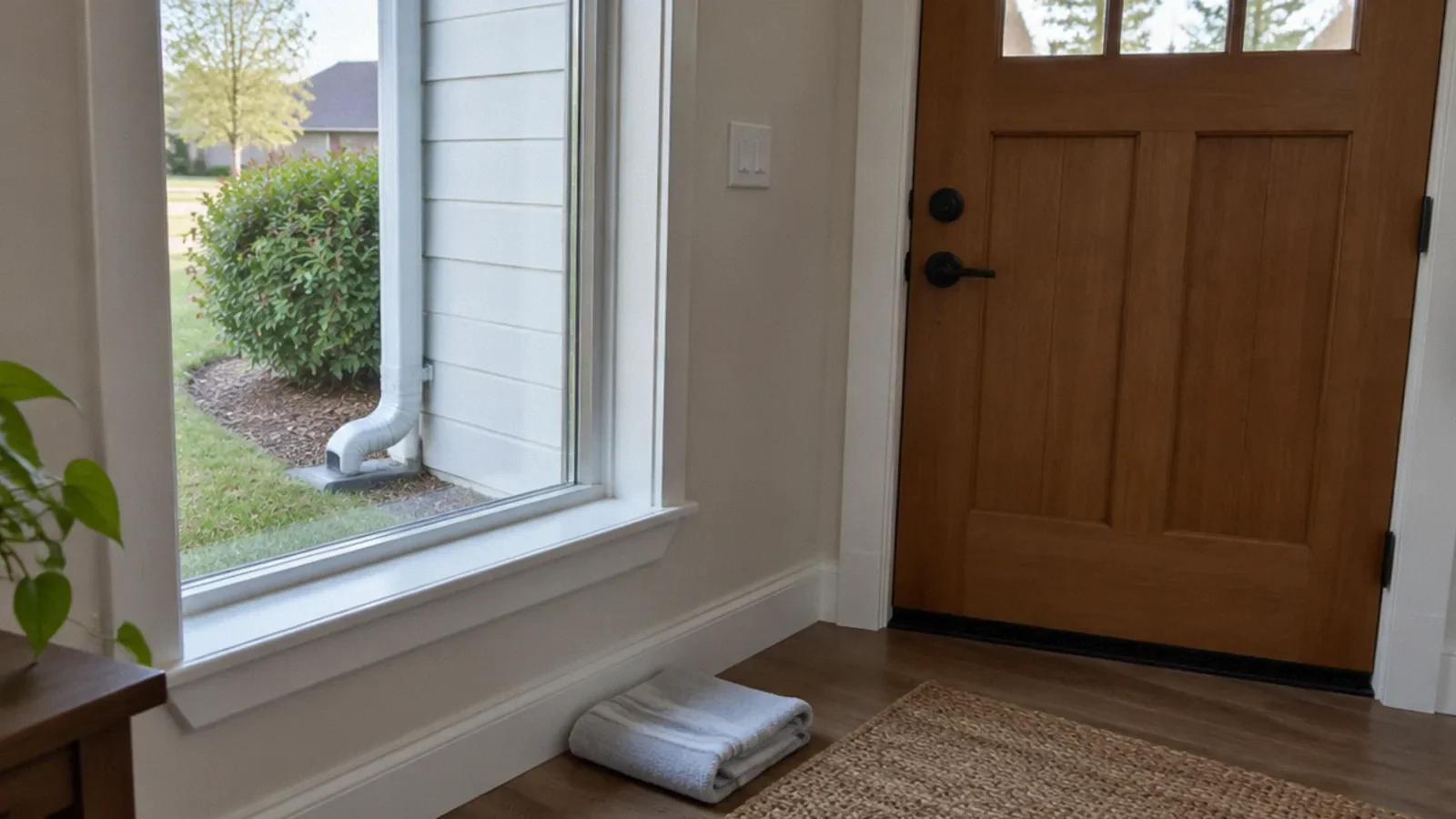
EPA advises against pouring oil, gasoline and other household chemicals into household or storm drains. Cooking grease can also contribute to sewer blockages. Do not hose a driveway spill into the street or wash a kitchen spill down the sink.
If a spill is spreading toward a storm drain, keep away from hazards and contact the local authority or emergency response service for guidance. Do not enter traffic, water or a confined space to try to contain it. A major spill needs trained responders.
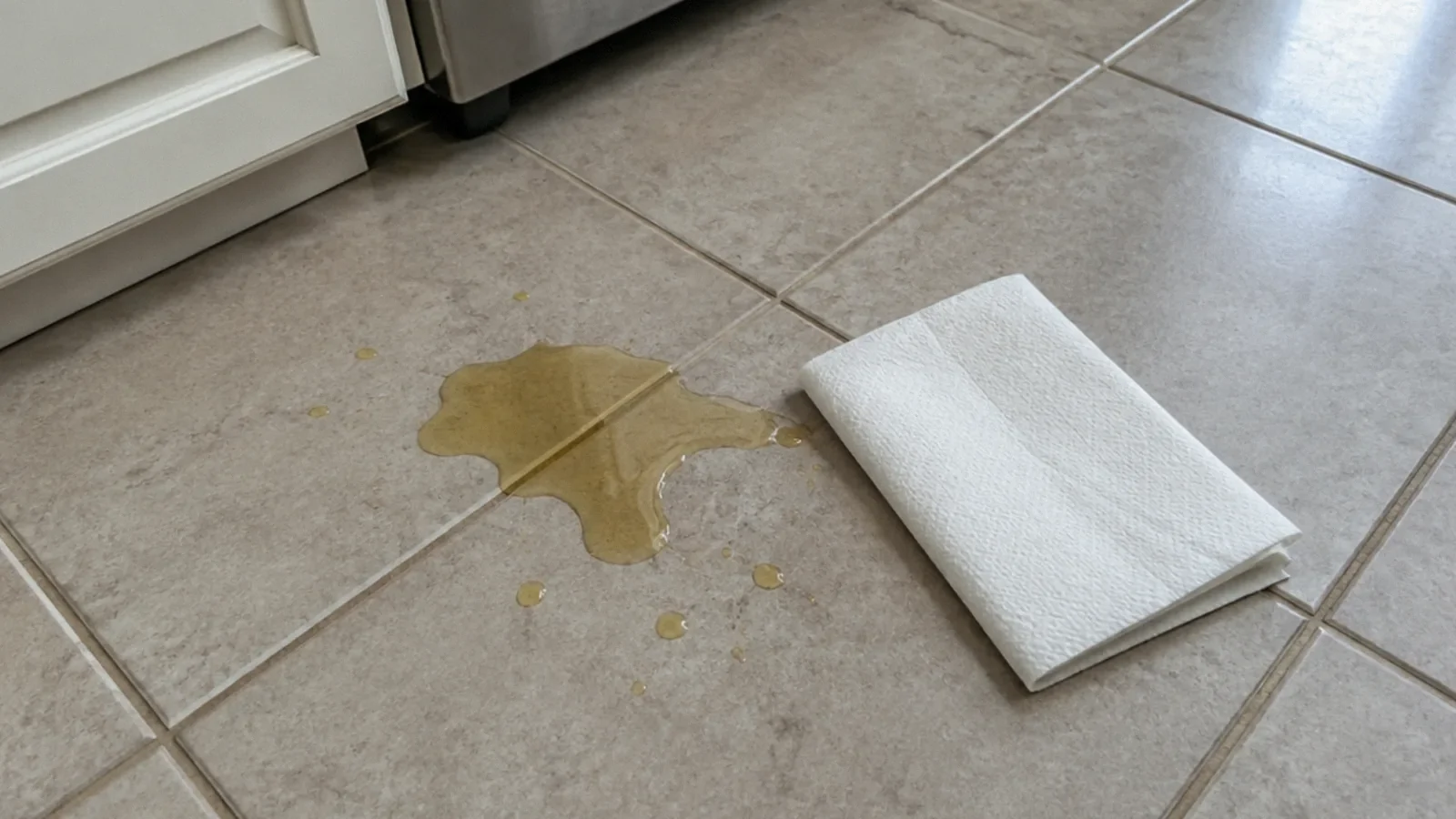
A small cooking oil spill on a hard floor
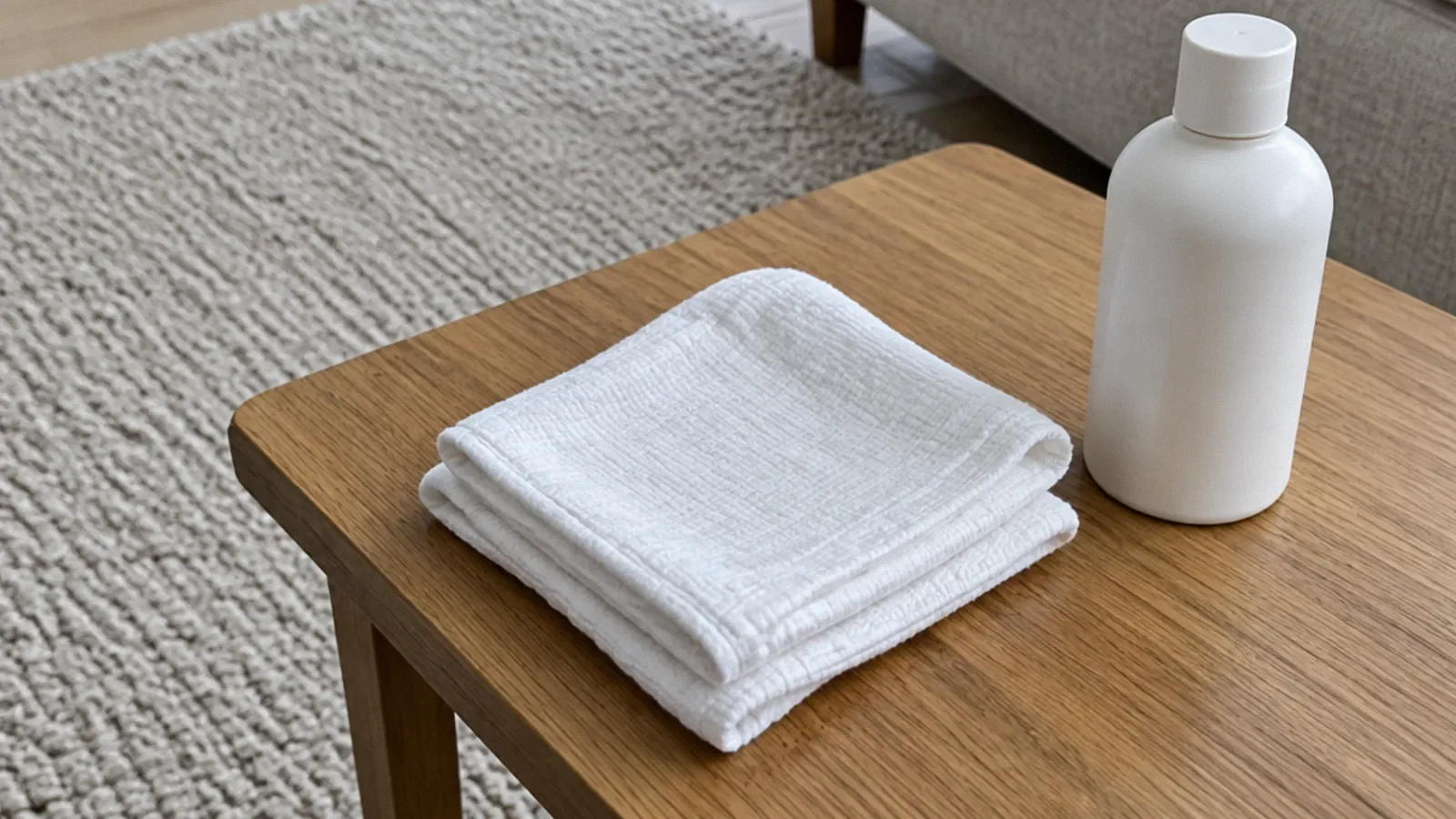
Once the oil is cool and the area is safe, use an absorbent material suitable for the surface to lift the bulk without spreading it. Place used material in a suitable container and follow the local waste agency’s directions. Keep the area blocked until the floor is no longer slippery.
Clean remaining residue with a product approved for the floor, following its label, then dry the surface. Do not mix cleaners or use an abrasive that damages the finish. Test a product in an inconspicuous area and avoid pushing liquid into seams.
Cooking oil on carpet or upholstery
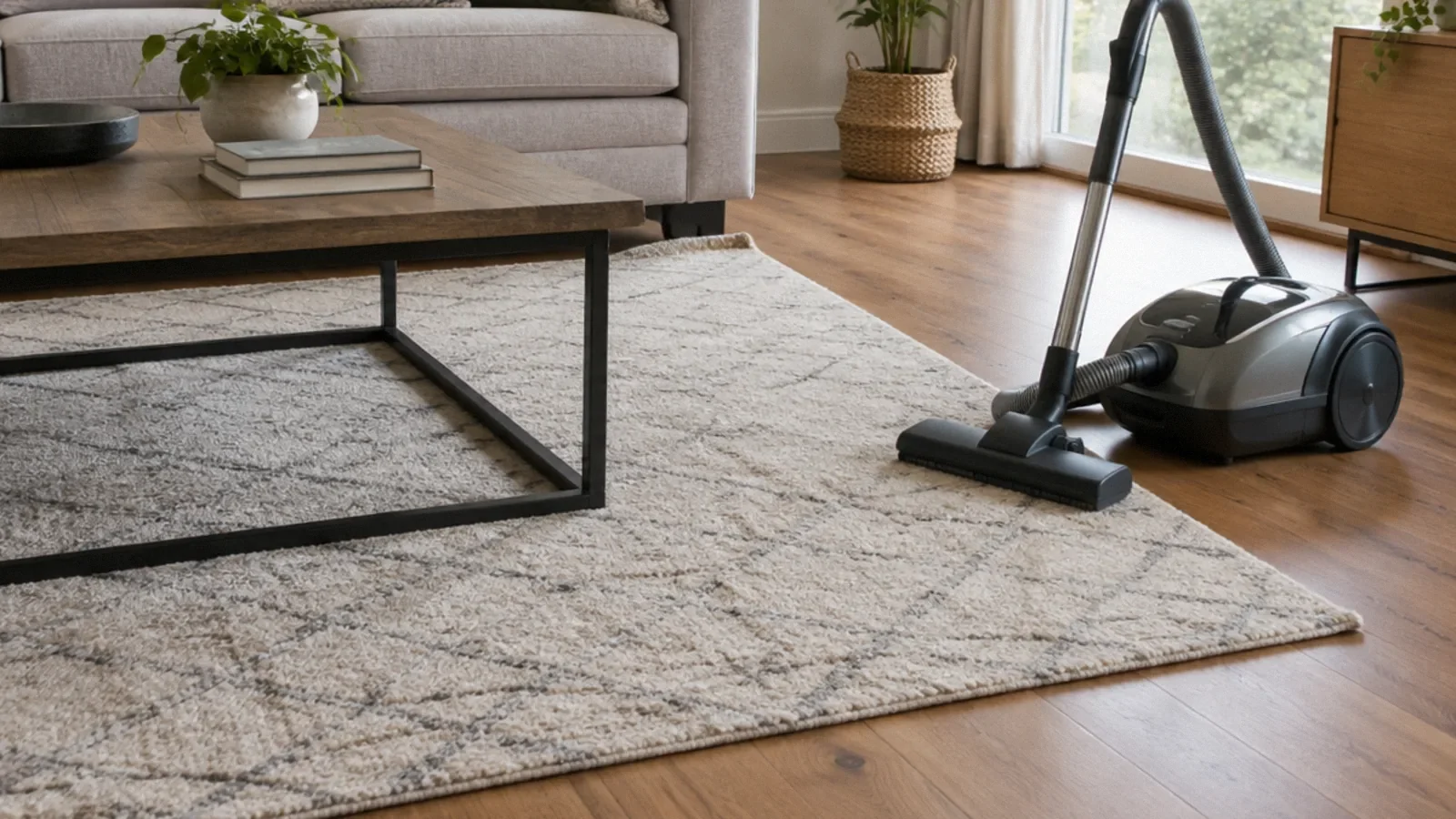
Lift excess gently with a clean absorbent cloth without rubbing it into the fibers. Check the carpet or upholstery maker’s instructions before using a spot treatment, and test any compatible product in a hidden area. Oil can reach backing or cushion material, so do not saturate the area.
A qualified cleaner can assess a persistent mark or a valuable rug. A surface that looks clean may still have residue. Follow separate carpet and upholstery guidance rather than applying a hard-floor cleaner to fabric.
Motor oil and other automotive fluids
For a small used-oil spill that you can safely handle, follow the product and local hazardous-waste authority’s instructions for absorbent and disposal. Keep the oil away from drains and soil. Used motor oil should be collected for appropriate recycling, not poured into a sink or onto the ground.
Do not put gasoline, solvents or an unknown mixed fluid into a used-oil recycling container. They can have different fire and disposal hazards. If you are unsure what spilled or cannot contain it safely, contact the local hazardous-waste program or a professional.
Oil spilled in an engine compartment is different from oil on a garage floor or inside the cabin. Stop the engine, allow hot components to cool, and keep away from belts, electrical components and hot exhaust parts. If oil has reached hot surfaces, smoke is present, or the extent is unclear, have a mechanic assess it; do not spray water or solvent into the compartment or restart a vehicle with an unresolved leak.
Dispose of materials correctly
Local rules differ for cooking oil, used motor oil and contaminated absorbents. Ask your local waste agency whether there is a collection or recycling program and how to package the specific material. Keep containers closed, labeled and away from children and pets.
Do not leave oily rags piled near a heat source or assume every oily material is ordinary trash. Follow the product label and local fire and waste guidance. Never reuse a food container for a chemical without clear labeling and appropriate approval.
After the visible spill
Check whether oil reached a crack, porous floor, rug backing or adjacent soil. A stain can remain even after the bulk has been lifted, and repeated harsh chemicals can damage the surface. A qualified cleaner can advise on remaining residue and compatible treatment.
If a spill entered a drain, soil or a waterway, notify the appropriate local authority as directed rather than attempting to flush it away. Keep a record of what spilled and any cleanup products used. Avoid walking on a still-slippery surface.
Prevent another spill
Store cooking and automotive oils upright in closed containers appropriate to their contents, away from heat and where they cannot be knocked over. Use a tray when transferring oil and follow appliance or vehicle maintenance instructions.
Maintain vehicles and equipment to reduce leaks and address a recurring leak at the source. Keep a suitable absorbent and the local waste program’s instructions accessible. Prevention supplies do not make a large or hazardous spill safe for untrained cleanup.
Absorb oil from a hard floor
Apply an appropriate oil absorbent to a small accessible spill and allow it to absorb the liquid according to its label. Collect the used material carefully into a suitable closed, leak-resistant container. Avoid walking through the area and spreading oil to other surfaces.
A garage floor can become slippery. Use care around the spill and do not add a solvent or strong cleaner without checking compatibility and disposal requirements. A dark residual stain does not necessarily indicate that all oil has been recovered; porous concrete may retain material.
Driveways and outdoor drains
Storm drains can carry runoff to waterways. Never rinse used oil into a gutter, drain, ditch or onto the ground. If oil is reaching a drain or soil and cannot be contained safely, contact the appropriate local environmental or emergency authority for instructions.
Rain can move oil from a driveway even after the main puddle is gone. Keep contaminated absorbent covered and contained. Do not create a slip hazard or block a public sidewalk while waiting for local guidance.
Handling used oil and contaminated absorbent
California’s CalRecycle says certified collection centers accept used motor oil and oil filters from do-it-yourselfers. Many locations participate, but acceptance and other household hazardous-waste options vary; contact the local program before transporting oil, filters or oily absorbents.
Keep used oil separate from gasoline, solvents, antifreeze and other fluids. Use a closed, compatible, leak-resistant container for transport as instructed by the collection program. Do not assume that an oil collection center also accepts oily rags or mixed fluids.
Oil inside a vehicle
Vehicle carpet, padding and wiring can be affected when oil spills inside a car. Blot a small spot without rubbing and follow the vehicle manufacturer’s care instructions. Do not spray solvents near electrical components, seat controls or ignition sources.
A large spill beneath seats or trim may need a qualified automotive detailer or cleanup provider. Explain the fluid involved and whether it is used oil. A surface stain or odor can remain when padding is contaminated, and removal of trim requires the right skills.
Your next-step checklist
- Identify the material and keep people away.
- Let hot cooking oil cool and prevent slips.
- Keep all oil out of drains and waterways.
- Follow local disposal and reporting guidance.
Related questions
How do I clean up cooking oil on a floor?
Once cool and safe, absorb the bulk, then clean with a floor-compatible product and dry the surface. Follow local disposal rules.
Can I wash spilled oil into a storm drain?
No. Oil can reach waterways; use appropriate cleanup and contact local authorities if it enters a drain.
Can motor oil and cooking oil be disposed of together?
Do not assume so. Contact the local waste agency for the correct disposal or recycling route for each material.
What if I do not know what spilled?
Keep away and seek appropriate professional or emergency guidance rather than treating an unknown substance as cooking oil.
How do I soak up motor oil on a garage floor?
For a small spill that is safe to manage, use an appropriate oil absorbent according to its instructions and collect the used material in a suitable closed container.
Can I hose oil into a storm drain?
No. Used oil must be kept out of storm drains, soil and waterways.
Where can California residents take used oil?
Use an appropriate collection center or household hazardous-waste program and check accepted materials with the local provider.
Can I mix used oil with gasoline or antifreeze?
Do not mix vehicle fluids. Mixed oil may require different hazardous-waste handling and may not be accepted for recycling.
Sources & context
Public guidance supports the principles in this article. The practical questions and examples are editorial interpretation, not a site assessment or a coverage decision. State-specific rules apply only where identified.
- EPA: Protect local waterwaysfederal environmental guidance
- EPA: Spill response and preventionfederal spill guidance
- CalRecycle: Certified used oil collection centersCalifornia guidance
- U.S. EPA: Used oil recyclingfederal guidance
- EPA: National Response Centerfederal spill reporting guidance
- EPA: Healthy household habits for clean waterfederal stormwater guidance
- EPA: Sanitary sewer overflow questionsfederal wastewater guidance
- EPA: How to care for your septic systemfederal household guidance