Blot a small fresh oil spill with a clean white absorbent cloth without rubbing it into the carpet. Check the carpet manufacturer’s instructions and test any compatible spot cleaner in an inconspicuous area. Motor oil, large spills or oil that has reached padding may need professional assessment and appropriate waste handling.
Identify the oil and the carpet
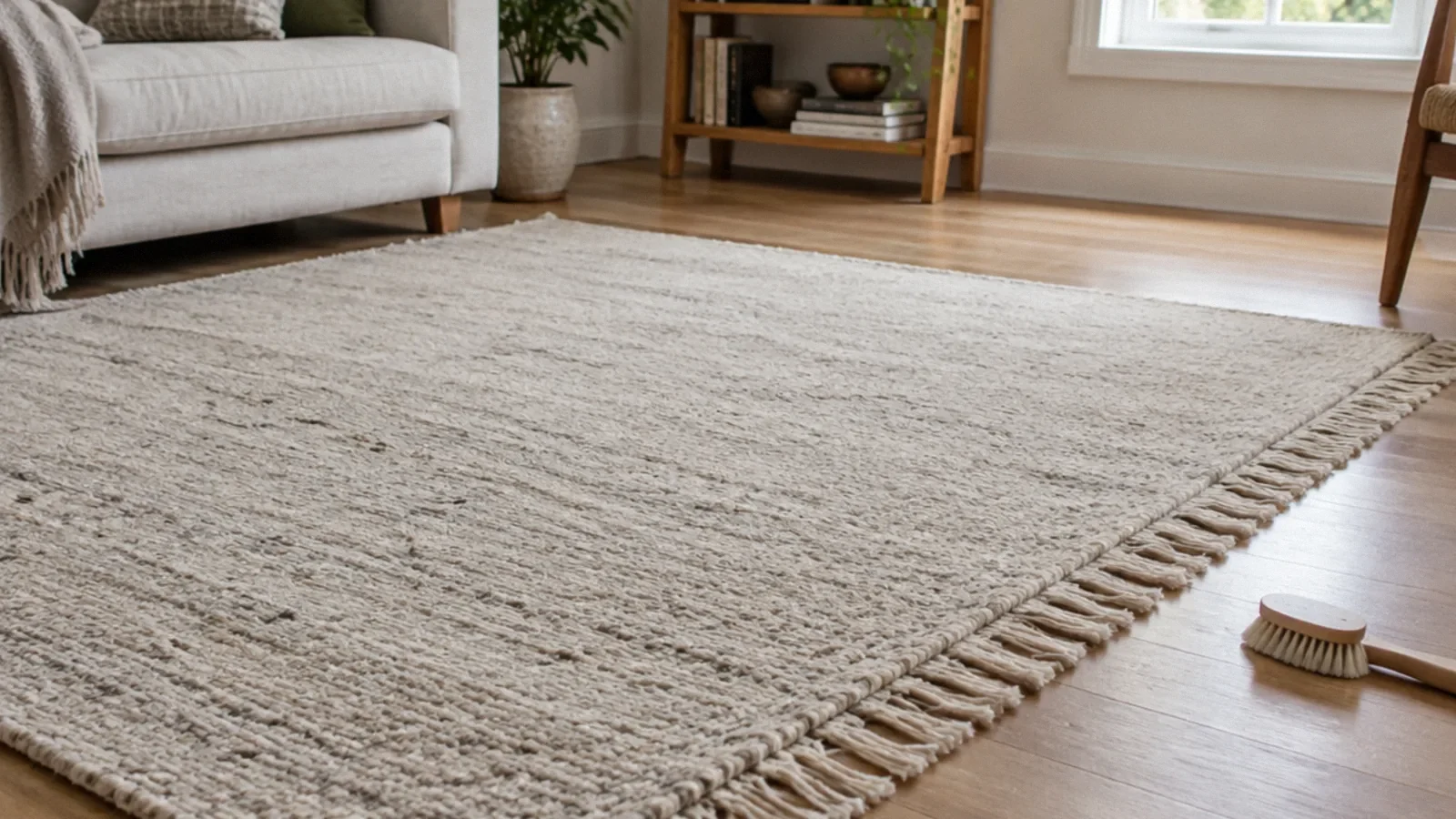
Cooking oil, cosmetic oil, bicycle grease and used motor oil can leave different residues. Note what spilled, how much and whether the carpet is a delicate rug, installed synthetic carpet or an unknown material. Check the flooring maker’s care guide and warranty before applying a cleaning product.
Keep children and pets away from the spill and wear protective gloves appropriate to the substance. If the liquid is unknown, a large amount or mixed with fuel or another hazardous material, leave it undisturbed and seek qualified help rather than treating it as an ordinary spot.
Blot a fresh spill
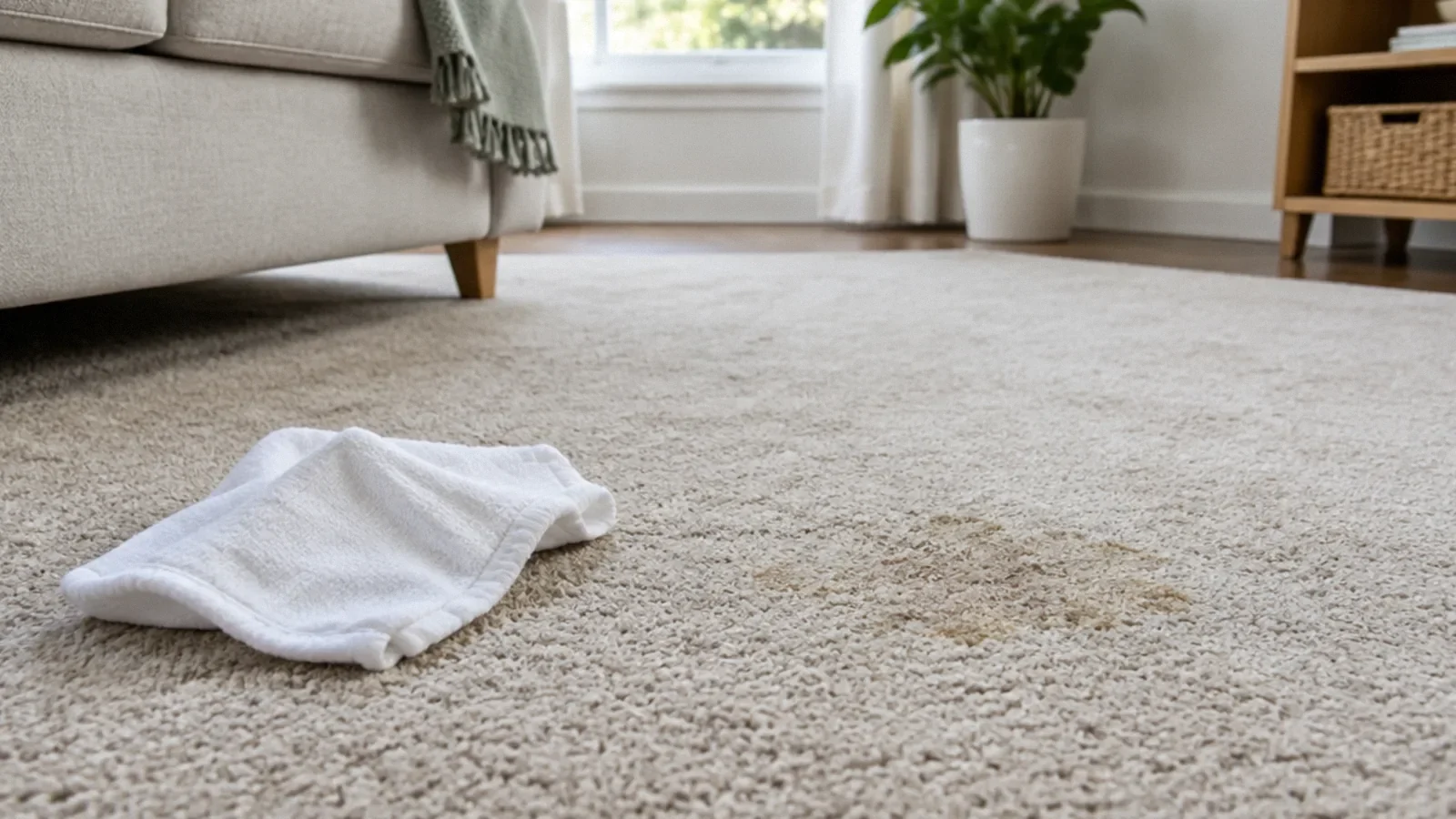
Use a clean white absorbent cloth or plain white paper towel to blot from the outside toward the center. Replace the cloth as it absorbs oil. The Carpet and Rug Institute advises blotting and testing a treatment before use; scrubbing can spread the mark and damage the pile.
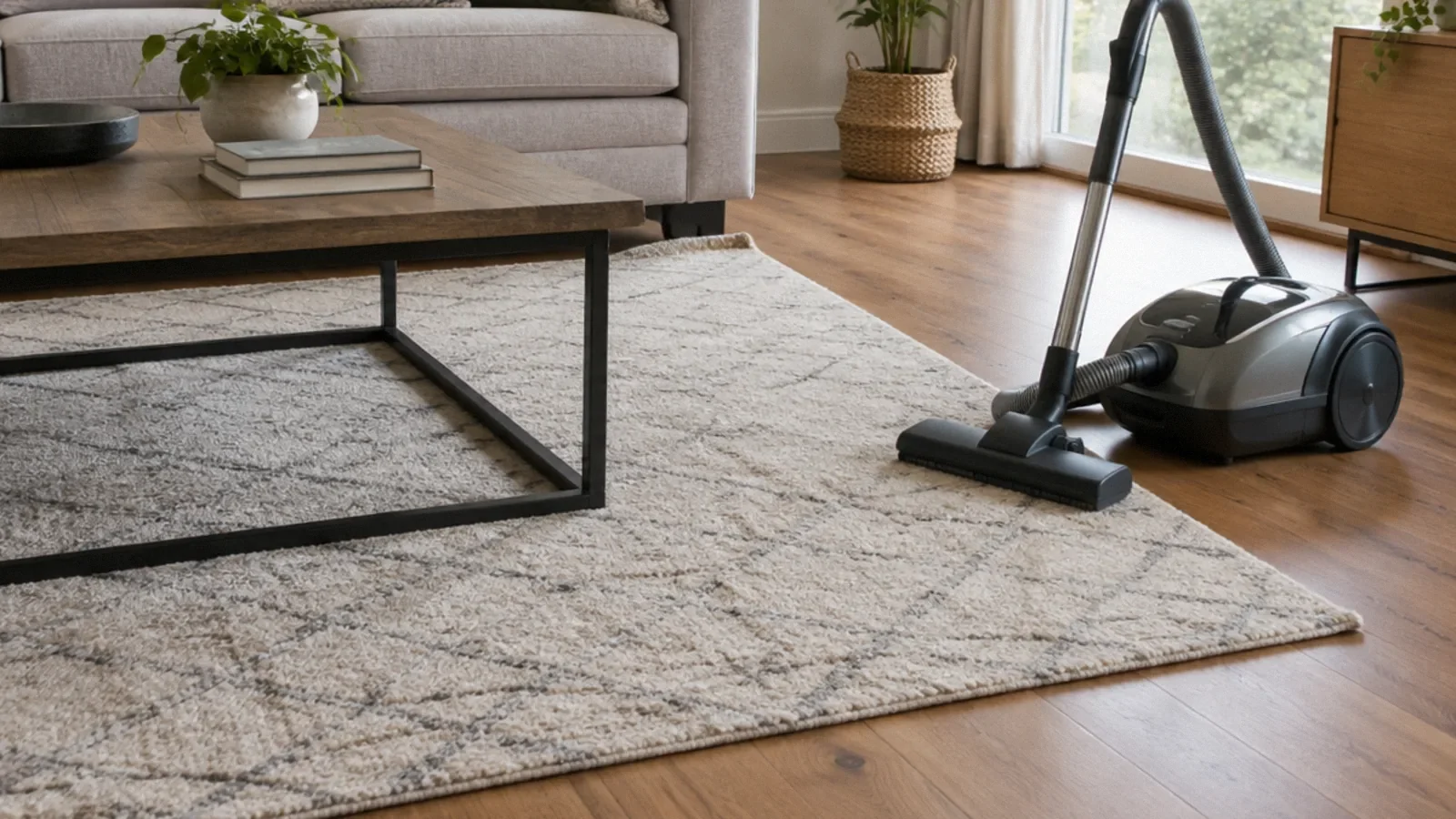
Do not pour water over the spill or press oil into the backing. An ordinary dry household vacuum is not intended for liquids. Protect nearby surfaces and avoid stepping through the affected area while you decide on the next step.
Cooking and cosmetic oils
For a small cooking, olive, baby or hair oil spot, select a treatment suitable for both the substance and the specific carpet. Test an inconspicuous area and follow the product label. Different fibers and dyes react differently, and a method approved for one rug may not be safe for another.
Use only the amount directed and avoid soaking the backing. If the carpet dye transfers, the texture changes or the spot expands, stop and consult a professional. A light-colored carpet can retain a visible mark even after oil has been removed.
Motor oil and mechanical grease
Used motor oil can contain contaminants and should not be poured into drains or onto soil. Avoid skin contact and keep contaminated towels or absorbents contained while you check local disposal requirements. EPA recommends collecting and recycling used oil through appropriate programs.
An automotive oil spill in a house or vehicle may reach carpet backing, padding or adjacent components. Do not spray cleaners near seat wiring or other electrical parts. A qualified carpet cleaner or automotive detailer can assess access and whether a contaminated component needs replacement.
Spot cleaners and solvents
Oil-removal products can contain solvents. Some are flammable or can damage carpet dyes, adhesives or backing. Follow the label and the carpet manufacturer’s instructions, provide ventilation where required and keep products away from flames and sparks. Never mix household cleaners.
Do not pour solvent directly onto carpet or let it reach the backing. Test a hidden area first and use only a compatible method. If you cannot identify the fiber or the cleaner’s suitability, ask a professional rather than trying several chemicals in sequence.
Dried or old grease
An older oily stain may have attracted soil or penetrated deeper into the carpet. Avoid scraping aggressively or using excessive heat. Tell a professional what kind of oil was involved, how long it has been present and what treatments have already been used.
Repeated applications can leave residue or alter color. A cleaner may be able to improve a mark without restoring the original appearance completely. Some color change or damaged backing can be permanent; agree on a realistic scope before work begins.
Check the backing and drying
If a large amount was spilled, the visible mark may not show the full area affected. The padding or floor beneath may need inspection. A professional can explain how to protect adjacent materials, whether a section must be lifted and how any residue will be handled.
After a manufacturer-approved cleaning method, allow the area to dry fully before replacing furniture. A dry surface is not proof that the padding is clean or dry. Avoid repeated wet cleaning as a substitute for inspecting persistent odor or an expanding spot.
When to call a professional
Seek help for used motor oil, a large spill, persistent black grease, a valuable rug, unknown chemicals or a stain that has reached the pad. Ask for an itemized estimate and disclose any products already applied. Confirm whether removal or replacement of padding is included.
A routine carpet-cleaning quote may not cover contaminated absorbents or disposal. Check your local household hazardous-waste program for accepted materials and collection rules. Do not represent a cosmetic cleaning as proof that all contaminants have been removed.
Choosing and applying a compatible treatment
For a small grease spot, the Carpet and Rug Institute describes a diluted hand dishwashing detergent solution and a nonflammable dry-cleaning spot solvent as possible treatments. Neither is automatically suitable for every carpet: check both the carpet maker’s instructions and the cleaner’s label first. Never use laundry or automatic dishwasher detergent for this purpose.
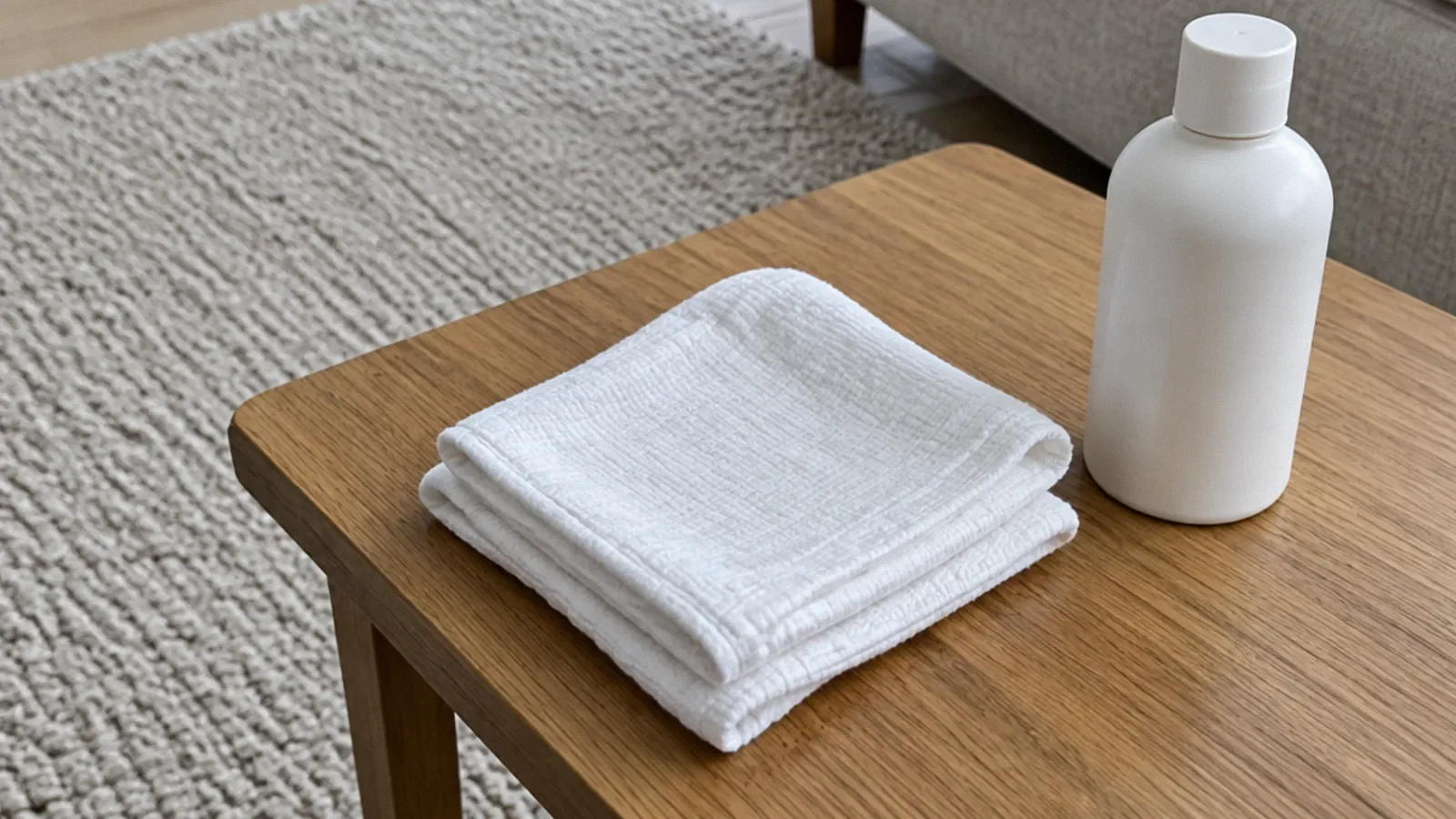
If the approved method permits detergent, CRI specifies one-quarter teaspoon liquid hand dishwashing detergent per cup of lukewarm water. First test a hidden area and inspect for color transfer or texture change. Apply a small amount to a white cloth, blot from the edge inward, then rinse the fibers carefully with a little water and blot dry; avoid saturating backing. CRI cautions that detergent left behind can attract soil. Stop if color transfers or the label conflicts.
For a compatible solvent, use only as labeled and apply to a cloth, never pour it onto carpet or backing. Ventilate as directed, keep ignition sources away, and do not mix products. For valuable wool, unknown fiber, deep mechanical grease or used oil, seek a professional instead of experimenting.
Your next-step checklist
- Identify the oil and keep people and pets away.
- Blot with an absorbent white cloth without scrubbing.
- Check the carpet instructions and test a compatible treatment.
- Keep solvents away from heat and do not mix cleaners.
- Ask a professional about large spills or used motor oil.
Related questions
How do I get cooking oil out of carpet?
Blot a small fresh spill, then use only a compatible spot treatment allowed by the carpet maker and product label.
Can motor oil be cleaned like cooking oil?
Used motor oil can contain contaminants. Avoid contact, keep it out of drains and seek appropriate cleanup and disposal guidance.
Should I scrub a grease stain?
No. Blot gently; scrubbing can spread oil and change carpet texture.
What if the oil reaches the padding?
The backing, pad and floor may need inspection. Ask a qualified cleaner whether treatment or replacement is appropriate.
Sources & context
Public guidance supports the principles in this article. The practical questions and examples are editorial interpretation, not a site assessment or a coverage decision. State-specific rules apply only where identified.
- Carpet and Rug Institute: Lubricating oil spot removalindustry guidance
- U.S. EPA: Managing and recycling used oilfederal guidance
- Carpet and Rug Institute: Carpet maintenanceindustry guidance
- Carpet and Rug Institute: Grease spot removalprimary guidance