Check the rug maker’s instructions before cleaning. Vacuum gently using a setting suitable for the pile and edges, blot spills promptly with a plain white absorbent cloth, and test only a product approved for the specific rug. Avoid saturating the backing or floor. Valuable, delicate, heavily soiled or water-damaged rugs may need a specialist.
Identify the rug before cleaning
A wool rug can be hand-knotted, tufted, woven or made with a blend and different backing materials. Construction, dye stability, fringe and the floor beneath it affect the cleaning method. Find the label or ask the manufacturer; wool fiber alone does not tell you whether the entire rug can be washed.
Follow any dry-clean-only or specialist-care instruction. For an antique, valuable or handmade piece, consult a qualified rug cleaner before attempting a whole-rug treatment. Photograph existing wear and discuss any loose dye, fringe or damaged backing.
Vacuum without damaging the pile
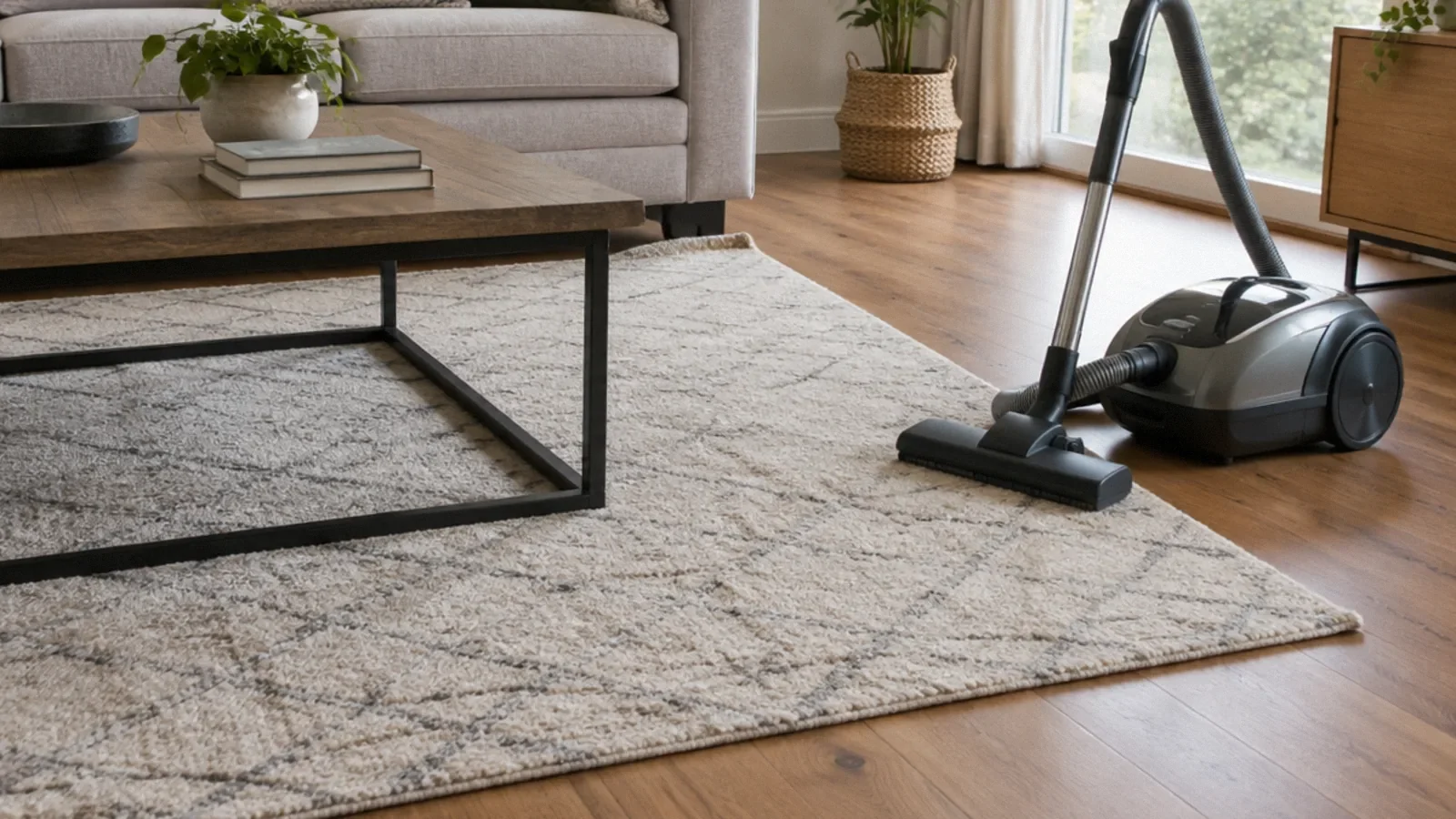
Use a vacuum setting appropriate for the rug and its construction. Avoid catching fringe, edges or loose yarns in a rotating brush; use a suitable attachment where the maker permits it. Clean high-traffic areas as needed rather than assuming one frequency fits every household.
A gentle vacuum removes loose dry soil but does not address liquid in the backing or a contaminated pad. Maintain the machine and its filters. If the rug has visible mold or may have been contaminated by sewage or floodwater, do not disturb it with an ordinary vacuum; seek experienced assessment.
Blot a fresh spill
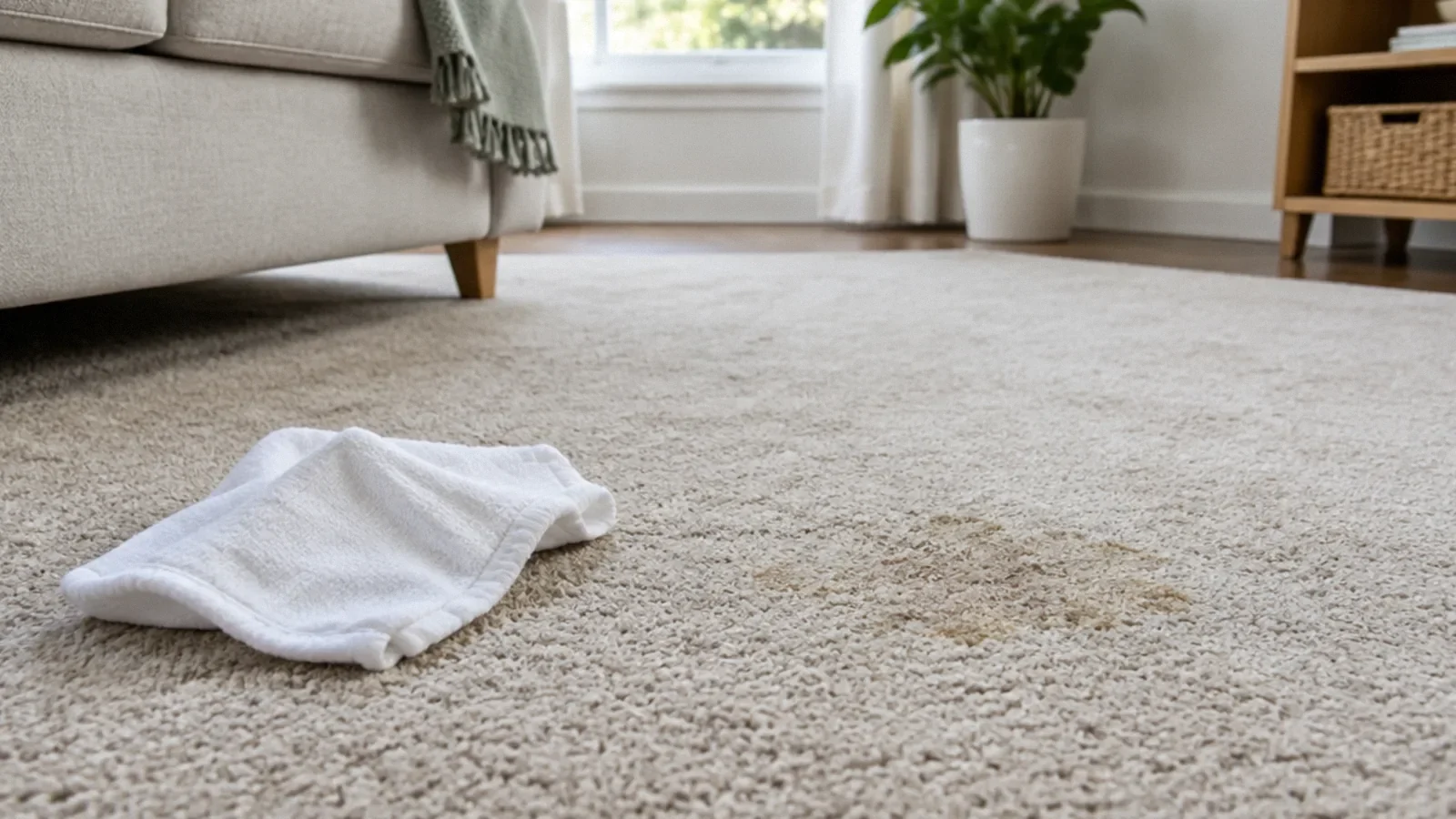
Use a plain white absorbent cloth to blot liquid promptly, working carefully so the spill does not spread. WoolSafe advises blotting a spill with white paper or cloth. Remove loose solids gently if possible without rubbing them into the pile.
Check the rug instructions and test any product on an inconspicuous area. Use only a product appropriate for the rug and follow its directions. Do not scrub, pour cleaner directly into the pile or mix household chemicals. Stop if dye transfers or the texture changes.
Why excess moisture matters
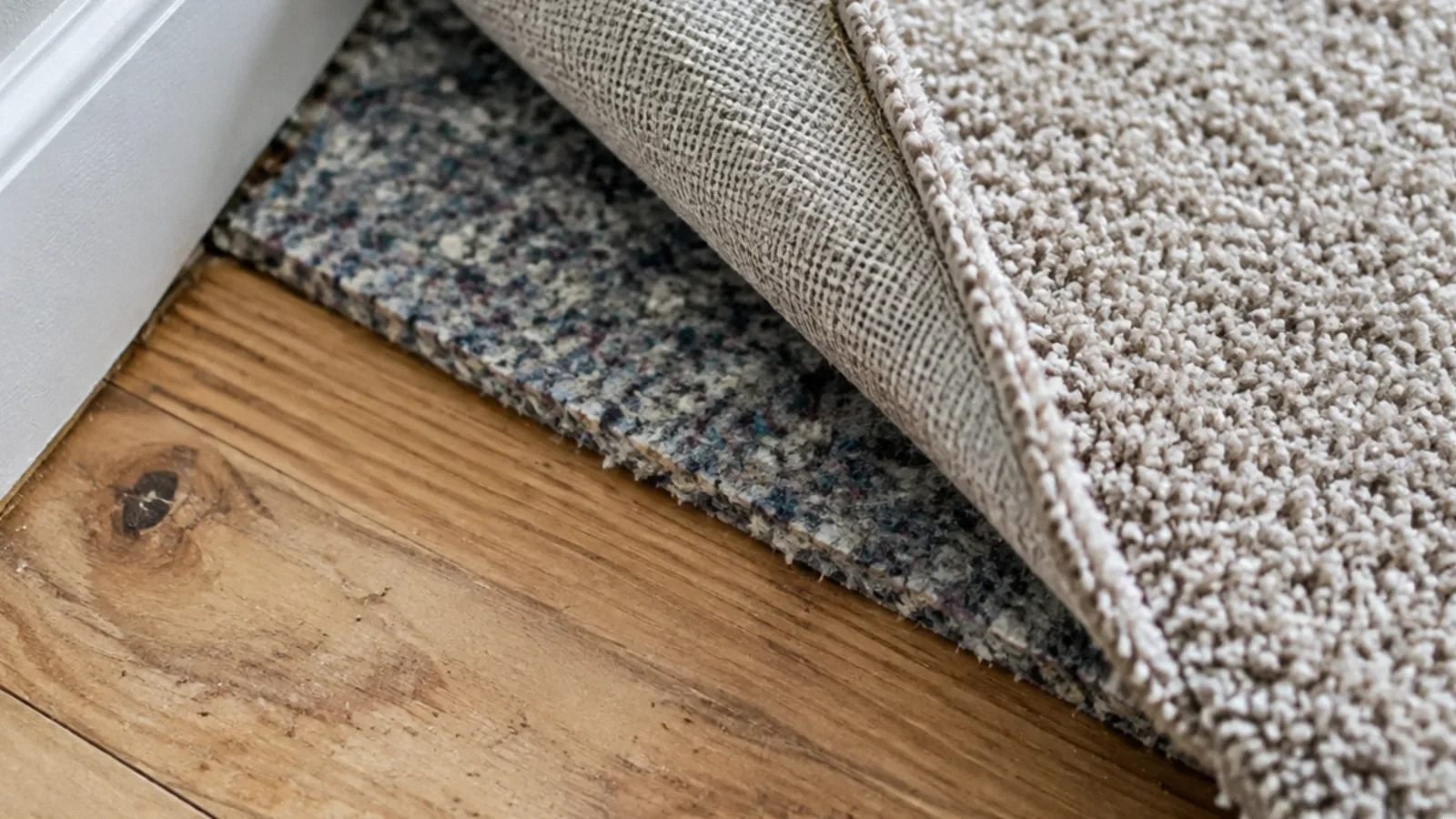
Water can reach the foundation, backing, pad and floor even when only the rug surface appears wet. Excess moisture can contribute to dye movement, distortion, odor or damage to a wood floor. Use only the moisture permitted by the maker and ensure that treated materials dry completely.
Do not roll up or replace a damp rug on a sensitive floor. Moving a large or heavy wet rug can be unsafe and may damage it; ask for help. A specialist can explain how the rug will be supported and dried without trapping moisture.
Can a wool rug be steam cleaned?
Do not assume a household steam cleaner or rental extractor is safe for every wool rug. Temperature, chemistry, dye stability, construction and drying all matter. Follow the manufacturer’s instructions and ask a specialist when they are unclear.
Some professional methods use controlled moisture and extraction for suitable materials, while delicate or water-sensitive fibers may require a lower-moisture approach. A method described as dry cleaning is not necessarily suitable for every backing either. Request a written explanation of the proposed process.
White, large and handmade rugs
A white wool rug may show soil readily, but whiteness does not make it safe to use chlorine bleach or a strong household brightener. These products can damage fibers or alter color. Ask the manufacturer for an appropriate product and test it as directed.
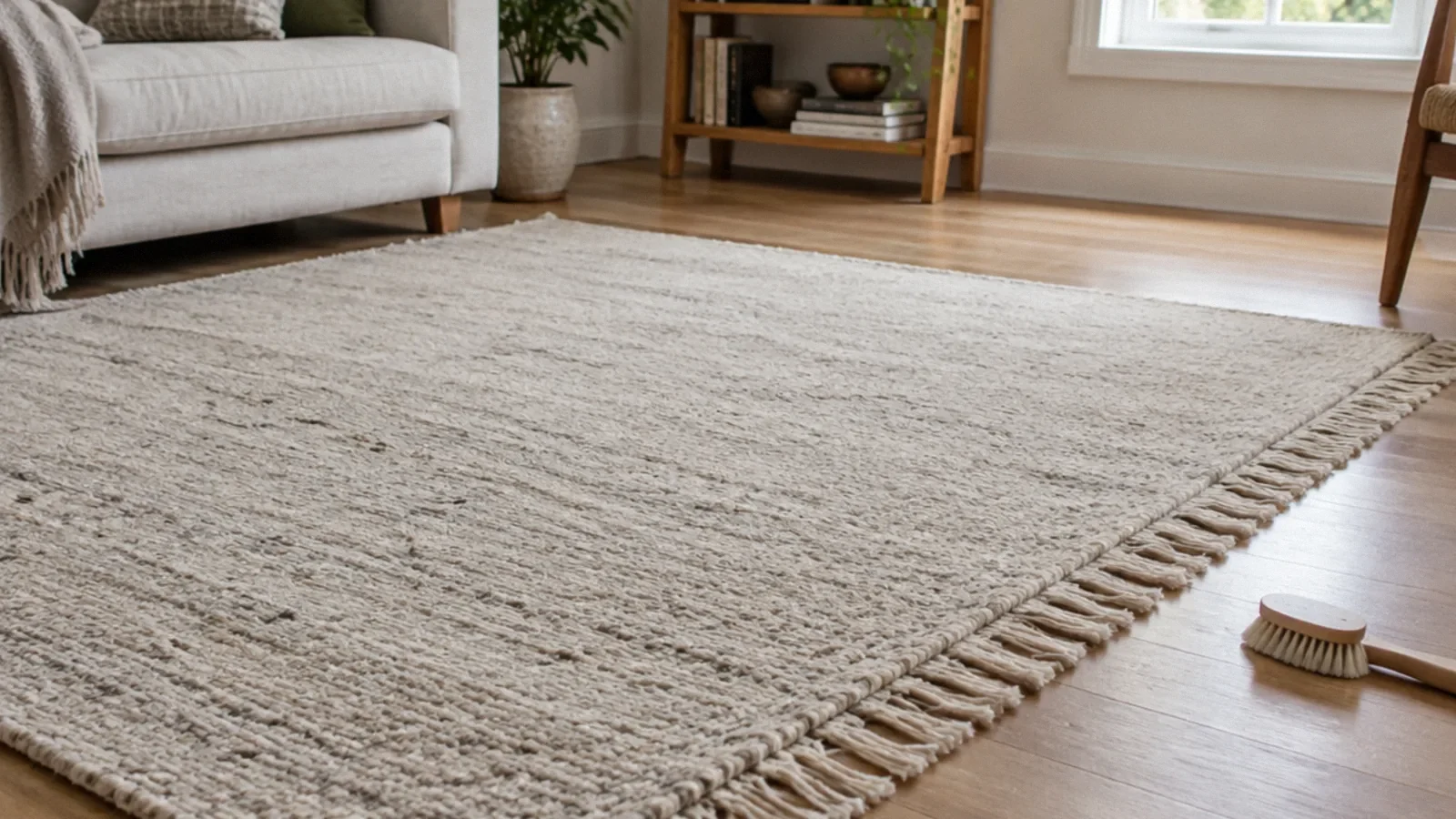
Large rugs and handmade pieces can be difficult to inspect and dry in place. A rug specialist can check the dyes, backing, fringes and pre-existing wear, then recommend on-site or off-site care. Ask how furniture, flooring, transport and drying are included in the price.
Odors and water damage
A musty odor may indicate moisture in the rug, pad or floor, but smell alone does not identify mold. Find and correct the source of dampness rather than masking it with perfume. Avoid sprinkling powders that the maker does not recommend or that may be difficult to remove from the pile.
For a leak, assess the water source and underlying floor. Sewage, floodwater, visible mold or an extensively soaked rug calls for experienced restoration help. EPA emphasizes prompt drying of clean-water-damaged materials while noting that salvage depends on the material and circumstances.
Questions for a professional cleaner
Ask about training with wool, dye testing, the cleaning and drying process, pickup, fringe handling and known limitations. Get an itemized estimate before authorizing extra stain or odor treatment. A reputable provider should explain that some permanent dye changes and damage cannot be reversed.
Keep the rug’s care documents and a record of previous treatments. Routine vacuuming and prompt attention to spills can reduce soil between professional cleanings. The correct deep-cleaning interval depends on the rug’s use, construction and maker’s recommendations.
Can you shampoo a wool rug?
A shampoo can be suitable only if the rug maker permits wet cleaning and the product is intended for wool and compatible with dyes and backing. Test colorfastness in a hidden spot according to both instructions; avoid over-wetting, heat and aggressive scrubbing. Remove residues as directed and dry thoroughly with suitable airflow. Delicate, antique, bleeding or heavily soiled rugs merit specialist assessment.
These instructions concern rugs, not wool clothing. Follow the garment care label for clothing; rug products and equipment are not automatically suitable for a sweater or coat.
A homemade solution is not automatically safe for wool, dye or backing. Use one only if the rug maker explicitly permits its ingredients and method; otherwise choose a compatible wool product or consult a specialist. Do not mix household cleaners.
Your next-step checklist
- Check the rug label and construction.
- Vacuum gently and protect fringe and edges.
- Blot spills promptly with an absorbent white cloth.
- Test compatible products and avoid soaking the rug.
- Use a specialist for valuable, delicate or extensively wet pieces.
Related questions
Can I steam clean a wool rug?
Only use a method supported by the rug manufacturer or recommended after professional assessment. Heat, dyes, backing and drying all matter.
Can I use bleach on a white wool rug?
Do not assume it is safe. Follow the maker’s instructions and ask a wool-care specialist.
How do I clean a wool rug at home?
Begin with the care label, gentle vacuuming and prompt blotting of spills. Test only a compatible product and avoid saturating the rug.
What if a wool rug smells musty?
Investigate moisture in the rug, pad and floor. A smell alone cannot identify mold, and a fragrance does not solve dampness.
Sources & context
Public guidance supports the principles in this article. The practical questions and examples are editorial interpretation, not a site assessment or a coverage decision. State-specific rules apply only where identified.
- WoolSafe: Care for carpets and rugsfiber-care guidance
- Carpet and Rug Institute: Carpet and rug careindustry guidance
- U.S. EPA: Water-damaged materialsfederal guidance