Start by removing clutter, choose cleaning products compatible with each surface and work room by room from higher surfaces to the floor. A deep clean reaches overlooked areas but does not replace repairs, mold remediation or professional help when hazards are present.
Plan the work before opening supplies
A whole-house deep clean is a more detailed reset than a regular tidy. It may include reachable shelves, baseboards, appliance exteriors and spaces behind movable furniture. There is no universal service standard: if hiring help, request a room-by-room scope and exclusions before comparing quotes.
Break the project into manageable sessions and decide what needs attention first. Note fragile finishes, damaged flooring and areas that should not be disturbed. Keep children and pets away from supplies, maintain a clear exit and use a stable step stool rather than reaching from furniture.
Choose supplies and protect indoor air
A practical apartment or house kit may include microfiber cloths, a vacuum suited to the floor, a soft brush, suitable gloves and surface-specific cleaner. Follow the product and material instructions. Different counters, upholstery and sealed floors can react differently to water or chemicals.
EPA advises following label directions, ventilating when appropriate and never mixing cleaning products. Soap or detergent removes ordinary dirt; a disinfectant serves a different purpose and is not automatically required for every surface. Avoid applying products to food, pets or surfaces outside their labeled use.
Living room checklist
Remove loose items first. Dust accessible upper surfaces, picture frames, shelves, lampshades and baseboards with a suitable cloth. Clean remote controls and switches only by a method permitted by their manufacturers; keep liquids away from electrical openings. Work downward so loosened dust is collected later.
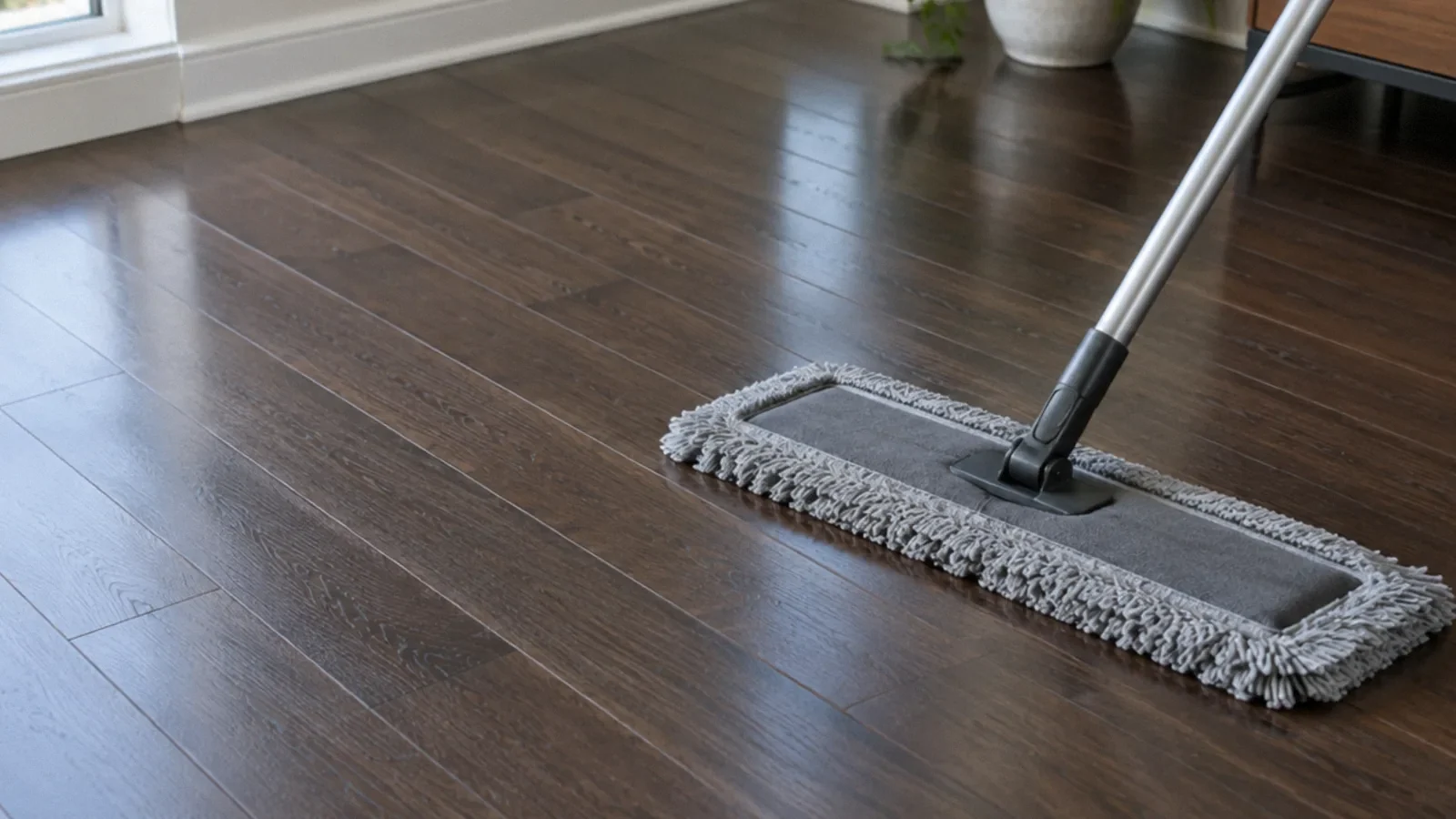
Vacuum upholstery and cushions if the care label permits it, then clean under movable furniture without dragging it across the floor. Treat a stain according to the fabric instructions rather than saturating the cushion. Vacuum or clean the floor last using its manufacturer’s recommended method.
Kitchen deep clean
Clear counters, discard expired food and wash accessible surfaces with products approved for food-contact areas. Follow label directions for any necessary rinse. Clean handles, cabinet fronts and the sink without forcing water into seams or electrical components. Pay attention to grease near the cooking area.
Follow the appliance manufacturer’s instructions for the refrigerator shelves, range and microwave. Do not move or disconnect gas appliances yourself to reach hidden spaces. Check beneath the sink for leaks and moisture; cleaning the cabinet is not a repair for a continuing plumbing problem.
Bedrooms, bathrooms and laundry
In bedrooms, wash bedding according to its label and clean reachable dust from furniture and floors. Inspect stored items for dampness. Keep closets accessible and avoid piling belongings against a wall that shows signs of a leak or persistent condensation.
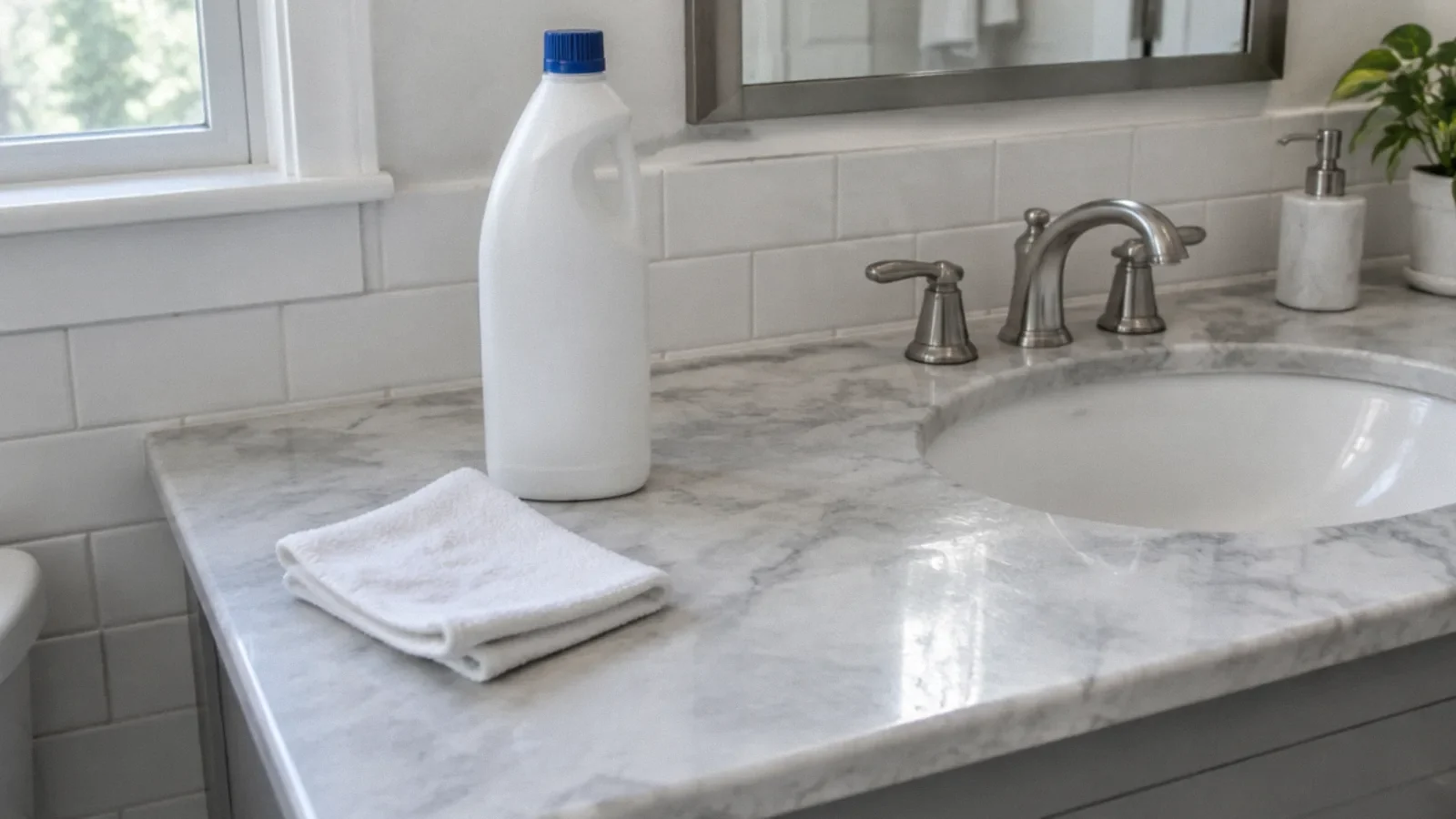
In bathrooms, use a surface-compatible cleaner on the sink, fixtures and shower, then dry as directed. Use bathroom ventilation where appropriate. A larger mold problem, sewage or a damaged wall needs assessment rather than routine scrubbing. In laundry areas, follow appliance instructions and check hoses for visible deterioration.
Before a move or home sale
For a newly occupied home, clean empty shelves and reachable surfaces before putting belongings away. Pay attention to appliance interiors and bathrooms using the manufacturers’ directions. If a property has an unexplained odor, water staining or an unsafe condition, investigate it rather than covering it with fragrance.
For a home sale, agree on access and timing with the agent or other responsible party. Keep records of actual repairs and avoid presenting cleaning as evidence that a hidden defect has been corrected. A professional cleaning estimate should say whether windows, appliances and garages are included.
Holiday and seasonal preparation
Before Thanksgiving or another gathering, prioritize food preparation surfaces, the bathroom, entryway and frequently used seating. Allow time for floors to dry before guests arrive. A shorter checklist focused on the spaces people will use can be more useful than attempting the entire house at once.
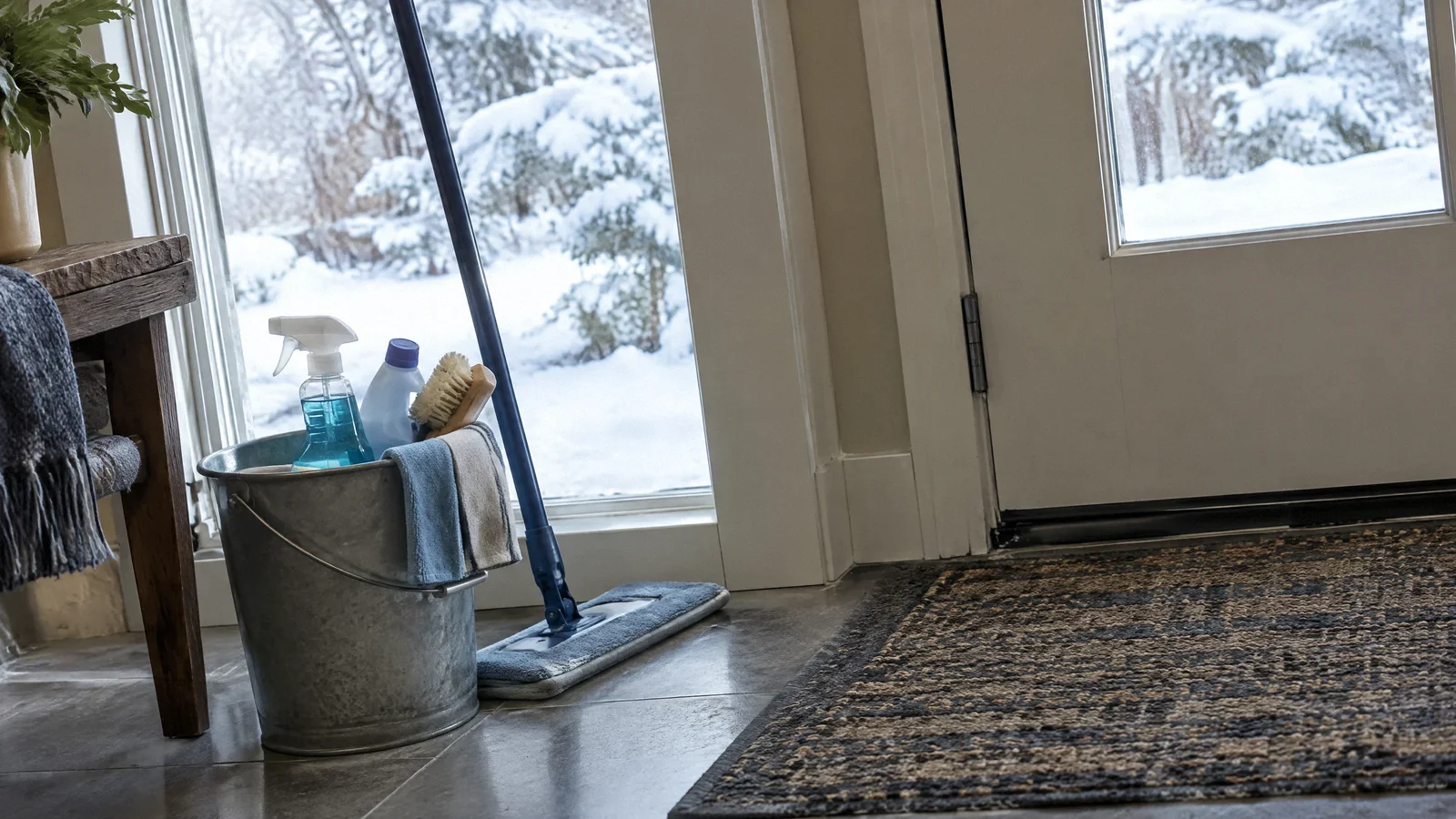
For seasonal tasks, see the separate winter cleaning guide.
Know when cleaning is not enough
A musty smell, recurring wet patch, sewage or significant mold calls for attention to the underlying cause. EPA recommends fixing moisture problems and cleaning mold promptly, but a large or hidden problem may need experienced help. Never disturb suspect asbestos, damaged lead paint or unknown residues during a general cleanup.
A professional can provide a written scope, products and safety steps. Ask whether the work is ordinary cleaning or a specialized service, what must be moved, how surfaces will be protected and what happens if damage is discovered. Avoid promises that routine cleaning makes a home sterile.
A practical sequence for special occasions
For Thanksgiving or guests, two days before: declutter entry and guest areas and clean the bathroom. The day before: clear counters, clean the sink and accessible refrigerator shelves, and check seating. On the day: wipe food preparation surfaces and handles, empty waste and allow floors to dry. Afterward: refrigerate leftovers promptly, wash dishes, wipe spills and reset the bathroom and entry. For a sale showing or handover, agree the scope and timing, declutter, clean kitchen and bathrooms, floors and accessible windows, then inspect the empty rooms. For a new empty home, clean high shelves and cabinets first, then the refrigerator as its maker directs, bathrooms and finally floors before moving belongings in.
Supplies, scope and motivation
Keep an all-purpose cleaner appropriate to the surface, a separate compatible product for sensitive finishes, cloths, a soft brush, gloves, vacuum and floor tool. Use a timer or music, assign age-appropriate tasks and make a simple game of sorting belongings; keep chemicals and sharp tools away from children. A professional deep clean typically covers more neglected accessible surfaces than recurring maintenance, but inside ovens, windows, garages, moving heavy furniture and specialist mold or biohazard work may be excluded. Get the scope in writing. For seasonal winter cleaning and clearing a house for sale, use the dedicated guides.
Your next-step checklist
- Declutter and identify sensitive surfaces.
- Use labeled products and never mix cleaners.
- Clean high surfaces before floors.
- Dry surfaces and check for leaks.
- Arrange specialized help for unsafe conditions.
Related questions
What is typically included in a deep clean?
Often accessible detailed dusting, kitchen and bathroom cleaning, and floors. The exact scope varies, so ask for a written list.
How do I deep clean a living room?
Declutter, dust accessible surfaces from high to low, clean upholstery according to its label and finish with the floor.
What should I clean before selling a house?
Prioritize visible living areas, kitchen, bathrooms and appliances, and make a separate plan for repairs and known defects.
How can I make cleaning less overwhelming?
Divide rooms into short sessions, involve household members where appropriate and prioritize safety and the areas in use.
Sources & context
Public guidance supports the principles in this article. The practical questions and examples are editorial interpretation, not a site assessment or a coverage decision. State-specific rules apply only where identified.
- EPA: Improving your indoor environmentfederal indoor air guidance
- EPA: Cleaning, sanitizing and disinfectingfederal cleaning guidance
- EPA: Mold and moisture in your homefederal mold guidance
- CDC: Facility cleaning and disinfectionfederal cleaning guidance