Secure important documents and valuables first, agree who can make decisions, then sort room by room into keep, sell, donate, recycle and disposal groups. Arrange special handling for hazardous materials.
Secure records and essentials
Set aside identity documents, financial records, keys, medications, personal photographs and items needed before the move. Store sensitive documents securely rather than putting them in a public donation box. Check drawers, books, pockets and storage containers before disposal. Remove personal data from electronics using the manufacturer’s instructions before donating or recycling them. If an item might belong to another person, resolve ownership before it leaves the house.
Create clear sorting zones
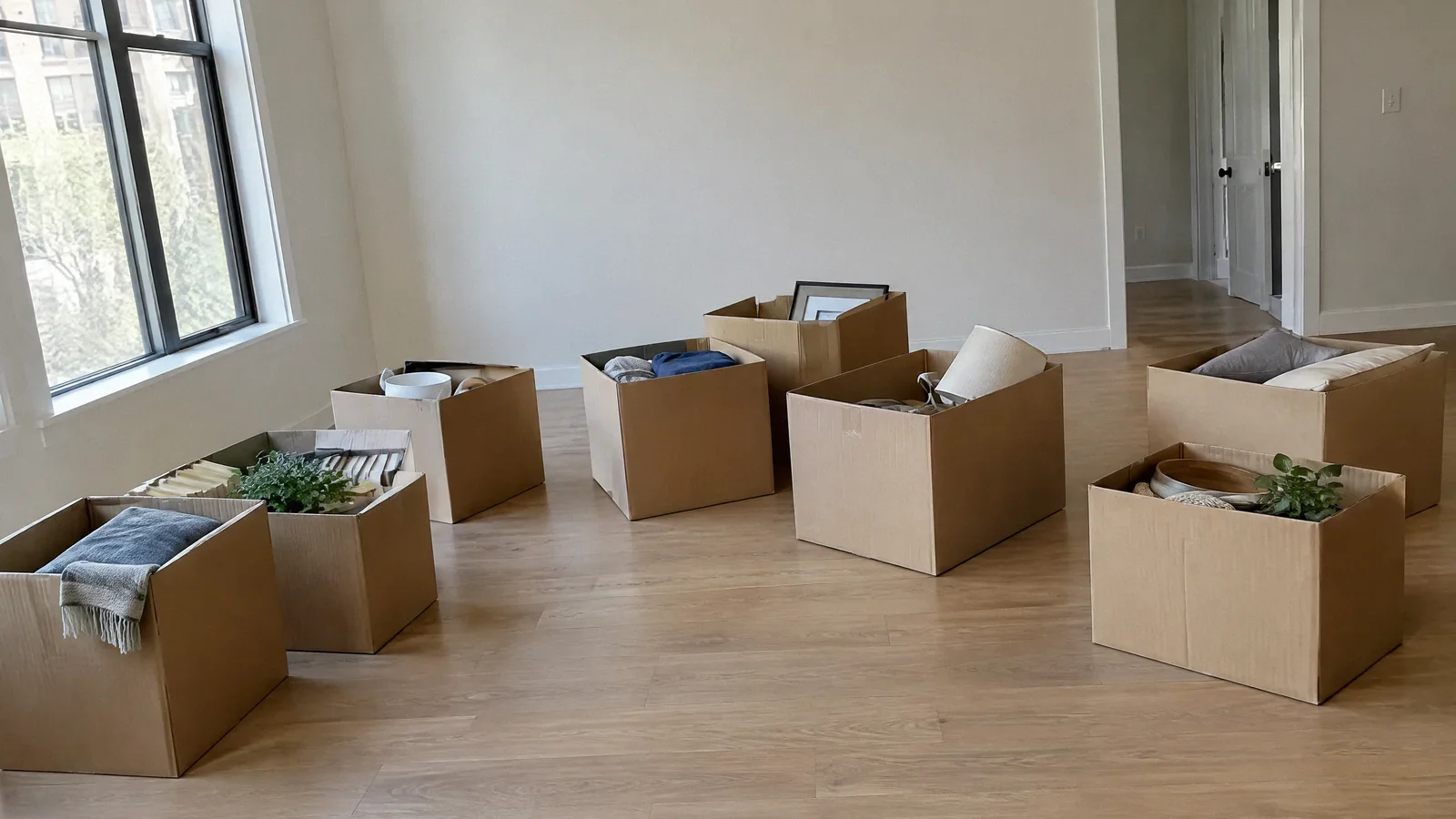
Use separate, clearly marked areas for keep, sell, donate, recycle, trash and decisions pending. Start with one manageable room, then move through cabinets and closets systematically. Keep exits, stairs and walkways clear; do not stack heavy boxes overhead. A pending box prevents the entire project from stopping over one difficult decision, but assign a date to review it. Photograph or inventory items that need another person’s approval.
Choose practical destinations
For sale items, consider the time required to photograph, list, answer buyers and arrange collection. For donations, check the recipient’s current acceptance rules and condition requirements before loading a vehicle. Recycle usable electronics through an appropriate program. EPA recommends contacting local agencies about household hazardous waste, which can include some paints, cleaners and automotive products. Do not pour unknown chemicals down a drain or mix containers.
Plan heavy and hazardous items separately
Arrange suitable help for appliances, bulky furniture, old paint, batteries and other materials that need special handling. Do not disconnect gas appliances or handle damaged electrical equipment yourself. Ask the local waste authority or qualified contractor about collection and disposal. If you find suspected asbestos, deteriorating old paint, sewage or extensive mold, stop disturbing the material and arrange professional assessment before the cleanout continues.
Schedule removal before final cleaning
Book donation pickup, a permitted hauler or other collection early enough to avoid last-minute piles. Ask what the service accepts, how charges are calculated and whether sorting is required. Keep a written inventory of items removed and confirm access arrangements. Once rooms are empty, clean surfaces from higher areas to lower ones using products appropriate for each finish. Address actual leaks or damage rather than concealing them for a showing.
Complete a final walkthrough
Open closets, cabinets, attic access areas that are safe to inspect, and garage storage. Check for keys, documents and overlooked personal items. Confirm which fixtures and appliances are included in the sale with the parties handling the transaction. Review the property condition and any disclosure obligations with the appropriate real estate or legal professional; local requirements differ. Leave clear paths and secure the property after the last collection.
Keep the process manageable
Work in short sessions and assign each helper a specific room or destination. Keep water, protective gloves and sturdy containers available, and do not lift beyond your capacity. Allow extra time for emotionally significant belongings and for items requiring other owners’ decisions. The goal is an orderly transfer of possessions and a clean, accessible home, not a rushed disposal of material whose ownership or safety is uncertain.
Build a workable schedule
Begin with documents, valuables and ownership decisions, then estimate the number of rooms and the time available before the property must be ready. Work backward from collection dates, allowing time for a missed pickup, donation rejection or an item that requires special disposal. Reserve a clean area for belongings that will stay with the owner and make sure it cannot be confused with the disposal pile. Keep receipts or a simple inventory where needed and document which helper made a decision. Before booking a hauler, describe access restrictions, stairs and the types of materials involved; ask for a written explanation of charges and exclusions. The final cleaning should happen after bulky items leave, with enough time for any separately authorized repairs. If the scope changes, update the schedule rather than putting unknown chemicals or disputed possessions into general trash to meet an arbitrary deadline.
Your next-step checklist
- Establish authority and a deadline
- Secure records and essentials
- Create clear sorting zones
- Choose practical destinations
Related questions
What if the first attempt does not solve the problem?
Stop and reassess the material and underlying cause. A qualified professional can help with inaccessible, damaged or persistent problems.
Should I follow the manufacturer’s care instructions?
Yes. Use the instructions for the actual material, equipment and cleaning product.
Sources & context
Public guidance supports the principles in this article. The practical questions and examples are editorial interpretation, not a site assessment or a coverage decision. State-specific rules apply only where identified.
- EPA: Household Hazardous Wasteprimary
- EPA: What You Can Doprimary